

- Home
- Health
- Healthy Body
- Meningitis B – symptoms, spread, and how to keep your family safe
Health officials have confirmed over 19 cases of meningitis B, or MenB, in Kent, in an outbreak that has resulted in the deaths of two young people and left others seriously ill.
In response, the UK Health Security Agency has announced a targeted vaccine rollout for students in the Kent area, alongside preventative antibiotics for those who have been in close contact with confirmed cases. Experts say the risk to the wider public remains low.
But what is meningitis B? How does it differ from other strains of meningitis? How is it spread? And what can you do to protect yourself? We’ll cover all of this and more below.
Note: If you suspect you have meningitis or sepsis, it’s important to call 999 for an ambulance or go to your nearest A&E immediately. Meningitis and sepsis can develop and progress very quickly.
What is meningitis?
Meningitis is an infection of the protective membranes that surround the brain and spinal cord, known as the meninges.
It’s usually caused by a bacterial or viral infection – and while viral meningitis usually gets better on its own, the bacterial form is rarer but significantly more serious. If left untreated, bacterial meningitis can lead to sepsis and cause lasting damage to the brain.
Meningitis can affect anyone, but it’s most common in babies, young children, teenagers, and young adults.
What is meningitis B, and how serious is it?
Meningitis B (MenB) is a type of bacterial meningitis. It’s caused by the Neisseria meningitidis bacterium, more commonly known as meningococcus.
According to Meningitis Now, around 10% of the UK population carries meningococcal bacteria in the back of their throat at any given time. Occasionally, these bacteria break through the lining of the back of the throat, where they pass into the bloodstream and cause infection.
MenB can be incredibly serious if it’s not treated quickly. Meningococcal bacteria can cause inflammation in the brain’s lining, which may lead to septicaemia (sepsis), as well as permanent damage to the brain or nerves. It’s estimated that up to one in 10 cases of bacterial meningitis is fatal.
However, if caught early, MenB can be treated with antibiotics, with many people making a full recovery.
What are the symptoms of meningitis B?

According to the NHS, symptoms of meningitis often develop suddenly and can include..
- High temperature
- Nausea and vomiting
- Headache
- Stiff neck
- Dislike of bright lights
- A rash that doesn’t fade when a glass is rolled over it (a rash may not always develop)
- Drowsiness or unresponsiveness
- Seizures (fits)
Symptoms can appear in any order, and some may not appear at all.
The UK Health Security Agency advises calling 999 immediately or going to your nearest A&E if you think you or someone in your care may have meningitis or sepsis, as symptoms can progress very quickly. If you’re not sure whether it’s serious, you can call NHS 111.
How is meningitis B spread, and why are young people more at risk?
According to Meningitis Now, one in four 15 to 19-year-olds carries meningococcal bacteria in the back of their throats, compared to one in 10 of the UK population, which puts them at greater risk.
It’s common for people to carry the bacteria without becoming unwell or showing symptoms, and unknowingly pass it to others through close contact, such as coughing, sneezing, and kissing.
Increased socialising among this age group also means bacteria may spread more easily. In universities, students may also be more vulnerable due to living in more ‘cramped’ housing or halls of residence.
That said, it’s important to note that anyone can be affected by MenB.
Note: Following the outbreak of confirmed MenB cases in Kent, according to the UK Health Security Agency, the risk of infection to the wider population is currently low.
Is there a vaccination for meningitis B?
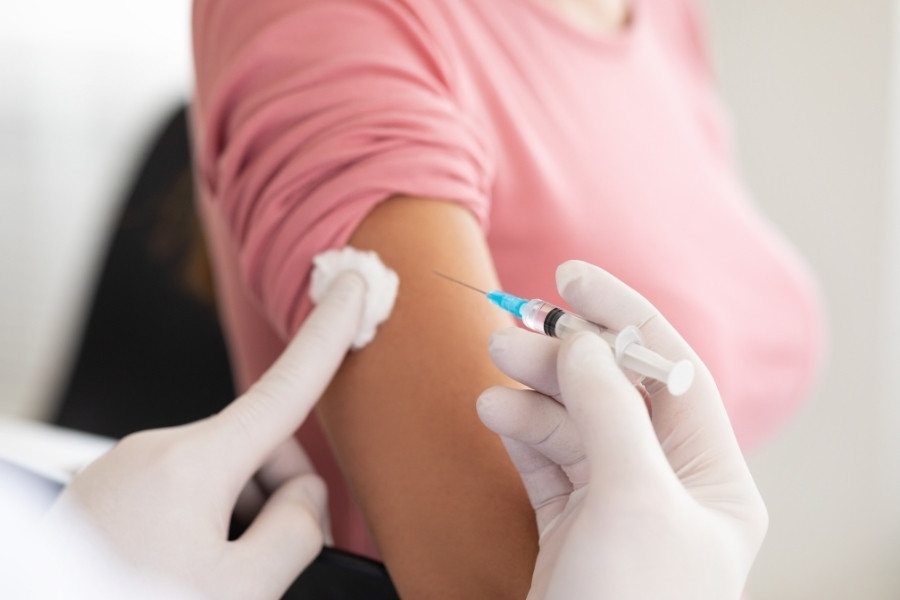
Some strains of meningococcal disease can be prevented by vaccines, many of which are available in the UK.
The MenB vaccine offers protection against meningococcal group B bacteria. It’s recommended for babies at eight weeks, followed by a second dose at 12 weeks, and a booster at one year.
However, because the vaccine wasn’t introduced for babies until 2015, the majority of people born before 2015 aren’t protected against MenB, unless they’ve had the vaccine privately.
According to experts, MenB has historically been more difficult to vaccinate against than other strains because its outer surface resembles human tissue, making it more difficult for the immune system to identify it as a threat. The MenB vaccine overcomes this by targeting specific proteins on the bacteria’s surface, rather than the outer coating – an approach used by earlier meningococcal vaccines.
Other routine childhood vaccines, including the MenACWY vaccine, provide good protection against several strains of meningococcal bacteria. However, it doesn’t protect against MenB. That’s why it’s important for everyone, regardless of vaccination history, to be aware of the signs and symptoms of MenB.
Note: In response to the recent outbreak of MenB in Kent, the government has introduced a targeted vaccination programme. Vaccination will begin with students living in Canterbury Campus Halls of Residence at the University of Kent.
The vaccination programme may be extended as the UK Health Security Agency continues to assess the risk to other groups. You can find out more on the UK government website.
Should I get the MenB vaccine?
Following the outbreak of MenB cases in Kent, it’s natural to feel worried. You might wonder what you should do to protect yourself and your loved ones, including whether or not to pay for the MenB vaccine.
The MenB vaccine is currently being offered to university students in Kent only, as part of a targeted vaccination programme following the recent outbreak. The programme may be expanded as health officials continue to assess the risk of MenB to other groups.
If you or a loved one isn’t being offered the MenB vaccine, the UK Health Security Agency is keen to reassure people that the risk of MenB to the wider public is low. MenB bacteria aren’t as contagious as other infections like measles or Covid-19, and transmission requires close, prolonged contact – for example, living together or intimate contact like kissing.
If you or your family members aren’t eligible for the MenB vaccine, health officials recommend making sure you’re up to date with the MMR and MenACWY vaccines, which help protect against other causes of meningitis. The MenACWY vaccine is offered in schools, usually in Year 9. If you’re responsible for a young person who missed it, they can get a free MenACWY vaccine from their GP.
You can stay up to date on news regarding the MenB vaccine on the Health Security Agency website.
How is meningitis B treated?
If someone is showing symptoms of meningitis or sepsis, hospital tests will be carried out to confirm the diagnosis and check whether the cause is a viral or bacterial infection.
Bacterial meningitis will usually require hospital treatment for at least a week. Usually, antibiotics or fluids are given directly into a vein, along with an oxygen mask if there are breathing difficulties. In some cases, steroid medication may be used to prevent swelling around the brain.
According to the NHS, viral meningitis often gets better on its own within seven to 10 days, so it can usually be treated at home. Taking painkillers, anti-sickness medication, and getting plenty of rest can help relieve symptoms. That said, severe viral meningitis may also require hospital treatment.
Note: If you suspect you have meningitis or sepsis, it’s important to call 999 for an ambulance or go to your nearest A&E immediately. Meningitis and sepsis can develop and progress very quickly.
For further reading, head over to our health news section.
Francesca Williams is a senior lifestyle writer at Rest Less. She joined Rest Less in early 2021 after achieving a first-class degree in History at the University of Sheffield and qualifying as an NCTJ Gold Standard Journalist. Francesca is a qualified Level 3 Personal Trainer and writes across a range of lifestyle topics, specialising in health. In her spare time, Francesca likes to keep herself busy going to the gym, dancing, spending time with friends and family, and getting involved with her local church.
* Links with an * by them are affiliate links which help Rest Less stay free to use as they can result in a payment or benefit to us. You can read more on how we make money here.
Join the discussion
Read our full commenting terms and guidelines