

- Home
- Health
- Healthy Body
- 8 myths about prostate cancer testing that could be putting you at risk
Sponsored content

Prostate cancer is the most common cancer in men, affecting around one in eight in the UK – the equivalent of 52,000 new cases a year. However, despite its prevalence, if detected early, prostate cancer is also one of the most survivable. While some prostate cancers grow slowly and may not cause any problems, others can grow quickly and need treatment to stop them from spreading.
Research shows that many men aren’t regularly checking their prostate health, potentially putting them at risk. This is thought, in part, to be down to the various myths that still surround prostate cancer testing, which can put people off getting checked.
To dispel some of these myths, we’ve partnered with leading UK specialist healthcare provider, Medefer. With over 150,000 patients supported and more than a decade partnering with the NHS, Medefer delivers safe, high-quality care across a range of specialist services.
Their award-winning PSA testing services have helped over 18,000 men check their prostate health. Their new testing service combines the convenience of home testing with the reliability of lab analysis and clinical support. For £79, you’ll receive a PSA test you can do from the comfort of your home, with results available in as little as 48 hours. Rest Less members can also enjoy £10 off using code RESTLESS10.
For every home PSA test kit sold, Medefer will donate £2 to The Prostate Project to help raise awareness and encourage early testing, giving men a better chance of beating prostate cancer.
1. Myth one – men are offered routine checks for prostate cancer
Despite it being the most common cancer in men, there’s currently no national screening programme for prostate cancer in the UK, meaning men don’t receive routine invitations for checks. Current NHS guidelines actually advise GPs not to proactively promote PSA blood testing to asymptomatic men, meaning it’s typically only carried out if a patient requests it.
This is mainly because prostate health checks, including Prostate-Specific Antigen (PSA) testing, may not always be accurate (more on this next). While this does mean that, on its own, PSA testing isn’t a reliable diagnostic tool for prostate cancer, it can still help to evaluate prostate cancer risk and work alongside other tests and information to identify aggressive cancers early enough to save lives.
However, because many men are unaware of the potential value of a PSA test and the absence of a screening programme, they may never consider getting checked. For example, in this survey by Prostate Cancer UK, 42% of men who hadn’t checked their prostate cancer risk thought it was up to their GP to tell them. And, only one in five men knew that prostate cancer tests aren’t part of routine health checks.
If you’re over 50, you can request a PSA test from your GP for free. Or, if you’re struggling to get an appointment or would prefer to carry out the test in the comfort of your own home, you can choose to order a PSA test from a trusted supplier like Medefer.
Medefer has been at the forefront of prostate cancer screening innovation. They supported Surrey and Sussex Cancer Alliance to deliver a Targeted Prostate Health Check Programme. This used GP records to identify and invite over 66,000 at-risk men the opportunity to have a simple PSA blood test.
As a result of the programme, over 18,000 men were tested, more than 260 were found to have prostate cancer, and testing awareness was significantly increased. For example, 83% of participants said they understood the importance of the checks after the programme, compared to 65% in the pre-programme survey.
2. Myth two – PSA tests are completely unreliable for detecting prostate cancer
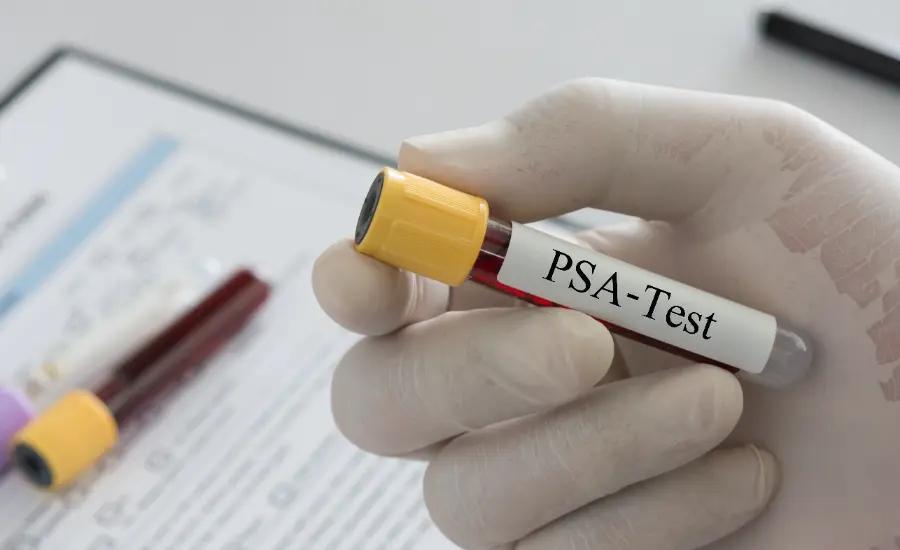
Prostate-Specific Antigen (PSA) testing is the most common method used to assess prostate health. It works by checking blood levels of prostate-specific antigen (PSA), a protein made by the prostate gland. Higher levels of PSA may indicate a prostate problem, such as prostate cancer.
However, PSA testing is sometimes seen as controversial because it can produce both false positives and false negatives. Some argue that its lack of specificity can result in overdiagnosis, unnecessary stress, and potentially harmful overtreatment of slow-growing cancers that may never have caused any issues.
That said, PSA tests can still be a valuable tool for assessing prostate health, and many men choose to have them for peace of mind and to improve their chances of early detection. Advances in scanning technology also mean you can now have a non-invasive MRI scan if your PSA is abnormal. This reduces the need for biopsies, which has been one of the barriers to widespread adoption of PSA screening.
It’s also important to note that not all PSA tests are created equal and can vary in accuracy, suitability, and turnaround time – from instant PSA self-test kits to home collection PSA tests and clinic-based venous PSA tests. As a result, it’s important to weigh up the pros and cons of different PSA tests before deciding what’s best for you.
If you’d like to have a PSA test, you can choose to book a GP appointment. Or, if you’d prefer to organise a test yourself, Medefer’s award-winning prostate testing service has helped over 18,000 men check their prostate health. Their test combines the convenience of home testing with the reliability of lab analysis and clinical support. For £79, you’ll receive a PSA test you can do from the comfort of your home, with results available in as little as 48 hours.
3. Myth three – you need to have a rectal examination
Previously, rectal exams have been used to test for prostate cancer. However, following research led by GPs, surgeons, doctors, radiographers, and nurses specialising in prostate cancer, rectal exams are no longer regarded as a useful screening test for prostate cancer.
Instead, a PSA test is currently the most common first step for checking prostate health and can help identify men who may need further assessment. Plus, with the introduction of routine MRI scans for men with raised PSA levels, doctors can now provide a more precise and accurate diagnosis without the need for invasive tests.
However, research shows many men aren’t aware of these changes. In this survey, for example, 46% of men believed they needed to have a rectal exam to get tested for prostate cancer – and it was one of the biggest factors putting them off being tested.
4. Myth four – prostate cancer only affects elderly men
Another myth surrounding prostate cancer is that it only affects elderly men. However, while the risk of developing the condition does increase with age, it’s not only elderly men who are affected.
According to research, most cases of prostate cancer develop in men over 50, and the average age to be diagnosed in the UK is 65-69. It’s possible to develop prostate cancer before the age of 50, but this is rare.
There are also higher-risk groups, including black men and those with a family history of the disease, who are more prone to developing prostate cancer. For example, one in four black men will develop prostate cancer in their lifetime. Experts don’t know why, but it might be linked to genetics. Other factors, such as obesity, are also thought to increase your risk.
However, despite these stats, a survey led by Prostate Cancer UK revealed that 88% of men from high-risk groups were unaware of their increased risk. Worryingly, a further 11% of high-risk men believed they actually had a lower risk of developing prostate cancer. And 86% of black men weren’t aware they had double the risk of other racial groups in the UK.
Current NHS guidance recommends PSA testing in men aged 50 and over and 45+ for those in high-rish groups, even if they have no symptoms, up to the age of 70. Being proactive can help reduce the risk of severe disease and ensure that fewer cases go undetected. Prostate Cancer UK has an online risk checker if you’re unsure of your risk.
5. Myth five – you only need to get tested for prostate cancer if you have symptoms
While prostate cancer can sometimes cause symptoms, such as blood in the urine or semen, difficulty urinating, and sudden urges to urinate, it’s common for the condition to develop silently. This means that, without checks, prostate cancer can easily go undetected.
However, research shows that many men are unaware of the importance of checking their prostate health, even if they’re not showing symptoms. In this survey, for example, seven in 10 men said they’d wait until they had symptoms of prostate cancer before visiting their GP. What’s more, there’s evidence that this myth has even stretched into the professional sphere, as some men report being denied PSA tests by their GP because they weren’t showing symptoms.
Detecting prostate cancer early can help prevent it from spreading to other areas of the body. Research shows that this can make all the difference when it comes to treatment success, treatment options, and quality of life.
Statistics show a nearly 100% five-year survival rate for localised prostate cancer (cancer that hasn’t spread beyond the prostate). Early detection of prostate cancer is also linked with better urinary and sexual function, as well as increased treatment options. For example, you may be eligible for less invasive treatments, such as focal therapy and active surveillance, if caught early.

6. Myth six – PSA test results are confusing to understand
If you’ve had a PSA blood test, you might find it difficult to understand what your test results mean. In some cases, this can lead to men feeling worried and confused about what they need to do next. However, this doesn’t have to be the case. Just as tests can vary in accuracy and turnaround time, so too can the level of support and guidance provided.
Having access to professional clinical support can make all the difference – particularly if your test suggests that you may be at higher risk of prostate cancer.
Medefer’s home PSA tests provide laboratory readings and are clinically reviewed by their team of nurse specialists, with support from urologists if needed. Your results will be clearly explained so that you know exactly where you stand. And, if a test result is abnormal, Medefer’s service includes a call with a nurse specialist who’ll support you through the next steps.
7. Myth seven – having high PSA levels automatically means you have cancer
Many men report feeling confused or worried about their PSA test results, particularly if they show high PSA levels.
While it’s true that most men with prostate cancer will have higher PSA levels, not all men with higher PSA levels have prostate cancer. So, receiving an abnormal test result doesn’t necessarily mean you have cancer. There are several reasons why PSA levels may be raised, including urine infections, inflammation in the prostate, and benign prostate enlargement.
As part of their PSA home test kit package, Medefer’s expert team is on hand to explain your results clearly and guide you through the next steps if it’s abnormal – so you’ll always know exactly where you stand.
8. Myth eight – prostate cancer needs to be treated immediately
Most men are keen to act quickly when they find out they have prostate cancer. In some cases, this can cause people to delay getting tested in the first place – believing they’ll need to undergo intense treatment, such as chemotherapy, immediately.
However, while there are always exceptions, not all cases of prostate cancer will require immediate treatment, particularly if it’s caught early.
Many prostate cancers are slow-growing, meaning you’ll have time to consider your options and come to the right decision for you. In fact, some men might never need treatment at all, or will have the option to delay their treatment while their cancer is carefully monitored. This is all the more reason to have regular prostate health tests to improve your chances of early detection.
Final thoughts…
Despite being the most common cancer in men, the good news is that, when detected early, prostate cancer is usually treatable. This is why regularly checking your prostate health is so important.
Although there’s no national screening program for prostate cancer, men can request prostate checks themselves through their GP for free.
Alternatively, Medefer’s award-winning PSA home test has helped over 18,000 men check their prostate health. Putting expert care in your hands, their test combines the convenience of home testing with the reliability of lab analysis and clinical support. For £79, you’ll receive a PSA test you can do from the comfort of your home, with results available in as little as 48 hours. Rest Less members can also get £10 off using code RESTLESS10.
For every home PSA test kit sold, Medefer will donate £2 to The Prostate Project to help raise awareness and encourage early testing, giving men a better chance of beating prostate cancer.
Francesca Williams is a senior lifestyle writer at Rest Less. She joined Rest Less in early 2021 after achieving a first-class degree in History at the University of Sheffield and qualifying as an NCTJ Gold Standard Journalist. Francesca is a qualified Level 3 Personal Trainer and writes across a range of lifestyle topics, specialising in health. In her spare time, Francesca likes to keep herself busy going to the gym, dancing, spending time with friends and family, and getting involved with her local church.
* Links with an * by them are affiliate links which help Rest Less stay free to use as they can result in a payment or benefit to us. You can read more on how we make money here.