Sponsored content
Breast cancer is the most common cancer in women in the UK – causing around 11,400 deaths every year.
One of the most effective ways to diagnose breast cancer early and improve survival rates is through breast screenings, which can detect the disease before symptoms appear. However, according to the NHS, more than four in ten women don’t act on their first breast screening invitation.
In response, NHS England has launched its first-ever national breast cancer screening campaign to encourage women to attend breast screenings and help detect thousands of cancer cases earlier.
As part of the landmark campaign, celebrities including Newsnight anchor Victoria Derbyshire and Strictly Come Dancing judge Shirley Ballas, have written ‘unofficial’ invitation letters to women. These detail their personal experiences of breast screening to offer reassurance and encourage attendance. NHS staff, TV doctors, and other cancer survivors also feature in the video reading their letters.
To support the campaign, we’ve partnered with the NHS to explain more about how breast screening works and why attending your routine appointment could save your life.
NHS national cancer director, Dame Cally Palmer, says: “Breast screening detects breast cancers earlier and saves lives. But we know for many women there can be lots of reasons why they might be reluctant to come forward. That’s why the NHS has launched its first-ever campaign to support more women to make the most of breast screening and to address some of the misgivings and misconceptions they might have.
“Cancer survival is at an all-time high in England thanks to a real focus on early detection – and we want hundreds of thousands more women to access screening so that any breast cancers can be spotted as early as possible to help save more lives.”
How a simple breast screening appointment could save your life
Breast cancer is the most common type of cancer in women in the UK, with around 55,000 new cases each year. Many people assume that, if they had cancer, they’d have symptoms. However, it’s easy for the disease to be silent and go undetected – particularly during the early stages.
Diagnosing cancer early is key for improving survival rates. According to the NHS, if diagnosed at the earliest stage, 98% of women will survive their breast cancer for five years or more. However, this drops to three in 10 women if diagnosed at the most advanced stage.
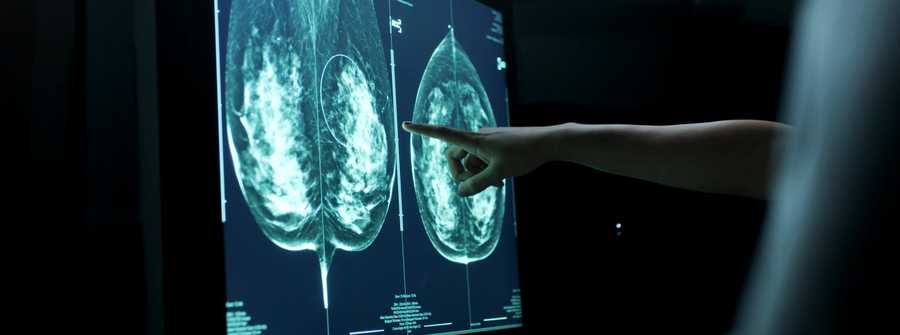
Breast screenings use X-rays called mammograms to check for signs of breast cancer that are too small to see or feel, before you even notice any symptoms. They’re one of the most effective ways to detect breast cancer early.
Last year alone, NHS breast screening services detected cancers in 18,942 women across England, which otherwise may not have been diagnosed or treated until a later stage. The most recent comprehensive review revealed that the breast screening programme saves around 1,300 lives every year. Yet, research shows that more than four in 10 women (46.3%) don’t act on their first breast screening invitation.
In light of this, the new phase of NHS England’s breast screening campaign, ‘Help Us, Help You’, aims to encourage women to attend their breast screening appointment; shedding light on its importance and addressing any potential barriers.
The NHS believes that if, next year (2025/26) screening attendance of those eligible reaches 80%, over 7,500 more cases of breast cancer could be detected earlier when the disease is more treatable. This change would also see around 100,000 more patients referred for cancer checks receive a diagnosis or the all-clear within four weeks.
Note: It’s important to routinely check your breasts between mammograms, even if your screening shows no signs of breast cancer. If you notice any changes, contact your GP. The NHS has information on how to check your breasts on its website.
Am I eligible for NHS breast screening?
Age increases the risk of developing breast cancer, with eight in 10 women diagnosed aged over 50.
As a result, women aged 50 to 71 registered with a GP in England will be invited for a breast screening every three years. You’ll be invited by post, with your first invite automatically sent between the ages of 50 and 53.
Once you reach the age of 71, you’ll no longer receive automatic breast screening invitations. However, if you wish to continue with regular breast screening, this can be arranged by contacting your local breast screening service and self-referring. If you’ve had breast cancer before, you’ll typically be invited for a mammogram every year for the first five years following treatment, followed by a screening every three years if you’re over 50.
Note: Breast screening isn’t routinely offered to men in the UK because their risk is lower due to having less breast tissue. However, men are still advised to regularly check their chests for any lumps or other unusual changes and speak to their GP if they have any concerns.
If you don’t live in England but are a woman between 50 and 71 in the UK, you can still access breast screening through the NHS. You’ll need to register with a GP in the area you live in and won’t be automatically invited to a screening as you would be if you lived in England. To ensure you receive a screening, you should contact your GP or local breast screening unit.
What happens at a breast screening appointment?
These days, breast screenings have become more accessible than ever. They’re available in hospitals, as well as mobile screening vans in various convenient community locations, such as supermarket car parks. Your invitation letter will tell you whether you need to book your appointment yourself or if it’s already pre-booked for you.
Breast screenings are carried out by female health specialists called mammographers.
Before starting, the mammographer will check your details and ask if you’ve had any breast issues. You’ll have the chance to raise any concerns or worries, and your mammographer will do everything she can to help make the experience as comfortable as possible for you. They’ll also explain what will happen during the screening.
Before your mammogram begins, you’ll be asked to undress to your waist in a private changing area. For this reason, it can be helpful to wear a skirt or trousers instead of a dress.
Mammograms involve placing one breast between two flat plates, where X-rays will be taken. You’ll typically have four X-rays – two for each breast. The mammograms only take a few minutes, and the whole appointment shouldn’t take more than 30 minutes. Some women may experience mild discomfort during the mammograms due to compression, but this usually passes quickly. The compression helps to provide a clear picture and reduces the amount of radiation needed.
You can find more information about what to expect during a breast screening appointment on the NHS website.
When will I receive the results of my breast screening?
You should receive the results of your breast screening via a letter in the post within two weeks of your appointment. They’ll also be sent to the GP surgery you’re registered with.
If your results show no signs of breast cancer, you won’t need any further tests and can wait for your next breast screening invitation in three years. According to the NHS, this will be the case for most people who have a breast screening. It’s important to still routinely check your breasts between appointments.
If your breast screening results say further tests are needed, you’ll be given an appointment automatically. This may include an examination of your breast, more mammograms, or ultrasound scans of your breast.
It’s normal to feel anxious about having further tests and what this could mean. If you have any questions or would like to discuss the process, your letter will tell you how to contact a breast care nurse. However, try not to worry too much – according to the NHS, most people who need further tests won’t be diagnosed with breast cancer.
Sometimes, breast screening results can take longer to arrive. If this is the case, try not to worry. It doesn’t necessarily mean that anything is wrong, and most people will receive a normal result. If you’re concerned, you can call the breast screening service to see if they have any updates.
Barriers to breast screening – do any of these affect you?
As part of their campaign, NHS England is keen to address potential barriers that may prevent women from attending their breast screening.
It comes as a new survey of 2,000 women for the NHS revealed that almost 40% rarely or never talk about breast screening with their families or female friends, and almost a quarter (24%) of women said they wouldn’t attend if they didn’t already have symptoms like a lump. Embarrassment at being topless in front of someone and concerns about screening being painful were also noted as obstacles to attendance.
However, it’s important to remember that your health is paramount, and there’s no need to feel embarrassed. Breast screenings are carried out by female health specialists called mammographers, who will do everything they can to help put you at ease and make the experience as comfortable as possible.
In her open letter to women invited for screening, Victoria Derbyshire says: “I’ve had breast screening multiple times. For me it was painless and I was happy to be screened; my motivation was to make sure any irregularities were picked up.
“When I was diagnosed, I thought I wouldn’t get to see my two little boys grow up or grow old with my partner Mark. I’m still here thanks to the skill of the NHS – 2025 will be 10 years since I was diagnosed. Breast screening might just help save your life. Please go.”
The NHS breast screening campaign also aims to reduce inequalities in breast screening attendance. Particularly among Black, South Asian, and Eastern European communities, where cultural barriers, such as around the process of screening itself (for example, modesty concerns), can cause attendance to be significantly lower. The NHS aims to target these barriers and empower women with the information they need to attend their breast screening and prioritise their health.
Claire Rowney, chief executive at Breast Cancer Now, says, “We know there are many reasons behind women not taking up their screening invite, and that uptake is lower amongst specific groups – including those living in more deprived areas and from certain minority ethnic communities – driving inequalities in early diagnosis and breast cancer survival.
“As such, NHS England’s plans to focus especially on reaching women who are less likely to get screened and often face additional barriers to attending is so crucial to the success of this campaign.”
Final thoughts…
Cancer can be a sensitive topic to think about and discuss. However, attending relevant screenings is one of the best things you can do for your health.
If you’ve received your breast cancer screening invitation and haven’t yet attended, remember this simple routine check could save your life – so it’s important to go.
To find out more about breast cancer screening, head over to the NHS website.
Do you attend your routine breast screenings? Has anything stopped you from attending? We’d be interested to hear from you in the comments below.