
- Home
- Health
- Healthy Body
- Rosacea – symptoms, causes, and treatment
Rosacea is a common skin condition that causes redness, spots, and flushing, mainly on the face. According to statistics, rosacea affects around one in 20 people in the UK, most commonly between the ages of 30 and 60.
Rosacea symptoms can be uncomfortable and distressing – many people find that it affects their self-esteem, too. While there’s currently no cure, luckily, lifestyle changes and treatment can help manage symptoms.
Here, we’ll take a closer look at rosacea, including symptoms, causes, and treatment.
What is rosacea?
Rosacea is a common long-term skin condition that mainly affects the face. It’s characterised by redness (blushing) on the cheeks, nose, forehead, chest, neck, as well as other symptoms. While rosacea typically appears on the face, it can also develop on other areas of the body.
There are four different types of rosacea. According to Bupa, these are categorised based on the nature and severity of your symptoms…
- Papulopustular rosacea – the most common type of rosacea, particularly in women, causing red spots and flushing on the face
- Phymatous rosacea – skin becomes thicker, sometimes causing lumps and bumps on the nose, chin, ears, forehead, and eyelids
- Erythematotelangiectatic rosacea – the middle area of the face appears red, often accompanied by burning, itching, or stinging
- Ocular rosacea – eyes may feel sore, dry, and sensitive to light, sometimes before you notice your skin becoming red
What are the symptoms of rosacea?
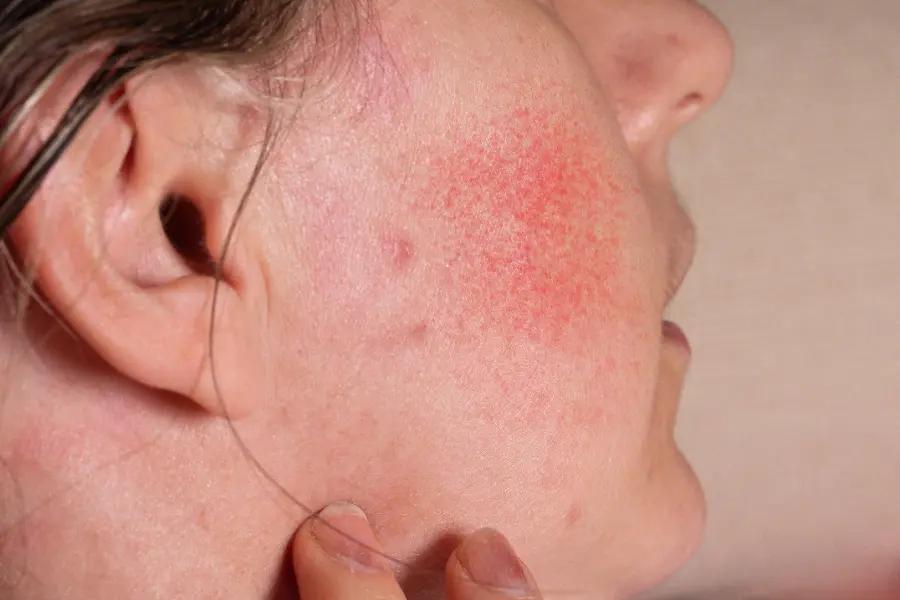
According to the NHS, rosacea can cause many symptoms, but not everyone will experience them all.
Redness (blushing) on the face, neck, and chest is the main symptom of rosacea. Skin redness may feel hot, warm, or painful, and symptoms often come and go, lasting a few minutes each time.
You may also alternate between periods where symptoms are better or worse. However, in more severe cases, the skin on your nose, cheeks, and forehead may be red all the time.
Some people with rosacea may also experience other symptoms, including…
- Dry skin
- A burning or stinging sensation when using skincare products
- Swelling, particularly around the eyes
- Visible blood vessels, called spider veins, that look like thin, red lines under the skin – particularly on the cheeks and forehead
- Yellow-orange patches on the skin
- Sore eyelids or crusts around eyelashes
- Pink or red bumps on the face, which may be filled with pus (rosacea used to be called acne rosacea because it sometimes looks like acne)
- Thickened skin (this usually occurs on the nose and develops after several years)
If you have black or brown skin, redness can be more difficult to see. The first noticeable rosacea symptoms may be small spots and bumps on your face.
Note: According to the NHS, it’s important to speak to your GP practice urgently or phone 111 if you have rosacea and…
- Your eye is painful
- Your vision is blurred
- You have a red eye
- You’re sensitive to light
- Your eye feels gritty
These could be signs of keratitis, which can be serious if not urgently treated.
Are there any complications of rosacea?
While rosacea can get worse over time, it doesn’t usually cause serious complications. However, there are some risks to be aware of.
According to Bupa, rosacea fulminans is a rare complication of rosacea that develops suddenly, causing large red bumps, spots, and cysts on the face that can lead to scarring. Rosacea fulminans is usually treated with isotretinoin tablets and corticosteroids to help reduce inflammation.
If left untreated, ocular rosacea can also lead to serious eye conditions, including keratitis (inflammation of the cornea), conjunctivitis, and anterior uveitis (inflammation of the middle of the eye).
Lastly, there’s evidence that rosacea can increase the risk of anxiety and depression. This may be due to its impact on confidence, self-esteem, and willingness to socialise. For example, in this survey, 90% of rosacea patients said their condition had lowered their confidence and self-esteem, and 41% reported avoiding public contact or cancelling social plans.
What causes rosacea, and are there any risk factors?
Experts are currently unsure of what exactly causes rosacea, but it’s believed to be a combination of genetic, environmental, and immune system factors.
According to Bupa, potential causes of rosacea may include…
Issues with the immune system, which cause high levels of inflammation in the skin
A problem with tiny blood vessels in your skin, which increases blood flow to the face, causing flushing
- Sun damage
- Having an unusually high number of tiny mites that live naturally in the skin
- General issues with the way your skin works
While anyone can develop rosacea, several factors may increase your risk. For example, the condition mainly affects women and those with fair skin that burns easily in the sun (though there’s evidence that symptoms may be more severe in men).
Age may also play a role, as, according to NICE, rosacea mainly affects people aged 45–60. Having a family member with rosacea is thought to increase your risk, too. However, it’s important to note that this risk is due to genetics – you can’t catch the condition from anyone else.
Lastly, many people with rosacea find that certain things trigger their symptoms, such as stress and sunlight. We’ll cover these in greater detail below.
How is rosacea diagnosed?
If you suspect you have rosacea, it’s important to speak to your GP. There’s no specific test for rosacea, so to make a diagnosis, your GP will usually look at your skin, ask about your symptoms, and ask if you’ve noticed any specific triggers.
If your symptoms are severe or your GP is unsure if you have rosacea, they may refer you to a dermatologist or an ophthalmologist (a doctor who specialises in eye conditions) for further tests.
You can read more about how rosacea is diagnosed on Bupa’s website.
How is rosacea treated?
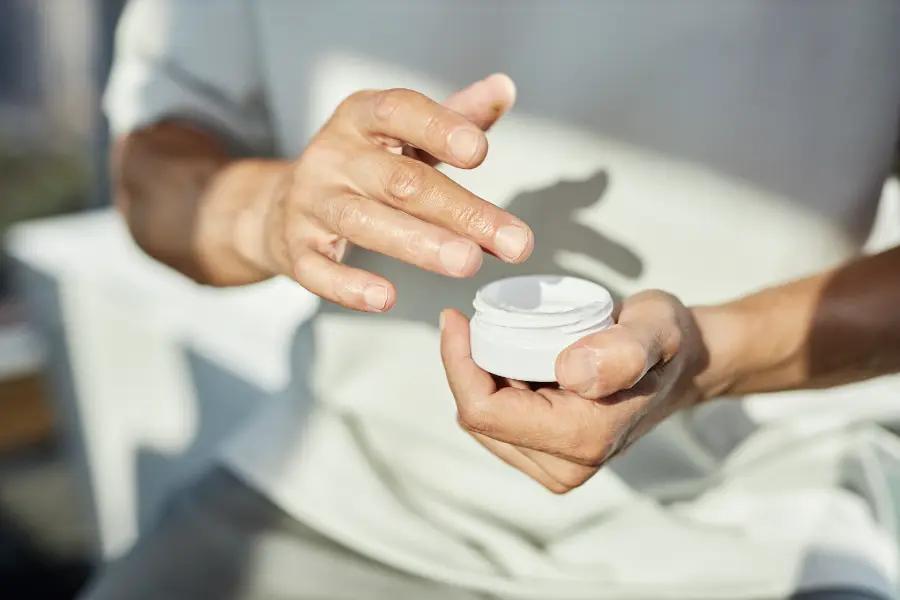
While there’s currently no cure for rosacea, lifestyle changes, medicines (including antibiotics, prescription gels, and creams), and laser treatment can help control and manage symptoms. Some people find that symptoms get worse without treatment, so it’s important to find what works best for you.
The right treatment will largely depend on the nature and severity of your symptoms. We’ll cover some of the main treatment options for rosacea below.
Medication
Mild-to-moderate rosacea symptoms can usually be treated with skin creams or gels. For example, if your skin is very red, your GP may prescribe brimonidine gel, which helps reduce blood flow to your face. Anti-inflammatory creams and gels are also an option if your skin is inflamed and spot-prone.
Some people with mild rosacea may only need to use medicines when their symptoms flare up.
If your symptoms don’t improve with gels and creams, your GP may prescribe antibiotics. These are thought to help rosacea by reducing inflammation. Other medicines, such as doxycycline tablets and isotretinoin tablets, are also available. However, these won’t be suitable for everyone and can cause side effects, so your doctor will discuss the pros and cons with you beforehand.
You can read more about medicines for rosacea on Bupa’s website.
Other treatments
If medication isn’t making a difference to your symptoms, you may be recommended laser facial resurfacing treatment. Laser treatments work by shrinking the blood vessels on your face without damaging the surrounding skin.
Bupa has more information about laser treatment for rosacea on their website.
5 lifestyle tips for managing rosacea
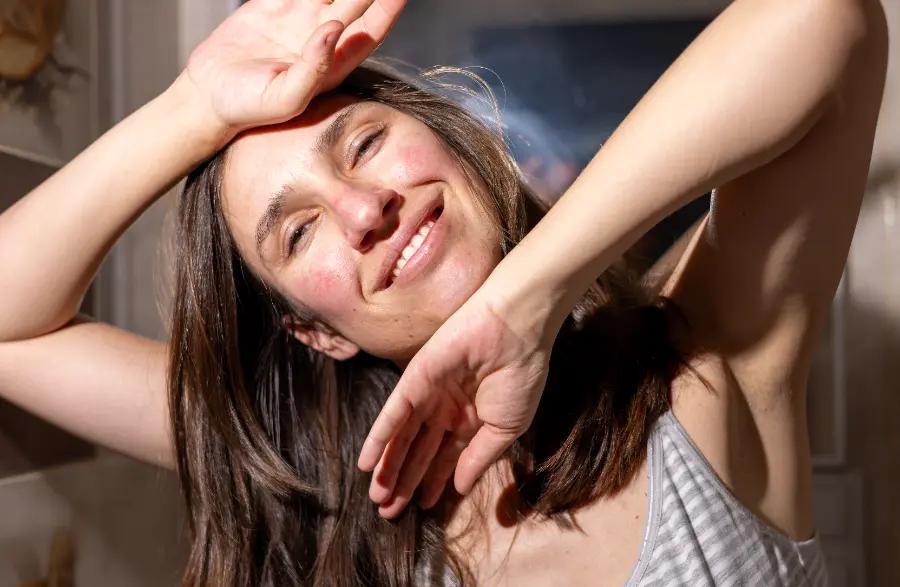
Alongside treatment for rosacea, many people find that several lifestyle changes and home remedies can make all the difference in managing symptoms. We’ll cover some of these below…
1. Identify your triggers
While the exact causes of rosacea are unknown, many people find that certain triggers exacerbate symptoms. So, becoming aware of your personal triggers can be a useful step.
According to the NHS, common triggers for rosacea include alcohol, sunlight, stress, hot drinks, spicy foods, hot or cold temperatures, and aerobic exercise like running. Hot flushes, caused by menopause or an overactive thyroid gland, may also make symptoms worse. For help with this, you might like to read our article: 11 ways to manage hot flushes.
If you’re struggling to identify your triggers, keeping a diary can be useful.
2. Use rosacea-friendly skincare and be gentle with your skin
When you have rosacea, many skincare products can irritate your skin. For this reason, being selective with what you apply to your skin can be helpful.
Among other things, dermatologists recommend avoiding products containing ingredients like alcohol, camphor, glycolic acid, menthol, lactic acid, or anything fragranced. Selecting products designed for sensitive skin, avoiding toners, and choosing creams over lotions or gels can also help prevent irritation.
It’s also important to test skincare products before applying them to your face.
For further guidance, you might find these 7 rosacea skincare tips recommended by dermatologists useful.
3. Protect your skin from sun damage year-round
Protecting yourself from sun damage is important for keeping skin healthy and reducing the risk of skin cancer. And many people with rosacea find that sunlight is also one of the most frequent causes of a flare-up.
Check out our articles, 11 tips to protect yourself from sun damage and 10 sunscreen rules to protect your skin, to learn more.
If you find sunscreen tends to irritate your skin, dermatologists recommend looking for one that’s unfragranced and contains silicone and zinc oxide, titanium dioxide, or both (also called mineral sunscreen).
4. Take steps to manage stress
Research suggests that stress can be a trigger for rosacea symptoms, so taking steps to manage stress levels can help.
You might find our articles, 7 tips for coping with stress and anxiety and 9 simple stress-relieving activities, useful for getting started.
5. Create a support network
Living with any type of long-term health condition can be difficult. And because many people with rosacea find that it affects their confidence and self-esteem, having a support network can make all the difference.
Examples of support networks include friends, family, and support groups. Some people also find it particularly valuable to connect with others who share experiences of rosacea.
If rosacea is affecting your mood or you’re feeling down and anxious, it’s worth speaking to your GP. They’ll be able to advise you on options like counselling and talking therapies. The charity Changing Faces also offers support and guidance for people living with a visible difference.
Final thoughts…
Rosacea is a long-term skin condition, and its symptoms can be distressing to live with.
While there’s currently no cure, reassuringly, many people find they can manage symptoms with lifestyle changes and treatment.
For further reading, head over to our health section. Here, you’ll find information on everything from gut health to other skin conditions like eczema and psoriasis.
Do you have any other tips for managing rosacea that you’d like to share? We’d be interested to hear from you in the comments below.
Francesca Williams is a senior lifestyle writer at Rest Less. She joined Rest Less in early 2021 after achieving a first-class degree in History at the University of Sheffield and qualifying as an NCTJ Gold Standard Journalist. Francesca is a qualified Level 3 Personal Trainer and writes across a range of lifestyle topics, specialising in health. In her spare time, Francesca likes to keep herself busy going to the gym, dancing, spending time with friends and family, and getting involved with her local church.
* Links with an * by them are affiliate links which help Rest Less stay free to use as they can result in a payment or benefit to us. You can read more on how we make money here.
Join the discussion
Read our full commenting terms and guidelines