
- Home
- Health
- Healthy Body
- Seasonal hair shedding – is it normal?
With autumn and winter come various health concerns – from cold and flu to fatigue and seasonal depression. But one change you may not have considered is how the seasons can affect your hair.
While it’s normal to shed a small amount of hair every day, research suggests that there are certain times of the year when we might experience more hair loss – a process known as seasonal shedding. Typically peaking in autumn, seasonal hair shedding can leave people feeling concerned and seeking an explanation.
However, experts are keen to reassure that seasonal shedding is a natural process and not usually anything to worry about. That said, it’s no secret that many of us want to keep our hair in the best possible condition year-round, so what can we do to look after it during the colder months?
Here, we’ll take a closer look at seasonal hair shedding, including why it happens and how to reduce its impact.
What is seasonal hair shedding?
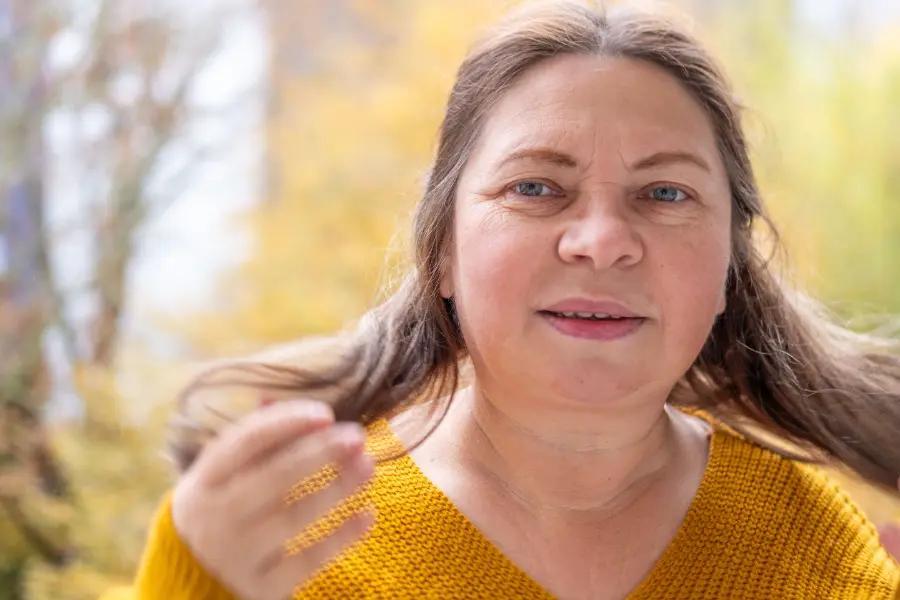
Seasonal hair shedding, also known as telogen effluvium, is a phenomenon that causes people to lose more hair at specific times of the year. Until fairly recently, there was debate over whether seasonal hair shedding was a real thing. However, there’s now plenty of evidence to back it up.
According to the NHS, most of us lose around 50 to 100 hairs a day. This is a normal part of the natural hair growth cycle, consisting of a growth phase, resting phase, and shedding phase, which is important for keeping hair healthy. The shedding of old hairs allows new ones to grow.
While the hair growth cycle is ongoing, research has identified certain times of year when you might notice a few extra strands on your hairbrush or more hairs in the shower drain. Various studies suggest that, in the UK and Europe, seasonal shedding typically peaks in autumn (September to November). Others may also experience a smaller, but still noticeable, shedding phase during spring.
Seasonal hair shedding is actually a form of alopecia. However, unlike other types of alopecia, like alopecia areata and androgenetic alopecia, which cause permanent hair loss, seasonal hair shedding is a temporary phenomenon and usually resolves on its own.
What are the signs of seasonal hair loss?
Research hasn’t yet concluded how much hair shedding is a normal part of seasonal hair loss – but experts say that it should be mild. Generally speaking, most people find that hair volume and density tend to remain the same during seasonal hair loss, reporting no significant changes to the appearance of their hair.
That said, seasonal hair shedding can affect people differently and is largely dependent on your hair type. For example, if your hair is longer or naturally thinner, shedding may be more noticeable. If this is something you’re struggling with, you might like to read our article: 8 ways to add volume to fine hair.
Seasonal hair shedding differs from conditions like androgenetic alopecia, where hair often feels unhealthy and noticeably thinner in specific areas, or sometimes the entire scalp. As a result, while noticing a few extra hairs on your brush or pillow at certain times of year is normal, if you’re experiencing sudden, rapid hair loss, bald patches, or changes to your hairline, it’s likely not just down to the seasons and is worth discussing with your GP.
Understanding the hair growth cycle

Before exploring the potential causes of seasonal hair shedding, it’s important to understand how our hair grows.
This process, known as the hair growth cycle, consists of four distinct stages. The first three phases (anagen, catagen, and telogen) allow for hair growth and maturation, before old strands shed in the final (exogen) phase, stimulating new hair to grow.
This constant cycle of growth, rest, and renewal is key for healthy hair. The hairs on your head will also be at different stages of the growth cycle at once, which is essential for preventing mass shedding.
Anagen (growth) phase
The hair growth cycle begins with the anagen phase, where hairs grow out of the follicles on your head. These hairs continue to grow until they’re cut, or until they reach the end of their life span and fall out.
The anagen phase is the longest phase of the hair growth cycle and – depending on your genetics and where on the body the hair is – can last anywhere between two and eight years. For example, the anagen phase is much shorter for eyebrow and pubic hair than for scalp hair. According to research, around 85% to 90% of the hairs on your head are in the anagen phase at any time.
Catagen (transition) phase
The catagen phase begins at the end of the anagen phase and typically lasts around two weeks. During the catagen phase, hair follicles shrink and detach from blood supply – slowing hair growth.
Only around 1% to 3% of the hairs on your head are in the catagen phase at any given time.
Telogen (resting) phase
New hairs start to form in the follicles during the telogen phase. Hair doesn’t grow, but it doesn’t usually fall out either.
The telogen phase typically lasts two to three months. Around 9% of hairs on your scalp are in this phase at any given time.
Exogen (shedding) phase
The exogen phase is an extension of the telogen stage of hair growth. During this phase, hair begins to shed – a process often sped along by washing and brushing. According to experts, losing 50 to 100 hairs a day during the exogen phase is normal.
The exogen phase can last several months. As old hairs fall away, new hairs begin growing in the follicles, preparing to start the process again.
What causes seasonal hair shedding?
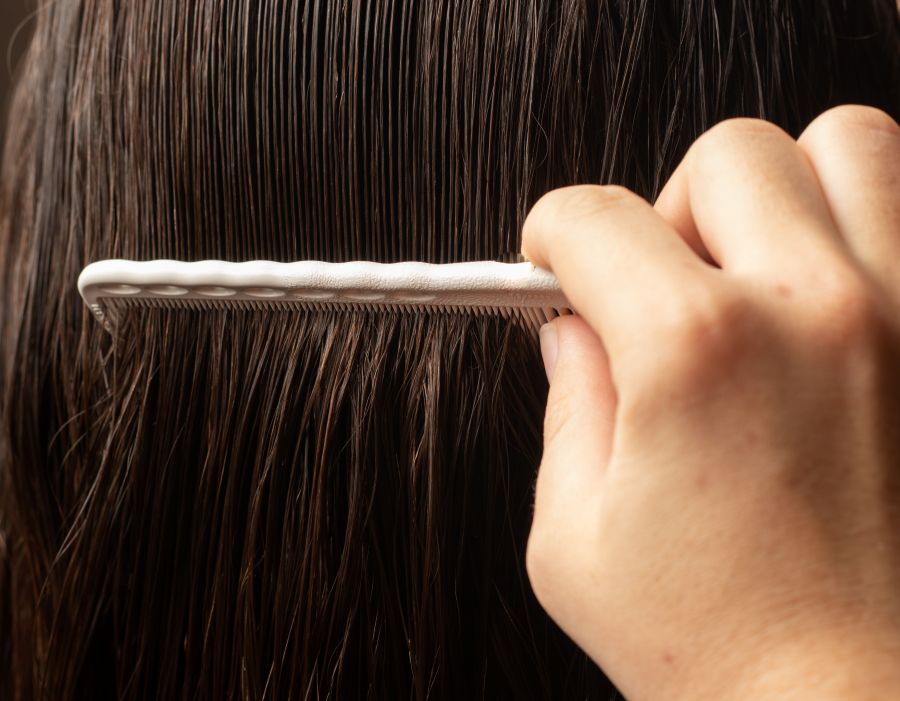
Experts are currently unsure of the exact cause of seasonal hair shedding or why it varies from person to person. However, several factors are believed to play a role.
While it’s a normal process, shedding hair – no matter how much – can sometimes be distressing. For this reason, taking time to understand the potential causes of hair shedding can help to put your mind at ease and empower you to take steps to support your hair health.
We’ll explore this below.
Hormonal shifts
Hormones, such as cortisol, testosterone, and progesterone, act as chemical messengers in the body and play a key role in several key processes – including the hair growth cycle.
We know from research that hormones naturally fluctuate with the seasons, which may explain why our hair changes at different times of the year. For example, reproductive hormones like oestrogen and testosterone tend to be higher in the summer, while stress hormones like cortisol typically peak in winter.
Having high cortisol levels has been linked with increased hair shedding, while lower oestrogen has been found to shrink hair follicles and cause more hair to enter the resting and shedding phases of the growth cycle.
That said, seasonal changes aren’t the only thing that can affect hormone levels. Various other factors, such as menopause, genetics, and medical conditions like thyroid disease, can play a role. For example, many women experience hair loss as a result of hormonal changes during menopause – specifically drops in oestrogen; and research has confirmed the role of genetics in how sensitive hair follicles are to hormonal shifts.
For this reason, if you’re experiencing significant hair loss, it’s important to speak to your GP to explore potential underlying causes.
Environmental factors
There’s evidence that environmental factors, such as changes to temperature and sunlight exposure, may play a role in seasonal hair shedding. Specifically, changes to the environment may cause more hairs to enter the resting phase of the hair growth cycle earlier in the year, resulting in increased shedding a few months later.
Some experts believe this may be part of an evolutionary response to our environmental changes. Proponents of this theory suggest that we grow more hair in the summer to protect our scalps from the sun, before naturally shedding more of it when the cooler months roll around.
Other factors are also worth considering, such as higher exposure to UV rays during summer, which can cause hair and scalp damage, making us more prone to shedding later on in the year. Similarly, seasonal activities, such as swimming in the sea or chlorinated pools, can weaken hair strands and strip away natural oils – leaving hair dry, brittle, and more susceptible to breakage.
Stress
Research has identified a link between stress and hair loss. In this study, when mice were subjected to mild stress over many weeks, their cortisol levels increased and hair growth was reduced.
There’s evidence that high stress levels can cause more hairs than normal to remain in or enter the resting phase of the hair growth cycle, causing more hair to shed at the same time.
As a result, if you tend to feel more stressed at certain times of the year, there’s a chance this may contribute to hair shedding. For example, end-of-summer transitions, like returning to school or work, may introduce stressors that exacerbate shedding.
Diet
We know from research that diet plays a key role in hair health – with specific nutrients like iron, biotin, zinc, and vitamins A and C holding significant importance. For example, studies have linked vitamin A deficiency with sparse hair and iron deficiency is considered a major cause of hair loss.
It’s plausible then that, during summer, with all the BBQs, picnics, drinks, and ice cream, we might not always get the key nutrients our hair needs – leaving it more susceptible to breakage and shedding.
3 healthy hair tips

Seasonal shedding is normal, but research suggests that several factors can affect how much hair we lose.
While some of these, such as genetics and our environment, can’t be changed, there are other steps we can take to help reduce hair shedding and maintain healthy hair year-round.
We’ll explore some ideas below. For a more in-depth guide, head over to our hair care section.
1. Establish an effective hair care routine
Building a strong hair care routine is central to healthy hair.
For example, things like using effective conditioning products, going longer between hair washes, avoiding heat, maintaining a healthy scalp, and being gentle with your hair can make all the difference.
2. Eat more hair-healthy nutrients
Eating a healthy, balanced diet rich in hair-boosting nutrients can help to keep hair feeling healthy.
For example, in this study, consuming more biotin was found to improve hair growth, and in another study, people who suffered from hair loss experienced 34.5% more hair growth after taking vitamin E supplements for eight months.
Check out our article, 7 important vitamins and minerals for hair, skin, and nail health, to learn more.
3. Take steps to manage stress
Research shows that stress and hair loss are closely linked. For this reason, taking steps to manage your stress levels can make all the difference.
To learn more, check out our articles: 7 tips for coping with stress and anxiety and 9 simple stress-relieving activities.
Final thoughts…
If you’ve been noticing more hair loss recently, you’re certainly not alone. Seasonal hair shedding is a normal process and not usually something to worry about. While it typically resolves on its own, the good news is that there are some simple steps you can take to help reduce its impact.
For further reading, head over to our fashion and beauty section.
Do you have any experience with seasonal hair loss that you’d like to share? We’d be interested to hear from you in the comments below.
Francesca Williams is a senior lifestyle writer at Rest Less. She joined Rest Less in early 2021 after achieving a first-class degree in History at the University of Sheffield and qualifying as an NCTJ Gold Standard Journalist. Francesca is a qualified Level 3 Personal Trainer and writes across a range of lifestyle topics, specialising in health. In her spare time, Francesca likes to keep herself busy going to the gym, dancing, spending time with friends and family, and getting involved with her local church.
* Links with an * by them are affiliate links which help Rest Less stay free to use as they can result in a payment or benefit to us. You can read more on how we make money here.
Join the discussion
Read our full commenting terms and guidelines