
- Home
- Health
- Healthy Body
- 10 trending workouts for 2026
How does Rest Less make money
We make money through advertising and commission from affiliate links, which enable us to offer Rest Less as a free service to our users. The content on this page may use affiliate links, which track traffic from our website to a third party provider and enable us to receive a commission or payment from any traffic we refer.
* Affiliate links on this page have an * next to them. We place enormous importance on our editorial independence and the integrity of our content which means that we will never change how we write about something as a result of an affiliate link.
For many, the New Year is a time for self-improvement. Some might focus on cutting down on unhealthy habits like drinking or vaping, while others may prioritise money saving or shifting outlooks and attitudes.
However, year after year, lots of us look to the next 12 months to improve our physical health. In fact, a recent YouGov survey found that 23% of British New Year’s resolution-makers promised themselves to get fit or exercise more in 2026.
So, whether you haven’t exercised regularly in a while or you’re seeking fresh inspiration this year, you might be looking for new ways to get your heart pumping.
To help, we’ve used search data from Fresha, the world’s leading marketplace platform for the beauty, wellness, and self-care industry, to explore the 10 most popular workout types Brits are searching for this January.
1. Yoga
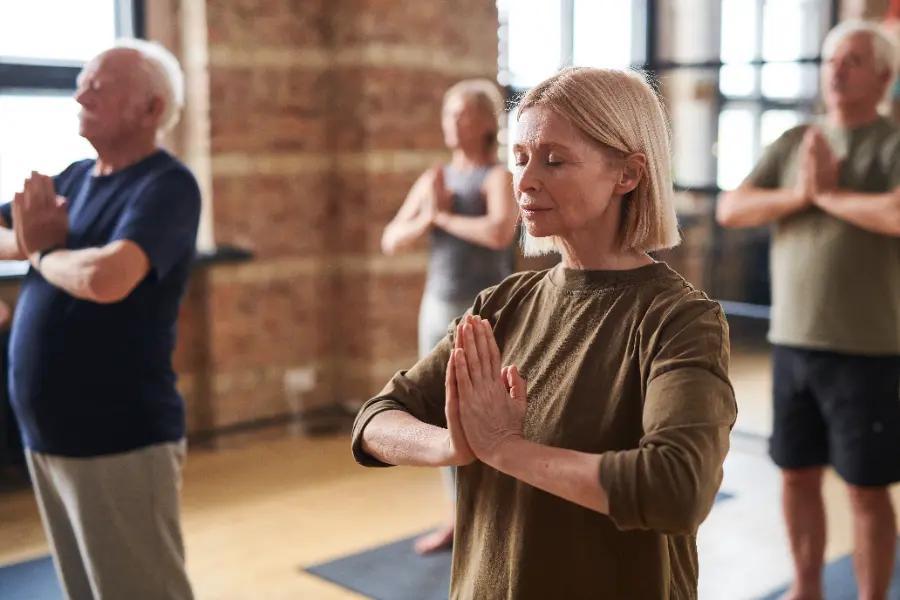
Topping the list of the most searched-for exercise types this January is yoga. With roots in Indian philosophy and combining spiritual and physical practices, it’s a great option for anyone seeking to boost their mental and physical health in 2026.
Some of the main benefits of this millennia-old discipline include stress reduction, improved strength and balance, increased flexibility, and better body awareness – though the exact benefits will depend on which type of yoga you choose.
Popular variations include hatha, a foundational style that focuses on static poses, breathwork, and meditation, and vinyasa, a dynamic yoga-type where poses flow from one to another.
To learn more about yoga and how to get started, check out our beginner’s guide or our list of 7 yoga trends to try. We also offer beginner-friendly online yoga classes over on Rest Less Events.
2. Pilates
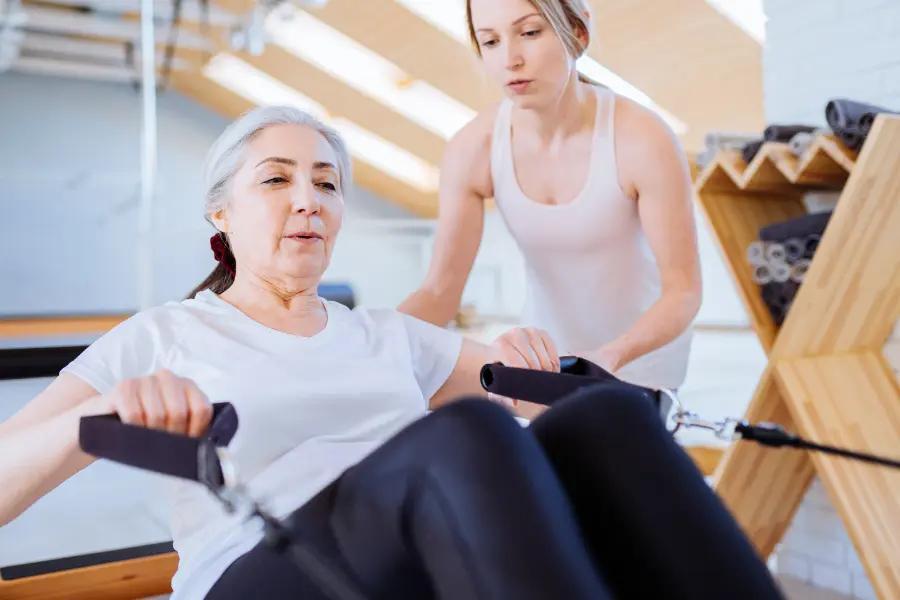
According to data from ClassPass, Pilates was the most-booked workout globally in 2025 for the second year running – and for good reason.
This low-impact, full-body workout is excellent for building core strength, which enhances posture, balance, stability, and generally supports almost every movement we do.
Pilates was invented by German boxer, circus performer, and personal trainer Joseph Pilates in the early 1900s. He developed his method for ‘Contrology’, as it was originally called, while interned as a prisoner of war on the Isle of Man in World War I.
Today, there are various types of Pilates to try, either at home without equipment or in one of the thousands of studios across the UK. However, the two main forms are mat-based (involving floor exercises on a yoga mat) and reformer (which uses a versatile, bed-like machine).
To get started at home, check out what Pilates classes are coming up over on Rest Less Events, or read our introductory guide to learn more.
3. Strength training
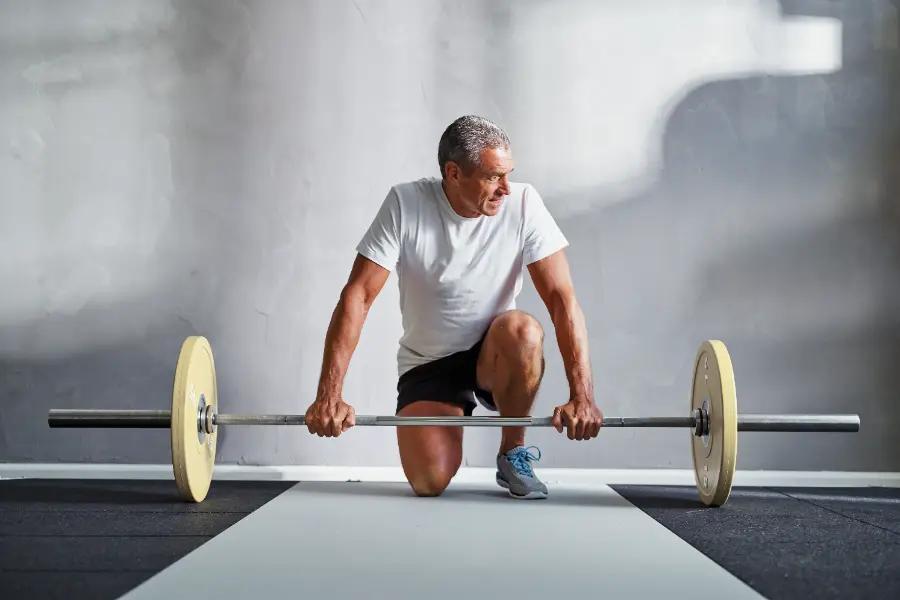
Strength training isn’t just for those looking to sculpt Schwarzenegger-esque bodies. The British Journal of Sports Medicine highlights that those who do some sort of strength training live longer, better lives. Specifically, researchers found that people who combine aerobic and muscle exercises are more likely to live longer than those who do one or the other.
This is partly because strength training can help combat the natural loss of muscle mass and strength that happens naturally with age (aka sarcopenia). By improving our muscle strength and mobility, we can reduce our risk of falls and injury and live independently for longer.
More good news is that you don’t have to lift weights or buy a pricey gym membership to reap these rewards. Strength training is any kind of exercise where you’re working against an opposing force – this could simply be using your own body weight or doing some resistance band exercises.
Check out these home strength exercises from the British Heart Foundation to get started. Or see what strength training classes are running over on Rest Less Events.
4. Couch to 5K
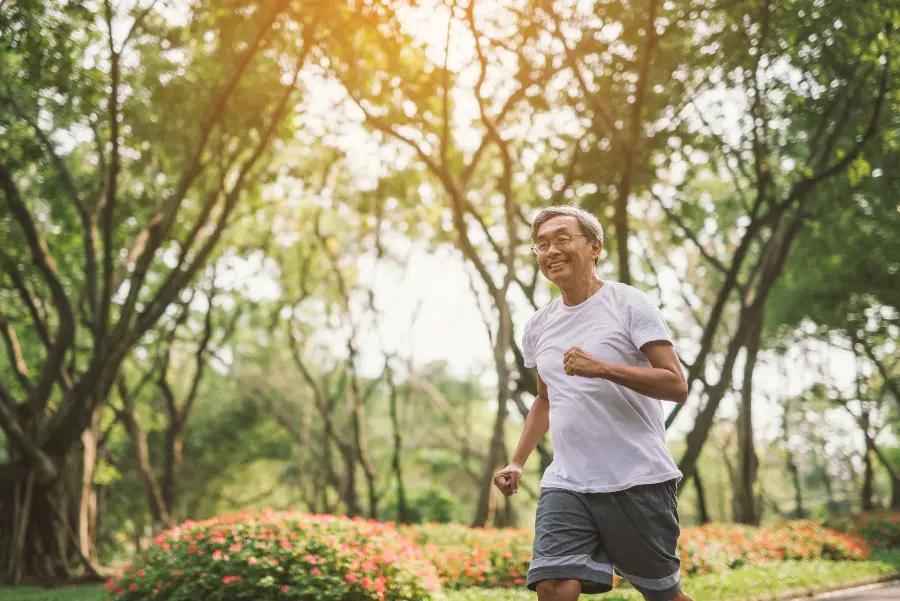
It’s no wonder that running is one of the most popular forms of exercise. It’s a great cardiovascular workout – improving heart, lung, and bone health, while helping us manage weight and delivering that euphoric runner’s high. But best of all, it’s accessible, as almost anyone can get outside and start jogging.
However, if you haven’t run much in recent years, the prospect of jogging even a short distance might seem daunting. That’s why this January has seen a rise in searches for ‘Couch to 5K’. Launched in 2016, this NHS program is designed to turn complete beginners into confident runners in just nine weeks.
To get started with Couch to 5K, just download the free NHS app. The plan begins with a mix of running and walking, with a trainer guiding you through each workout via your headphones. Each week, you’ll run a little bit more, building stamina and confidence until you can run 30 minutes without stopping.
Once you’ve completed the program, you can unlock access to the app’s ‘Beyond Couch to 5K’ feature, which will help improve your running further and build it into your routine.
5. Spin class
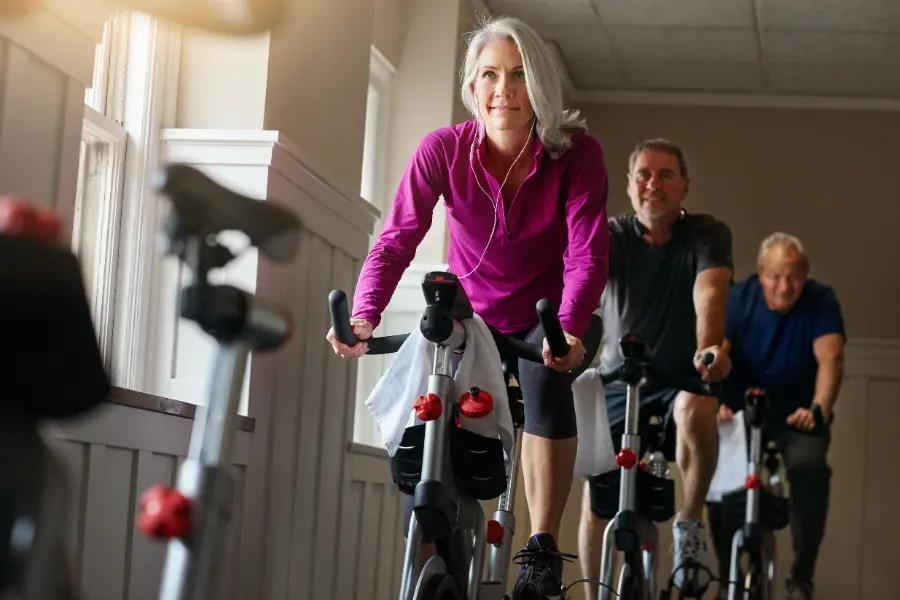
Spin classes have been popular for decades – and Fresha’s search data proves they’re still many people’s go-to workout. Using stationary bikes (and often accompanied by heart-pumping tunes), instructors lead participants through various speeds and resistances, simulating different terrains you might find while cycling outdoors.
This fitness phenomenon was developed in the 1980s by South African cyclist Johnny Goldberg after he was almost hit by a car one night while training on his bike. His goal was to create a safer alternative to cycling along busy roads.
Indoor cycling classes, as they’re also known, are famously challenging but equally rewarding. Depending on factors like your weight and the type of class you’re doing, spinning can burn anywhere between 400 and 600 calories per hour.
Regular spin classes are also great for building cardiovascular health (better than outdoor cycling, according to this study) and strengthening your core and legs. Plus, they’re easy on the joints and a social way to work out, which can be highly motivating and even lead to new connections.
To learn more, check out this beginner’s guide to spin classes from ClassPass.
6. HIIT
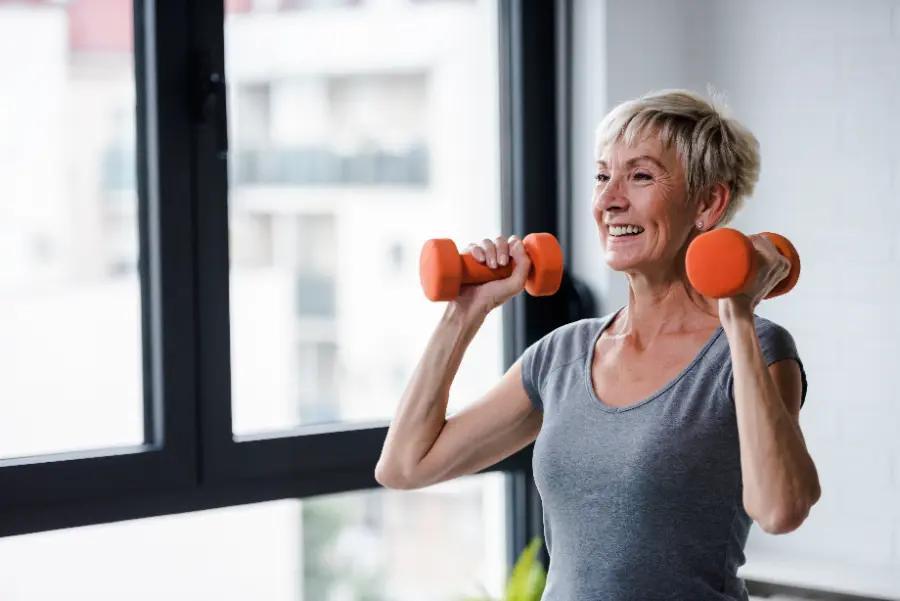
Next on the list is high-intensity internal training (commonly known as HIIT). This isn’t a specific exercise type. Instead, it’s a training style that you can apply to many forms of movement – from running and walking to rowing and callisthenics.
There are various styles of HIIT workouts, but at their most basic, they involve short bursts of high-intensity activity followed by recovery periods. Here’s an example of a basic 15-minute HIIT workout from PureGym…
- 40 seconds of burpees, followed by 20 seconds rest
- 40 seconds of squats, followed by 20 seconds rest
- 40 seconds of running on the spot, followed by 20 seconds rest
- 40 seconds of jumping jacks, followed by 20 seconds rest
- 40 seconds of lunges, followed by 20 seconds rest
- Repeat the above through three more times
The benefits of HIIT workouts are wide-ranging – but perhaps most impressive is that research shows they’re better at burning fat than traditional cardio sessions. This is because the high-intensity bursts of movement raise your metabolic rate for hours after exercise, so your body continues burning calories long after your workout has finished. Plus, HIIT workouts are generally shorter than other workout sessions, making them more convenient.
Have a read of this introduction to HIIT from PureGym to learn more.
7. Cold water swimming
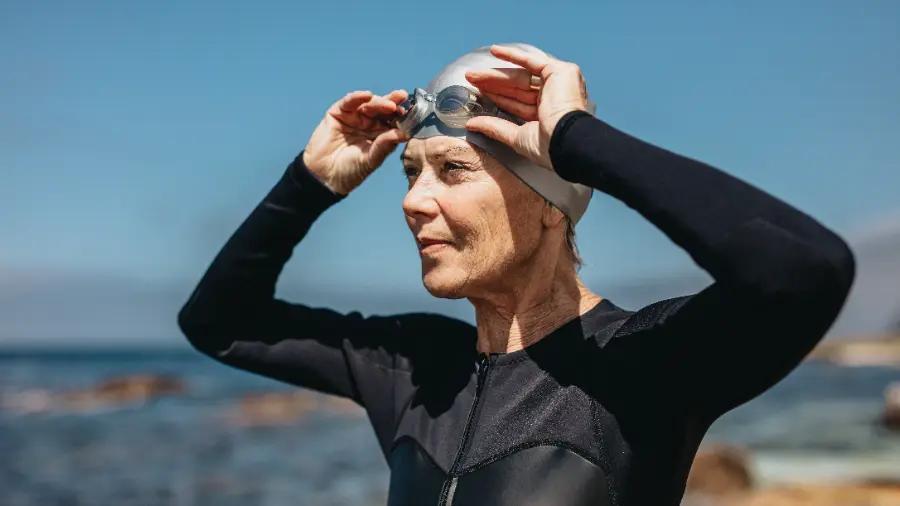
We all know that swimming is a great exercise – and this is especially true for older adults, so much so that it’s been called the closest thing to the “fountain of youth”. It’s a full-body workout that improves cardiovascular health, strengthens muscles, and boosts mental health, while being easy on joints.
But swimming in cold water environments, like reservoirs and the sea, has the potential to take these benefits even further.
According to research, cold water immersion may reduce muscle soreness after exercise, ease depressive symptoms, and boost immunity, while anecdotal evidence suggests taking an icy dip can improve circulation, deepen sleep, boost energy levels, and reduce inflammation.
Plus, there’s also the potential benefits of spending time in natural spaces, which range from reduced stress and anxiety to better heart health and cognitive function.
However, because research on cold water swimming is limited, try to take these possible benefits with a pinch of salt and do what feels right for you. Swimming in wild spaces in very low temperatures also poses various dangers. Check out this advice from the Royal National Lifeboat Institution to learn how to stay safe.
8. Home workouts
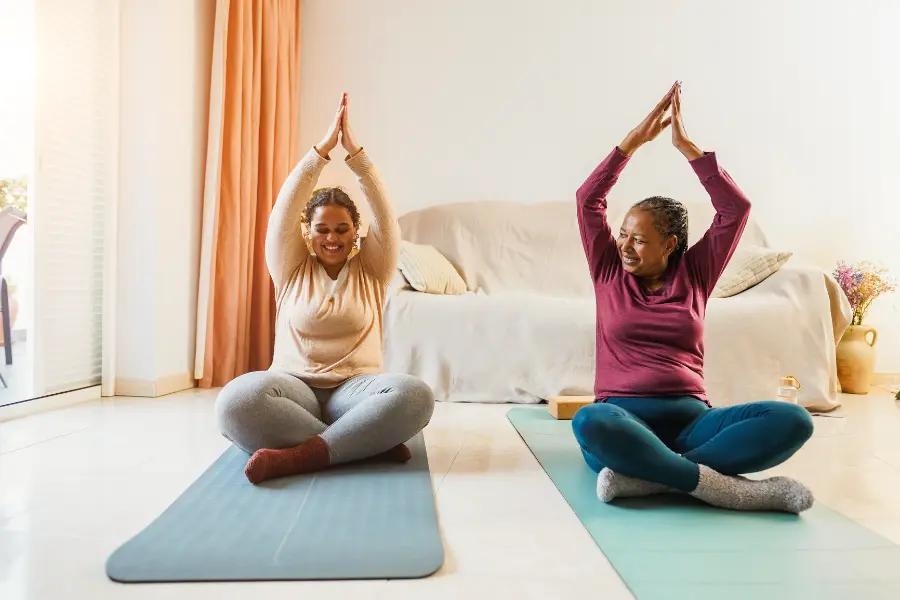
Whether you tuned in to online classes or put together your own fitness routine, the pandemic forced many of us to find new ways to keep fit from home. And while many of us have long since returned to the gym, track, pool, or wherever else you like to get moving, Fresha’s search data proves that people are still valuing home workouts.
This isn’t all that surprising, considering home workouts are convenient and don’t require a pricey gym membership. Plus, starting at home can offer beginners privacy if they’re a little daunted by the prospect of working out in public, helping them build confidence.
For ideas on how to get started, check out our articles: 5 steps to staying fit from home, 7 low-impact exercises you can do at home, and 11 best home gym equipment to boost your workouts.
9. HYROX training
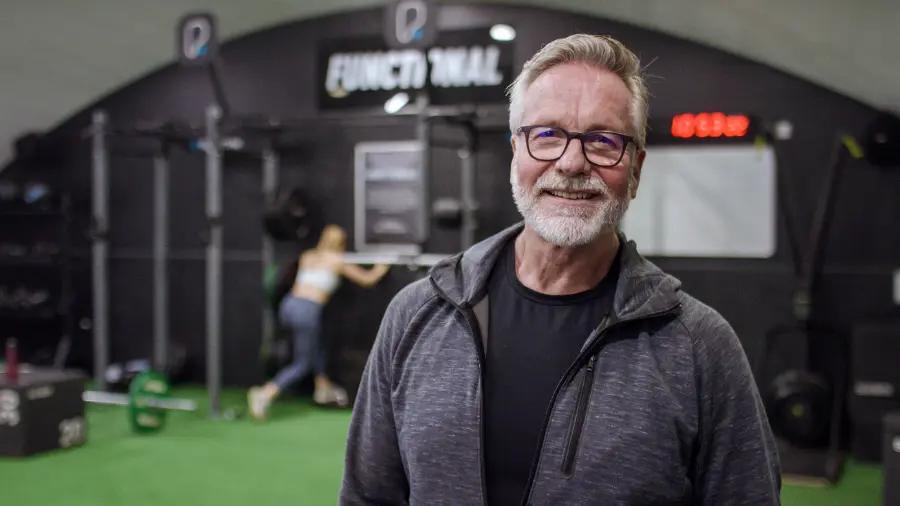
HYROX is an indoor race with eight legs, each featuring a one-kilometre run followed by a functional fitness exercise. They are…
- 1km on a Ski Erg
- 50m sled push
- 50m sled pull
- 80m burpee broad jumps
- 1km indoor rowing
- 200m farmer’s carry
- 100m sandbag lunges
- 100 wall balls
Since its creation in 2017, HYROX has exploded in popularity, drawing people of all ages and abilities. According to Sky Sports, over 1.3 million are expected to take part in the 100+ events worldwide during the 2025/26 season.
To find out more about HYROX and how to get started, check out our beginner’s guide. Or, for inspiration, why not read Heather and Allison’s story? Heather discovered HYROX later in life and qualified for the World Championships in 2024.
10. Hybrid training
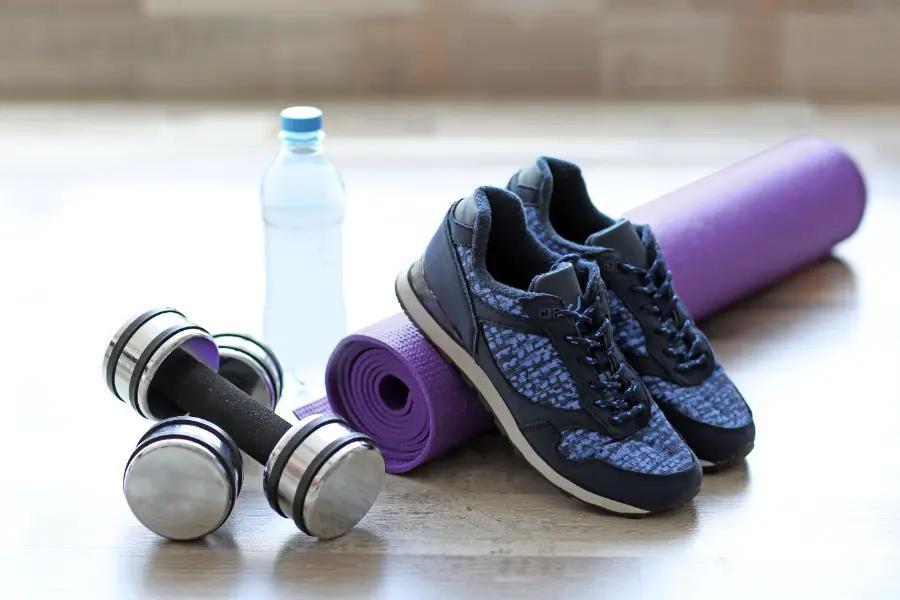
If you’re looking for an all-around fitness approach in 2026, this new trend might be for you. Instead of focusing on endurance training (through activities like running, swimming, or cycling) or limiting yourself to strength sessions in the gym, hybrid training involves merging the two to achieve a more well-rounded mix of strength and cardiovascular fitness.
Since hybrid training is a fitness philosophy, rather than a specific activity, it can involve whatever types of movement you enjoy, as long as you’ve got a good mix of strength and cardio.
For example, you might like to mix callisthenics with cycling, or keep it simple with long-distance running and weight lifting. You can even hybridise individual workouts (see an example from GQ here).
Aside from offering a more well-rounded approach to fitness, hybrid training can add welcome variety to your workouts, which can help you stay motivated. Check out this guide on hybrid training from The Fitness Group to learn more.
Final thoughts…
Sometimes, thinking outside the box and trying unique activities can be rewarding, but if you’re looking for a workout to stick to in 2026, there’s value in following the crowd.
Trying popular forms of exercise means joining a strong community of people who are on a similar fitness journey to you – so you won’t struggle to find classes, handy apps, workout buddies/mentors, and advice through online articles and videos.
Plus, if something’s popular, it’s often for a reason, so you’ll also be giving yourself a good chance of finding something you enjoy.
For more exercise inspiration, head over to our fitness section. Here, you’ll find plenty of ideas plus stories of over-50s smashing health goals.
Do you have a fitness-related resolution for 2026? We’d love to hear from you in the comments below.
Sam McLoughlin is a Senior Lifestyle Writer at Rest Less. He joined the editorial team in 2021 after completing his Master’s degree in English Literature, Culture, and Theory at The University of Sussex. He enjoys writing about careers, books, sports, travel, and pretty much anything that his editor will let him have a crack at, but his favourite part of the job is interviewing inspiring people – from activists and CEOs to later life career changers. In his spare time, Sam enjoys climbing, snowsports, and going to see live music.
* Links with an * by them are affiliate links which help Rest Less stay free to use as they can result in a payment or benefit to us. You can read more on how we make money here.
Join the discussion
Read our full commenting terms and guidelines