

- Home
- Health
- Healthy Body
- Two-week reset – fitness expert reveals how to rebuild strength after a cold, illness, or break
How does Rest Less make money
We make money through advertising and commission from affiliate links, which enable us to offer Rest Less as a free service to our users. The content on this page may use affiliate links, which track traffic from our website to a third party provider and enable us to receive a commission or payment from any traffic we refer.
* Affiliate links on this page have an * next to them. We place enormous importance on our editorial independence and the integrity of our content which means that we will never change how we write about something as a result of an affiliate link.
As one of the worst cold and flu seasons in years continues to sweep across the UK, many of us have been forced to take a break from our regular exercise routines.
And while it can be tempting to jump straight back into things when you start to feel better, this can do more harm than good. Experts remind us that our bodies need time to recover before they’re ready to return to intense workouts.
Here, Mark Harris, fitness expert at leading home-gym supplier, Mirafit, offers tips on how to return to exercise and rebuild strength safely after an illness. He explains how a structured ‘two-week reset’ can help gymgoers rebuild strength, restore energy, and return to consistent training safely, without risking fatigue, burnout, or relapse.
Mr Harris says, “A short reset now will help to prevent long setbacks later. It gives your body the time it needs to recover properly, and you’ll come back stronger, physically, mentally, and with better control over your training.”
The two-week reset – a smarter return to exercise
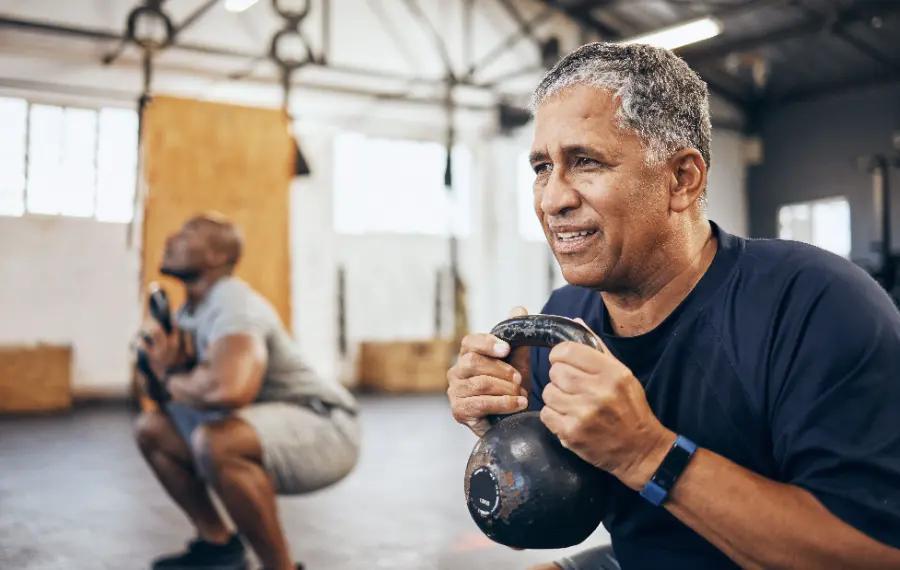
For many of us, returning to our normal routines is our main priority after being unwell. And, if you’re used to exercising often, it can be tempting to get straight back to it.
However, while the urge to make up for lost training time may be strong, research shows it’s best to ease yourself back in. For fitness expert Mark Harris, this involves a two-week reset.
Mr Harris says, “After a cold or the flu, it’s tempting to jump straight back into your usual training routine. But your immune system, muscles, and energy reserves are still recovering. Pushing too hard too soon can lead to fatigue, injury, or even set back your progress further.
“That’s exactly why I recommend following a two-week reset. It’s a short, structured plan designed to help you transition safely back into training, giving your body time to restore strength, coordination, and stamina without overloading the system. The first week focuses on movement and mobility, while the second gradually rebuilds strength and structure.
“The goal isn’t to push through; it’s to rebuild smart. You need to restore movement before you restore muscle, and focus on regaining momentum before chasing strength. When your body is fighting illness, it prioritises immune repair over muscle maintenance, so strength, coordination, and endurance can all dip in just a few days. That’s why a measured comeback is so important.”
So what does the two-week reset look like? We’ll explore Mr Harris’ top tips below.
Week 1 – recover and reconnect
Mr Harris says, “In the first week back, it’s all about easing your body into movement again. Start with gentle, low-impact activity such as walking, yoga, or mobility work, anything that helps increase circulation and improve joint range without adding unnecessary stress.
“I always recommend reintroducing bodyweight exercises like squats, push-ups, and glute bridges to wake up key muscle groups and rebuild basic strength patterns. Keep your effort level around 50% to 60% of your usual intensity, focusing on quality of movement rather than how much you can lift or how fast you can go.
“Hydration, good nutrition, and proper rest are just as important during this stage. Don’t chase performance, this first week is about restoring rhythm, improving movement control, and rebuilding confidence before progressing to heavier training.”
Week 2 – rebuilding strength and structure
“By week two, your goal is to start reintroducing resistance training, but gradually. Aim for around 60% to 70% of your usual weights so that you can focus on control, technique, and confidence rather than chasing personal bests”, Mr Harris says.
“Prioritise compound movements such as deadlifts, rows, and lunges to rebuild overall strength and coordination. These exercises engage multiple muscle groups at once, helping your body rediscover balance and power after time off.
“I also recommend slowing things down with controlled tempo work. This not only improves stability and form but also helps you reconnect with your body’s movement patterns before adding heavier loads.
“This phase is about rebuilding your foundation. Take the time to move well, lift with control, and rebuild stability; it’s what allows you to return to heavier training safely and perform at your best in the long run.”
5 tips for a stronger comeback
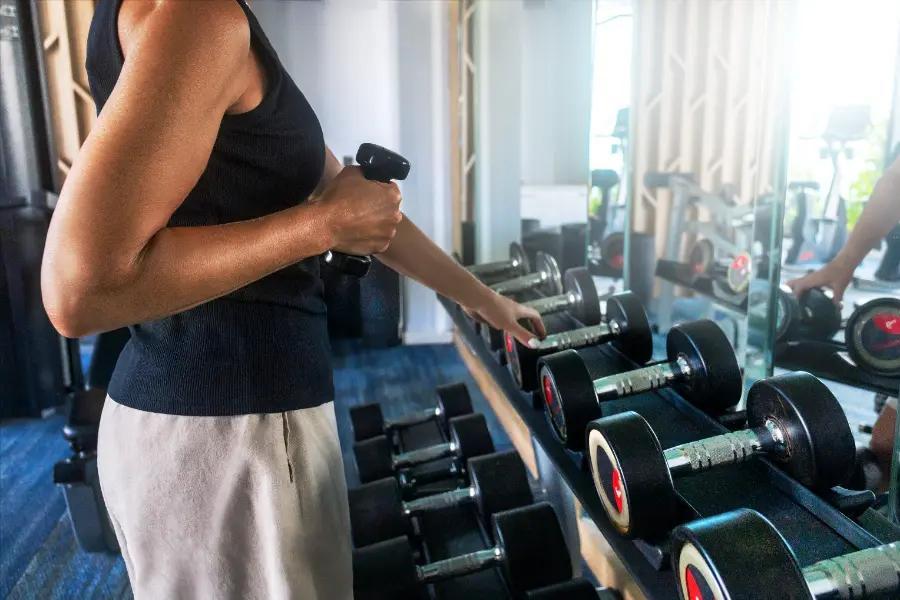
If you’re currently recovering from illness and looking to rebuild your strength, the tips below can help you get the most out of your two-week reset.
1. Warm up for longer than usual
Mr Harris says, “When you’re coming back from illness, your body isn’t as primed for movement as it usually is. Spend at least 10–15 minutes mobilising your joints and activating your muscles before lifting. Think dynamic stretches, resistance band work, and controlled movements.
“A longer warm-up improves circulation, loosens tight areas, and helps prevent injury when you start reintroducing weight.”
2. Eat with recovery in mind
Mr Harris says, “Nutrition is a huge part of your reset. Focus on lean protein sources like chicken, fish, or tofu to rebuild muscle, and include complex carbohydrates such as oats, rice, and whole grains for sustained energy.
“Colourful fruits and vegetables are key, too; they replenish the vitamins and minerals your immune system needs to fully recover. Don’t underestimate hydration either; even mild dehydration can affect performance and fatigue.”
Head over to our diet and nutrition section for more inspiration.
3. Stay consistent, not extreme
Mr Harris says, “After time off, people often feel pressure to make up for lost sessions, but that can backfire. It’s better to complete three or four lighter, focused workouts each week than to push through one exhausting session that sets you back.
“Consistency is what rebuilds your baseline fitness. Think of it as stacking small wins; each session gets you closer to where you were, without overloading your system.”
4. Track your recovery and progress
Mr Harris says, “Use your recovery markers as your guide, not your old training numbers. Keep an eye on your sleep quality, energy levels, and resting heart rate; these will tell you if your body is coping or if it’s still under stress.
“If you wake up feeling drained or sore for several days, take it as a signal to scale back slightly. Progress is about longevity, not just intensity.”
5. Rebuild confidence before chasing performance
Mr Harris says, “Your comeback isn’t about proving a point, it’s about reconnecting with your training routine.
“Use this time to refine your technique, move with purpose, and regain confidence in your strength. Every quality rep counts. When you focus on how you move, not just how much you lift, performance naturally follows. Progress, not perfection, should be the goal.”
For further reading, head over to our health news section.
Francesca Williams is a senior lifestyle writer at Rest Less. She joined Rest Less in early 2021 after achieving a first-class degree in History at the University of Sheffield and qualifying as an NCTJ Gold Standard Journalist. Francesca is a qualified Level 3 Personal Trainer and writes across a range of lifestyle topics, specialising in health. In her spare time, Francesca likes to keep herself busy going to the gym, dancing, spending time with friends and family, and getting involved with her local church.
* Links with an * by them are affiliate links which help Rest Less stay free to use as they can result in a payment or benefit to us. You can read more on how we make money here.
Join the discussion
Read our full commenting terms and guidelines