
- Home
- Health
- Healthy Body
- 8 ways to keep your knees healthy
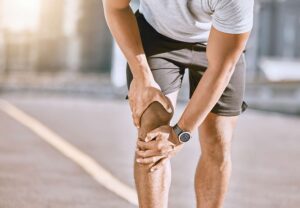
Our knees are the body’s largest joints, and we rely on them for almost all movement, including walking, running, jumping, and climbing. This means that, alongside factors like ageing, injury, weight gain, genetics, and osteoarthritis, it’s not unusual for knees to undergo wear and tear over the years.
While knee pain and stiffness can become more common with age, it doesn’t have to be inevitable. The good news is that there are steps you can take to help your knees stay as healthy as possible.
Here, we’ll cover eight ways to protect and care for your knees.
How do our knees change with age?

With each step we take, our knees fight against gravity and absorb pressure. People of any age can experience knee pain, but mature adults are generally more at risk.
This is because knee cartilage gradually breaks down throughout our lives, which can weaken muscles and ligaments. Together, these factors can increase the risk of knee injury, pain, and/or swelling.
What other factors can affect knee health?

Alongside ageing, several other factors can impact knee health. This includes genetics, activity levels, and previous knee injuries like bursitis, tendinitis, and fractures. Even if an injury occurred a long time ago, there could be long-term damage to bones, joints, muscles, and ligaments.
Some of the most common knee problems and symptoms include pain, swelling, redness, stiffness, weakness, popping or crunching sounds with movement, and an inability to fully straighten your leg.
According to the NHS, a type of knee pain called patellofemoral pain syndrome (or runner’s knee) is one of the most common conditions. It occurs when the kneecap rubs against the thigh bone during movement, and is thought to affect around a quarter of all adults at some stage. It’s usually caused by overuse of the leg.
Knee pain can also be an issue for those with osteoarthritis because the condition is associated with deterioration of cartilage in the knee joint.
8 ways to keep your knees healthy

So, what can you do to improve your knee health?
We’ll cover some ideas below…
1. Maintain a healthy weight
Being overweight increases knee pressure and can speed up the breakdown of cartilage. Recent research also suggests that weight fluctuations can lead to cartilage damage, particularly around the knees.
Plus, it’s estimated that a force of nearly three to six times a person’s body weight is placed on the knee while walking. This means being only 4.5kg overweight can increase pressure on the knee by between 13 and 27kg with each step.
According to experts, this makes overweight women nearly four times more likely to develop knee osteoarthritis, and overweight men five times more likely.
If you’re looking to lose weight healthily, you’ll find plenty of tips in our diet and nutrition section. This includes guides on popular diets and articles such as 10 tips for healthy eating out and 15 quick and easy diet swaps for a healthier lifestyle.
2. Add low-impact exercise to your routine
It can be tempting to avoid exercise if you’re struggling with knee pain. But this can be counterproductive, as studies have found certain types of exercise to be beneficial for maintaining healthy joint function, reducing knee pain, and improving strength and range of motion in the knees.
Low-impact exercises can help us stay active without placing too much pressure on joints.
Examples of low-impact exercises include rowing, swimming, yoga, Pilates, and walking netball or football. For more ideas, check out our articles: 15 low-impact exercises and 7 low-impact exercises you can do at home.
3. Work on strengthening the muscles around your knees
Strengthening the muscles that surround your knee joint can be beneficial for knee health.
This is because having stronger muscles reduces the amount of pressure and strain placed on the knees. Ultimately, the stronger your legs are, the more they can help cushion your knees during movement.
Some of the most beneficial areas to work on for knee health include the outer, middle, and inner thigh muscles, and resistance training is an effective way to do so.
You can build strength at home or in the gym with minimal equipment. For more information on how to get started, check out our articles: The importance of building strength and balance in your 50s and 60s and 12 tips to help you get started at the gym.
4. Improve your posture
Having good posture is about keeping your spine in neutral alignment. When your spine is aligned, the rest of your body follows.
Good posture puts us in a better position to improve flexibility and build strength and balance – all of which can significantly impact the stress on joints. Research has also found that good posture keeps joints lubricated, helping prevent stiffness and pain.
If you’d like to get started, why not give these 5 exercises to help improve your posture a go?
5. Eat a joint-friendly diet
Diet can be a powerful tool for knee health. Various nutrients – including vitamins A, C, D, and K, calcium, and omega-3 fatty acids – have been found particularly beneficial for joint health. Examples of foods rich in these nutrients include fatty fish, walnuts, ginger, broccoli, spinach, and olive oil.
For example, studies show that broccoli’s vitamin C content is important for protecting and creating cartilage, which is essential for allowing bones to glide over one another smoothly.
Research has also revealed that people who eat higher amounts of omega-3 fatty acids are less likely to develop rheumatoid arthritis – a condition that commonly affects the knees.
Meanwhile, alcohol, added sugars, red meat, refined carbohydrates, and processed, fried, or high-fat foods have all been found to negatively affect knee health. Take this study, which found that higher consumption of processed food was linked with overall arthritis and rheumatoid arthritis.
For more information on how to tailor your diet to boost knee health, check out our articles: 10 best foods for healthy joints and which to avoid and 12 of the best foods for bone health.
6. Stretch regularly
Very few of us take the time to stretch regularly, but there are many benefits to doing so.
Stretching the muscles that support your knees helps improve mobility across the entire joint. According to research, stretching can improve overall knee health and help prevent common types of knee pain.
Experts recommend focusing on stretching your quadriceps, hamstrings, hips, glutes, and core. For tips and ideas on adding stretching into your routine, Verywell Fit has a useful list of 10 knee stretches for maximum mobility.
Note: Many people assume it’s best to stretch before exercising, but it’s also important to warm up slowly before stretching. This will help to increase blood flow to the muscles and reduce the risk of injury.
7. Invest in the right shoes
Wearing flimsy and unsupportive shoes can place unnecessary strain on your knees.
Running and athletic shoes designed to provide joints with cushioning and support, and keep your feet in alignment, are generally good options for knee health. However, there are several things to look out for, as research has suggested that not all specialist sports shoes deliver what they promise.
For example, this study found that patients with knee osteoarthritis experienced no difference in levels of knee pain between walking in regular trainers and enhanced athletic shoes.
As a general rule of thumb, experts advise wearing shoes that are flexible and bendable. This is because ones that are too stiff can restrict the foot’s range of motion. As this study found, when people with knee osteoarthritis wore specially made mobility shoes that mimicked walking barefoot, their walking style changed in a way that improved load on the knee – even when the shoes were no longer worn.
On the other hand, it’s best to avoid shoes like stilettos and other high heels. This study found that high heels place more pressure on your knees than standing barefoot. Other dress shoes with slightly elevated heels (such as pumps or wedges) have also been found to put more strain on knees and are advised to be worn in moderation.
That said, it’s always worth getting an expert opinion, as everyone will have slightly different needs. This is particularly true if you suffer from compounding issues like plantar fasciitis, wide feet, flat feet, or back pain.
8. If necessary, wear a knee brace when exercising
Wearing a knee brace can be a useful tool for protecting your knees during exercise because it helps take weight off the joint.
A good knee brace should provide a certain amount of compression and improve blood flow around the knee. Better blood flow helps ensure the synovial membrane in the knee receives a steady supply of oxygen, nutrients, and synovial fluid, which is important for keeping the knee joint lubricated during movement.
Wearing a knee brace can be particularly beneficial for people who play sports with lots of movement. This is because quick movements the body isn’t ready for can increase the risk of knee injury; for example, lunging forward to hit a quick return in tennis.
There are several different types of knee braces, and finding the right one for you will depend on a couple of factors. For guidance on what to look out for, check out this article from Health.
Note: It’s important not to wear a knee brace for unnecessarily long periods because it can cause other issues, like skin irritation. It’s also worth speaking to your GP if you’re not sure which type of knee brace is right for you, or are unsure whether you should wear one.
Final thoughts…
The knees are the body’s largest joints and are responsible for almost all movement, so it’s important to take care of them.
While knee issues are fairly common, simple changes, such as wearing supportive shoes, improving your posture, and introducing small diet swaps, can make all the difference.
For further reading, head over to our general health section. Here, you’ll find information on everything from immune health to important health checks.
Francesca Williams is a senior lifestyle writer at Rest Less. She joined Rest Less in early 2021 after achieving a first-class degree in History at the University of Sheffield and qualifying as an NCTJ Gold Standard Journalist. Francesca is a qualified Level 3 Personal Trainer and writes across a range of lifestyle topics, specialising in health. In her spare time, Francesca likes to keep herself busy going to the gym, dancing, spending time with friends and family, and getting involved with her local church.
* Links with an * by them are affiliate links which help Rest Less stay free to use as they can result in a payment or benefit to us. You can read more on how we make money here.
Join the discussion
Read our full commenting terms and guidelines