- Home
- Health
- Healthy Body
- 7 ways to make driving at night more comfortable
Sponsored content
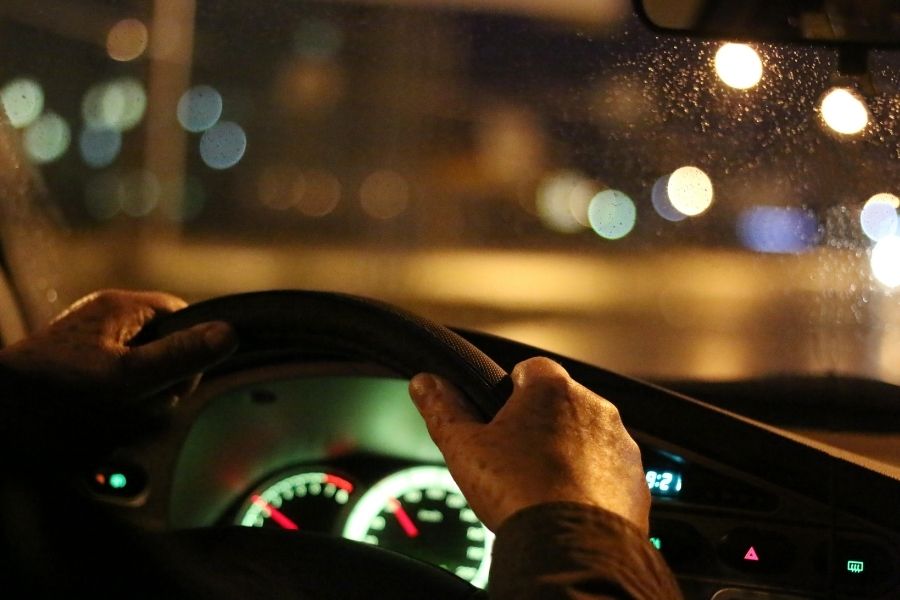
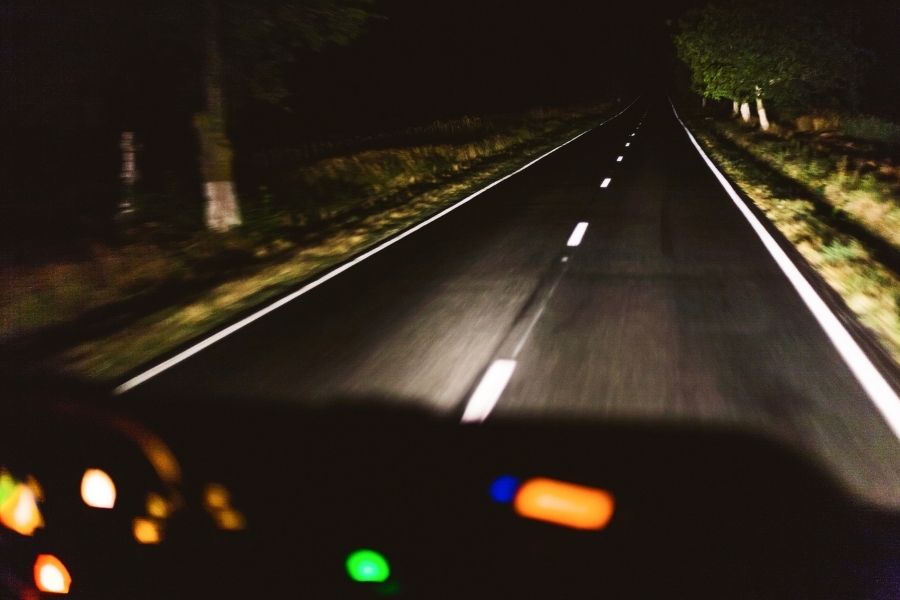
Naturally, driving at night is more visually demanding than driving during the day. Tiredness, lower light levels, glare from bright headlights, and reflections from wet roads can make it more difficult to see clearly.
Many people also find that nighttime driving becomes trickier with age due to changes in the eyes. However, experts say worsening night vision shouldn’t simply be dismissed as a part of ageing – and that if nighttime driving has become noticeably more difficult, it’s worth booking an eye test to check your vision and eye health and mentioning this to your optician.
You might want to consider booking Boots Opticians’ Ultimate Eye Test, which combines a standard eye exam (including a Dry Eye Evaluation) with an OCT eye scan and an Optomap eye scan. The scans cost extra compared with the Essential Eye Test, but they’re quick, painless, and capture a single image of each eye. They give a fuller picture of your eye health and can detect conditions that a standard exam alone might miss.
Below, we’ll look closer at why nighttime driving can be more difficult, why booking an eye test is so important, and what else you can do to make your driving experience more comfortable.
Why is it more difficult to drive at night?
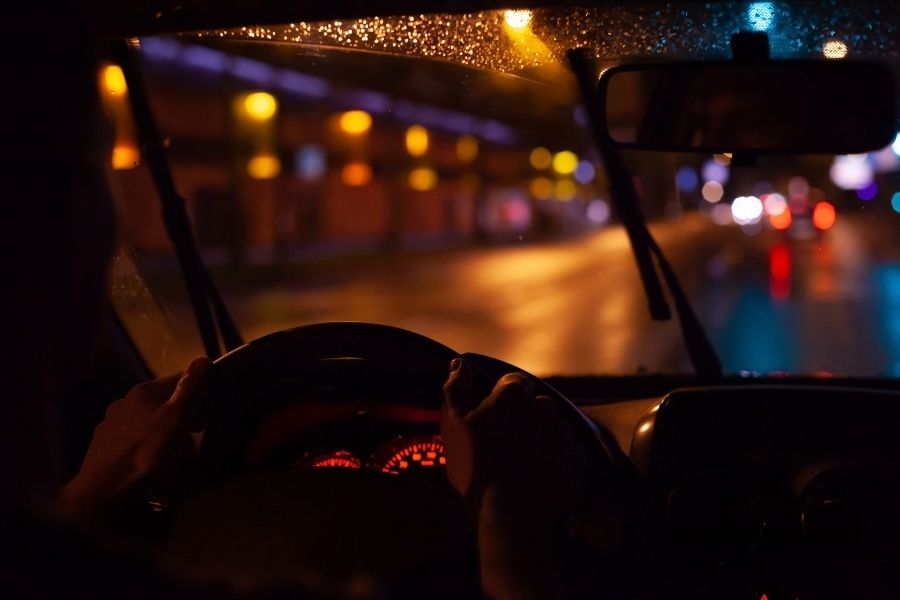
We all know nighttime driving can be challenging, but fewer of us probably know exactly why this is – and there can be several factors at play.
The first is that lower light levels mean your eyes have less contrast to work with, making road markings, pedestrians, cyclists, and signs trickier to distinguish. And wet roads can cause reflections and glare from headlights and streetlamps that distort vision and make things appear blurry.
According to Boots Opticians, it’s also common for out-of-date prescriptions to be particularly noticeable at night, when visibility is reduced – particularly if you struggle with conditions like astigmatism and short-sightedness.
As we mentioned, age can be a factor, too, and make us more susceptible to vision changes and other eye conditions because of natural shifts in the structure of the eyes. For example, a stiffening of the lens (presbyopia) can make it more difficult to focus on close objects, while smaller, less responsive pupils can dilate less in the dark.
Note: Tiredness can impact your vision and responsiveness to hazards, so it’s important to take regular breaks somewhere safe if you’re feeling sleepy while driving.

Free eye tests start at 60
Free NHS eye tests are available for anyone aged 60 or over, the NHS recommending having one every two years or sooner if recommended by your optician. You can also save on frames when you visit: 10% off your first pair, half price on any additional pairs, and a third pair free^.
^Over 60s Discount: 10% discount will be applied when you purchase a complete pair of glasses or prescription sunglasses. You will need a valid prescription. Valid on 1st pair only and can be used with our half price additional pairs offer but not in conjunction with any other offer or discount. Offer excludes our lowest full price Boots brand prescription glasses, ready-made reading glasses, re-glazes and safety eyewear. Discount is only available to customers aged 60 or over. Discount is not transferable, cannot be used retrospectively and no cash alternative is available. Prices & discounts may vary between Boots Opticians stores.
7 ways to make driving at night more comfortable
If you’ve noticed changes to your nighttime vision recently, there are things you can do to help make driving at nighttime more comfortable.
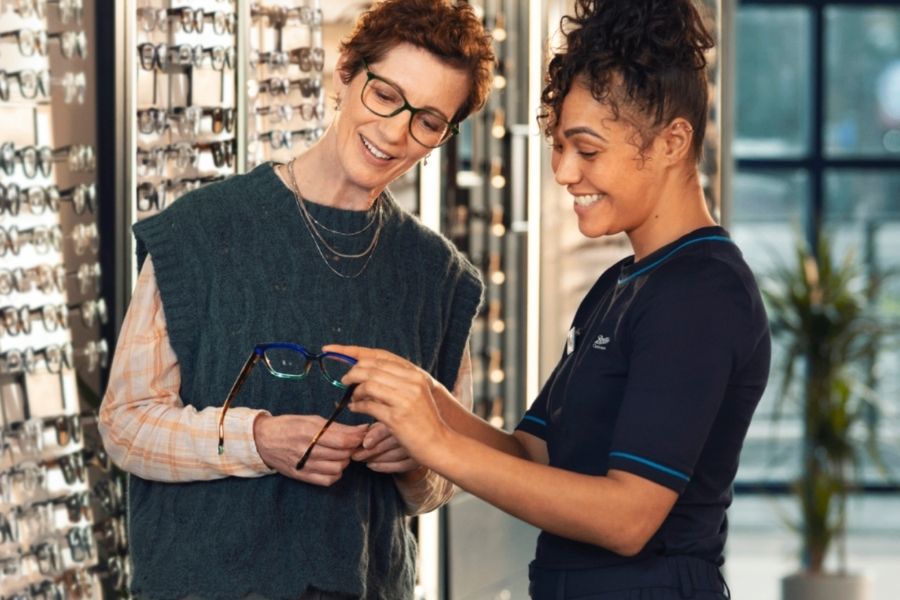
1. Book an eye test and make sure your prescription is up to date
As we’ve mentioned, if you’ve been struggling with nighttime driving or you’re experiencing other vision issues, it’s important to book an eye test. According to Boots Opticians, this is particularly key if you’ve noticed blurred vision, persistent glare, halos around headlights, or are having difficulty reading road signs, as these things pose a safety risk to you and others.
An eye test can help identify issues with your eye health, assess whether your current prescription needs updating, and recommend suitable options, such as glasses, contact lenses, or lens treatments.
Boots Opticians’ Ultimate Eye Test is their most comprehensive eye test, combining their Essential Eye Test with an OCT scan and Optomap ultra-wide retinal imaging. While these scans cost extra, they provide a more detailed assessment of your eye health.
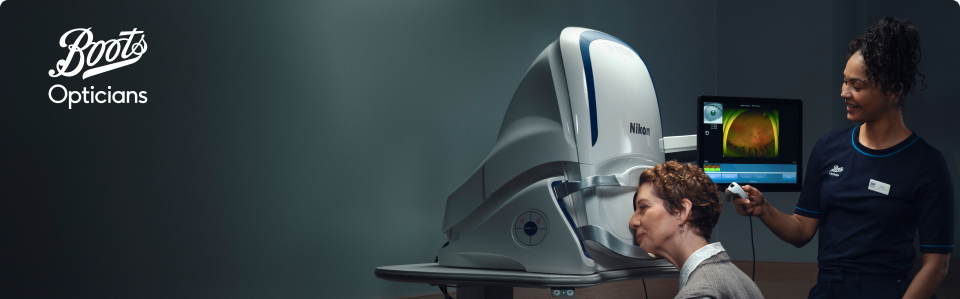
While conventional scans allow optometrists to view only 15% (a 45-degree area) of the retina at a time, Optomap captures up to 82% (a 200-degree area) in a single photograph. It’s quick, non-invasive, and painless. You simply look into the device, one eye at a time, and a brief flash of light captures an image of your retina, similar to having a photograph taken.
Optomap is available at selected stores. You can book your eye test online today and request to upgrade to an Ultimate Eye Test when in-store.
Note: It’s important to have regular eye tests, regardless of whether you’re experiencing symptoms. Eye tests can help spot silent conditions like cataracts and glaucoma early, when treatment is most effective.
The eye is the only place in the body where blood vessels can be viewed directly, which can provide important insights into your overall health. Check out our article, How your eyes work and what eye tests can reveal, to learn more.
2. Consider whether driving lenses could be right for you
When we’re on the road, our eyes are constantly adjusting between different distances – from the road ahead to your mirrors and dashboard. Throw a change of light into the mix, and it becomes even more challenging. So, if you spend a lot of time behind the wheel, the right lenses can make all the difference.
According to Boots Opticians, there isn’t a single best lens for nighttime driving – the right choice depends on your prescription, lifestyle, driving habits, and visual requirements. That said, if you regularly drive in the dark, it’s worth speaking to your optician about driving-focused lenses.
One option available at Boots Opticians is ZEISS DriveSafe lenses. ZEISS DriveSafe lenses are designed to help you see comfortably in all driving conditions, particularly at night and other difficult light conditions, while still being suitable for everyday wear.
Combining ZEISS Luminance Design technology with a DuraVision DriveSafe UV coating, ZEISS DriveSafe lenses help reduce glare by reflecting the light wavelengths that can be particularly aggravating for our eyes – making it easier to change focus between the road, dashboard and mirrors.
In this study, 82% of people felt more confident driving in all weather conditions when wearing ZEISS DriveSafe lenses – and 94% were satisfied with them for everyday tasks.
The coating also makes your lenses more scratch-resistant and durable, while helping to keep them clean and clear. Your optician will be able to help you decide whether a driving-focused lens is suitable for you.
3. Keep your glasses clean and clear
When dirt, dust, or facial oils build up on lenses, they catch the light from streetlights and car headlights, which can increase glare and significantly reduce contrast, making it more difficult to see clearly in dark conditions.
For this reason, cleaning your glasses can make all the difference to how well you see when driving at night. It can help prevent oncoming headlight beams from scattering into distracting light streaks, halos, and blind spots.
It’s important to clean your glasses properly to make sure they remain fully transparent and free from micro-scratches that distort light. Among other things, experts recommend using a microfibre cloth and some glasses spray or a lens-cleaning wipe. It’s important to avoid using tissues, paper towels, or clothing, which contain abrasive fibres that can scratch lenses.
If your glasses tend to fog up in the car, you might find specialised products like ZEISS AntiFOG useful.
4. Keep your windscreen clear
Just as dirty lenses can make nighttime driving tricky, so can a dirty windscreen. Smudges, streaks, and condensation can all scatter light and create dangerous nighttime glare.
A microfibre cloth and dedicated glass cleaner are the most effective solution – remember to clean both inside and outside. If your windscreen continues to look grubby, it’s worth cleaning your wiper blades, too, or replacing them if they’re worn and streaky.
5. Avoid looking at headlights directly
Another practical tip to help with nighttime driving is to avoid looking directly at oncoming headlights. Our pupils naturally dilate in the dark to let in more light, so – as you might expect – bright white or blue LED headlights shining straight in your eyes can impact vision and cause eye fatigue.
According to experts, positioning your gaze towards the left-hand side of the road and using the nearside curb or painted white road lines as a guide can help you remain safely in your lane. If there are no clear road markings, try looking toward the bottom of the oncoming vehicle’s bumper, rather than its lights or windshield.
6. Limit interior lighting
Having bright interior lights or dashboard displays in your car causes your pupils to shrink. This means your eyes need time to re-dilate and adjust every time you look back out onto a dark road, and you might temporarily struggle to see hazards outside.
As a result, turning down the brightness of your dashboard and interior lights to their lowest comfortable setting can make a big difference to your vision and comfort levels.
If you use navigation or reading lights when driving at night, choosing red or amber LEDs instead of white lights can help. Red light has a longer wavelength, which means it preserves dark adaptation more effectively than white or blue light.
7. Be cautious of using generic nighttime glasses
If you’ve been in the market for nighttime driving products, you might have come across glasses sold for their ability to improve nighttime vision. However, experts say it’s important to be cautious about using generic nighttime glasses, particularly yellow-tinted glasses often marketed for nighttime driving.
According to Boots Opticians, there isn’t substantial evidence that yellow-tinted nighttime driving glasses improve vision – and the RAC even notes that, in some instances, yellow tints may actually worsen visibility.
Among other things, yellow tints block a whole section of the light spectrum, reducing overall brightness and making pedestrians or dark hazards difficult to spot.

The eye test that sees more
A standard eye scan only shows approximately 15% of your retina in a single image capture. Boots Opticians’ optomap scan captures up to 82% of your retina in a single flash of light – helping spot signs of diabetes or high blood pressure.
Optomap® available in selected stores. Additional charges from £50 may apply.
Final thoughts…
Driving at night is naturally more challenging than driving during the day, and it’s common to find your nighttime vision changes with age, too. Luckily, from specialist eye tests to carefully curated driving lenses, there are various things that can help make nighttime driving more comfortable.
If you’ve been experiencing headlight glare or find low-light driving difficult and are considering driving glasses, nighttime driving glasses or anti-glare lenses for driving, or if you have any other unexpected eye symptoms, it’s important to book an eye test.
For an additional charge, Boots Opticians’ Ultimate Eye Test combines a standard eye test with an OCT scan and Optomap technology to give a complete picture of your eye health and detect health conditions that other scans might miss.
Francesca Williams is a senior lifestyle writer at Rest Less. She joined Rest Less in early 2021 after achieving a first-class degree in History at the University of Sheffield and qualifying as an NCTJ Gold Standard Journalist. Francesca is a qualified Level 3 Personal Trainer and writes across a range of lifestyle topics, specialising in health. In her spare time, Francesca likes to keep herself busy going to the gym, dancing, spending time with friends and family, and getting involved with her local church.
* Links with an * by them are affiliate links which help Rest Less stay free to use as they can result in a payment or benefit to us. You can read more on how we make money here.