

- Home
- Health
- Healthy Body
- 3 ways to reduce your risk of osteopenia
Osteoporosis is a common health concern in later life. According to the NHS, it affects over three million people in the UK – with over half of women aged 50+ and one-third of men aged 60+ experiencing an osteoporosis-related low-trauma fracture. Low-trauma fractures occur from forces that wouldn’t typically cause a break, such as a fall from standing height or less.
As a result, most people want to do what they can to boost their bone health and reduce osteoporosis risk. The good news is that even if you have osteopenia – the stage before osteoporosis, where bones are becoming weaker – it’s entirely possible to reverse it with lifestyle changes.
With that said, we’ll look more closely at what osteopenia is, including key risk factors and steps you can take to build bone strength and reduce your osteoporosis risk.
Advertisement
HMCA private medical cover offers affordable, flexible plans, with 92%^ of members saving money when they switch. Enjoy peace of mind. Join today and get £150 off your subscription.
^Based on data provided by members who joined HMCA between 1 January 2026 and 30 April 2026.
What is osteopenia?
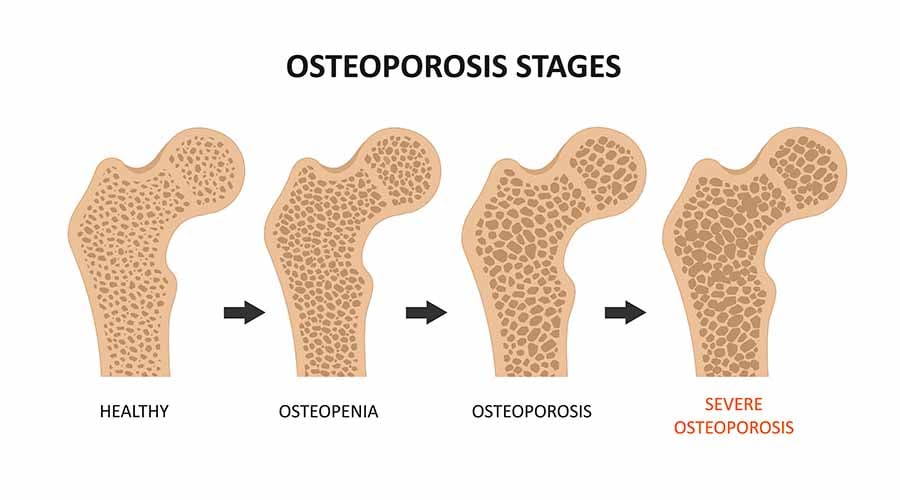
Osteopenia is a condition in which bone mineral density is lower than normal, but not low enough to be classified as osteoporosis. Bone mineral density refers to the amount of minerals (mainly calcium and phosphorus) contained in a certain amount of bone tissue.
Though encased by a hard shell, the inside of our bones is full of lots of small holes, resembling honeycomb. While these holes are perfectly healthy, if your bone mineral density becomes too low, the holes can increase in size, making fractures much more likely.
While osteopenia is often a precursor to osteoporosis, it’s important to note that the condition doesn’t always lead to osteoporosis. This study found that 10% of women with moderate osteopenia transitioned to osteoporosis within five years. And research shows there are several ways to boost bone health and reverse osteopenia-related bone loss.
Osteopenia doesn’t usually cause symptoms, so most people remain unaware of the condition until it develops into osteoporosis and they experience a fracture. For this reason, it’s always worth taking steps to improve your bone health, regardless of whether or not you’re experiencing issues.
What causes osteopenia?
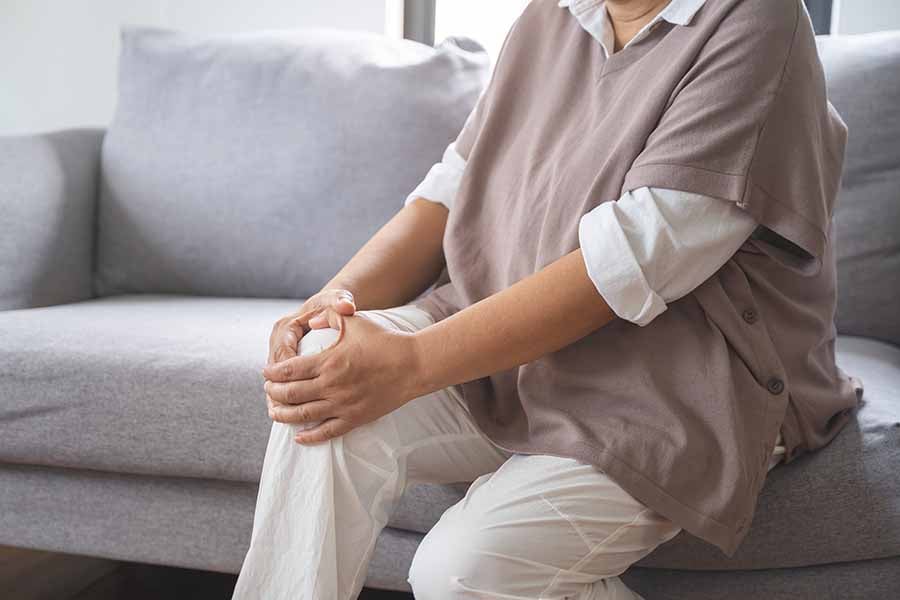
Anyone can get osteopenia. However, several factors can increase your risk. We’ll cover some of these below.
Age
Bone density naturally starts to decline from our late 30s, largely due to imbalances in the processes of bone breakdown and bone formation. Put simply, bones are broken down faster than new bone is formed.
For this reason, the risk of osteopenia significantly increases later in life. According to NICE, around 2% of people over 50 have osteoporosis, rising to almost 50% by age 80.
While age-related bone loss happens to everyone, the process is faster in some people than in others.
Being female
Women are far more likely to develop osteopenia than men. This is because bone loss is accelerated by hormonal changes that occur during menopause. Specifically, the female hormone oestrogen, which drops rapidly during menopause, is essential for healthy bones.
Men also tend to have bigger bones, which may help reduce the risk of fractures.
According to the NHS, women are at even greater risk of developing osteopenia (and therefore osteoporosis) if they have…
- An early menopause (before the age of 45)
- A hysterectomy (removal of the womb) before the age of 45, particularly if the ovaries are removed too
- Absent periods for six months or more as a result of over-exercising or extreme dieting
That said, osteopenia is by no means a female-only condition. Research shows that around one-third of white and Asian men over 50 are affected by osteopenia, as well as 23% and 19% of Hispanic and black men, respectively.
Family history
Having a family history of osteopenia or osteoporosis significantly increases your risk. According to the NHS, this risk is even greater if your mother or father has experienced a hip fracture.
This is because genetics plays a role in bone density and strength. For example, specific genes, such as COL1A1, are associated with a higher risk of fractures.
Sedentary lifestyles
Bones are formed of living tissue, so they get stronger the more we use them. As a result, being inactive can make bones weaker and increase your risk of osteopenia.
Certain health conditions
Certain health conditions, such as rheumatoid arthritis, hyperthyroidism, Crohn’s disease, and eating disorders (for example, anorexia nervosa and bulimia nervosa), may increase the risk of osteopenia.
Eating disorders and conditions like Crohn’s disease make it more difficult for the body to absorb essential nutrients. Meanwhile, inflammation caused by rheumatoid arthritis can be a direct cause of bone loss.
Smoking
Studies show that osteopenia and osteoporosis are more common among smokers than non-smokers.
Smoking is known to increase oxidative stress in the body, damage bone cells, and disrupt the balance of bone formation and breakdown – all of which can result in lower bone mineral density.
Excessive alcohol intake
Heavy alcohol intake is known to increase the risk of osteopenia by suppressing the activity of bone-forming cells and stimulating bone breakdown, leading to faster bone loss.
Certain medications

Worried your premium will rise if you make a claim?
At HMCA, claims don’t impact your premium, so you can claim with confidence. Whether you’re choosing private medical insurance for the first time or switching, their comprehensive plans and personal service give you peace of mind.
Join today and get £150 off your first-year subscription^
^Offer only applies to Medical Plans
3 home remedies to reduce your risk of osteopenia
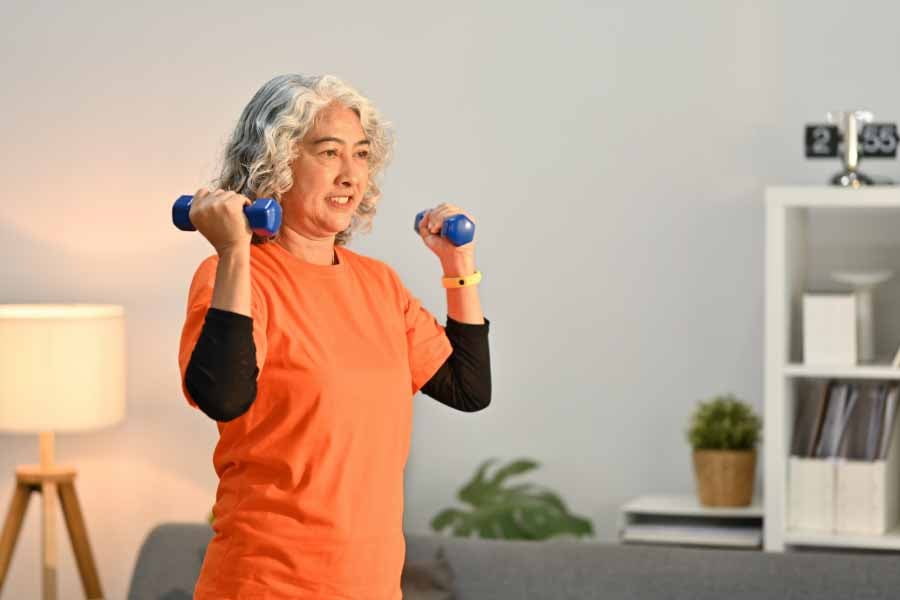
Everybody’s bones get weaker with age. However, there are certain things you can do to slow the process, improve bone health, and reduce your risk of osteopenia. We’ll cover some of these below.
1. Exercise for bone health
Staying active is one of the best things you can do for your bone health. The NHS advises adults to do 150 minutes of moderate-intensity exercise every week. This can include anything from dancing and power walking to gentle cycling and water aerobics.
However, when it comes to exercising for bone health, certain forms of exercise can be particularly beneficial. Specifically, experts advise including a combination of weight-bearing and strength training exercises in your routine.
To learn more, check out our article: Staying active with osteoporosis – 6 simple exercises to strengthen bones.
Weight-bearing exercise
Weight-bearing exercise is any type of exercise that involves being on your feet and adding an extra force or a controlled jolt through your bones. It can generally be categorised by three levels of impact: low, moderate, and high.
According to experts, the higher the impact, the better it is for your bones. Examples of high-impact exercise include jogging, star jumps, and track events. That said, lower- or moderate-impact exercise may be more suitable if you’re a beginner, have previously suffered an injury, or have a medical condition, like painful arthritis in the knees.
Strength training
Strength training involves moving your muscles against resistance to make them stronger. You can add resistance using a resistance band, weights, or your bodyweight.
Strength training is beneficial for bone health because it stimulates the production of bone-forming cells. When your muscles pull on your bones during exercise, bones respond by renewing themselves, which maintains or improves their strength. Plus, since most bone fractures are caused by falls, taking the time to work on your strength and balance can further reduce your risk.
To get started with resistance training, check out our article: The importance of building strength and balance in your 50s and 60s.
2. Boost your bone health through diet
Making healthy diet choices can make all the difference in reducing your risk of osteopenia. Generally speaking, eating a varied, balanced diet is a great place to start – though there are several food groups and nutrients worth focusing on. We’ll explore these below.
For inspiration, you might also like to read our articles: 12 of the best foods for bone health and 10 bone-strengthening recipe ideas.
Whole foods
Basing your diet around whole foods and reducing your intake of highly processed foods can do wonders for your bone health.
Whole foods are typically free from added sugar, salt, and saturated fat, all of which can contribute to bone loss and weakened bone structures. Meanwhile, whole foods are fantastic sources of several key bone-boosting nutrients, such as fibre, calcium, and vitamin D.
To learn more, check out our article: What are the benefits of a whole foods, plant-based diet?
Protein
Many long-term studies have linked high-protein diets with several bone health benefits. Among other things, protein acts as a building block for bones, supports calcium absorption, and is needed for muscle strength, which in turn helps to reduce the risk of falls.
For example, this study found that people who ate high-protein diets had greater bone mass and a lower risk of suffering fractures and developing osteoporosis. However, reviews highlight that more research is needed to fully understand the impact of high-protein intake on bone health.
For recipe inspiration, you might be interested in our 12 high-protein meal ideas.
Calcium and vitamin D
Our bodies rely on several vitamins and minerals to stay healthy. However, for maintaining healthy bones, calcium and vitamin D are particularly important.
Roughly 99% of the body’s calcium is found in our bones, and we rely on it to keep them strong and healthy. Meanwhile, vitamin D helps the body absorb and use calcium. As a result, making sure you get enough calcium and vitamin D is key for improving bone health and reducing your risk of osteopenia.
For example, this study of postmenopausal women found that those who consumed more calcium-rich dairy products had significantly higher bone density than those who consumed fewer.
Check out our calcium and vitamin D guides for tips on how to up your intake. Other important nutrients for bone health include magnesium, potassium, and phosphorus.
3. Quit smoking
Smoking is a known risk factor for osteopenia, so quitting is one of the most important steps you can take to reduce your risk.
And the good news is that research suggests stopping smoking not only improves bone health but may also reverse bone loss. For example, this study found that levels of bone formation markers significantly increased within 124 days of quitting smoking.
For further guidance, you might like to read our article: 7 tips for quitting smoking.
Final thoughts…
Bone health is something that many of us think about more as we age. However, while our bones naturally weaken over time, research shows there are several things you can do to boost bone health and reduce your risk of osteopenia.
For further reading, head over to our bone, joint, and muscle health section. Here, you’ll find information on everything from fall-proofing a home to managing knee pain.
What steps have you taken to improve your bone health? Will you be making any changes after reading our article? We’d be interested to hear from you in the comments below.
Francesca Williams is a senior lifestyle writer at Rest Less. She joined Rest Less in early 2021 after achieving a first-class degree in History at the University of Sheffield and qualifying as an NCTJ Gold Standard Journalist. Francesca is a qualified Level 3 Personal Trainer and writes across a range of lifestyle topics, specialising in health. In her spare time, Francesca likes to keep herself busy going to the gym, dancing, spending time with friends and family, and getting involved with her local church.
* Links with an * by them are affiliate links which help Rest Less stay free to use as they can result in a payment or benefit to us. You can read more on how we make money here.
Join the discussion
Read our full commenting terms and guidelines