- Home
- Health
- Healthy Body
- 6 ways to relieve dry eyes
Dry eyes, or dry eye syndrome, is common and can happen for various reasons. While usually not serious, it can still be uncomfortable and irritating, and get in the way of everyday activities.
Luckily, there are several things you can do to help, from booking a dry eye assessment with an optician to using a dehumidifier.
Keep reading to find out more about the symptoms and causes of dry eyes, and how to get relief.
What are the symptoms of dry eyes?
According to Boots Opticians and the NHS, dry eyes may feel…
- Itchy
- Sore
- Gritty
- Red
- Blurry
- Sensitive to light
- Watery – more so than usual
Watering eyes can sometimes surprise people. But when eyes get dry, they can become irritated and react as though something’s in them, making attempts to flush them out.
Dry eyes usually won’t cause vision loss, but in rare cases, it can damage the cornea if left untreated. Therefore, it’s always best to speak to a pharmacist or optician if you’re struggling to get relief.
What causes dry eyes?
Because tears are made up of a careful balance of oil, water, and mucus, when this balance is thrown off, it can mean we don’t produce enough tears or they evaporate too quickly. There are various reasons why this imbalance may occur. For example…
- Too much screen time – Research shows a link between dry eyes and more time spent online. For example, in this study, the prevalence of dry eye syndrome was significantly higher during the Covid-19 pandemic due to increased screen time, as more people worked, studied, or completed leisure activities online.
- Contact lens use – Contact lenses can cause or worsen dry eyes because they act like a sponge, drawing tears away from the eye’s surface to keep themselves hydrated. They also sit directly on the tear film, dividing it into two layers and making it less stable as a result, meaning tears can evaporate more quickly.
- Being over the age of 50 – Tear glands (especially the oily part) can become blocked and less effective with age. This means tears are less able to cling to the surface of the eye and spread across it effectively.
- Perimenopause or menopause – Changes to the eyes during perimenopause or menopause can affect tear production. It can also impact the quality and stability of the tear film, which helps keep the eye surface comfortable and protected.
- Taking certain medications – For example, for conditions including Sjögren’s syndrome, rheumatoid arthritis, diabetes, and lupus.
- Eye surgery – It’s not uncommon to experience dry eyes after some kinds of eye surgery, such as cataract surgery or LASIK.
- Hot, windy, or dry environments, including air-conditioned rooms – These conditions speed up the evaporation of the tear film. This leaves the cornea exposed, which can cause eyes to become irritated.
- Blepharitis – This is another common condition that causes inflammation of the eyelids, usually affecting the edges where the eyelashes grow. It disrupts the oil glands in the eyelids, upsetting the balance of healthy tears, meaning they evaporate more quickly.

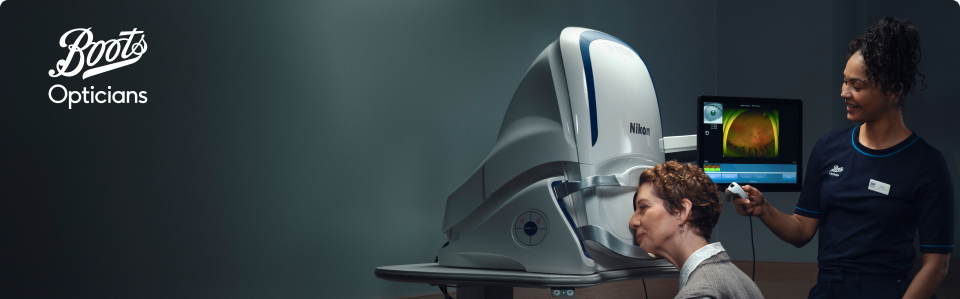
The eye test that sees more
A standard eye scan only shows approximately 15% of your retina in a single image capture. Boots Opticians’ optomap scan captures up to 82% of your retina in a single flash of light – helping spot signs of diabetes or high blood pressure.
Optomap® available in selected stores. Additional charges from £50 may apply.
6 ways to relieve dry eyes
Dry eyes are a common problem, so you’re certainly not alone. However, according to eye experts, there are some things you can do to help, which we’ll cover below.
1. Practise eyelid hygiene
The NHS recommends cleaning your eyelids every day if you have dry eyes. It helps clear away oil, crusts, and grime that can build up around the eyes and block tear glands.
The NHS suggests this three-step routine…
- Soak a flannel in warm (not hot) water and gently press it around your eyes to loosen the oil produced by the glands.
- Gently massage your eyelids with a finger or cotton bud to push the oils out of the glands.
- Use cotton wool soaked in warm (not hot) water to gently wipe away excess oil, crusts, dust, or grime.
If your eyes are still dry after a few weeks of home treatment, or you notice any change in the shape of your eyelids, it’s important to see an optician or GP.
2. Book a dry eye assessment
If you’re thinking about booking an appointment with an optician, Boots Opticians now includes a Dry Eye Evaluation as standard with every adult eye test, whether you book the Essential, Advanced, or Ultimate test. Boots clinicians have also been given dry eye training, which means they can recommend over-the-counter products to use at home.
If it’s recommended after your Dry Eye Evaluation, you can also book a follow-up ZEST procedure. This is a painless deep clean of the eyelids that removes debris, oil, and residue build-ups. It’s available in over 400 stores and costs an extra £150.
3. Consider using eye drops, gels, or ointments
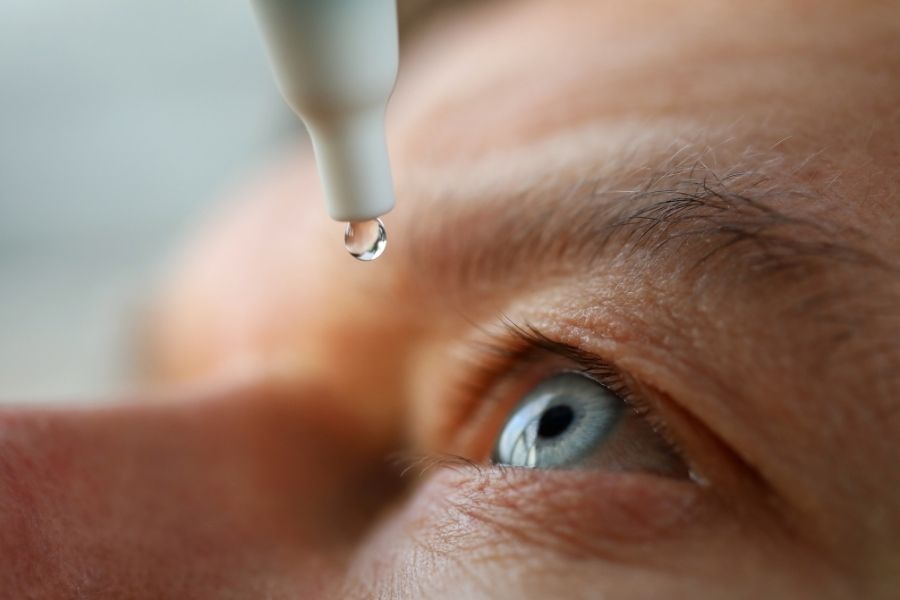
There are all kinds of tear replacement products for dry eyes designed to lubricate the surface of the eye and replace missing moisture. You can buy them over the counter at pharmacies, supermarkets, and some opticians, and many people find they bring quick relief from that gritty, burning, or tired feeling.
- Eye drops are probably the most widely available but need to be used often to work well. The NHS says that if you’re sensitive to preservatives or are using eye drops more than four times a day, preservative-free drops in single doses are advisable.
- Gels and ointments are thicker than standard eye drops, so they tend to last longer and can reduce how many drops you need. Ointments are particularly helpful for overnight use, when you can’t top up your drops. However, the thickness does mean they can blur your vision, so they’re best applied before sleep rather than during the day.
Note: The NHS highlights that if symptoms get worse when using tear replacement products, you should always seek medical advice, as you might be allergic. You should also see an optician or GP if you still have dry eyes after trying home treatments for a few weeks.
4. Take screen breaks
We blink less when we look at screens, which can leave eyes feeling dry and uncomfortable. The NHS advises taking breaks to rest your eyes when using a computer or watching TV, and keeping your computer screen just below eye level. Looking slightly downward at a screen means your upper eyelid covers more of your eye, so less of the eye’s surface is exposed to the air, which slows the rate at which your tears evaporate.
A simple way to do it is the 20-20-20 rule: every 20 minutes, look at something 20 feet (about six metres) away for 20 seconds. This small study found reminders to follow the rule helped reduce digital eye strain and dry eye symptoms.
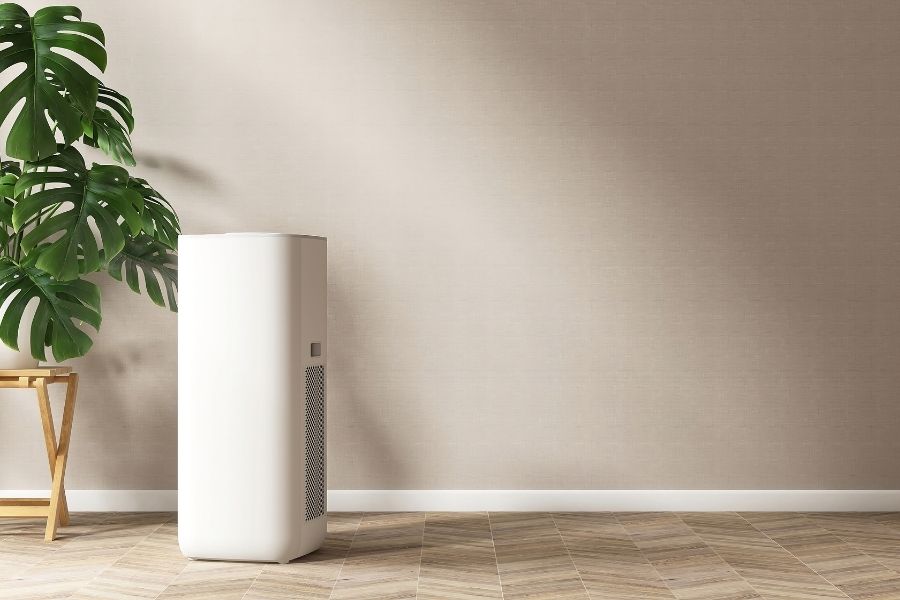
5. Use a dehumidifier to stop air getting dry
Dry air can make dry eyes worse, particularly in winter when the heating is on. The NHS recommends using a humidifier to stop the air getting dry. It also advises not spending too long in air-conditioned or heated rooms, or in smoky, dry, or dusty places.
If you’re considering buying a dehumidifier, check out this list of the best ones from The Independent.
6. Give your eyes a rest from contact lenses
Wearing contact lenses can make dry eyes more likely, so it can help to give your eyes breaks where possible by wearing your glasses instead.
If this feels tricky because you don’t like your glasses, you could consider choosing some new frames and getting them properly fitted by an optician so that they feel more comfortable.
For inspiration, have a read of our article: How to choose glasses to suit your face.

Free eye tests start at 60
Free NHS eye tests are available for anyone aged 60 or over, the NHS recommending having one every two years or sooner if recommended by your optician. You can also save on frames when you visit: 10% off your first pair, half price on any additional pairs, and a third pair free^.
^Over 60s Discount: 10% discount will be applied when you purchase a complete pair of glasses or prescription sunglasses. You will need a valid prescription. Valid on 1st pair only and can be used with our half price additional pairs offer but not in conjunction with any other offer or discount. Offer excludes our lowest full price Boots brand prescription glasses, ready-made reading glasses, re-glazes and safety eyewear. Discount is only available to customers aged 60 or over. Discount is not transferable, cannot be used retrospectively and no cash alternative is available. Prices & discounts may vary between Boots Opticians stores.
Final thoughts…
Any issues with our eyes can make daily life feel more difficult. But the good news is there are plenty of ways to help dry eyes feel more moisturised and comfortable, and we hope some of the things listed here will help.
That said, if at-home treatments aren’t working or you notice a change in the shape of your eyelids, it’s important to see an optician or GP, so they can check what the cause might be and recommend treatment. They may refer you to an eye specialist for tests if they can’t find a cause.
For further reading, check out our articles: 10 signs of common eye conditions you shouldn’t ignore and 10 most important nutrients for eye health.
Do you have experience with dry eyes? Did you find relief in any of the tips above? We’d love to hear from you in the comments below.
Elise Christian is Lifestyle Editor at Rest Less. She joined Rest Less in 2018 after achieving a first class Master’s Degree in Journalism from the University of Kent, and writes across a range of lifestyle topics such as mental health, home and garden, and fashion and beauty. Prior to this, she worked as a freelance writer for small businesses and also spent a year training to be a midwife. Elise spends her spare time going to the gym, reading trashy romance novels, and hanging out with loved ones. She also loves animals, and has a fascination with sharks and tornadoes.
* Links with an * by them are affiliate links which help Rest Less stay free to use as they can result in a payment or benefit to us. You can read more on how we make money here.

Free eye tests start at 60
Free NHS eye tests are available for anyone aged 60 or over, the NHS recommending having one every two years or sooner if recommended by your optician. You can also save on frames when you visit: 10% off your first pair, half price on any additional pairs, and a third pair free^.
^Over 60s Discount: 10% discount will be applied when you purchase a complete pair of glasses or prescription sunglasses. You will need a valid prescription. Valid on 1st pair only and can be used with our half price additional pairs offer but not in conjunction with any other offer or discount. Offer excludes our lowest full price Boots brand prescription glasses, ready-made reading glasses, re-glazes and safety eyewear. Discount is only available to customers aged 60 or over. Discount is not transferable, cannot be used retrospectively and no cash alternative is available. Prices & discounts may vary between Boots Opticians stores.
Join the discussion
Read our full commenting terms and guidelines