
- Home
- Health
- Healthy Body
- Why medicinal mushrooms are trending in wellness – and what the research shows
How does Rest Less make money
We make money through advertising and commission from affiliate links, which enable us to offer Rest Less as a free service to our users. The content on this page may use affiliate links, which track traffic from our website to a third party provider and enable us to receive a commission or payment from any traffic we refer.
* Affiliate links on this page have an * next to them. We place enormous importance on our editorial independence and the integrity of our content which means that we will never change how we write about something as a result of an affiliate link.
Once confined to the kitchen, mushrooms are now stepping into the spotlight. And we’re not talking about shiitake or portobello – we mean medicinal (or functional) mushrooms. In just a few short years, varieties like reishi, chaga, and lion’s mane have evolved from ancient herbal remedies to mainstream wellness staples, with the industry projected to reach nearly $20 billion by 2036.
From wellness blogs to health-food aisles – not to mention restaurant menus – mushrooms are everywhere. You can sip them in teas, coffees, smoothies, and broths, enjoy them as gummies or chocolate, or even use them topically in face creams and shower gels.
But what’s driving this mushroom boom? And what does the science actually say about what these fungi might do for us?
How long have mushrooms been used as medicine?
While they’re often described as a “wellness fad” or “food and drink trend”, medicinal mushrooms certainly aren’t new. Cultures around the world have used them for millennia, not just as food but as remedies to support immunity, balance, and longevity.
By the fifth century, Chinese alchemist Tao Hongjing wrote about several medicinal mushrooms, including reishi and umbrella polypore, that had been used medicinally for hundreds of years. Traditional Chinese medicine calls reishi the “mushroom of immortality”, and texts dating back to 206 BC describe it as an anti-ageing tonic with calming and restorative effects. Today, over 100 mushroom varieties are used in Asian medicine as complementary cancer treatments.
But it isn’t just Asian cultures that have treasured medicinal mushrooms. Ötzi the Iceman, who lived in the Italian Alps around 5,300 years ago, was found with roundworm eggs in his digestive tract… and around his neck, a leather strap threaded with mushrooms known to kill intestinal parasites.
The Greek physician Hippocrates also identified the amadou mushroom as having potent anti-inflammatory properties and the ability to cauterise wounds as early as 450 BC. Meanwhile, the first indigenous peoples of North America used puffball mushrooms to heal wounds and burns.
So while functional mushrooms may seem like a new trend, they’re anything but; their benefits are simply being rediscovered.
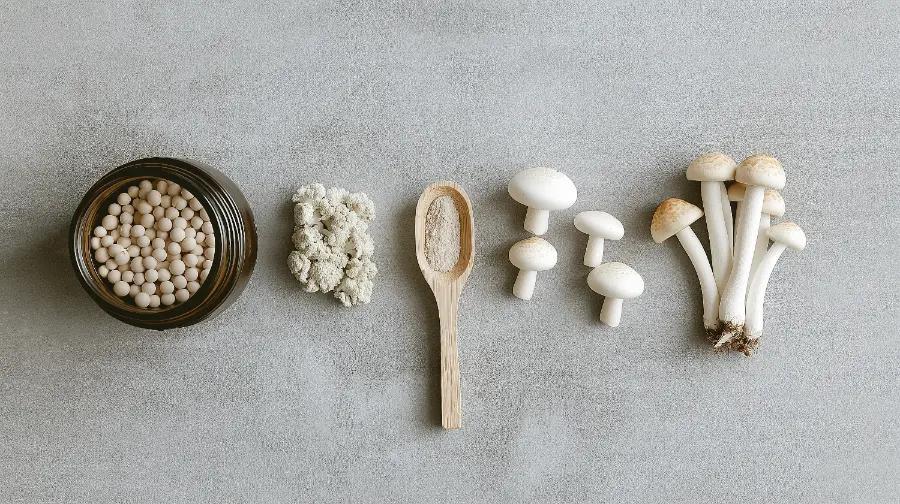
What’s behind the medicinal mushroom boom?
So if medicinal mushrooms aren’t “new”, what’s behind their boom? There are several reasons why mushrooms have moved so quickly from ancient herbal remedy to mainstream wellness staple. They include…
The growing focus on preventive health
Rather than waiting to treat ill health, many people are now actively seeking ways to support their long-term wellbeing. Mushrooms, which are seen as natural, holistic, and proactive, fit neatly into this shift towards lifestyle-based health choices.
Rising scientific interest
You need only look at the hallucinogenic effects of certain mushrooms to understand that they can have powerful biochemical effects.
Over the past few decades, researchers have studied bioactive compounds found in mushrooms for their effects on immune function, brain health, inflammation, and metabolism. While much of the research is still evolving, early findings have been intriguing enough to spark curiosity…and investment.
Accessibility
Gone are the days when you had to hunt through specialist apothecaries for obscure dried roots; these days, you can choose between powders, capsules, extracts, teas, coffees, gummies, and chocolate.
These convenient, everyday formats make it easier to incorporate mushrooms into your routine – whether you’re stirring powder into your morning coffee or adding a pill to your daily supplements.
Modern wellness marketing
From trendy cafés serving reishi lattes to social media influencers sharing their mushroom-powered morning routines, clever marketing has helped amplify this trend across generations. The combination of ancient tradition and modern trends has propelled mushrooms into the spotlight, turning a once-niche remedy into a wellness staple.
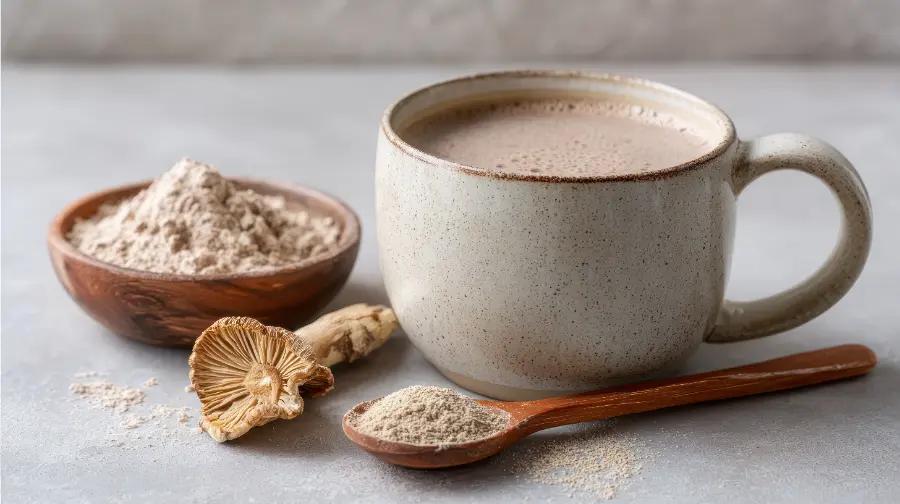
4 popular medicinal mushrooms and their uses
So what are some of the most common types of medicinal mushrooms – and what does the research say about their benefits?
1. Reishi (Ganoderma lucidum)
Best known as an adaptogenic mushroom, reishi is traditionally used to support balance during times of stress. It’s taken to improve sleep, calm the nervous system, and manage stress.
Reishi is most commonly found in powder form and has a slightly bitter, earthy flavour that pairs well with creamy drinks.
Studies suggest that it may help modulate the immune system and support relaxation; this review highlighted reishi’s potential to reduce fatigue and improve quality of life in people under stress, while other studies point to calming effects on the nervous system.
2. Lion’s Mane (Hericium erinaceus)
Lion’s mane has surged in popularity in recent years – and it’s only partly due to its fluffy white pom-pom appearance.
Known as a brain booster that can improve focus, clarity, and nerve health, studies suggest that lion’s mane may offer other cognitive benefits, such as supporting brain health as we age.
For example, a 2009 study suggested that lion’s mane supplementation may improve mild cognitive impairment in older adults, while a 2020 study reportedsignificant cognitive improvements in participants aged 50 and over.
3. Chaga (Inonotus obliquus)
Harvested from birch trees in cold climates, chaga is usually consumed as a brewed tea. Its high levels of antioxidants are believed to help protect cells from oxidative stress.
Research shows that compounds in chaga can reduce markers of inflammation and oxidative damage at the cellular level – although it’s important to note that most evidence comes from in vitro studies, and human trials are still limited.
However, chaga’s traditional use, as well as promising early research, suggest it works best as an addition to a healthy lifestyle, rather than a standalone remedy.
4. Turkey Tail (Trametes versicolor)
Turkey tail is one of the most extensively researched medicinal mushrooms and is known for supporting immune function. It contains compounds called polysaccharopeptides – most notably polysaccharide-K (PSK) – which have been shown to enhance the body’s natural defence mechanisms.
In Japan, PSK has long been used as an approved therapy alongside conventional cancer treatments, and clinical trials suggest it may support immune function, support treatment tolerance, and even contribute to improved patient outcomes. It’s usually taken as a supplement or tea to support immune health, particularly during periods of stress.
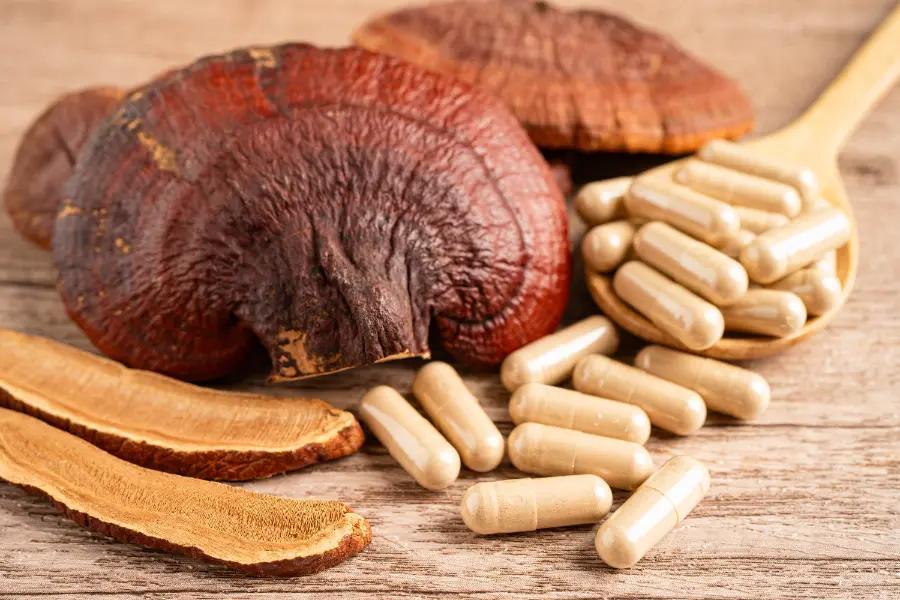
What else does science say about medicinal mushrooms?
While interest in functional mushrooms is booming, it’s important to be realistic. Yes, there’s compelling evidence that specific mushrooms can support immune health, provide potential brain benefits, alleviate stress, and improve quality of life – but more human research is needed before we can make definitive claims.
Much of the research is still in the early stages, with evidence coming from lab or animal studies rather than large human trials.
“At this point, the FDA only allows us to say that mushrooms have antioxidant properties, support the immune system, and support general health – that’s as far as we can go,” says Paul Stamets, an American mycologist (scientist who studies fungi).
“Without clinical studies in humans, it’s difficult to separate fact from fiction. [But] I know of no other science that has been so underfunded and understudied and yet has such a tremendous potential for human health. There’s a flood of knowledge coming downstream into the public consciousness.”
It’s also important to note that while medicinal mushrooms are usually considered safe when used appropriately, they can have complications. Some species of mushrooms can interfere with medications, especially blood thinners or immune-modulating drugs, while some people may experience digestive upset. Quality and potency also vary widely, so choosing reputable brands and products is key.
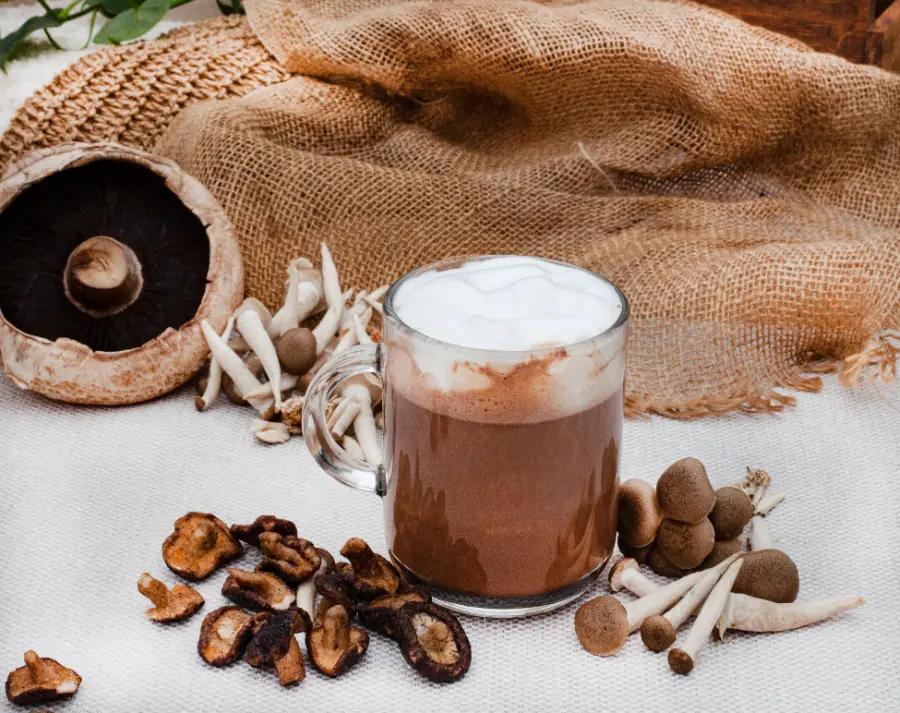
How to use medicinal mushrooms
There are many different ways that people are incorporating medicinal mushrooms into their routine. Some of the most popular methods include…
- Morning coffee. Mushroom powders blend beautifully into coffee, matcha, or oat milk for a nourishing morning boost. Start with half a teaspoon and adjust for taste and tolerance.
- Teas and tonics. Loose-leaf or powdered mushrooms like chaga, reishi, or turkey tail can be brewed into warming teas. Steeping for 10 to 15 minutes helps extract the bioactive compounds, and for an added boost (and taste), try stirring in some warming spices like cinnamon or ginger.
- Tinctures. Tinctures are concentrated liquid extracts that make it easy to get a consistent dose. Because they’re concentrated, they work well if you’re short on time and would prefer a quick, portable option.
- Capsules and tablets. If you prefer not to taste your supplements, capsules and tablets are ideal. They allow accurate, precise dosing and are quick and convenient.
- Cooking. Some medicinal mushroom varieties (for example, shiitake, maitake, and reishi) can be easily added to meals. Shiitake and maitake go especially well in soups, stir-fries, and risottos. Reishi can be a little bitter, but it can be simmered into broths for an earthy, umami flavour.
- Sweet snacks. Many brands now sell mushroom-infused chocolates, gummies, or protein bars. This makes it quick and easy to add mushrooms to your diet without changing your routine – especially if you have a sweet tooth!
As always, bear in mind that mushrooms are most effective as part of a balanced lifestyle that includes a healthy diet, adequate sleep, and effective stress management.
Note: It’s important to avoid taking medicinal mushroom extracts if you have a mushroom allergy. Cancer Research UK also highlights that most mushroom supplements haven’t been tested to find out if they interact with medicines, foods, or other herbs and supplements. So, as always, it’s worth speaking to your doctor before adding any new supplements to your diet.
Final thoughts…
Medicinal mushrooms may be having a moment, but their appeal is no fad. Rather, it’s a rediscovery of ancient wisdom backed by modern science. From reishi’s calming effects to turkey tail’s immune benefits, these fungi can be a versatile way to support health and wellness.
That said, research is still developing, and benefits are often subtle, building gradually over time. Quality matters, so choosing reputable, third-party tested products is key, and it’s always worth speaking to your GP before introducing any new supplements to your diet.
Whether stirred into your morning coffee, brewed as a tea, added to a soup, or taken as a supplement, medicinal mushrooms can be a thoughtful, natural way to improve your health. The real magic, however, lies in their integration into a balanced lifestyle, rather than being seen as a miraculous cure-all.
Have you tried using medicinal mushrooms – and if so, did you notice any difference? If not, are you curious about giving them a try? We’d love to hear from you in the comments below.
Selene Nelson is an author, freelance journalist, and lifestyle writer for Rest Less. After graduating from the University of Sussex with a degree in English Literature, Selene began contributing to many major newspapers and websites, and has written for the BBC, The Sunday Times, The Independent, Town & Country, and HuffPost. Her specialist subjects include food, travel, and health, though she enjoys writing about a wide range of topics (e.g. her two books are about veganism and psychopathy, respectively!). She enjoys cooking (particularly pasta and Asian noodle soups), reading, travelling, hiking, attempting to keep fit, and watching animal videos on YouTube.
* Links with an * by them are affiliate links which help Rest Less stay free to use as they can result in a payment or benefit to us. You can read more on how we make money here.
Join the discussion
Read our full commenting terms and guidelines