

- Home
- Leisure & Lifestyle
- Food & Drink
- 8 of the latest food and drink trends
How does Rest Less make money
We make money through advertising and commission from affiliate links, which enable us to offer Rest Less as a free service to our users. The content on this page may use affiliate links, which track traffic from our website to a third party provider and enable us to receive a commission or payment from any traffic we refer.
* Affiliate links on this page have an * next to them. We place enormous importance on our editorial independence and the integrity of our content which means that we will never change how we write about something as a result of an affiliate link.
Food will never go out of fashion. But what we desire on our plates and in our glasses can change fast. From new ‘must-try’ recipes on social media to often-unheard-of ingredients promising to be the ‘next big thing’, food trends can have a significant impact on how, and what, we eat. And, while some are mere fads, others stand the test of time.
So, if you’re curious about what ingredients, flavours, and eating styles are currently shaping the industry (and menus) right now, we’ve got you covered.
We’ve delved into the latest foodie data and industry reports to reveal eight of the latest food and drink trends.
1. Health-focused drinks

Over the past few years, the ‘functional beverage’ sector has absolutely boomed. Functional beverages are drinks specifically designed to return physical and/or mental health benefits, such as improved gut health, cognitive function, and energy levels.
One such example is Kombucha, which arrived a few years ago and, today, appears on 2.5% of menus around the country. This sweet, fizzy, and fermented tea can support gut health and, with more and more Brits shunning booze, it’s a popular alcohol-free option, too. If you’re interested in making your own kombucha, check out our article: How to make your own fermented foods at home.
More recently, mushroom drinks are also proving popular. From mushroom coffees to sparkling juices, these beverages are made with different mushroom types depending on the drink’s purpose. Lion’s mane mushroom is cited for its ability to improve cognitive function, while Reishi and Chaga mushrooms are believed to support the immune system. Cordyceps, meanwhile, is known for its potential to increase energy levels.
2. Protein
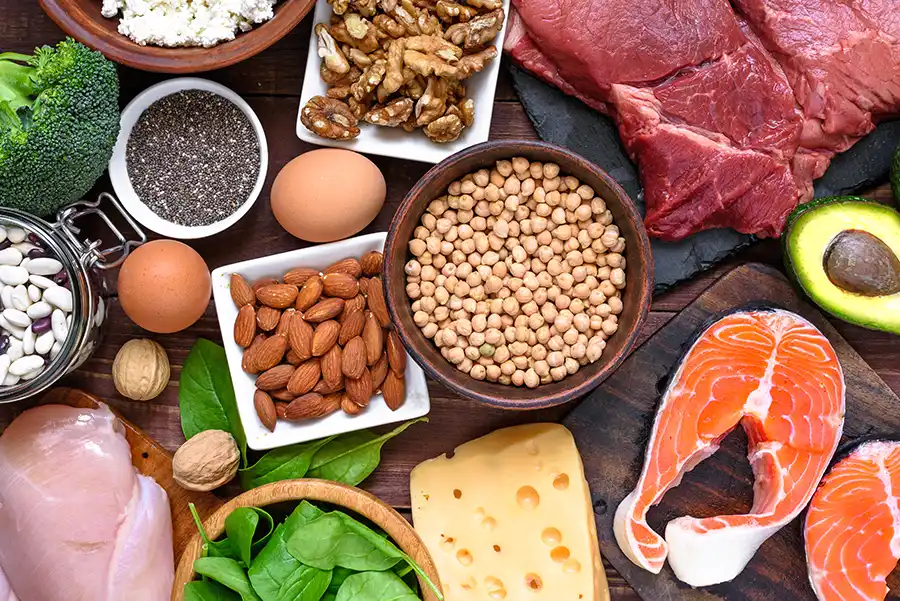
Usually, food trends are influenced by wellbeing trends, and, while gut health was a hot topic for years (hence the kombucha boom!), right now the focus is on protein. But it isn’t just athletes and gym enthusiasts who’ve helped turn protein into a mega-trend. As we learn more about protein’s role in boosting energy, supporting bone health, and improving metabolism, the demand for protein is surging.
In the past, the protein trend tended to prioritise quantity over quality, but now, people are thinking more about different protein forms, and trying to choose high-quality meats and animal products. And, while the explosion of plant-based protein alternatives looks set to continue, consumers are moving away from mock-meat products to ‘cleaner’ plant proteins like tofu, tempeh, pulses, and beans.
Somewhat surprisingly, mushrooms are gaining traction in this area, too. While many veggies have long been aware of how mushrooms can be used in place of animal protein, there’s been a substantial uptick in interest (and innovation) in fungi like mycelium and koji. As we learn more about their potential as a protein source, researchers believe they’ll continue to reshape the food and beverage industry.
If you’re keen to include more protein in your diet, check out our article: 12 high-protein meal ideas.
3. Dubai chocolate

If you enjoy looking for recipe inspiration on social media – particularly TikTok – there’s a good chance you’ll have seen this next trend. Dubai chocolate first went viral in 2024 but, one year on, this delicious, photogenic treat is no longer a trend; it’s an emerging industry catalyst.
Created by Fix Dessert Chocolatier in Dubai, this indulgent chocolate bar is filled with rich pistachio creme and crisp, finely-chopped strands of filo pastry. It quickly became an online sensation and spawned all manner of iterations, with Marks & Spencer’s version becoming especially popular.
Pistachios, on the whole, have become a trendy flavour within the industry, too, appearing in everything from pizzas and bread to coffees and ice cream. And, while Dubai chocolate can’t profess to be healthy, pistachios are believed to lower blood pressure – so this is one larger trend that you might want to explore.
4. UPF-free food
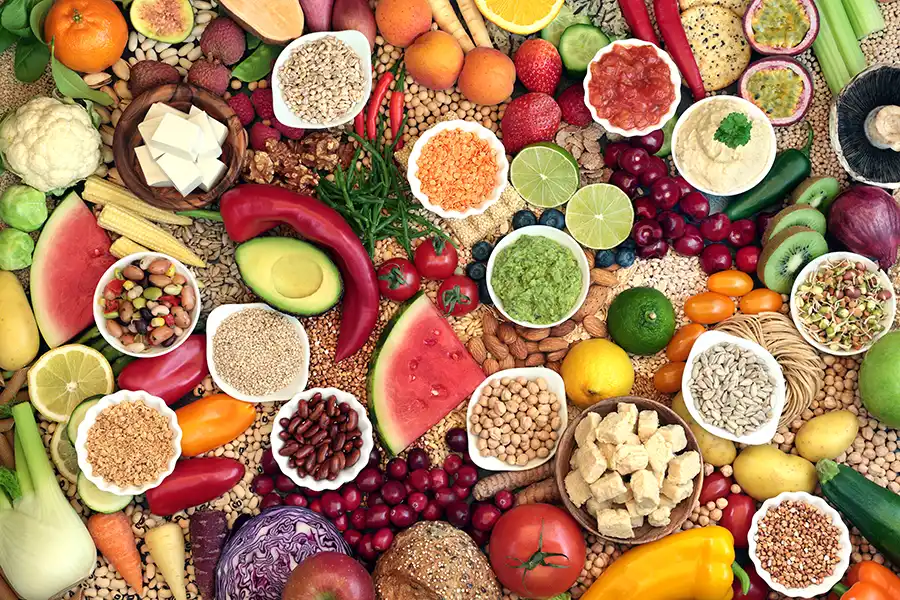
Recently, there’s been a growing awareness of the dangers of ultra-processed foods (UPFs), and this has led to a renewed interest in ‘clean’ food. While there’s no universally agreed-upon definition of what ultra-processed foods are, generally, they’re industrially processed and contain ingredients we wouldn’t have at home. Shockingly, in the UK, around half our calories come from ultra-processed foods.
Common examples of ultra-processed foods include ready meals, sausages, ham, and bacon; breakfast cereals; ice cream and fruit-flavoured yoghurts; mass-produced packaged bread, cakes, and biscuits; and carbonated drinks. These types of foods tend to contain high amounts of saturated fats, salt, and sugar, and are linked to an increased risk of obesity, type 2 diabetes, and cancer.
Against this backdrop, people are turning to foods they deem ‘clean’; usually foods that are as close to their natural state as possible and contain minimal (and recognisable!) ingredients. Examples include vegetables, fruits, beans and legumes, whole grains, lean proteins, and healthy fats.
For more inspiration, you may like to read our articles: 14 clean-eating recipes that actually taste good, and What are the benefits of a whole food, plant-based diet?
5. Asian sauces and condiments
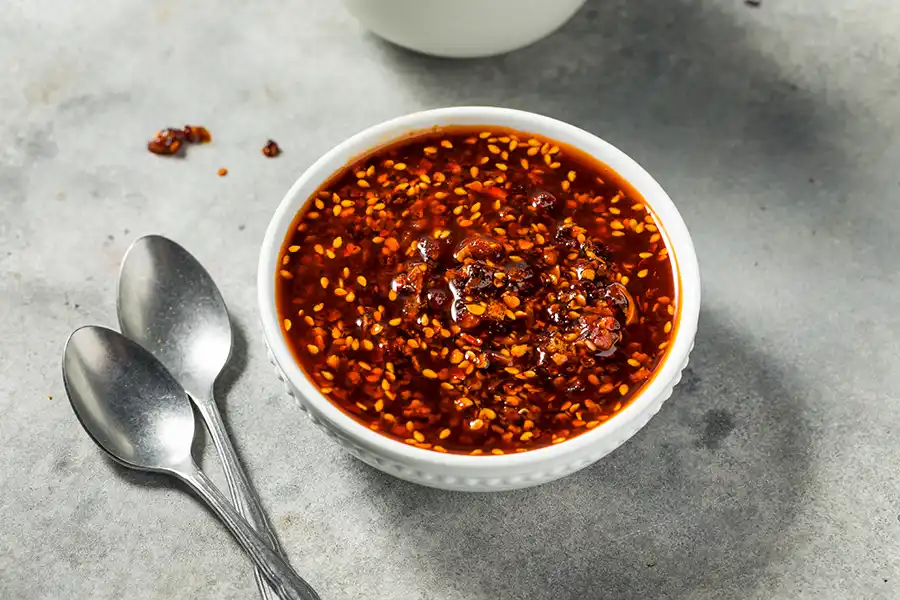
From steaming bowls of fragrant soups to tangles of noodles in spicy dressings and zesty salads that pack a punch, Asian food has never been so popular. Delicious and diverse, consumers can’t get enough of these zingy, umami flavours, which is why Asian condiments have rocketed in popularity recently.
Chilli crisp is having a moment – and no wonder, because this Chinese condiment is uniquely moreish. Chopped Sichuan chilli peppers are mixed with garlic, onions or spring onions, and nuts for extra crunch. Its thick consistency means it’s spooned over food rather than poured, and its salty, spicy flavour is an easy way to elevate all kinds of dishes – including soups, noodles, salads, tacos, toasts, and eggs.
Other Asian condiments and sauces products flying off the shelves include gochujang, XO sauce, sriracha, kecap manis, sambal, miso, kimchi, and Korean barbecue sauce. With culinary curiosity only growing, people are looking to recreate dishes they’ve eaten in restaurants at home, and condiments are a quick and easy way to do that.
6. Crave-worthy, nostalgic desserts

For all our awareness of embracing healthy whole foods and shunning UPFs, people still like a treat now and then. Yet, for many of us, any old sweet treat won’t do; we’re looking for over-the-top indulgence. Oversized, overfilled doughnuts are popular right now, and the fact that they’re impractical and often messy to eat doesn’t seem to be a turn-off.
But a newer trend is for nostalgic desserts that remind us of our childhood: things like lemon meringue pie, school cake, sticky toffee pudding, banoffee pie, bakewell tarts, rhubarb and custard, Eton mess, rice pudding, and crème brûlée. According to research, 76% of consumers are drawn to nostalgic flavours, and it seems that in these turbulent times, people are increasingly seeking comfort from familiar food.
Nostalgic treats and retro flavour combinations are starting to appear on more than just dessert menus, too. Increasingly, flavours like bakewell tart, rhubarb and custard, sticky toffee, and banoffee pie are appearing in coffee shops in the form of syrups. So next time you fancy a nostalgic dessert, you might be able to get the same sense of comfort from your morning coffee!
7. Mindful eating
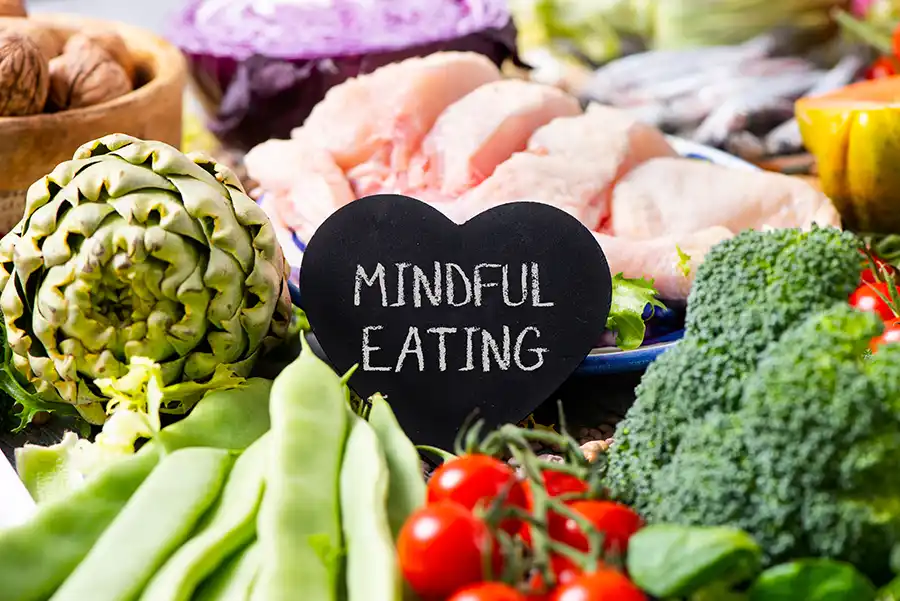
This next trend seems in stark contrast to intentionally over-the-top sweet treats – but it isn’t really a contradiction. Currently, it seems that when we want a treat, we’re happy to go all out. But most of the time, we remain thoughtful about our food choices…and mindful eating, climate-conscious foods, and reducetarian diets are more popular than ever.
Sustainability also continues to be a key food trend, with many consumers eating fewer animal-based products and more lower-impact foods. Rather than going fully veggie or vegan, the reducetarian movement embraces thoughtful moderation and is an easy, accessible way to move towards a more environmentally conscious way of eating.
Similarly, mindful eating is gaining traction. It’s designed to eliminate distractions and bring your full attention back to what’s on your plate. Not only does this lead to a greater appreciation for food, but it’s also linked to improved weight management and portion control. To find out more, check out our article: A beginner’s guide to mindful eating
8. Global flavour fusions
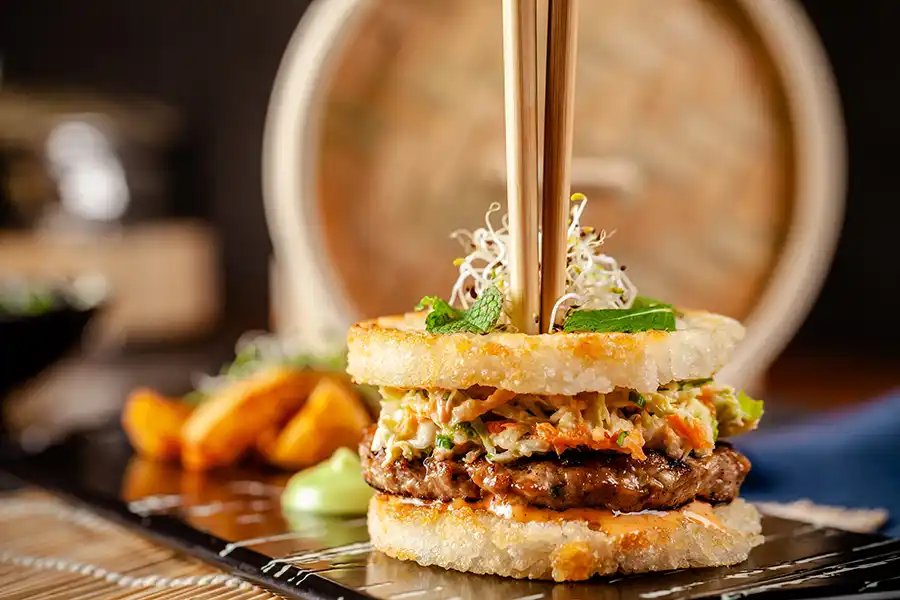
Finally, another trend we can look forward to seeing more of throughout 2025 and beyond is fusion food. Foods combining global flavours and featuring bold, unexpected pairings are already dominating menus and social channels. And, as chefs around the world share techniques and ideologies, there’s a new emphasis on reimagining cuisines to reflect regional heritage.
Popular flavour fusions include Korean-Italian, Caribbean-Asian, Pakistani-Mexican, and people are becoming increasingly drawn to more unfamiliar cuisines, like Balkan and West African. The current trend of street food being elevated into gourmet offerings is another example of unexpected cross-cultural creations.
This demand is trickling down into the world of desserts, too. While Dubai chocolate is an excellent example of how to successfully combine global flavours, it’s not the only one: strawberry and matcha, caramel and miso, and salty or spicy honey are other bold-yet-delicious pairings appearing on menus.
Final thoughts…
Based on these trends, it’s clear that consumers are looking to eat more purposefully. The shift towards high-protein, minimally processed, lower-impact foods suggests that more of us than ever are conscious about what we’re putting into our bodies and the impact this has on the planet.
However, that shift doesn’t mean we don’t enjoy rewarding ourselves with indulgent foods now and then, or enjoying bold, experimental cooking. The popularity of decadent treats and fusion cooking suggests that most of us believe that food and diet should be about balance, and that health and flavour aren’t mutually exclusive.
For more culinary inspiration, head over to our food and drink section.
Have you encountered any of these food trends…or do any sound particularly tempting to you? We’d love to hear from you in the comments below.
Selene Nelson is an author, freelance journalist, and lifestyle writer for Rest Less. After graduating from the University of Sussex with a degree in English Literature, Selene began contributing to many major newspapers and websites, and has written for the BBC, The Sunday Times, The Independent, Town & Country, and HuffPost. Her specialist subjects include food, travel, and health, though she enjoys writing about a wide range of topics (e.g. her two books are about veganism and psychopathy, respectively!). She enjoys cooking (particularly pasta and Asian noodle soups), reading, travelling, hiking, attempting to keep fit, and watching animal videos on YouTube.
* Links with an * by them are affiliate links which help Rest Less stay free to use as they can result in a payment or benefit to us. You can read more on how we make money here.
Join the discussion
Read our full commenting terms and guidelines