

- Home
- Leisure & Lifestyle
- Food & Drink
- Recipes
- 10 colourful and healthy recipes
How does Rest Less make money
We make money through advertising and commission from affiliate links, which enable us to offer Rest Less as a free service to our users. The content on this page may use affiliate links, which track traffic from our website to a third party provider and enable us to receive a commission or payment from any traffic we refer.
* Affiliate links on this page have an * next to them. We place enormous importance on our editorial independence and the integrity of our content which means that we will never change how we write about something as a result of an affiliate link.
If you’re looking to add variation to your diet and make cooking more enjoyable, creating colourful meals can be fun and boost your mood and health, too.
Usually, the key to creating visually striking meals is adding plenty of fruits and vegetables. Experts recommend we ‘eat the rainbow’ because different coloured foods offer unique benefits.
For example, yellow foods (like lemons, sweetcorn, and peaches) are rich in antioxidants and have been linked to a reduced risk of rheumatoid arthritis and certain cancers. Meanwhile, orange foods (like pumpkins, sweet potatoes, and mangoes) are packed with vitamin A, which is essential for eye health.
So, if you’re looking to inject some vibrancy into your diet, here are 10 colourful and healthy recipes.
1. Pea, cavolo nero, and orzo risotto

Peas may be tiny, but they pack a nutritious punch. Full of fibre and iron, and with around 5g of protein per 100g, research has linked peas with better heart health, digestion, and blood sugar management. And, as one of the brightest vegetables around, they can add a pop of cheery green to your plate.
So, for a delicious dinner that celebrates peas’ natural sweetness and gentle crunch, why not make a pea risotto? For a twist on a traditional version, you could use orzo instead of risotto rice. This small, rice-shaped pasta cooks quickly and creates a lighter, less starchy dish. It’s also low in fat, making it a great choice for those watching their weight or cholesterol levels. Add some cavolo nero (a nutrient-dense, leafy green) for an extra boost of antioxidants.
Ready to try this vibrant, vegan-friendly dish? Check out this orzo risotto recipe from Olive.
2. Moroccan-spiced carrot and chickpea stew

Stews are one of the ultimate comfort foods, and they can be incredibly healthy. If you’ve ever thought they’re bland or require hours of slow cooking, think again. You can make a delicious and nourishing Moroccan-inspired carrot and chickpea stew in just 40 minutes, using ingredients you might already have at home – perfect for a warming weeknight dinner.
Bright orange carrots stand out against a deep red broth, and, for an extra burst of colour, why not add spinach or kale just before serving? Carrots are a good source of vitamin A, an essential for eye health that may help reduce the risk of age-related macular degeneration. Chickpeas are also nutrient-rich, packed with iron, magnesium, and protein, helping to keep you full for hours.
To make your own, try this Moroccan-spiced carrot and chickpea stew recipe from Occasionally Eggs.
3. Rainbow vegetable kebabs

Vegetable kebabs may be linked with summer barbecues, but these colourful skewers can be enjoyed year-round and are a fun, easy way to ‘eat the rainbow’ by adding your favourite veggies. The options are endless: mushrooms, tomatoes, onions, peppers, aubergine, squash, courgettes, and beetroot all work brilliantly.
Plus, roasting and grilling are among the healthiest cooking methods – helping to retain, and even enhance, vegetables’ natural flavours. The result is mouth-watering veggies that are crisp outside and juicy inside, bringing a delicious contrast of texture to each bite. For a protein boost, simply add chicken or tofu to your skewers.
To make rainbow vegetable kebabs, try this grilled veggie skewers recipe from The Forked Spoon. Or, you might like these roasted winter vegetable kabobs from Hello Veggie, which use seasonal produce like cauliflower and Brussels sprouts.
4. Red pepper and tomato soup

Soup is a go-to lunch option for a reason: it’s warming, hearty, and often packed with nutrients. While tomato soup is forever popular, for a slightly sweeter, more complex taste, you could add red pepper. You’ll have a golden-red bowl of nourishing soup that’s sure to brighten any chilly day. For a fiery kick, you could also sprinkle chilli flakes on top.
Roasted red bell peppers have a sweet and gentle fruity taste that adds depth to traditional tomato soup. They’re also rich in antioxidants like vitamin C, beta-carotene, and lycopene – and contain more vitamin C than oranges. These nutrients help reduce inflammation and promote heart health by supporting circulation and lowering blood pressure.
Why not try this red pepper and tomato soup recipe from Healthy Living James? You’ll only need five ingredients, and it costs less than £1.50 per portion. Alternatively, check out our list of 12 best soup recipes for health and comfort for more ideas.
5. Beetroot pancakes

Beetroot pancakes make a delicious and gorgeously pink breakfast that’s perfect for lazy weekend mornings. While vegetable pancakes might sound slightly strange at first, don’t knock them before you try them. The stunning rose colour offers a unique twist on classic pancakes, making them especially enjoyable for kids – who may not even realise you’ve snuck in some vegetables!
Plus, they’re soft, fluffy, and, best of all, healthier than traditional pancakes. Beetroot is rich in fibre and vitamins C and B9, which support immune health and metabolism; and its natural sweetness means you can cut back on added sugar. This bright vegetable is also known for its ability to help lower blood pressure and promote liver health – it’s a superfood for a reason!
So, for a colourful and uplifting breakfast to kickstart the day, try these brain-boosting beetroot pancakes from Mindful Chef. To make them vegan-friendly, simply swap the eggs for chia seeds. Serve your pancakes with a drizzle of maple syrup, a dollop of yoghurt, and/or some fresh blueberries.
For more breakfast inspiration, have a read of our article: 9 healthy breakfast ideas to kickstart your day.
6. Sweet chilli salmon with stir-fry vegetables
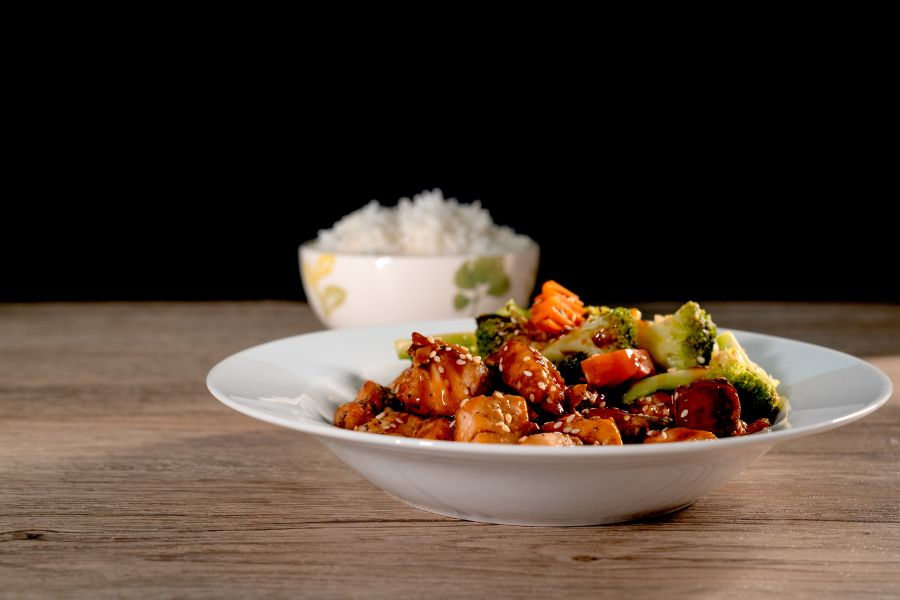
If you’re looking for a quick and easy weeknight dinner, stir-fries are a great go-to. The beauty of a stir-fry is that you can throw in whatever vegetables you like or have to hand. Broccoli, carrots, sugar snap peas, peppers, onions, mushrooms, green beans, sweetcorn…the list goes on. Within half an hour, you’ll have a nutrient-dense, low-fat, and low-calorie dinner that’s packed with colour.
Soft, flaky salmon contrasts with the crunchy, just-cooked texture of fresh vegetables. Plus, it adds a welcome dose of omega-3 fatty acids, which can help fight inflammation and boost brain health. If you’re vegetarian or vegan, skip the salmon and swap in some seasoned tofu – or simply load up with extra veggies. This tofu stir fry recipe from Rainbow Plant Life uses white pepper and Chinese five-spice seasoning to add flavour.
To give it a go, take a look at this sweet chilli salmon with stir-fry vegetables recipe from Tesco.
7. Sausage traybake

On busy evenings when you’re short on time or energy, a sausage traybake can be the ideal solution. This one-pan dinner incorporates a medley of colourful vegetables, involves minimal prep, and leaves little washing up.
The recipe below uses rosy-red peppers, yellow corn, and tasty baby potatoes, but you can add any veggies you have to hand. Why not add some vibrant squash, dark purple aubergines, or bright green courgettes? Then, for protein, add pork sausages and chickpeas. Season with herbs and spices like paprika, oregano, and cumin for a smoky and peppery flavour that doesn’t rely on salt.
To make a sausage traybake, check out this sausage traybake recipe from Olive. For a veggie version, swap pork sausages for plant-based alternatives.
8. Courgette and quinoa-stuffed peppers

With their bright, vibrant colours and varied fillings, Mediterranean-style stuffed peppers can be a real showstopper. While you can fill your peppers with ingredients like beef mince, turkey mince, or rice, for an extra nutritious option, consider using quinoa.
This small grain is a complete protein, containing all nine amino acids, which are essential for nutrient absorption and tissue repair. Quinoa can also help reduce the risk of heart disease, cognitive decline, and some cancers.
Imagine slicing into a tender, roasted pepper to discover a satisfying filling of sautéed courgette and quinoa. Creamy feta contrasts the peppers’ natural sweetness and ever-so-slightly melts into the mixture, bringing everything together. For an extra burst of colour and a subtle variety of flavours, you could use different coloured peppers, too. For example, green bell peppers have a slightly more bitter, grassy taste.
You might like to try this courgette and quinoa-stuffed peppers recipe from BBC Good Food.
9. Roast squash and hummus winter salad

Salads tend to be more popular during the warmer months, but they’re no less delicious in winter. Packed with vegetables, salads can help boost your immune system and fend off colds. Plus, preparing salads that showcase the best produce of each season can be fun – so, why not try a winter salad?
This roast squash and hummus salad recipe is jam-packed with vitamin C, beta-carotene, and an impressive serving of fibre and protein. Your plate will be a vibrant kaleidoscope of colours, from the rich orange butternut squash and carrots to deep purple red onions and fresh, green rocket leaves.
For maximum benefits, making your own hummus with butter beans, garlic, paprika, lemon, rapeseed oil, and walnuts means you can avoid the preservatives and high salt content of many store-bought versions. Walnuts are also high in selenium, an antioxidant that supports healthy thyroid function.
To make your own winter salad, try this roast squash and hummus salad recipe from BBC Good Food. Alternatively, check out our article, 10 flavour-packed salad recipes, for more ideas.
10. Fruit, yoghurt, and granola parfait

If you’re looking for a light dessert or indulgent breakfast, why not whip up a fruit, yoghurt, and granola parfait? Bursting with colourful fruit, they look as good as they taste and take just five minutes to prepare. The recipe below uses strawberries, blueberries, and kiwi to create a visually stunning and nutrient-rich pot of goodness. Though, of course, feel free to use whatever fruit you’d like.
Traditional parfaits are made with cream and lots of sugar, but you can prepare a healthier version using Greek yoghurt. This swap not only reduces the sugar content but also provides a protein boost (100g of Greek yoghurt offers around 9g of protein). Plus, it contains live probiotics that benefit your gut health. Layering the ingredients means each mouthful has a wonderful mix of textures, flavours, and colours.
To make a healthy version, check out this fruit, yoghurt, and granola recipe from Alpha Foodie. If you’re vegan or dairy-free, simply use coconut, soy, or almond yoghurt instead.
Final thoughts…
Colourful and healthy meals can be a fantastic way to boost your mood, health, and cooking repertoire. So, next time you’re feeling uninspired in the kitchen, why not try one of these 10 recipes?
For further inspiration, head over to our food and drink and diet and nutrition sections.
How do you add colour and variety to your diet? Will you be cooking any of the recipe ideas in this article? We’d love to hear from you in the comments below.
Zoë Glasspool is an editorial assistant at Rest Less. She joined the lifestyle team in late 2023 after achieving a first-class degree in History at the University of Leeds. In her spare time, Zoë enjoys live music, reading, travel, and watching far too many hours of TV and films!
* Links with an * by them are affiliate links which help Rest Less stay free to use as they can result in a payment or benefit to us. You can read more on how we make money here.
Join the discussion
Read our full commenting terms and guidelines