- Home
- Leisure & Lifestyle
- Home & Garden
- Is it time to downsize your home? 5 questions to help you decide
How does Rest Less make money
We make money through advertising and commission from affiliate links, which enable us to offer Rest Less as a free service to our users. The content on this page may use affiliate links, which track traffic from our website to a third party provider and enable us to receive a commission or payment from any traffic we refer.
* Affiliate links on this page have an * next to them. We place enormous importance on our editorial independence and the integrity of our content which means that we will never change how we write about something as a result of an affiliate link.
As we age, particularly when we approach or begin retirement, downsizing can seem appealing. Your house might feel too big now that your children have flown the nest. Or, perhaps cleaning and maintaining extra rooms takes too much time, or you’d like to put more money into your retirement pot.
While it might make sense to go smaller, in recent years, there’s been a shift away from downsizing, with more people preferring to stay in their current home. In 2021, one in four British homeowners over 55 planned to downsize. By 2024, however, the figure had dropped to 14%. The hassle of moving and the cost of stamp duty were cited as the biggest reasons to stay put, but there are other factors, too.
Our homes hold memories, and many of us have strong emotional ties to them. Plus, downsizing often means parting with furniture and personal possessions, which can be difficult.
But downsizing also has many benefits. It can free up money, save on utilities, and provide a better quality of life. Moving to a smaller home that’s easier to maintain is also a great way to simplify your life and live in a more mindful yet carefree way.
So, if you’re in two minds about downsizing, we’re here to help. Here are five questions to ask yourself about downsizing.
Advertisement
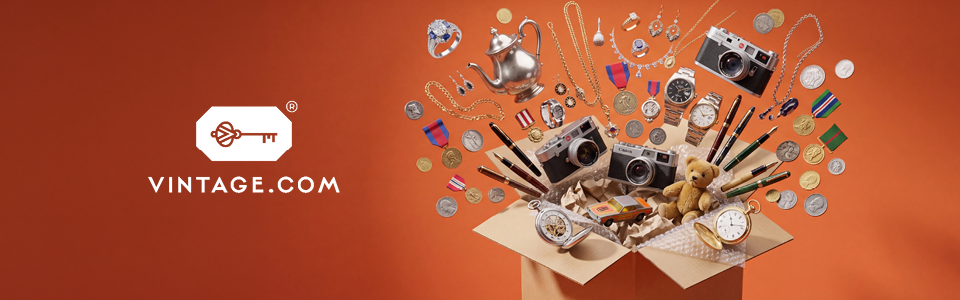
Whether you’re looking to clear some space, make a bit of extra money, or simply let go of things you no longer need, Vintage Cash Cow makes sure your belongings find a new home and nothing goes to waste or landfill.
They accept a wide range of items including jewellery, watches, cameras, coins, medals, and more – with no cost or obligation to you.
1. Can I stay in my home long term?
The first thing to consider is the practicalities of staying put. No matter how attached you are to your home or how much you love your neighbourhood, if it’s not practical to stay, it probably makes sense to downsize.
When people buy their ‘forever home’, they tend to buy it with the family’s needs in mind. But our needs change with age, and what suits us in our 30s, 40s, and 50s may not work for us later in life.
If you’re certain you’d like to stay put but aren’t sure your home is suitable long-term, there are ways you can age-proof your property later on. Common renovations include installing non-slip floors, brighter lighting, rounded countertops, curbless showers, and pull-out kitchen cabinets. Though, of course, renovating your home isn’t cheap, so it’s worth looking into how much it would cost.
To find out more about age-proofing your home, you may like to read this article from Consumer Reports.
2. Can I keep up with home maintenance and repairs?
Another thing to consider is whether you can – or want to – continue doing necessary home maintenance tasks. If you have a big garden that needs regular mowing or a driveway that needs to be cleared of snow and ice in the winter, staying there may not be practical.
It’s important to be realistic and honest with yourself when assessing your physical health, fitness, and stamina, and considering how these may affect the ease of home maintenance and repairs. Downsizing to a home with a smaller garden, for example, might make life easier for you in the long run.
It’s worth mentioning that you can, of course, pay people to maintain your home and garden, but these have costs that should be considered.

Give unwanteds a better next chapter
Your once-loved items are just waiting to be useful again. Pop them in a box, send them to Vintage Cash Cow for free, and they’ll make you an offer to rehome them all.
3. Can I part with my things?
Moving into a smaller home usually means downsizing your possessions, too. For some, this can be so difficult that it’s enough to put them off the idea altogether. Homes we’ve lived in for decades are often full of sentimental items and special memories, so, understandably, saying goodbye can feel sad. However, there are many benefits to decluttering.
Rather than seeing it as getting rid of sentimental items, try to view it as keeping the important ones. If you hold onto a lot of your children’s old belongings, have a think about whether you need to keep them all. If you’re storing things because you think your kids might want them in the future, find out if they actually do. If they don’t, you could donate these items. Or, if they’d like them, see if they can take them now.
While getting rid of possessions can be tricky, it can also be liberating. If you think you’d like to downsize but struggle with letting go of certain belongings, remember that you don’t have to rush in and tackle it all at once. You can go slowly, moving room by room, and decluttering thoughtfully and intentionally. That way, when you’ve finished, you’ll hopefully feel more sure about your decisions.
Our article, How to declutter and reorganise your home, has some tips to help you begin.
4. Does downsizing make financial sense?
Most people looking to downsize have lived in their home for at least a decade, so there’s often a good profit if you sell. In an ideal world, you could use that money to buy a new property, pay off debts, and add a sizeable chunk to your savings and retirement pot. Plus, if you move into a new build, your profit will probably stretch further, as they’re built more efficiently than older homes, so you may pay less to heat your home.
It’s also helpful to think about what not moving will cost you. If your children have left home and you have empty rooms, are you using money and energy to heat and maintain them? If you have a period property, how much will it cost to replace or repair old household systems and appliances?
However, moving into a smaller home doesn’t necessarily mean you’ll save money. The cost of living varies depending on where you live, and several other costs are associated with moving home, like estate agents’ fees, survey costs, legal fees, stamp duty, and removal fees. Selling your home might also require you to fork out for repairs, as most buyers are looking for a property they can move into immediately.
It’s a good idea to research how much you’ll be able to sell your home for in today’s market and consider the overall financial impact of moving.
5. What kind of life do I want to live?
Aside from the financial and practical considerations of downsizing, there are other factors to consider. For example, what kind of life would you like to lead, and how do you envisage your future? If you’re thinking about downsizing because your children have flown the nest or you’re retiring, the years ahead could give you time to do the things you enjoy.
What would you like to do with this time? Do you like gardening and watching things grow? Do you enjoy tinkering around in the garage and working on old cars or bikes? Perhaps you’d like to be closer to nature and spend more time outdoors hiking. You may wish to be more social, meet new people, and try new classes and social events.
Envisioning your future can help you decide whether downsizing is right for you. It’s helpful not only to consider the type of home you’d move to, but also its location. Would you like to live somewhere central, where you can walk to restaurants and shops? Or are you dreaming of finally escaping the hustle and bustle of city life? If you have children, is it important to be close to them – and if so, what does ‘close’ actually mean?
Remember that downsizing doesn’t have to mean downgrading your lifestyle. It can be a chance to free up more time and money to spend on the things you love. Once you have a clear idea of what you’d like your future to look like, you can work out how to get there.
Final thoughts…
While downsizing has clear benefits, it’s still important to carefully consider it and give yourself plenty of time to research the financial and practical implications of moving.
Often, downsizing is more than just a physical move. It’s an emotional decision that can mean saying goodbye to the home you raised your children in and made cherished memories. It’s normal to feel a sense of loss, whether towards the lifestyle you’re leaving behind or your own changing identity.
But it can also be an exciting time and a physical representation of freedom and opportunity. If you’ve always dreamt of long-term travel, downsizing might provide the funds to finally make it happen. Plus, letting go of clutter and embracing a simpler, more intentional way of living can give you a feeling of lightness and energy.
If you’re still uncertain whether downsizing is right for you, you might like to read a few of our other articles: 5 (more) questions to ask yourself if you’re considering downsizing your home, 5 tips for downsizing your belongings, and 8 ways to unlock more freedom through downsizing.
Are you thinking about downsizing? Perhaps you’ve already taken the plunge? We’d be interested to hear about your experiences in the comments below.
Selene Nelson is an author, freelance journalist, and lifestyle writer for Rest Less. After graduating from the University of Sussex with a degree in English Literature, Selene began contributing to many major newspapers and websites, and has written for the BBC, The Sunday Times, The Independent, Town & Country, and HuffPost. Her specialist subjects include food, travel, and health, though she enjoys writing about a wide range of topics (e.g. her two books are about veganism and psychopathy, respectively!). She enjoys cooking (particularly pasta and Asian noodle soups), reading, travelling, hiking, attempting to keep fit, and watching animal videos on YouTube.
* Links with an * by them are affiliate links which help Rest Less stay free to use as they can result in a payment or benefit to us. You can read more on how we make money here.

Start your new chapter abroad with this free retirement guide
With Your Overseas Home, you will receive honest guidance, expert advice and a helping hand every step of the way.
Download the free guide to find out how to cut everyday living costs, get tax, pension and visa checklists, and discover top tips from the expat community.
Join the discussion
Read our full commenting terms and guidelines