

- Home
- Leisure & Lifestyle
- Home & Garden
- 8 of the most affordable places to retire in the UK
How does Rest Less make money
We make money through advertising and commission from affiliate links, which enable us to offer Rest Less as a free service to our users. The content on this page may use affiliate links, which track traffic from our website to a third party provider and enable us to receive a commission or payment from any traffic we refer.
* Affiliate links on this page have an * next to them. We place enormous importance on our editorial independence and the integrity of our content which means that we will never change how we write about something as a result of an affiliate link.
After working hard for decades, retirement should be about living well, not watching every penny – and if you’re thinking about where to settle down, affordability is a huge factor. But what if you could cut your living costs in half, without sacrificing lifestyle?
The average UK house price might now sit around £270,000, but there are huge regional differences. There’s also a clear north/south divide, with many of the most affordable places clustered in the North, as well as in Scotland, Wales, and Northern Ireland. So, for Southern buyers especially, broadening your search can mean that your money goes much further.
However, house prices are only part of the picture; rental costs and living expenses matter just as much. Then there’s access to healthcare, decent transport links, green spaces, safety, and community – all factors which play a big role in quality of life and everyday happiness. After all, you can live in the UK’s cheapest town, but if you don’t feel safe, comfortable, or connected, you probably won’t feel that happy.
So, with this in mind, we’ve looked at the data – from house prices to cost of living – to explore eight of the most affordable (and genuinely liveable) places to retire in the UK, in no particular order.
1. Aberdeen, Scotland

Aberdeen regularly ranks as one of the UK’s most affordable places to retire, and this year has been named Scotland’s most affordable city for solo living. But research suggests that what really sets it apart is how it combines low costs with a genuinely good quality of life. While house prices have surged across much of the UK in recent years, Aberdeen’s market has remained relatively stable. Wages are solid, but property prices remain comparatively low, which is rare.
Average 1-2 bed homes cost around £115,000, with a price-to-earnings ratio of 3.5 — well below the national average (usually 6-8 or higher). This means that your housing costs are likely to take up a much smaller chunk of your pension. So, if you’re looking to make your money go further, it’s a smart option.
It’s not just housing, either; regularly ranks are noticeably lower than in many UK cities, helping your pension stretch further. Supermarkets often price staples below the UK average, and local fishmongers and markets mean fresh seafood can be surprisingly affordable. Dining out is reasonable, too; you can find lunch deals for around £10–£12 in the city centre. While energy bills can be higher in colder months, overall living costs are still often lower than in southern cities.
Aberdeen’s coastal setting is another draw. Long sandy beaches, fresh sea air, and plenty of green spaces make it an easy place to enjoy the outdoors. There’s lots going on culturally, too, from theatres to galleries, and a strong community feel.
Aberdeen is generally considered a safe city by UK standards, with crime rates lower than those of many major urban areas. In Scotland, it ranks as the second safest city for students and fourth safest overall. While it’s more remote than other UK cities – and often colder and greyer, too – for value and liveability, it’s difficult to beat.
Get your free no-obligation pension consultation
If you’re considering getting professional financial advice, Fidelius is offering Rest Less members a free pension consultation. It’s a chance to have a Chartered independent financial adviser give an unbiased assessment of your retirement savings. Fidelius is rated 4.7/5 from over 2,600 reviews on VouchedFor.
Your pension review is free and with no obligation, but if your adviser feels you’d benefit from paid financial advice, they’ll explain how that works and the charges involved. Capital at risk.
2. Hull, East Yorkshire
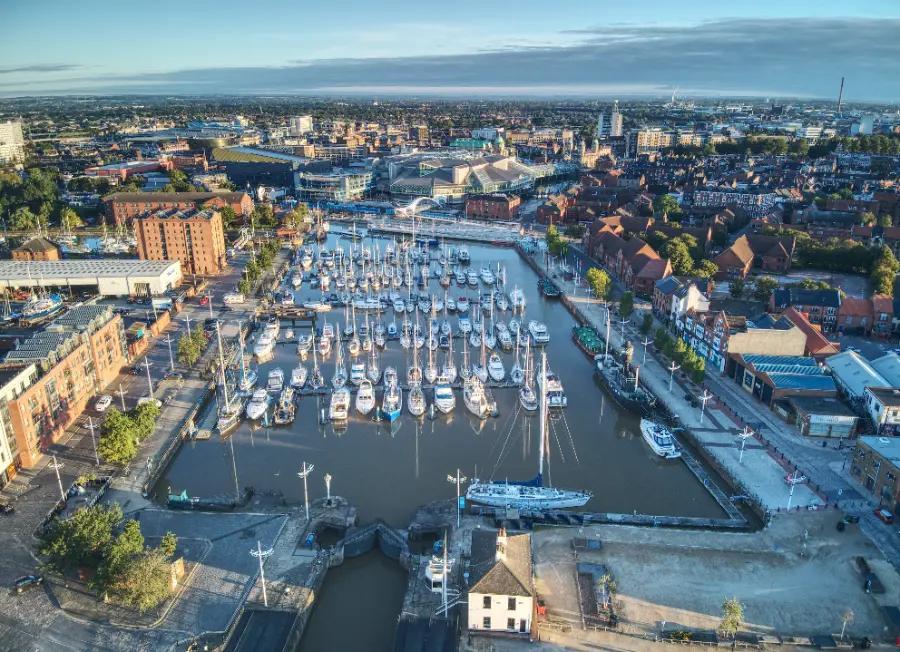
If you’re drawn to the water and prefer somewhere with character over polished perfection, Hull could be a great fit. It’s regularly listed among the most affordable places to live in the UK, with smaller homes costing around £130,000, and a price-to-earnings ratio of around 4.4, which is comfortably below the UK average.
Groceries and household bills tend to be cheaper than average, with lower prices in supermarkets helping keep weekly shops down. Dining out is refreshingly affordable; local pubs and cafés around the marina and Old Town frequently offer meals for under £15. Leisure is low-cost too, with free museums, galleries, and waterside walks.
Like many affordable cities, Hull does have higher crime levels in certain areas, particularly in parts of the inner city. Crime rates vary significantly by neighbourhood, so it’s important to research specific areas before choosing where to live.
However, if waterside living appeals to you, Hull has plenty going for it. The marina area and Humber estuary provide scenic views and relaxed walking routes, while the historic Old Town, with its narrow, cobbled streets, is a joy to wander through.
Hull was also named UK City of Culture in 2017, and has plenty of galleries, museums, and events, while East Yorkshire’s countryside and coastline are easily accessible. It also has direct rail links to Leeds, York, and even London – rare for a city of its size – and there’s a strong sense of local identity.
3. Belfast, Northern Ireland

House prices in Northern Ireland are well below the UK average, so it’s no surprise that Belfast is one of the most affordable places to retire. Whether you’re looking for a city centre flat or something larger in the suburbs, your money goes much further here; the average house price is £178,000, almost £100,000 less than the UK average.
Rental costs are also low compared to other major cities like London, Bristol, and Manchester, which is unusual for a capital city. Daily life in Belfast is relatively affordable, too. Everyday essentials from supermarkets tend to cost less than in many UK cities, and eating out remains good value, with casual meals often under £15. The city’s compact layout also helps keep transport costs down.
The cultural scene is thriving, too, with excellent museums, theatres, and live music venues. And there’s been significant regeneration in recent years, especially around the Titanic Quarter, giving parts of the city a more vibrant feel. Add in easy access to the coast and countryside, a welcoming atmosphere, and a strong sense of identity, and you can see the appeal.
Belfast is considered safe for a capital city, with overall crime levels comparatively low for a city of its size. Although, as in any urban area, some neighbourhoods are quieter than others.
One thing to bear in mind is that flights or ferries are needed to travel to mainland UK, which could be a factor if your family is based elsewhere. The buying process in Northern Ireland is also a little different from the rest of the UK, so it’s worth doing your homework before making a move.
4. Swansea, South Wales
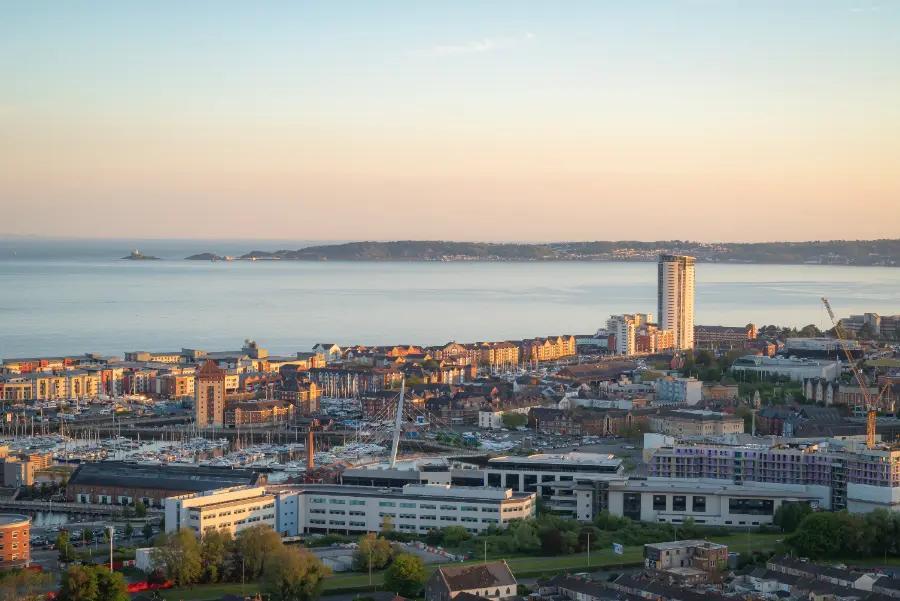
If you’ve always dreamt of retiring by the sea, Swansea is an excellent choice. Average flat prices are £149,000 and terraced homes are £159,000, with a price-to-earnings ratio of around 4.5 – far more affordable than most seaside hotspots in England. There are also plenty of smaller homes well suited to retirees, many of them very close to the beach.
Living costs here tend to feel more manageable day to day. Supermarkets offer good value, and dining out is affordable, with many cafés and restaurants along Swansea Bay offering meals in the £10–£15 range, particularly outside peak tourist season. Leisure is where Swansea really shines, with coastal walks and beaches providing free, everyday enjoyment.
Swansea Bay and the Gower Peninsula offer miles of gorgeous beauty, easy access to the sea, and an Area of Outstanding Natural Beauty right on your doorstep. Swansea also enjoys a slower, more relaxed pace of life, with a friendly, close-knit feel that many retirees find reassuring.
Swansea is generally considered a safe place to live, with lower crime levels than many larger UK cities, though it’s still worth comparing neighbourhoods to find the right fit.
While it’s further from major English cities, the city is well-connected within South Wales and has all the shops, healthcare, and amenities you need for daily living. Like much of coastal Wales, it can be rainy and windy at times, but the stunning surroundings more than make up for the wetter weather.
5. Glasgow, Scotland

Glasgow might be one of the UK’s largest cities, yet it’s far more affordable than many cities in England. If you’re looking for big-city living without the big-city price tag, it’s a top contender. Average property prices are around £189,000, and there are plenty of options, from tenements and flats to suburban homes.
The cost of living is manageable, too, and your money often goes further than you might expect for a city of this size. You’ll find a wide range of affordable supermarkets, and dining out is particularly good value, with early evening menus, ‘pre-theatre’ deals, and casual dining options often priced between £10–£18. Add in free museums and galleries, and it’s easy to maintain an active social life without overspending.
The city is very well connected; there’s an extensive rail and bus network, easy access to Edinburgh and other parts of Scotland, and an international airport, so it’s great for retirees who want to travel.
One of Glasgow’s biggest draws is its range of amenities. There’s excellent healthcare, including major hospitals like Glasgow Royal Infirmary (ranked Scotland’s best hospital in 2023), a wide choice of supermarkets and high streets, and a thriving cultural scene with venues like the King’s Theatre and Kelvingrove Art Gallery and Museum. This is the type of support and convenience that becomes increasingly important later in life.
Glasgow historically had higher crime rates than some UK cities, though these have fallen significantly over the past decade. Like any major city, Glasgow has areas that are more established and others that are still finding their feet, so location research is important.
However, Glasgow is known for its warm, friendly atmosphere and distinct neighbourhoods, from the buzzing West End to the more tranquil suburban areas. It’s also renowned for music, arts, and live events, so you won’t be short of things to do.
6. Lincolnshire
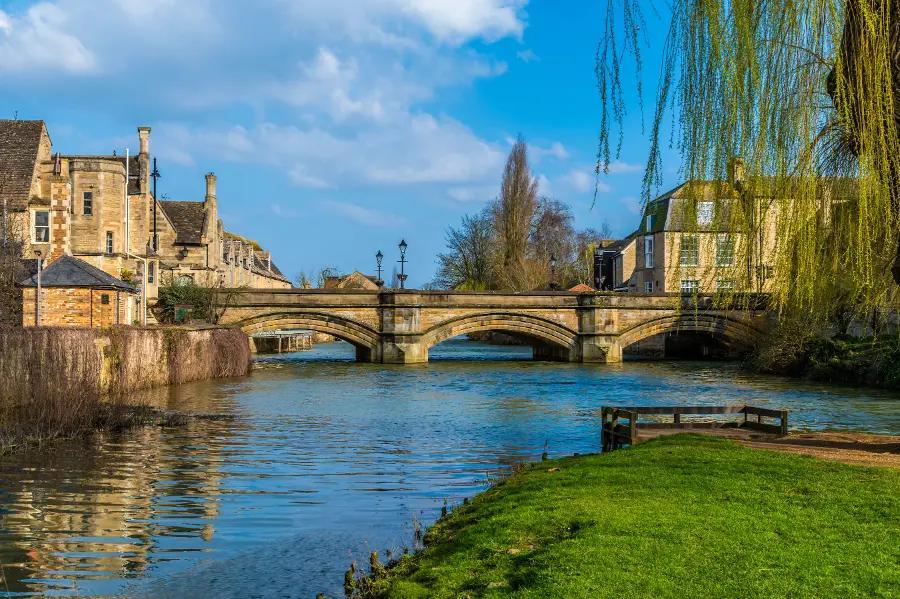
If you like the idea of rural living, Lincolnshire could be a smart choice. Property prices here can be well below the national average, particularly in smaller towns and villages, with prices around £200,000. The cost of living is lower, too, with affordable local services, cheaper groceries and dining, and lower council tax in many areas.
Lincolnshire is considered a relatively low-crime county, particularly in its rural areas, although some coastal towns can see seasonal increases during busier periods.
One of Lincolnshire’s biggest strengths is its variety. If you prefer city living, historic Lincoln offers culture and a livelier vibe, while coastal towns like Skegness provide traditional yet affordable seaside living. The county’s many rural villages are ideal if you’re looking for peace, space, and quiet, while market towns like Louth offer an appealing middle ground.
It’s worth noting that some rural areas have limited public transport, so you may need a car to get around. And, if you prefer a busy urban environment, the pace of life in Lincolnshire may feel too slow. But the warm, welcoming community is appealing for many retirees, particularly those who value outdoor space, local connections, and a quieter way of life.
7. Sunderland, North East England
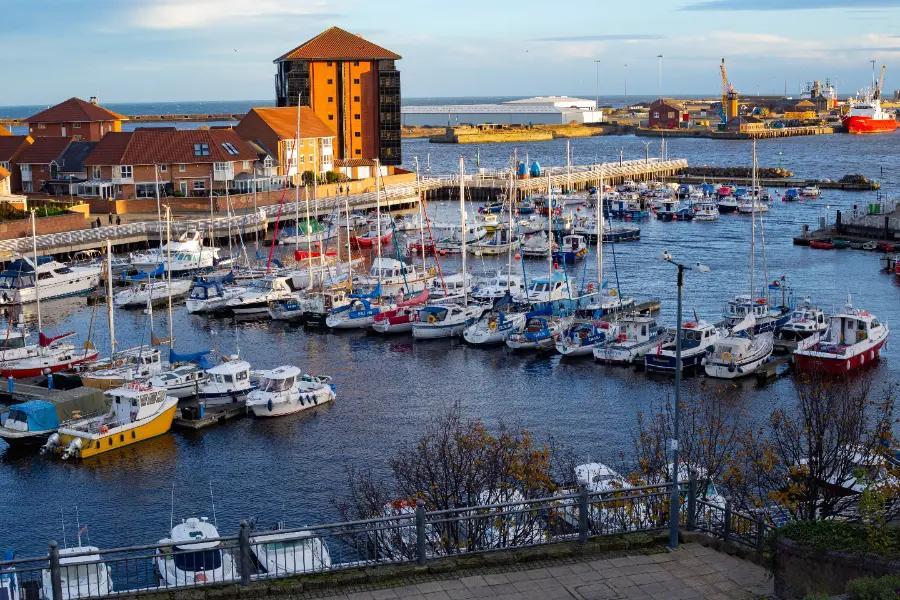
Sunderland is another more affordable option, with average house prices around £147,000. The cost of living is low, too, with day-to-day expenses often noticeably cheaper than in many other parts of the UK. Lower supermarket prices help keep grocery bills down, while local restaurants often offer meals for under £14.
Council tax is typically lower than in southern regions, and while energy costs are in line with the UK average, lower housing costs help offset overall expenses. Transport links are good – especially into Newcastle and across the wider North East.
Crime levels in Sunderland are broadly in line with other cities in the North East, with some urban areas seeing higher rates, while others remain quieter and more residential. However, coastal areas like Roker and Seaburn offer a relaxed lifestyle with seaside walks, cafés, and fresh sea air. Parks and nature reserves are within easy reach, and there’s a strong local identity and friendly atmosphere.
Another big plus is Sunderland’s proximity to Newcastle, which means you can enjoy all the perks of a big city – shopping, theatres, hospitals, etc. – without paying big-city prices. And Sunderland itself is undergoing significant renewal; over £560 million has already been invested in recent years in what’s been described as one of the UK’s most ambitious regeneration programmes.
Get your free no-obligation pension consultation
If you’re considering getting professional financial advice, Fidelius is offering Rest Less members a free pension consultation. It’s a chance to have a Chartered independent financial adviser give an unbiased assessment of your retirement savings. Fidelius is rated 4.7/5 from over 2,600 reviews on VouchedFor.
Your pension review is free and with no obligation, but if your adviser feels you’d benefit from paid financial advice, they’ll explain how that works and the charges involved. Capital at risk.
8. Bradford, West Yorkshire

Bradford has some of the lowest housing costs of any major UK city, making it especially appealing if you’re looking to stretch your retirement income. The average house price is £189,000, and typical rents sit at around £729, far below what you’d pay in southern England.
Day-to-day costs are lower here, too, thanks to well-priced supermarkets, local markets, and a strong independent food scene that helps keep grocery bills manageable. Bradford is particularly known for its excellent-value dining – especially South Asian cuisine, where you can enjoy a meal for well under £10 in some areas.
There are good transport links to nearby cities like Leeds, allowing you to take advantage of big-city amenities without the price tag. The Yorkshire Dales and other beautiful areas of countryside are within easy reach, while the nearby village of Saltaire – a UNESCO World Heritage Site – adds a dose of culture and history.
Bradford does have a mixed reputation, however, and certain parts of the city are less sought-after. While some central areas have higher crime rates, many suburbs are quieter, greener, and more residential, so choosing the right neighbourhood makes a big difference. But, like Sunderland, Bradford is undergoing major regeneration, and the city centre is changing quickly.
The city itself also has a strong sense of community, a diverse cultural mix, and a thriving food scene, while green spaces like Lister Park are peaceful and well-kept. Being named UK City of Culture 2025 has also brought new energy and attention to the city, proudly showcasing its creative legacy and vibrant, multicultural present.
Final thoughts…
The eight locations above are just a selection of some of the UK’s most affordable retirement spots.
Ultimately, the best place to retire isn’t just about cheap property and affordable costs of living; it’s about a place that allows you to live comfortably, stay connected, and actually enjoy life.
If you’re open to broadening your search, you might be surprised by what’s out there. From vibrant cities to peaceful coastal towns and rural escapes, affordable shouldn’t have to mean compromising on lifestyle.
Before making any big decisions about a move, it’s definitely worth spending time in areas you’re interested in, exploring different neighbourhoods, and thinking about the things you value most – not just now, but in the years to come, too.
For more inspiration, check out our article: 15 of the best places to retire in the UK.
Would you be open to living in any of these eight locations? Do you have your own suggestions for the most affordable places to retire? We’d love to hear from you in the comments below.
Selene Nelson is an author, freelance journalist, and lifestyle writer for Rest Less. After graduating from the University of Sussex with a degree in English Literature, Selene began contributing to many major newspapers and websites, and has written for the BBC, The Sunday Times, The Independent, Town & Country, and HuffPost. Her specialist subjects include food, travel, and health, though she enjoys writing about a wide range of topics (e.g. her two books are about veganism and psychopathy, respectively!). She enjoys cooking (particularly pasta and Asian noodle soups), reading, travelling, hiking, attempting to keep fit, and watching animal videos on YouTube.
* Links with an * by them are affiliate links which help Rest Less stay free to use as they can result in a payment or benefit to us. You can read more on how we make money here.

The simple, one-box selling solution
Put old electronics, jewellery, watches and more in one box. Send it to Vintage.com (formerly Vintage Cash Cow) for free and receive one fair offer.
Join the discussion
Read our full commenting terms and guidelines