- Home
- Leisure & Lifestyle
- Home & Garden
- Winter damp and mould – what are the risks and how can you prevent it?
How does Rest Less make money
We make money through advertising and commission from affiliate links, which enable us to offer Rest Less as a free service to our users. The content on this page may use affiliate links, which track traffic from our website to a third party provider and enable us to receive a commission or payment from any traffic we refer.
* Affiliate links on this page have an * next to them. We place enormous importance on our editorial independence and the integrity of our content which means that we will never change how we write about something as a result of an affiliate link.
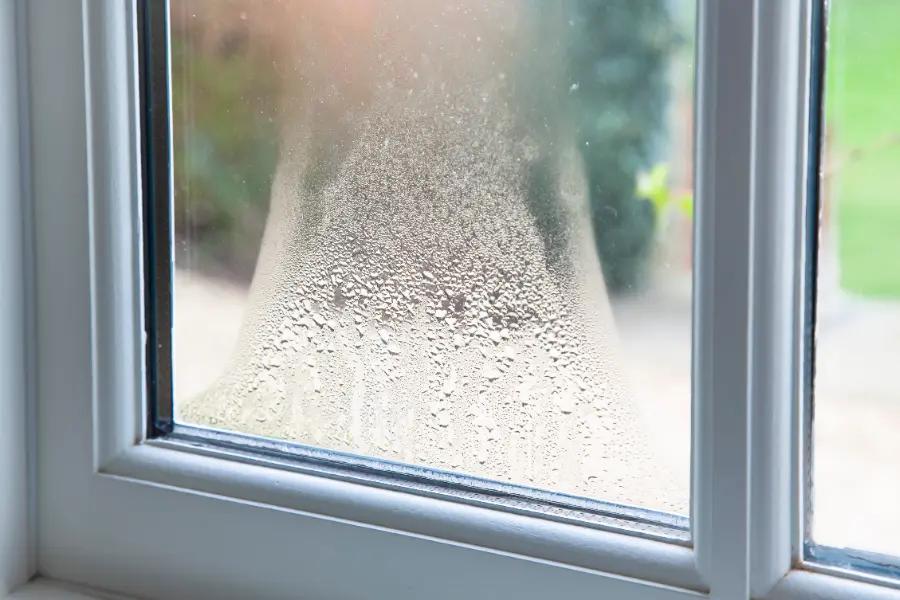
Whether you rent or are a homeowner, finding damp and mould in your home is one of the last things you’ll likely want to find. As well as making your space feel cold and unwelcoming, living in damp conditions can be dangerous for health.
Yet, according to the UK government, the number of homes in England with damp and mould could range from 5% to 27% – the equivalent of 942,000 to 6.5 million households.
Luckily, damp and mould can often be treated without professional help, and there are steps you can take to help prevent them in the first place.
Here, we’ll take a closer look at damp and mould in homes, including causes, warning signs, and how to reduce your risk.
What are damp and mould?
Damp occurs in homes when excess moisture becomes trapped inside. This can be caused by leaks, condensation, poor ventilation, rising damp, and structural issues.
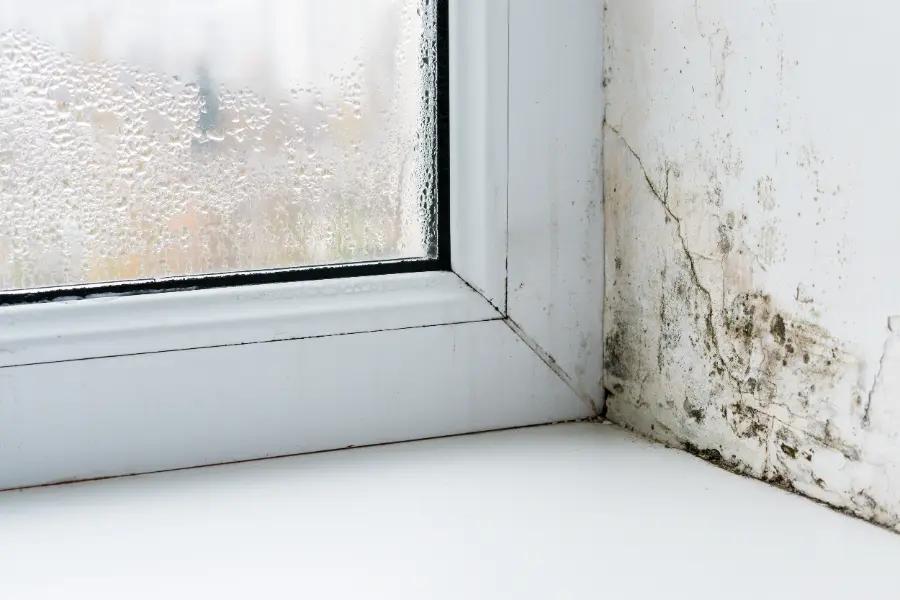
In some cases, damp can lead to mould growth. Mould is a type of fungus that varies widely in appearance – it can be black, white, yellow, blue, or green, and may appear fuzzy, velvety, or rough. In some cases, mould may simply look like stains or discolouration on a surface.
Some of the most common types of indoor mould include…
- Cladosporium – grows in both cool and warm areas, most commonly seen on fabrics and wood surfaces
- Penicillium – often appears indoors, typically on powdery food items and building materials like plasterboard
- Aspergillus – has a green/blue appearance and usually grows on materials with water damage
To spread, grow, and defend themselves, bacteria, plants like moss and ferns, and fungi like mould produce cells called spores. Due to their thick walls, spores can resist high temperatures, humidity, and other environmental conditions.
There’s no way to prevent mould spores completely – you’ll find them in all indoor environments. However, mould only thrives in certain conditions, particularly warm, moist, damp areas with a supply of necessary nutrients. For example, wet cellulose materials, including cardboard, ceiling tiles, wood, insulation materials, fabrics, and paper products like wallpaper, tend to be most supportive of mould growth.
You’ll probably be able to see or smell whether you have damp or mould in your home, particularly in winter. However, there are also several warning signs to look out for year-round, such as speckled black marks, stains, and discolouration on walls and moisture build-up on windows.
What causes damp and mould in homes?
According to experts, there are three main causes of damp and mould within properties.
Condensation
According to experts, condensation is the most common cause of damp and mould in homes, particularly during winter.
As the weather gets colder and people turn their heating on, windows are usually closed. Research shows that the average family produces around 20 pints of moisture per day in an unvented property. Without proper ventilation, this moisture condenses, causing damp and increasing the risk of mould growth.
Some common signs of damp inside a property include…
- A damp, musty smell
- Walls, floors, or ceilings that feel cold or damp
- Lifting or peeling wallpaper
- Excessive condensation on windows
Penetrating damp
Penetrating damp occurs when structural issues allow water to enter a property. For example, a roof leak, leaky water pipes, cracks in brickwork, or poor repair of window or door frames.
Signs of penetrating damp include water staining (typically yellowy-brown in colour) in a particular area where water is entering the property. You may also notice damaged/misshapen plaster (plaster will blister or show signs of disintegration) and rotting floor timbers or skirting boards.
Rising damp
In the UK, it’s a legal requirement for buildings to have a damp proof course (DPC). DPCs are physical or liquid barriers installed in the walls of a building to prevent moisture rising from the ground and causing damage.
Rising damp occurs when the DPC of a building deteriorates or breaks down. Signs usually include damp or wet patches on walls, rotten skirting boards and flooring, and salts forming within flaky or bubbling plaster.
Because having a DPC became a legal requirement in 1875, some older buildings may not have one.
What are the potential health risks of damp and mould in the home?
Damp and mould can produce allergens, irritants, mould spores, and other toxins that can harm health.
Even if mould isn’t visible, experts say that damp alone can increase the risk of health issues. This is because excess moisture can promote the growth of species like dust mites, bacteria or viruses, as well as mould and other fungi. The more widespread the damp and mould is and the longer it’s left untreated, the more serious the health risks.
Damp and mould can affect anyone, but some people are more at risk. This includes those with allergies, existing respiratory issues, or a weakened immune system.
We’ll cover some of the main health risks below.
Breathing issues
The respiratory system is most commonly affected by damp and mould. This is because people primarily come into contact with the substances they produce by breathing them in.
According to the UK government, the respiratory impacts of damp and mould can cause serious health issues and, in severe cases, even death. This includes…
- General symptoms such as coughing, wheezing, and shortness of breath
- A higher risk of airway infections, including an airway infection caused by the fungus Aspergillus
- Development or worsening of allergic airway conditions, such as rhinitis, asthma, and other conditions that involve inflammation of the airways (for example, bronchitis and chronic obstructive pulmonary disease (COPD))
In 2019, for example, statistics linked damp and/or mould in English homes with around 5,000 asthma cases and 8,500 lower respiratory infections among children and adults, as well as 1% to 2% of new cases of allergic rhinitis.
Experts also emphasise that other data sources suggest the percentage of homes affected by damp and/or mould may be higher than the figures used for the study – meaning the total number of cases could be three to eight times greater.
Tragically, in December 2020, two-year-old Awaab Ishak died from a severe respiratory infection that was caused by prolonged exposure to damp and mould in his home. Following this, the UK government produced up-to-date practical steps to address and prevent damp and mould in homes.
Other physical health risks
Alongside respiratory issues, research has identified other health risks of damp and mould exposure. In this study, an increased risk of eczema, other skin rashes, and general skin irritation were among the health risks noted.
Mental health
Studies suggest that living in a damp or mouldy home may negatively affect mental health.
Among other things, experts say this could be due to…
- Unpleasant living conditions
- Destruction of property and belongings
- Frustration over poor advice and/or being blamed for the damp and mould
- Anxiety relating to potential health impacts and/or caring for a relative living with damp or mould-related illnesses
- Social isolation due to not wanting others to see their home
- Delays in response or to repairs after reporting damp and mould, or poor quality repairs
8 ways to prevent damp and mould in your home
Having damp and mould in your home can be distressing. However, the good news is that experts say it can often be treated and prevented without needing to call in professionals. We’ll cover some ideas below.
1. Take steps to regulate temperature
Condensation occurs when warm, moist air comes into contact with a cold surface, such as windows.
For this reason, taking steps to maintain a constant temperature within your home can help prevent sudden spikes and dips in temperature, which can cause condensation.
If your central heating system was installed a while ago, programmable room thermostats and thermostatic radiator valves can make it easier and more efficient to regulate temperature. Smart Home devices also allow you to monitor temperature and energy usage.
2. Keep on top of outdoor home maintenance
As with many things, prevention is usually better than cure when it comes to damp issues. For this reason, regularly checking the outside of your home for damage and structural issues, particularly after wet, stormy weather, can be helpful.
According to experts, other useful steps to take include clearing gutters, inspecting exterior brickwork for erosion or cracks, and contacting a professional for repairs if you notice any crumbling.
3. Improve ventilation
Providing a route for moisture to escape from your home is key for reducing condensation.
This includes opening windows frequently, installing extractor fans in bathrooms and kitchens, and ensuring washing machines and tumble dryers are plumbed in and vented correctly.
4. Produce as little moisture as possible
Moisture build-up can be tricky to avoid, particularly in winter. However, simple steps can make a big difference.
For example, drying clothes indoors can create condensation, so hanging them outdoors or using a tumble dryer can be helpful. Providing it doesn’t rain, clothes can still dry fairly quickly outside in winter on rotary dryers.
Where possible, experts also recommend avoiding home improvement and cleaning projects that create a lot of moisture during winter, because surfaces dry less quickly. Things like painting, decorating, and cleaning windows may be better saved for days when you can comfortably leave windows open to improve airflow.
5. Remove excess moisture
Using devices like dehumidifiers and moisture absorbers can help remove excess moisture from your home.
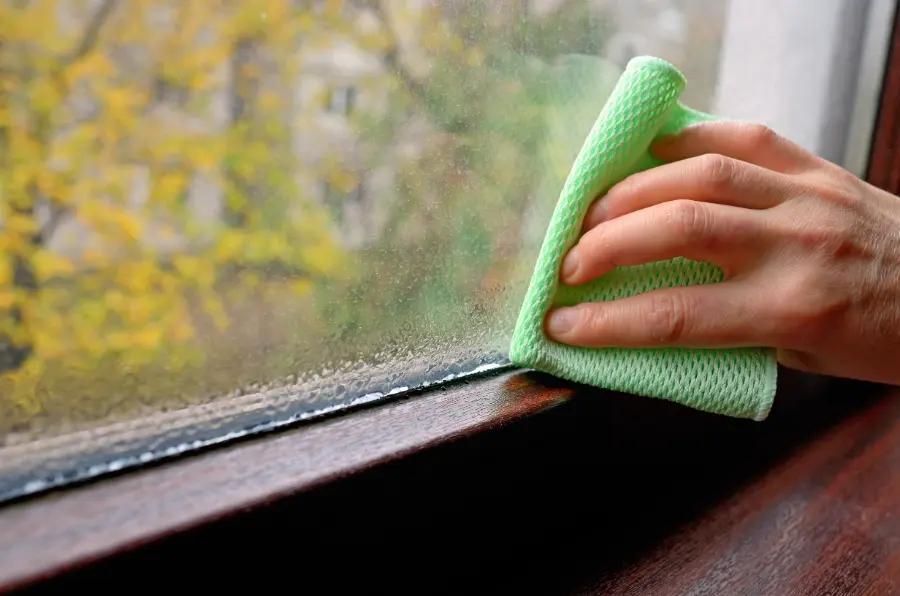
If condensation regularly occurs on windows, using a window vac or chamois leather cloth to remove the water will help rooms dry out quicker, too.
6. Be mindful when cooking
Boiling kettles and using pans on the stove produces lots of steam and moisture. So, covering pans with a lid and leaving extractor fans on for five minutes after cooking to help clear the air can be useful.
It’s also important to regularly replace extractor fan filters to ensure they’re working properly.
7. Allow furniture to breathe
It’s common for condensation to build behind furniture that touches outer walls, sometimes leading to mould growth.
Positioning furniture a few centimetres away from external walls can improve air circulation and reduce risk.
If you notice a lot of condensation on windows, choosing curtains or blinds that can be moved well clear of frames can be helpful. For example, having longer curtain rails that allow you to pull open curtains well away from windows.
8. Address existing damp and mould
If you’re struggling with damp and mould in your home, it’s important to remove it as soon as possible or seek professional help. Alongside the health risks, damp and mould can also lead to dangerous issues like faulty electrical wiring.
B&Q have a guide to removing mould and repairing damage caused by damp on their website.
If you’re a council tenant or leaseholder and are affected by damp or mould in your home, it’s important to report it to your local council and/or landlord. Landlords have a legal duty to ensure properties are safe and free from health risks like mould and damp, and must have clear processes for tenants to report issues.
Final thoughts…
Finding damp and mould in your home can be upsetting. And in winter, when the days are colder and darker, it can be difficult to avoid. Luckily, there are steps you can take to help treat and prevent damp and mould.
That said, if you’re concerned about damp and mould in your home, it’s important to seek professional help or contact your landlord if you rent. Everyone has the right to live in a safe home free from damp and mould.
For further reading, head over to our home and garden section.
Do you have any other tips for preventing damp and mould in the winter? We’d be interested to hear from you in the comments below.
Francesca Williams is a senior lifestyle writer at Rest Less. She joined Rest Less in early 2021 after achieving a first-class degree in History at the University of Sheffield and qualifying as an NCTJ Gold Standard Journalist. Francesca is a qualified Level 3 Personal Trainer and writes across a range of lifestyle topics, specialising in health. In her spare time, Francesca likes to keep herself busy going to the gym, dancing, spending time with friends and family, and getting involved with her local church.
* Links with an * by them are affiliate links which help Rest Less stay free to use as they can result in a payment or benefit to us. You can read more on how we make money here.

Start your new chapter abroad with this free retirement guide
With Your Overseas Home, you will receive honest guidance, expert advice and a helping hand every step of the way.
Download the free guide to find out how to cut everyday living costs, get tax, pension and visa checklists, and discover top tips from the expat community.
Join the discussion
Read our full commenting terms and guidelines