
How does Rest Less make money
We make money through advertising and commission from affiliate links, which enable us to offer Rest Less as a free service to our users. The content on this page may use affiliate links, which track traffic from our website to a third party provider and enable us to receive a commission or payment from any traffic we refer.
* Affiliate links on this page have an * next to them. We place enormous importance on our editorial independence and the integrity of our content which means that we will never change how we write about something as a result of an affiliate link.
The UK has an impressive collection of lively cities, stunning national parks, and historic monuments. But in between the larger landmarks, many quieter towns and villages have unique stories to tell.
Visiting a calmer town or village can offer a welcome break from the noise and busyness of life, and a glimpse into fascinating aspects of British history that may otherwise have remained untouched.
With that said, here are 11 historic towns and villages to visit in the UK.
And, if you’d like to plan your next holiday, you can find hundreds of UK staycation deals on our website below.
1. Castle Combe, Cotswolds
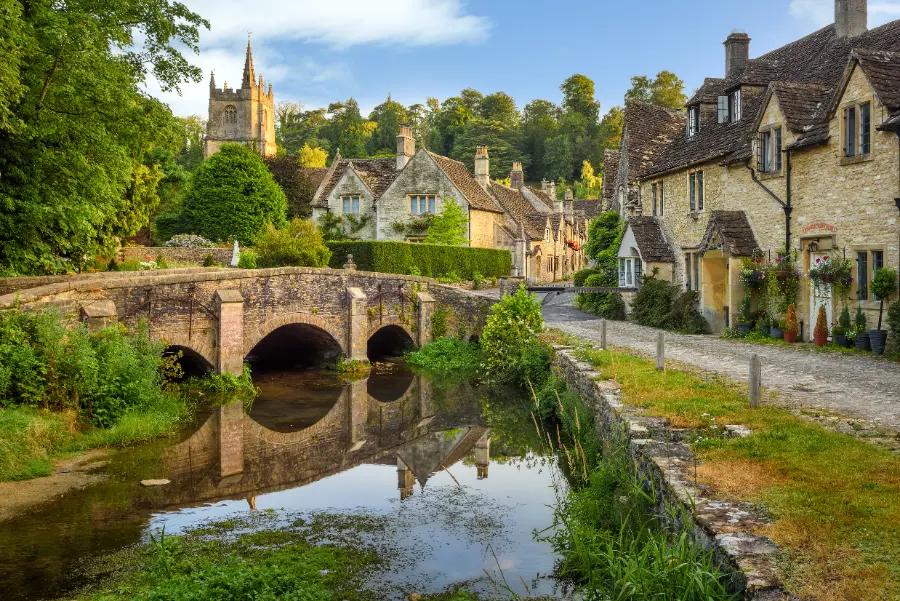
Often called ‘The Prettiest Village in England’, Castle Combe has everything you’d expect from a picture-perfect Cotswolds village. Honey-coloured stone cottages sit peacefully beside the tranquil Bybrook River, surrounded by a patchwork of rolling hills, pretty woodland, and vast meadows. Originally a British hill fort, Castle Combe was occupied by the Romans and Normans before it flourished into a prominent centre for the wool trade in the Middle Ages.
Today, Castle Combe’s remarkably well-preserved monuments and architecture make the town a delight to explore. The fact that no new houses have been built in its centre since the 1600s only adds to its timeless beauty. Marvel at the Market Cross and stunning stained glass windows of St Andrew’s Church (said to be home to one of Britain’s oldest working clocks), before settling in for some tasty pub grub in one of the welcoming inns.
2. Linlithgow, West Lothian
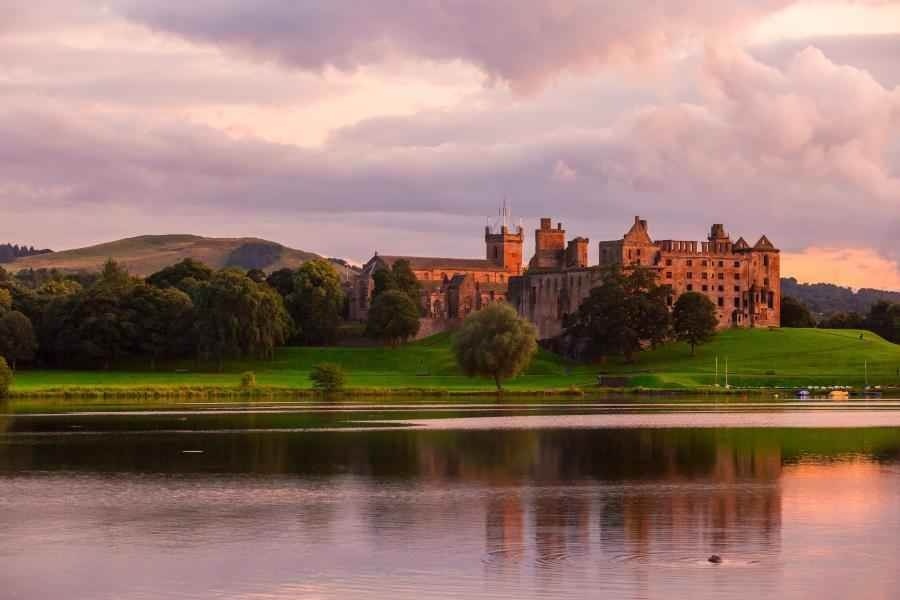
Just an hour’s drive from Edinburgh, the thriving town of Linlithgow is popular for its royal connections, picturesque surroundings, and enchanting wildlife. Enjoy Linlithgow’s canal culture, pretty buildings, and varied collection of independent shops, cafes, and boutiques. Or head to nearby Beecraigs Country Park, where red deer, highland cattle, and belted galloways reside.
Linlithgow Palace is undoubtedly the highlight of this ancient town. Famous for its connections to Mary Queen of Scots, who was born here in 1542, the magnificent ruins and surrounding grounds are perfectly positioned beside Linlithgow Loch – ideal for exploring, picnicking, and spotting local wildlife. To discover more of the town’s history, Linlithgow Museum is a must-visit.
3. Grasmere, Lake District
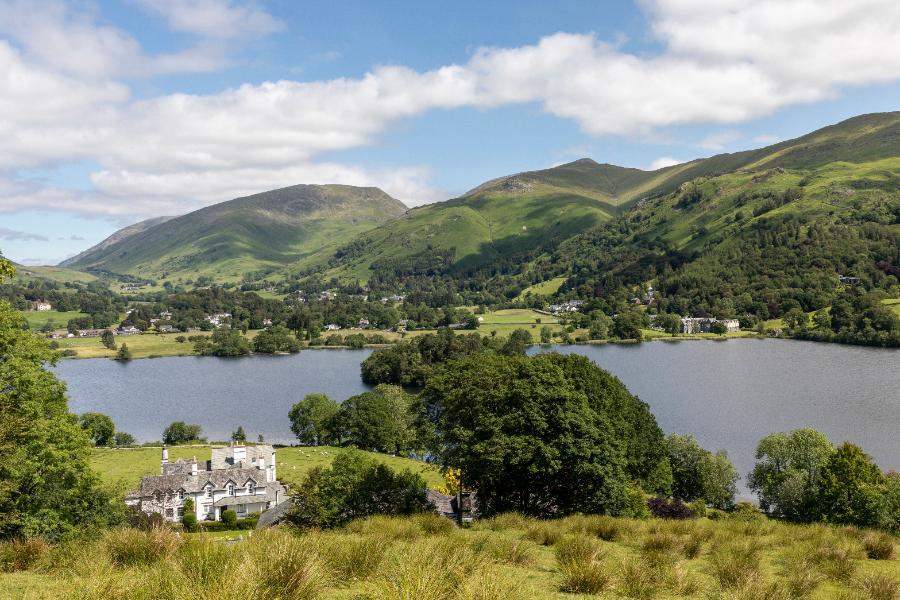
Grasmere is a scenic village in the heart of the Lake District where natural beauty abounds. Famously, the home of William Wordsworth, who once described it as “The most loveliest spot that man hath found”, Grasmere is the ultimate destination for a tranquil escape. Here, Victorian villas and characterful cottages sit against a backdrop of rolling hills, mountains, and, of course, the beautiful Grasmere Lake.
Visitors can explore the Wordsworth Museum and Dove Cottage, Wordsworth’s former home, to learn more about the poet’s life through a vast collection of manuscripts and memorabilia. And the 13th-century church of St. Oswald’s in the village centre is the poet’s final resting place. For some fresh air, enjoy a stroll around the lakes, take a rowing boat out on the water, or taste-test the famous Grasmere Gingerbread.
4. Portmeirion, Gwynedd
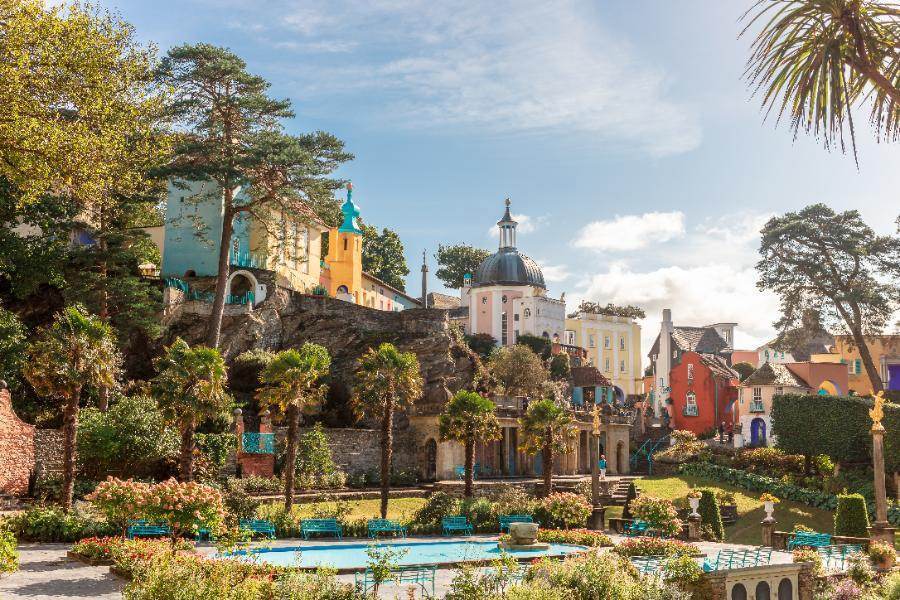
The Italian-inspired paradise of Portmeirion isn’t your typical Welsh village. Designed and created by Welsh architect Clough Williams-Ellis between 1925 and 1976, he wanted to demonstrate that a naturally beautiful area could be developed without spoiling its charm. The result? A Mediterranean-style village marked by colourful buildings, ornamental gardens, and pretty plazas. A visit here isn’t one you’re likely to forget.
Uncover Portmeirion’s unique history through its various shops, cafes, exhibitions, and audio displays before entering the surrounding 70 acres of exotic woodlands, where coastal caves and other hidden gems await. The sub-tropical garden of Y Gwyllt (‘the Wild’) is home to some of Wales’ largest and rarest trees, and the Dwyryd Estuary’s white sandy beaches harbour hidden gullies and interesting plants.
5. Bamburgh, Northumberland
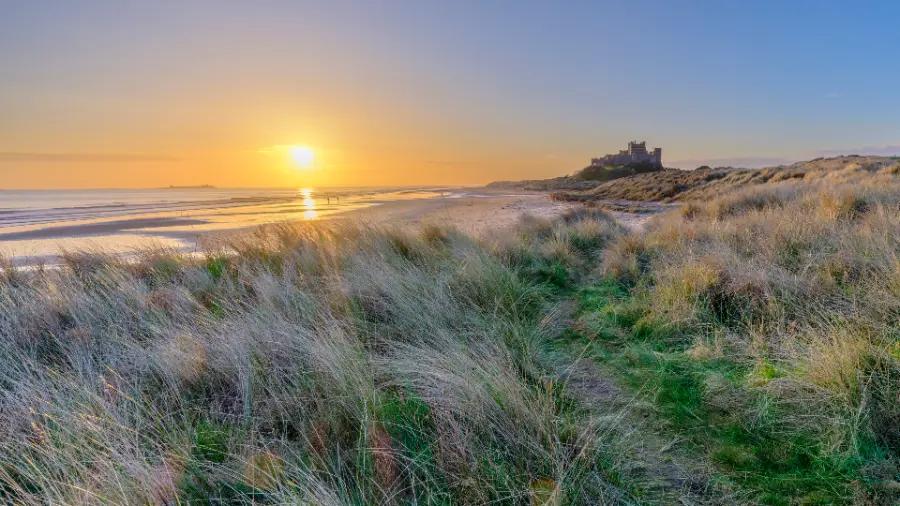
Once the royal capital of the ancient kingdom of Northumbria, the coastal village of Bamburgh has a rich history spanning over 1,400 years. You can explore its iconic castle, which has been the site of everything from Viking raids to 15th-century sieges during the Wars of the Roses, and enjoy a refreshing stroll on the vast golden sands that surround it.
In Bamburgh itself, you’ll find cute cafes, welcoming restaurants, and an iconic landmark red phone box. Other historical must-sees are Bamburgh Ossuary – the final resting place of the bones of people from the sixth and seventh centuries – and the RNLI Grace Darling Museum, which tells the story of local heroine Grace Horsley Darling. Alternatively, on a trip to the nearby Farne Islands, you can spot puffins, razorbills, Atlantic grey seals, and more.
6. Carrickfergus, County Antrim
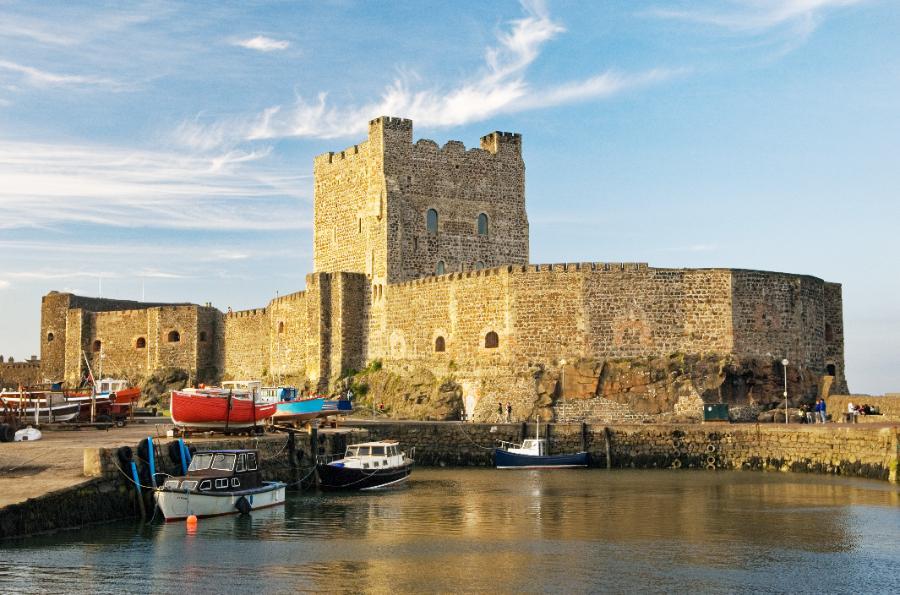
As the oldest town in County Antrim and one of the oldest in Northern Ireland, Carrickfergus boasts a rich history – particularly centred around its magnificent Norman castle. Founded by John de Courcy after his 1177 invasion, the castle served as a significant military stronghold for over 800 years. Today, it remains one of the best-preserved medieval structures in Ireland.
In Carrickfergus town, enjoy a walk along the promenade or pay a visit to the Andrew Jackson Cottage & US Rangers Museum, dedicated to the elite American Army Unit founded here in 1942. For something completely different, enjoy a sea safari to see Ireland’s only mainland colony of Puffins, as well as seals, Lion’s Mane jellyfish, Razorbills, and much more.
7. Lavenham, Suffolk
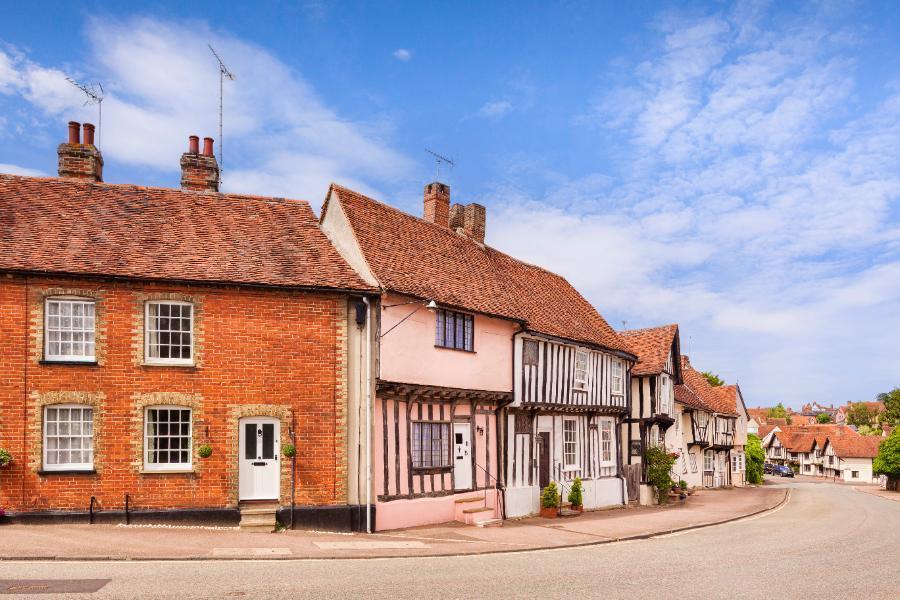
Nestled in the heart of the beautiful Suffolk countryside, Lavenham is considered by many to be England’s ‘best-preserved medieval village’. The peaceful streets are home to traditional tea rooms, crooked timber-framed houses, and a rich collection of over 300 listed buildings – including Lavenham Guildhall, dating back nearly 500 years.
Thanks to its production of a blue wool broadcloth known as Lavenham Blue, Lavenham temporarily became one of the UK’s wealthiest settlements in medieval times. However, changing fashions and disrupted trade routes brought this to an end, resulting in a village whose medieval marks remain largely untouched today. Visit the stately church of St Peter and St Paul, built with cathedral-like proportions, or uncover the history of Lavenham’s Catholic Guild at the Guildhall Museum.
8. Arundel, West Sussex
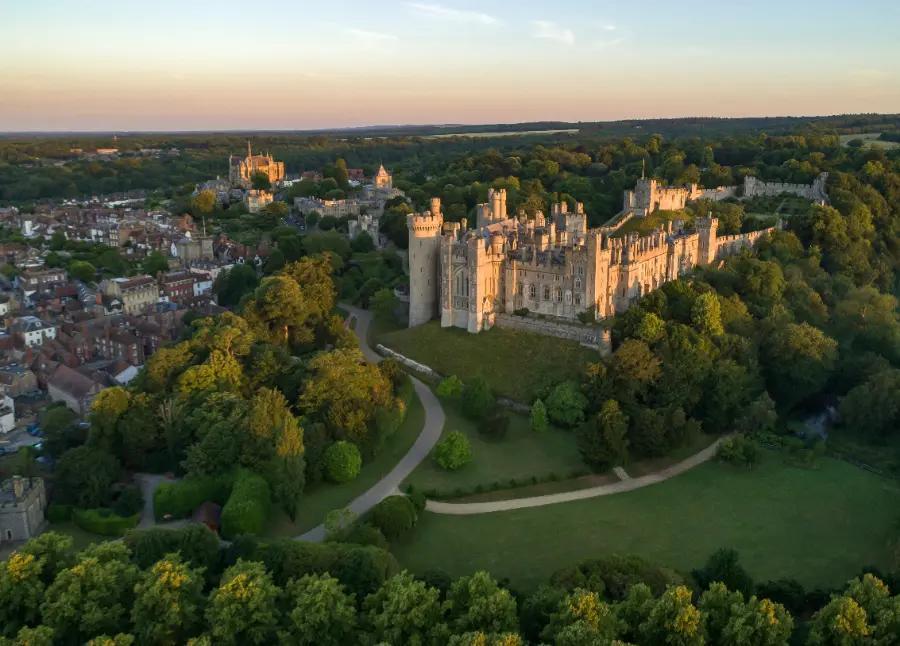
The market town of Arundel, West Sussex, stands out for its stunning medieval castle, Gothic cathedral, and location on the River Arun. Arundel Castle offers a glimpse into the lives of the Dukes of Norfolk and their ancestors, who have resided there for over 850 years. And the more modern 19th-century cathedral boasts fine examples of French Gothic architecture.
The cobblestone streets of Arundel’s historic town centre are full of independent shops, cafes, and art galleries. And Arundel Lido and nearby Swanborne Lake are a haven for outdoor enthusiasts. Rent a rowing boat, enjoy peaceful lakeside walks, or take a refreshing swim in the lido’s heated outdoor pools. Arundel is also a gateway to the beautiful South Downs, making it an ideal base for walking and exploring the great outdoors.
9. Eyam, Derbyshire
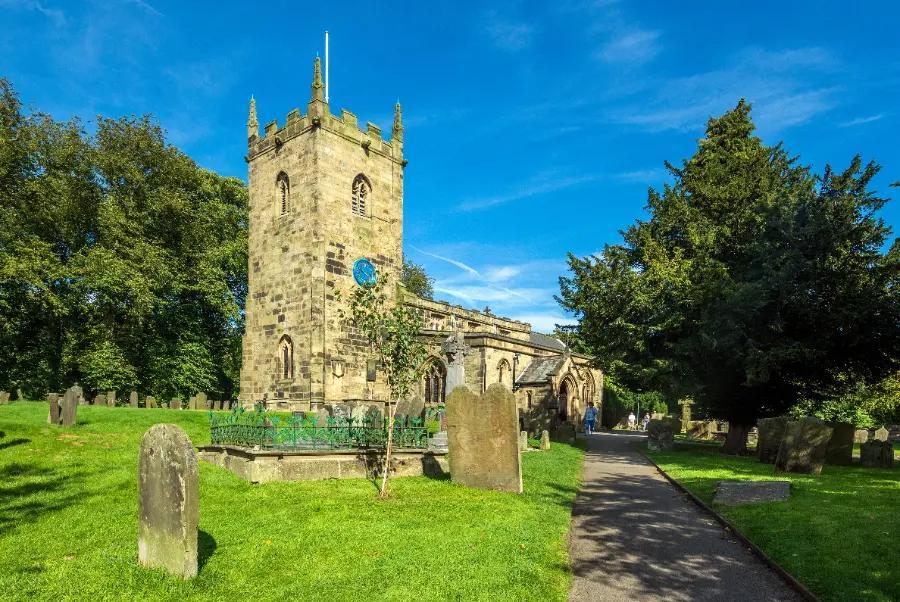
The quiet village of Eyam in Derbyshire sits in the heart of the Peak District. Known as the ‘Plague Village’, Eyam became known for its self-imposed quarantine during 1665 and 1666. After the arrival of the Black Death, the entire village sealed itself off from the outside world to prevent the disease from spreading to nearby communities. While undoubtedly saving thousands of lives, this sacrificial move came at a cost, and Eyam suffered a death toll higher than London’s.
Today, boards listing the names of those who died remain outside houses, and a famous Boundary Stone where merchants from neighbouring areas left supplies lies just beyond the village. You can also learn more about Eyam’s rich yet troubled past in its local museum. Plus, the village is dotted with several lovely tea rooms, two historic pubs (one of which has been running since 1597), and stunning walking trails await in the nearby Peak District.
10. Whitby, North Yorkshire
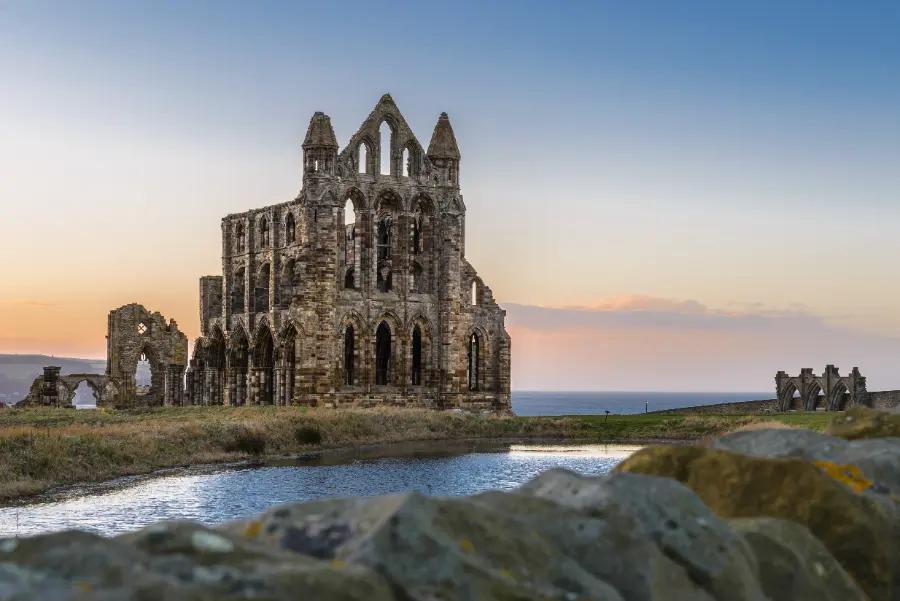
Nestled on England’s North East Coast, the ancient seaport of Whitby in North Yorkshire is famous for its historic abbey, maritime past, and connections to Dracula and Captain Cook. The Abbey is undoubtedly Whitby’s most prominent landmark. Dating back to 657 AD, it became one of the most important religious centres in the Anglo-Saxon world. And today, its impressive medieval ruins dominate the headland.
Learn more about the Abbey’s rich history in the onsite museum, or reflect on the dramatic ruins and surrounding coastal scenery that inspired author Bram Stoker to write his novel, Dracula. In Whitby town, the Captain Cook Memorial Museum, housed where the famous explorer once lodged, details Cook’s life and experiences at sea. And, Whitby Harbour offers a welcome break to enjoy some picturesque views and tasty food.
11. Polperro, Cornwall
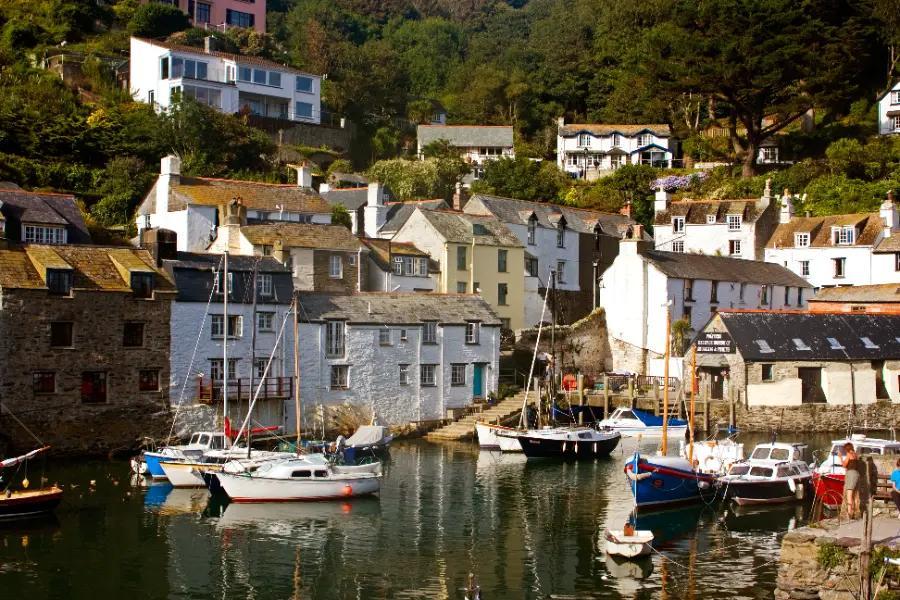
Polperro is an unspoilt 13th-century fishing village on Cornwall’s south coast with a rich history of smuggling. Its isolated location, paired with the community’s willingness to participate in illicit trade, saw Polperro become a major centre for the illegal trade of goods from France and Guernsey during the 18th century. Zephaniah Job, a local merchant, became known as the ‘Smugglers Banker’ for his role in these operations.
Uncover the village’s history of smuggling and fishing through the exhibitions and artefacts housed at the Polperro Heritage Museum, or explore Polperro Model Village, which tells stories of the area’s myths and legends. Plus, located on the South West Coast Path, Polperro is a gateway to miles of hiking trails that wind along Cornwall’s dramatically beautiful coastline. After a day of exploring, Polperro’s pretty harbour is the ideal place to breathe in fresh sea views and perhaps grab a warming pasty.
Final thoughts…
The UK has a long, rich, and varied past, and exploring its wonderful collection of unique towns and villages is a great way to uncover some of history’s more local, personal stories.
For more inspiration, head over to our travel section. Here, you’ll find information on everything from city breaks and rail holidays to UK staycations.
Which of these towns and villages would you like to visit most? What’s your favourite period of UK history? We’d love to hear from you in the comments below.
Francesca Williams is a senior lifestyle writer at Rest Less. She joined Rest Less in early 2021 after achieving a first-class degree in History at the University of Sheffield and qualifying as an NCTJ Gold Standard Journalist. Francesca is a qualified Level 3 Personal Trainer and writes across a range of lifestyle topics, specialising in health. In her spare time, Francesca likes to keep herself busy going to the gym, dancing, spending time with friends and family, and getting involved with her local church.
* Links with an * by them are affiliate links which help Rest Less stay free to use as they can result in a payment or benefit to us. You can read more on how we make money here.
See the best holiday deals today
Whether you’re looking for a last-minute getaway, city break, cultural tour, or the trip of a lifetime – search over 20,000 exciting deals from over 20 leading providers, with options to suit all budgets and tastes!
Join the discussion
Read our full commenting terms and guidelines