Sponsored content

logoTucked away in Northeastern Europe, Estonia is a hidden gem that deserves a spot on anyone’s
travel wish list.

This small Baltic nation is bursting with diverse experiences and year-round adventures, boasting a captivating blend of old-world charm and modern innovations.

From culture-rich cities like Tartu and Tallinn to peaceful islands like Saaremaa, Vilsandi, and Kihnu, Estonia is home to beautifully varied landscapes. There’s something for everyone – whether you enjoy experiencing unique cultures, unwinding in glorious natural landscapes, or treating your taste buds. Estonia’s culinary scene is exceptional, with delicious local eateries around every corner and 43 restaurants featured in the 2025 Michelin Guide.

Plus, Estonia is just three hours away from the UK with Ryanair, Wizz Air, and Air Baltic offering direct flights from London to Tallinn. A new Finnair flight from London Heathrow via Helsinki to Estonia’s largest island, Saaremaa, will operate this summer, from 8th June to 7th August, too – perfect for those seeking an island escape.

To give you an idea of what this destination offers, we’ve partnered with Visit Estonia to bring you 10 reasons to add Estonia to your travel wish list. Their website offers plenty of up-to-date information to help you plan your trip, including maps and how to get around; ideas for what to see, do, and eat; and tips on weather and safety.
1. There are thousands of islands to explore

There are thousands of islands to explore

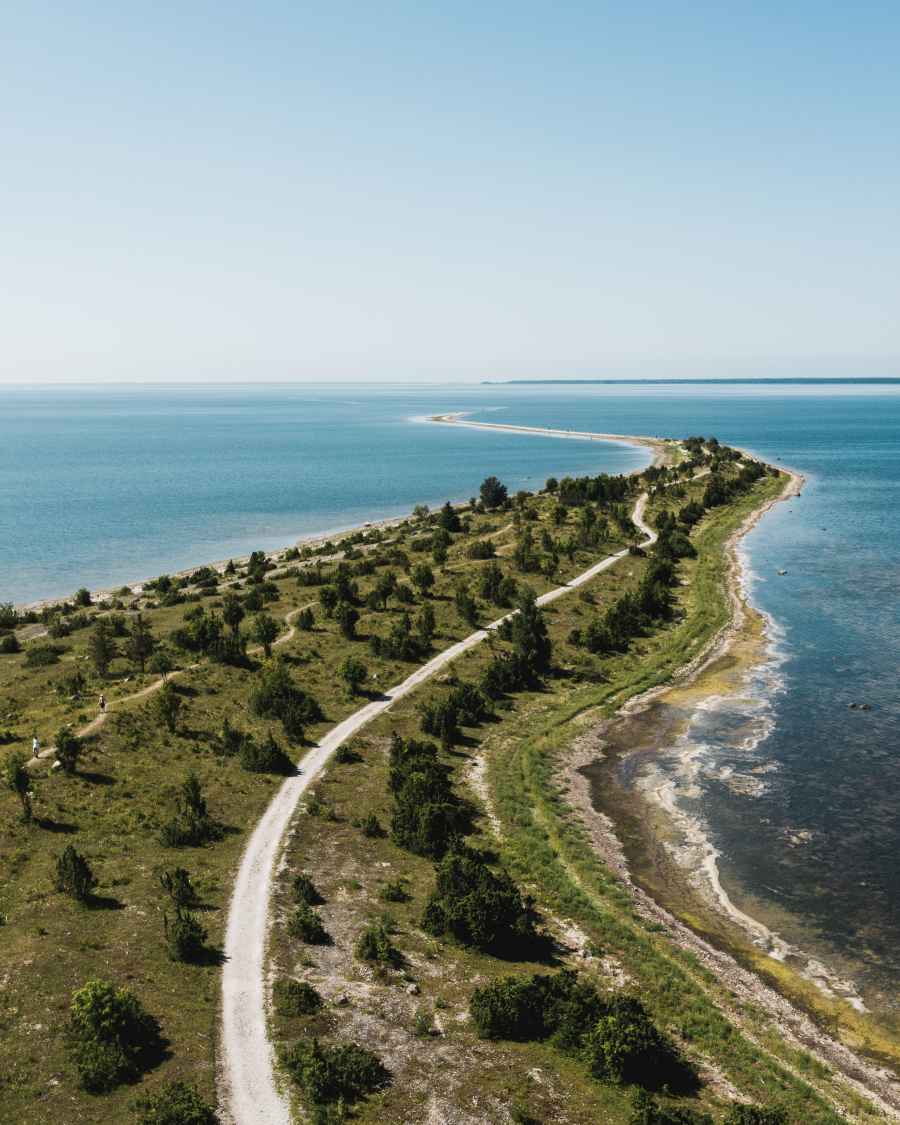
Estonia has over 2,300 islands dotted along its winding coast. While many are uninhabited and not easily accessible, some are simple to get to via ferry and home to thriving communities with unique cultures.

Saaremaa, Estonia’s largest island, is a popular retreat for tourists and mainlanders alike. Home to gorgeous beaches, picturesque wineries, and more spas than anywhere in the country, there’s something to suit everyone. Its flat roads and famously sunny weather make exploring by bicycle a dream, and history buffs will enjoy visiting Kuressaare’s looming medieval fortress.

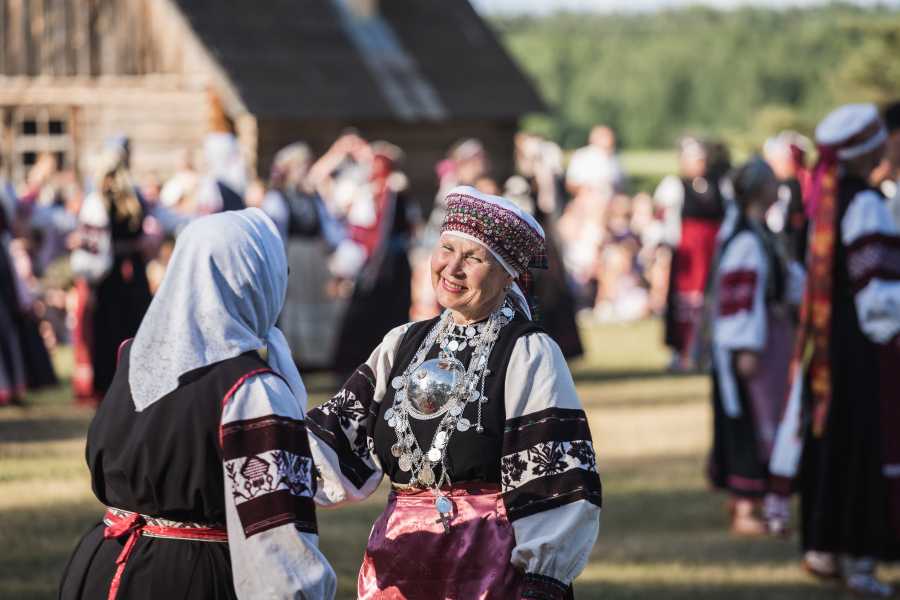
Culture seekers will undoubtedly want to stop by Kihnu, where locals have preserved their traditions for centuries. Take part in a handicraft workshop or visit during holidays, like Midsummer Day, to witness the unique festivities. On rugged and windswept Vilsandi, nature lovers will find over 30 orchid species and some of Europe’s finest birdwatching.

Alternatively, if you’d like a slice of coastal life but want to stay on the mainland, why not head to Pärnu on Estonia’s west coast? This is the country’s best-loved summer holiday destination, home to sweeping sandy beaches, top-class spas, a lively town, and great windsurfing and kitesurfing conditions.

2. You can hike through ancient bogs and enchanting forests

For a relatively small country, Estonia boasts an impressive range of landscapes. But the most unique is probably its bogs.

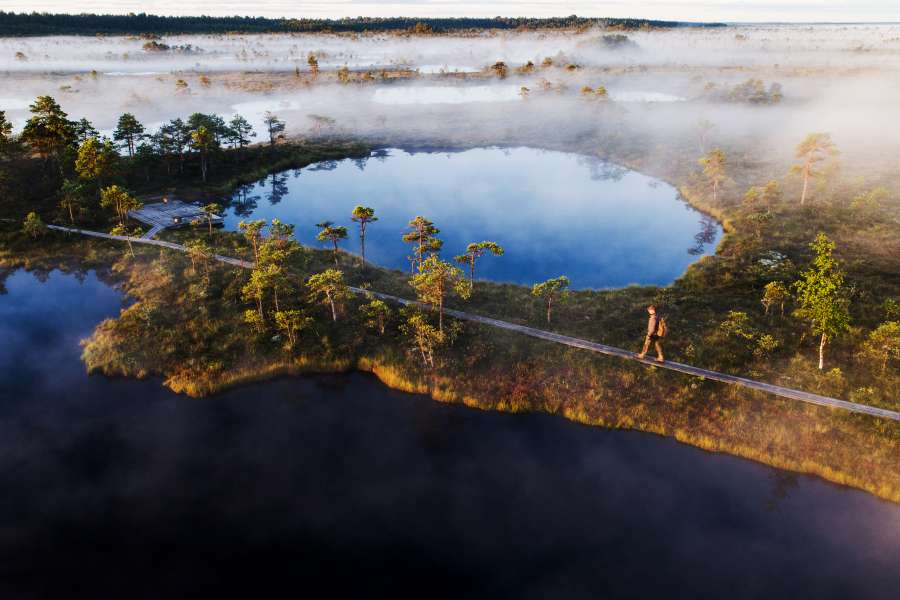
Some of these marshy areas are up to 10,000 years old. They’re made of thick layers of spongy, moss-covered peat, which visitors can hike across with the help of weight-distributing bogshoes. It’s an unusual and exhilarating experience that some people compare to walking on a cloud.

A mottled landscape of greens, yellows, and browns, interspersed with sapphire pools of pure water, Estonia’s bogs have a unique beauty. They’re home to all sorts of wildlife – from moose and deer to wolves and badgers – and the lakes are perfect for wild swimming or ice skating in the winter.

Estonia’s forests are also breathtaking, whether during summer’s evergreen bounty or autumn’s russet-hued display. Winter hikes are popular, too, when a serene silence descends over the landscape, and the trees sag under the weight of fresh snow. If you’re in the mood for adventure, why not hire a kicksled to explore the wintery trails?

3. The wildlife is extraordinary

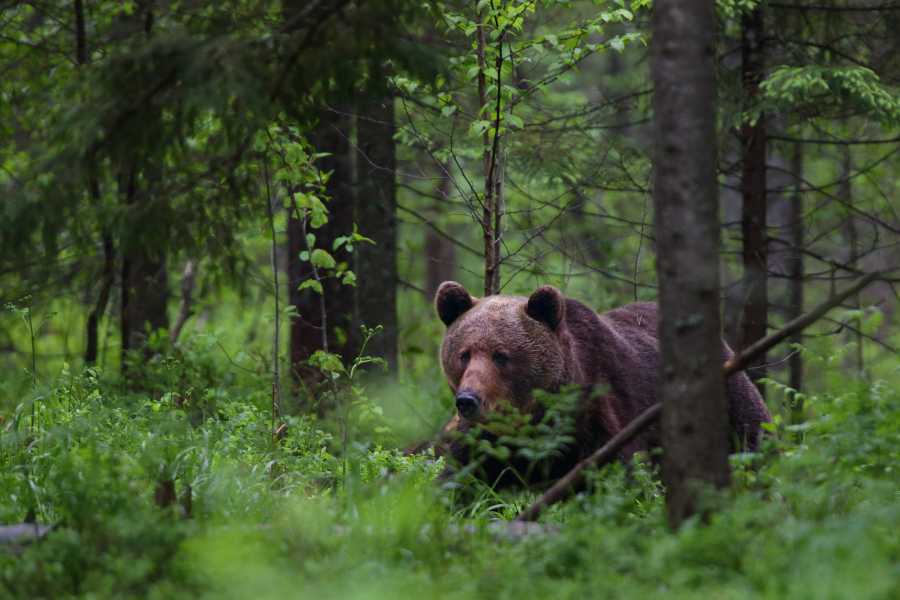
Estonia is one of Europe’s premier wildlife-spotting destinations. Its hinterlands are home to around 60 species of mammals. Lynx, moose, grey wolves, and brown bears roam bogs, forests, and meadows, while grey and ringed seals play in coastal waters.

Opportunities to see winged wonders also abound. Estonia is located on the East Atlantic Flyway (a major bird migratory route) and ranks among the top European countries for bird diversity.

You can see all but one of Europe’s nine woodpeckers here, plus 10 owls, and six eagle species – including the majestic golden eagle. Elusive capercaillies (ground-dwelling grouse) are a bucket-list sight, as are black storks, which nest in Karula National Park every year.

There isn’t a bad season to see wildlife in Estonia. Spring is best for birdwatching, while autumn is ideal for spotting bears as they prepare for hibernation. Summer’s long, white nights mean nocturnal flying squirrels emerge before darkness descends, while wolves are easier to track and spot in snowy winter conditions when foliage is minimal.

4. Discover Estonia’s unique cultural traditions, music, and sporting events

Discover Estonia’s unique cultural traditions, music, and sporting events

Estonia offers a rich cultural tapestry – from folk festivals celebrating the seasons to a buzzing contemporary art scene and unforgettable sports events.

This year in Tallinn, check out Baltica 2026 (3rd-7th of June), a folklore festival celebrating traditional culture, music, dance, and costumes from across the Baltic states. Or head to the Tallinn Fringe Festival (18th of August-18th of September), which boasts an eclectic programme of theatre, comedy, music, dance, and experimental performances taking place across the city.

Not visiting the capital for any of these festivals? No worries, you can delve into the vibrant art scene of the Telliskivi Creative City all year round, home to Fotografiska Tallinn, a world-famous contemporary art museum. Or visit Kadriorg Park, a gorgeous urban park where small galleries can be found amongst the manicured flower beds and ornate ponds.

Music fans might want to set sail to Estonia’s largest island, Saaremaa, from the 18th to the 25th of July to catch the Opera Festival, a week of world-class opera performances in a historic setting near Kuressaare Castle. And if unique sports events are what you seek, there’s everything from cycling to disc golf to watch this year.

Find out more about what’s on in 2026 on the Visit Estonia website here.

5. The culinary scene is one-of-a-kind

The culinary scene is one-of-a-kind

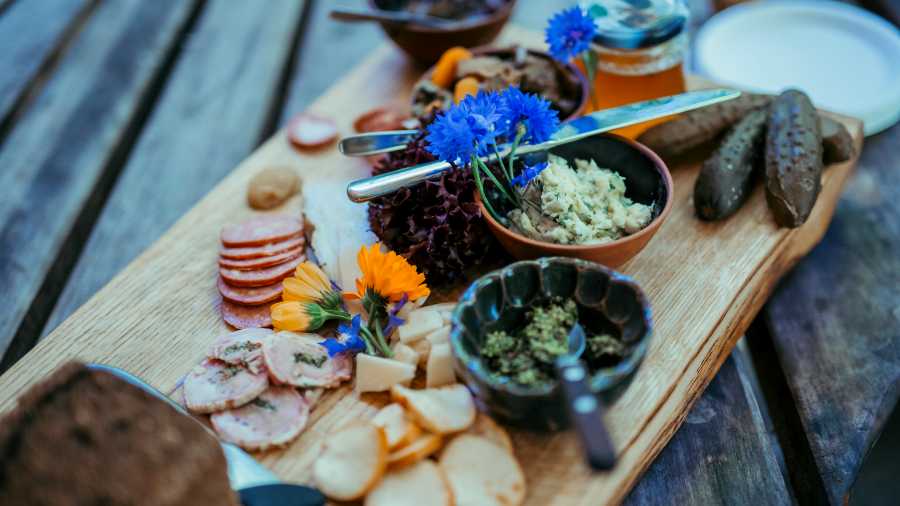
Estonia has one of Europe’s most underrated food scenes. From Tallinn’s high-end restaurants to rustic rural eateries, visitors will discover an exciting mix of gastronomic innovation and centuries-old culinary traditions, with a focus on seasonal, local produce.

Traditional Estonian fare is about as hearty as it gets. Expect satisfying dishes like pork and potatoes, verivorst (blood sausage), and smoked sprats, usually enjoyed with plenty of Estonian cheese and black bread. For dessert, why not try Kama, a cheese curd-based treat often served with fresh berries?

If you’re visiting during the late summer and early autumn, you could go a step further and source food like a local by foraging. Berry and mushroom picking are popular activities, as are turning the spoils into jams and juices to be enjoyed throughout the year.

But if fine dining is what you’re after, there’s plenty of that, too, especially in Tallinn, where many innovative restaurants put exciting modern spins on traditional dishes. Forty-three Estonian restaurants are now featured in the 2025 Michelin Guide, and many are surprisingly affordable. For recommendations, head to the Visit Estonia website.

Visit Estonia, it’s about time – travel at your own pace

Open landscapes, empty beaches and over 2,000 islands lie minutes from the vibrant, historic cities.

Nature writes the calendar, from the festive delights of the Christmas markets, snowy adventures in the forest and lakelands to the Fifth Season floods turning landscapes into waterways and the joy of White Nights stretching summer deep into the night. Here, time expands so you can breathe deeper.

Learn more

6. The history is fascinating and complex

The history is fascinating and complex

From centuries under foreign rule by powers like Germany, Sweden, and Russia to its powerful national awakening in recent times, Estonia’s history is both complicated and fascinating.

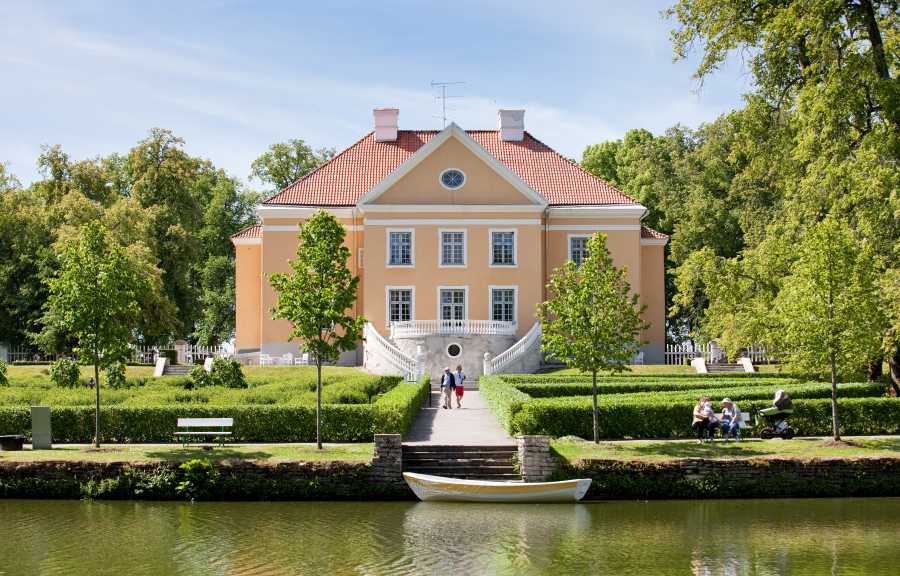
Architecture lovers will relish Tallinn’s UNESCO medieval old town or Tartu, with its striking neoclassical buildings. Candy-coloured manor houses, many of which are converted into hotels or museums, dot the countryside, such as Palmse or Vihula near Tallinn. Historic lighthouses scattered along the coast offer panoramic views and insights into the regional maritime traditions.

A great place for visitors to start discovering the country’s past is the Estonian National Museum in Tartu. Housed in an impressive modern building, it offers a comprehensive look at the nation’s history from the Stone Age to modern times, including what life was like behind the Iron Curtain and insights into Estonia’s journey to independence.

However, many of Estonia’s 170 museums offer quirkier glimpses into times gone by. At the Samovar House in Varnja, a village near Lake Peipus, visitors can discover tea-drinking traditions. Or head to the Tammsaare Museum in Vargamäe (roughly an hour from Tallinn) to learn about one of Estonia’s most famous writers.

If museums aren’t your thing, impressive fortifications like Rakvere and Haapsalu Castles can transport visitors back to medieval times.

7. Set off on Estonia’s wine trail

Set off on Estonia’s wine trail

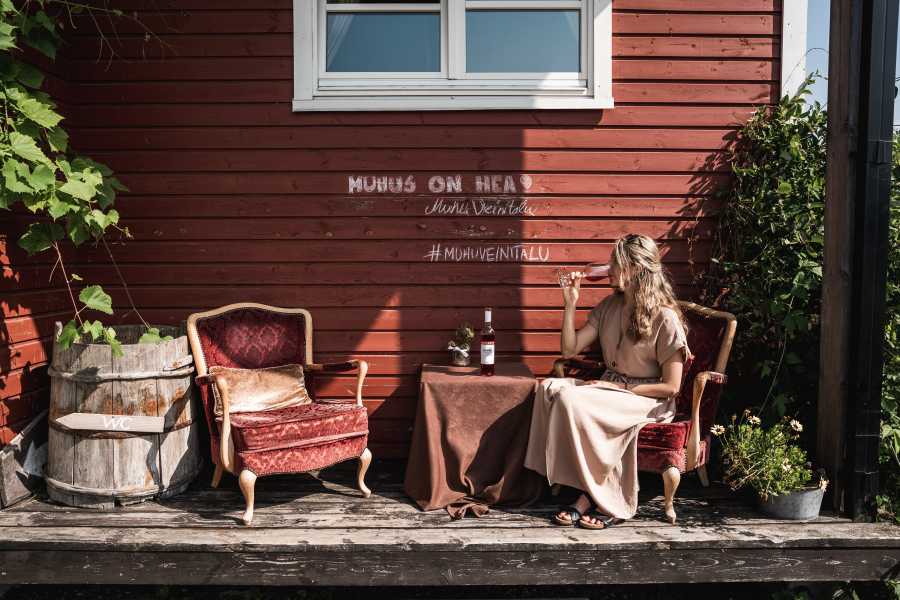
One of the most delightful ways to immerse yourself in Estonian culture – and explore its idyllic countryside – is to follow the wine route. Picturesque wineries are scattered all across the country, from the north to the south, and even out to the islands in the west. So you can take a detour to a particular one or dedicate your trip to visiting as many as possible.

While Estonia’s first official berry wineries opened in the 1920s, its winemaking roots stretch much deeper. For centuries, locals have crafted vintages from seasonal and foraged ingredients – such as dandelion, rhubarb, rowan, blackcurrant, and even birch sap – offering new tasting horizons for wine-loving visitors. You’ll also find deliciously distinctive grape wines here, which are typically light, crisp, and subtly fruity.

But tasting unique flavours isn’t the only reason to explore the Estonian wine trail. It’s an adventure that offers glimpses into the country’s rural charm – whether learning about local handicrafts or strolling through bucolic orchards. Head over to the official Estonian wine trail website to find out more.

8. You can immerse yourself in sauna culture

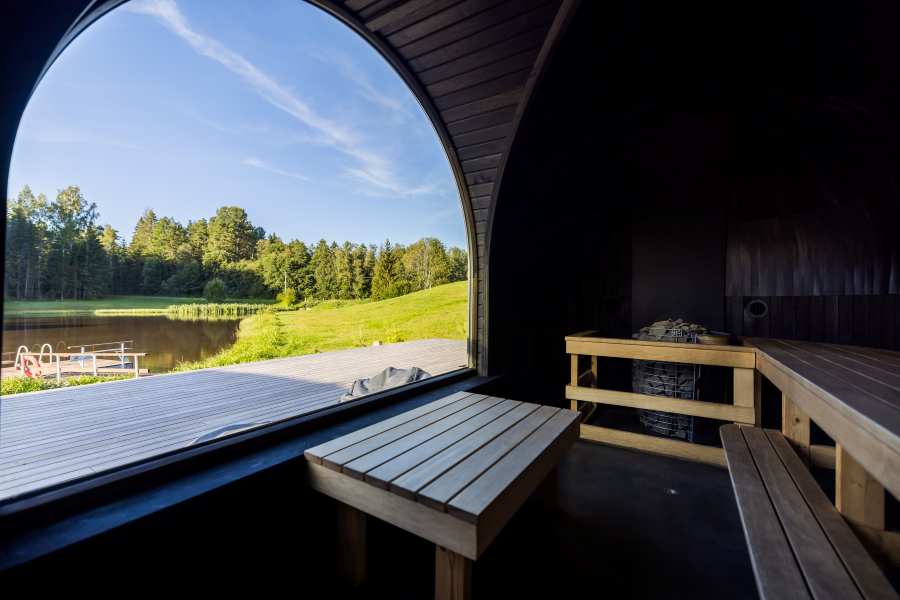
Sauna and nature immersion are ways of life in Estonia. The earliest written records of sauna bathing here date back to the 13th century. It was once where babies were born, and the ill and dying were attended to. Traditional smoke saunas were also used to smoke pork and other meats – a delicacy you can still enjoy in certain places.

Today, sauna bathing is a big part of Estonia’s cultural identity. Aside from attending regularly for health and spiritual reasons, many Estonians head to the sauna on nights before major holidays, like Christmas and Midsummer. Birthdays and other gatherings are often celebrated in the steamy embrace of a sauna, too.

For an authentic Estonian experience, visitors can take part in a traditional UNESCO-protected smoke sauna ritual. There are several steps to this process, some mental and others physical. These include rubbing yourself with salt and ground plants, ‘whisking’ (beating your body with birch branches to exfoliate the skin and encourage circulation), and a dip in a nearby swimming area – such as the sea, a river, or a pond.

9. Estonia’s ‘fifth season’ is unforgettable

Estonia’s ‘fifth season’ is unforgettable

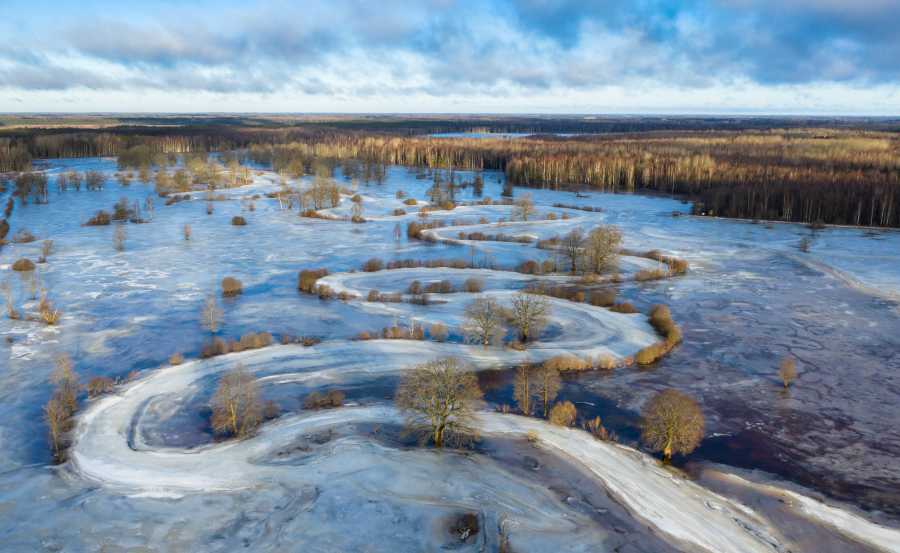
Head southwest to Soomaa National Park in late March or early April to experience Estonia’s ‘fifth season’. During this time, snow melts, and heavy rain causes the rivers and lakes to flood the land, submerging the surrounding forests and meadows in a glassy blanket of water.

You can admire this drenched landscape from observation towers or set sail on traditional wooden dugout canoes (haabjas). Paddling between the half-drowned skeletons of trees, and even over sunken roads, is an eerie and enchanting experience you won’t soon forget.

Along the way, be sure to look out for raccoon dogs perched on birch branches and common cranes swooping low over the water’s surface.

10. Tallinn is the perfect city break destination

Tallinn is the perfect city break destination

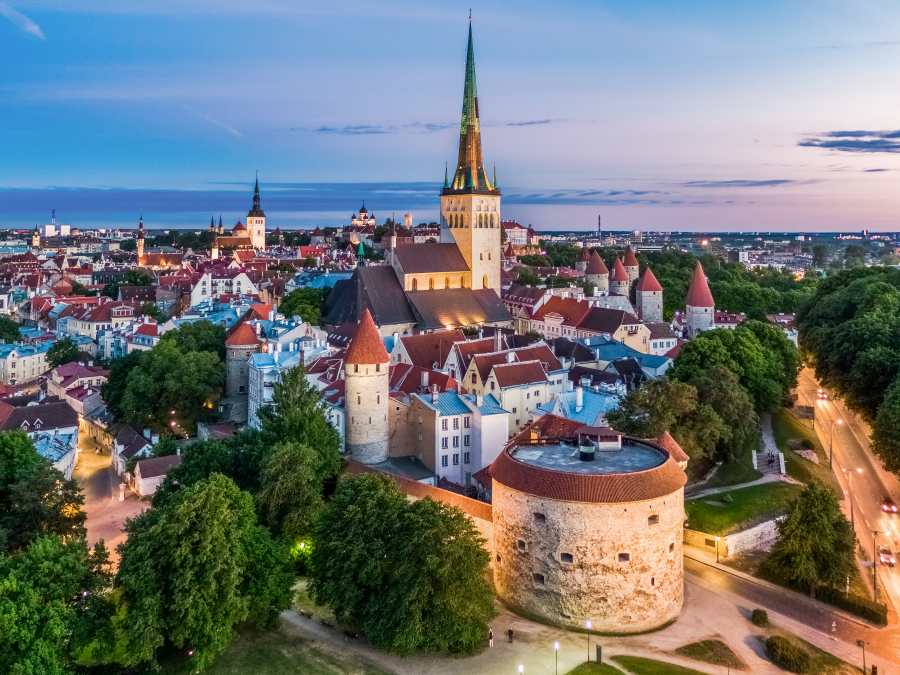
Recently, the Estonian capital of Tallinn has emerged as a popular city break destination, and it’s easy to see why. This is a city where medieval curiosities and present-day delights mingle. Fairytale spires share the skyline with modern marvels, and delivery robots zip down ancient streets.

There’s something for everyone in Tallinn, with friendly locals and a rich cultural scene. Its compact size means you can explore on foot. The red-roofed towers of the charming medieval Old Town, with its cobbled streets and centuries-old buildings, tell stories from more than 800 years ago.

Outside of the historic city walls, former industrial areas have been transformed into trendy neighbourhoods. This includes the creative district of Telliskivi and the Rotermann Quarter, where visitors will find a buzzing café culture, shopping, and small art galleries. The former submarine base of Noblessner is now a vibrant marina and home to the newly-refurbished Maritime Museum.

To fully experience Estonia, it’s recommended to combine a city break with exploration of the nearby nature reserves, wild beaches, and national parks. Lahemaa National Park is only an hour from Tallinn. Here, you can wander along the boardwalks through the forest and discover giant boulders lying haphazardly on the beach. For a uniquely Estonian experience, spend the night in a forest mirror house, which seamlessly blends into the natural landscape.

Final thoughts…

Whether you’re seeking history, culture, nature, or adventure, Estonia has something for everyone – no matter the season. From kicksledding down wintery forest paths to tasting eclectic cuisine in Tallinn, there are endless reasons to add this hidden gem to your travel wishlist.

Estonia is just three hours away from the UK, with direct flights from Ryanair, Wizz Air, and Air Baltic from London to Tallinn. What’s more, in November, Jet2 operate flights from various UK regional airports to Tallinn for the city’s iconic Christmas market.

For more information, head over to Visit Estonia’s website, where you’ll find everything you need to start planning your trip – from tips on must-see attractions to advice on weather and safety.

Images provided courtesy of Visit Estonia