Sponsored content

rocky-mountaineer logoCanadian Affair Logo

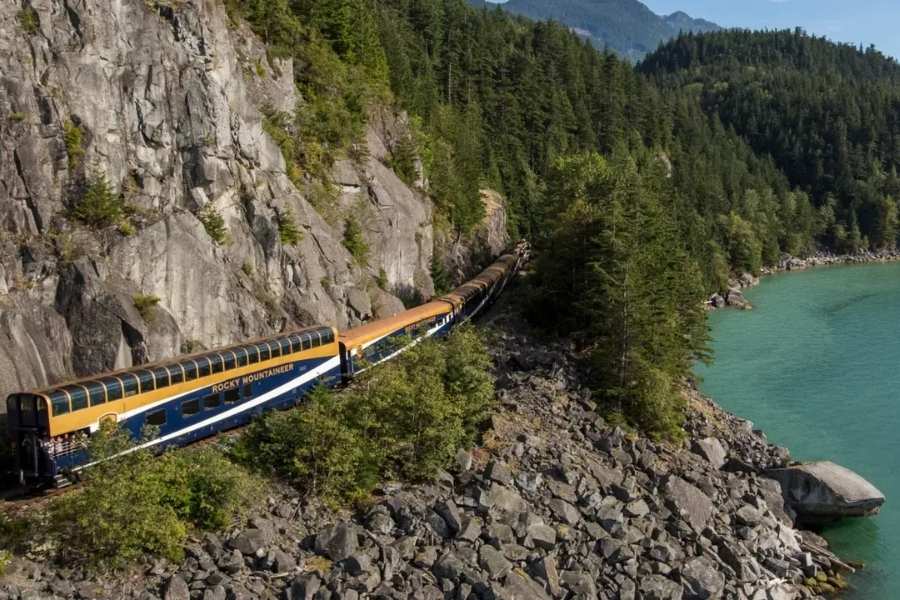
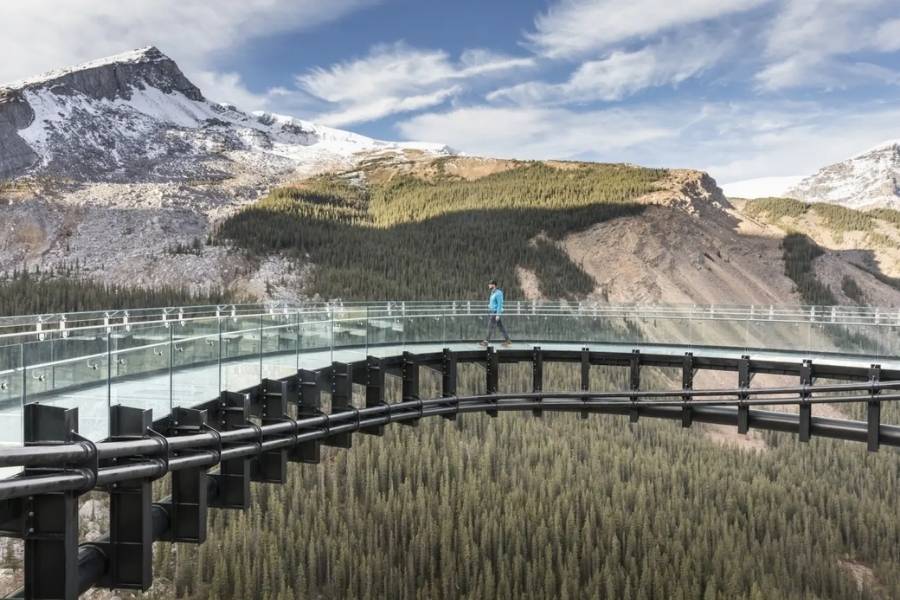
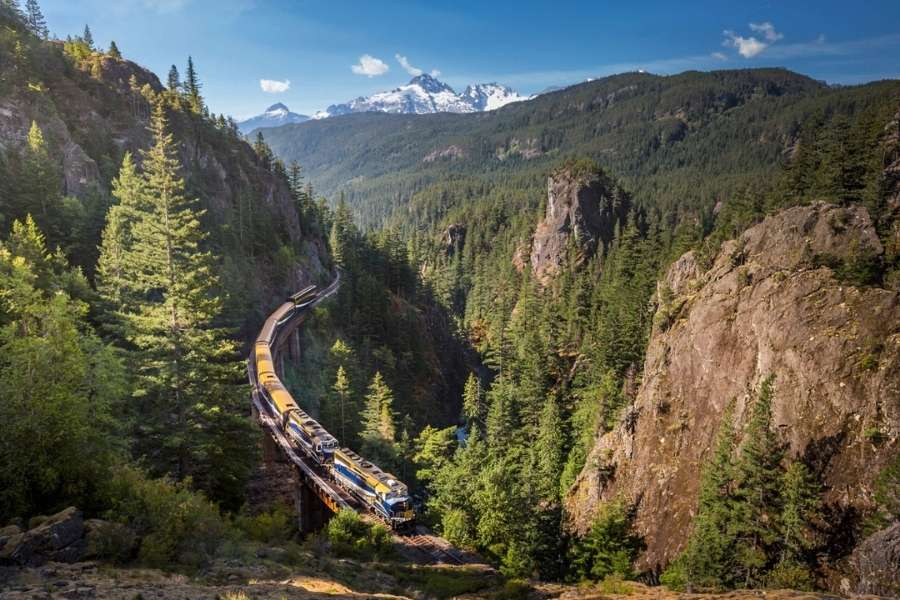
From snow-dusted peaks and turquoise lakes to dense pine forests and plunging canyons, Canada’s Rocky Mountains boast some of the most spectacular scenery on Earth. And while there are plenty of ways to explore them, few are quite as memorable as travelling aboard the Rocky Mountaineer.

Unlike most train journeys, it isn’t really about getting from A to B. Instead, travelling only during daylight hours, the Rocky Mountaineer gives you plenty of time to watch in awe as the scenery unfolds through its huge windows. And as you glide through the landscape, your onboard hosts will share stories about the places you pass and help you keep an eye out for wildlife.

We spoke to travel experts at Canadian Affair to find out more about what it’s really like to travel aboard one of the world’s most famous trains and what’s worth knowing before you go. From the best direction to travel to why you might want to think twice before booking dinner, here are eight insider tips for making the most of the journey.
1. Journey towards the Rockies for the most dramatic arrival

Journey towards the Rockies for the most dramatic arrival

Many Rocky Mountaineer routes can be travelled eastbound or westbound, and the scenery is spectacular in either direction. But for a first trip, experts at Canadian Affair suggest travelling towards the Rockies.

Starting in Vancouver means leaving the Pacific coast behind and watching as the landscape gradually becomes wilder and more mountainous. Forests thicken, mountains begin appearing on the horizon, and, depending on your route, you’ll eventually arrive in Banff, Lake Louise, or Jasper.

“Travel towards the Rockies for a sense of anticipation as you build up towards the towering mountains,” says the team at Canadian Affair. “As you step off the train in Banff, Lake Louise, or Jasper, the mountains surround you, and you feel as though you’ve arrived somewhere magical to explore.”

Travelling east also makes Vancouver a natural starting point for your holiday. It’s worth spending a few days getting to know this relaxed waterfront city before boarding the train. You could enjoy a stroll around Stanley Park, browse the markets on Granville Island, or explore historic Gastown.

2. Choose your route according to what else you want to see

Choose your route according to what else you want to see

Generally speaking, there isn’t really a single ‘best’ Rocky Mountaineer route. Instead, Canadian Affair recommends thinking about what else you’d like to see and do in Canada, and choosing the journey that fits around those plans.

For first-time visitors, First Passage to the West is a popular choice. Connecting Vancouver with the resort town of Banff and Lake Louise in the Rockies, this historic route follows part of the original Canadian Pacific Railway, which helped unite Canada from east to west. Along the way, you’ll pass through the Spiral Tunnels, built in the early 20th century to tackle the steep mountain gradient, as well as the Continental Divide, Kicking Horse Canyon, and Rogers Pass.

But that’s only one option. Journey Through the Clouds travels between Vancouver and Jasper (a scenic mountain town in the province of Alberta), while Rainforest to Gold Rush takes a more northerly route via Whistler and Quesnel before reaching Jasper.

So, it’s worth thinking about your wider Canadian wish list. If Banff and Lake Louise are priorities, First Passage to the West could be a natural fit; if you’ve always wanted to explore Jasper, one of the other routes may suit you better.

3. For snowy peaks and active wildlife, consider late spring

For snowy peaks and active wildlife, consider late spring

The Rockies look very different depending on when you visit, but the team at Canadian Affair particularly recommends late May and early June. There can still be plenty of snow clinging to the mountaintops, while the valleys below are green and bursting with life. It’s also worth keeping an eye out for wildlife, with bears emerging after winter and other animals becoming more active.

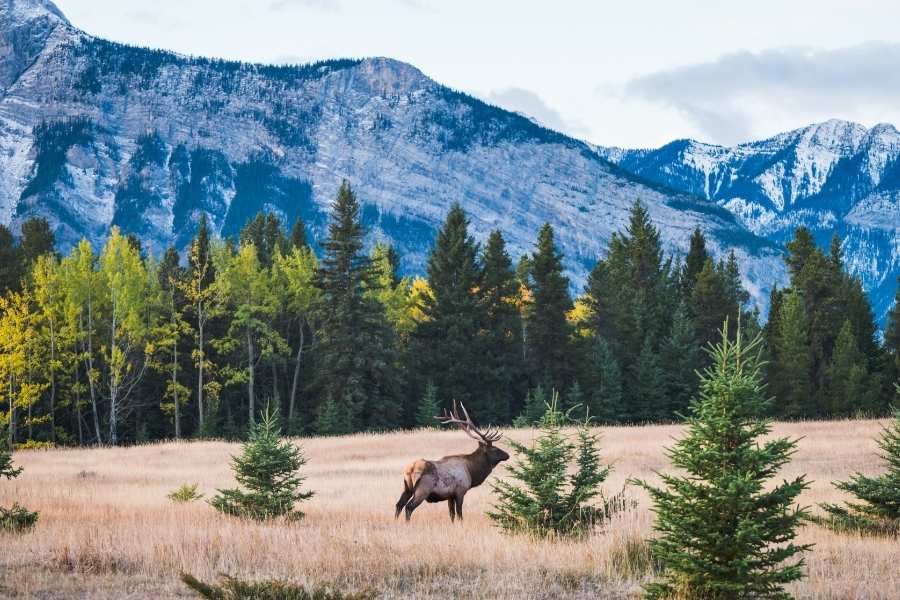
Elk, deer, bighorn sheep, black bears, and grizzlies all live in the Canadian Rockies. Sightings can never be guaranteed, of course, but that’s part of the excitement; you never quite know what might appear outside the window.

If you prefer warmer weather, the longer summer days are ideal for stepping onto GoldLeaf’s outdoor viewing platform and breathing in the fresh mountain air as the scenery rolls past.

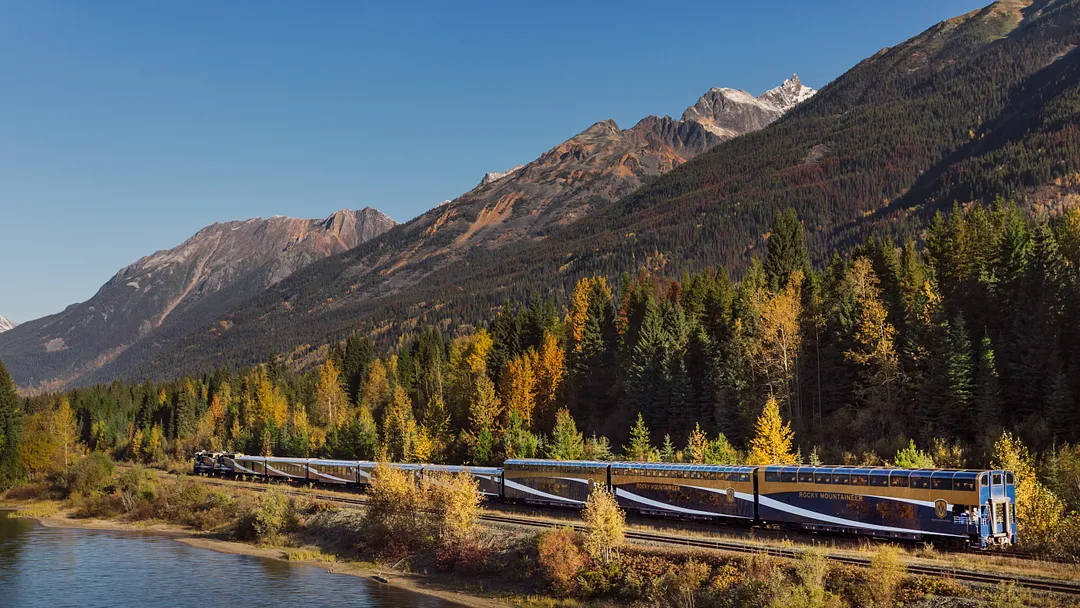
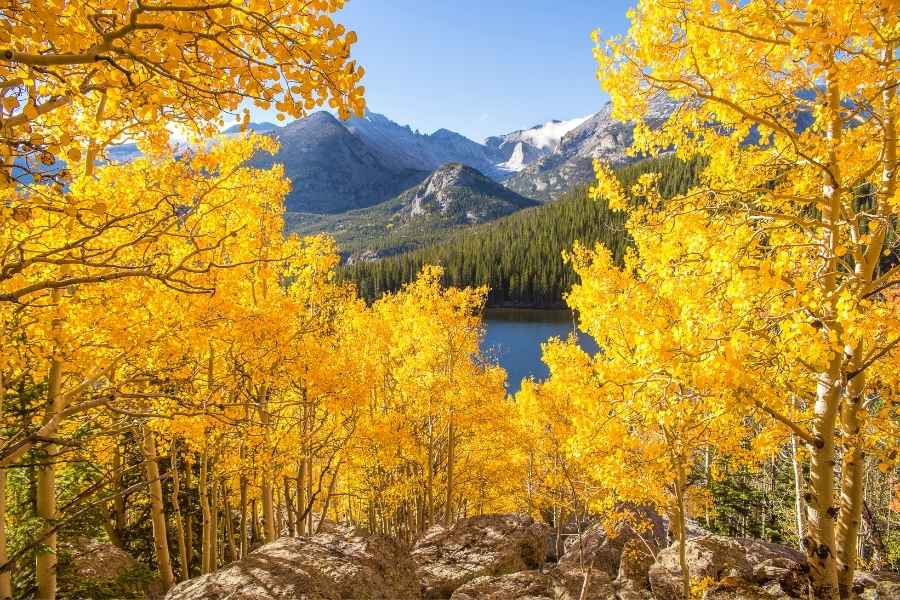
Later in the season, autumn colours begin to appear, giving you a new perspective on the Rockies, while the mountain resorts feel quieter once the bustling summer crowds have gone.

Whatever time of year you travel, mountain weather can change quickly, so it’s worth being prepared for sunshine, rain, and cooler temperatures.

4. Pack layers – and put everything you’ll need in your day bag

Pack layers – and put everything you’ll need in your day bag

There’s no need to dress up aboard the Rocky Mountaineer, and comfort is key when you’ll be spending a long day on the train, moving around to enjoy the views.

Experts recommend wearing closed-toe shoes and, most importantly, plenty of layers. The temperature inside the carriage can feel very different from the fresh mountain air outside, so it’s smart to keep a jumper or jacket handy.

It’s also useful to know that you won’t have access to your checked luggage while you’re onboard. Your bags travel separately and will be waiting at your overnight accommodation, so keep anything you might need in your day bag, including medication, sunglasses, a light waterproof layer, and your phone or camera.

Remember to bring a charger or power bank, too, as there’s lots to photograph, and the last thing you want is your phone dying just as a bear appears beside the tracks!

5. There’s no need to worry about getting the ‘best’ seat

There’s no need to worry about getting the ‘best’ seat

With scenery this spectacular, it’s natural to wonder which side of the train has the best views. The good news is, on the Rocky Mountaineer, you don’t need to worry about it. Seats are pre-assigned, but as the railway winds through mountains and valleys, the views are constantly changing.

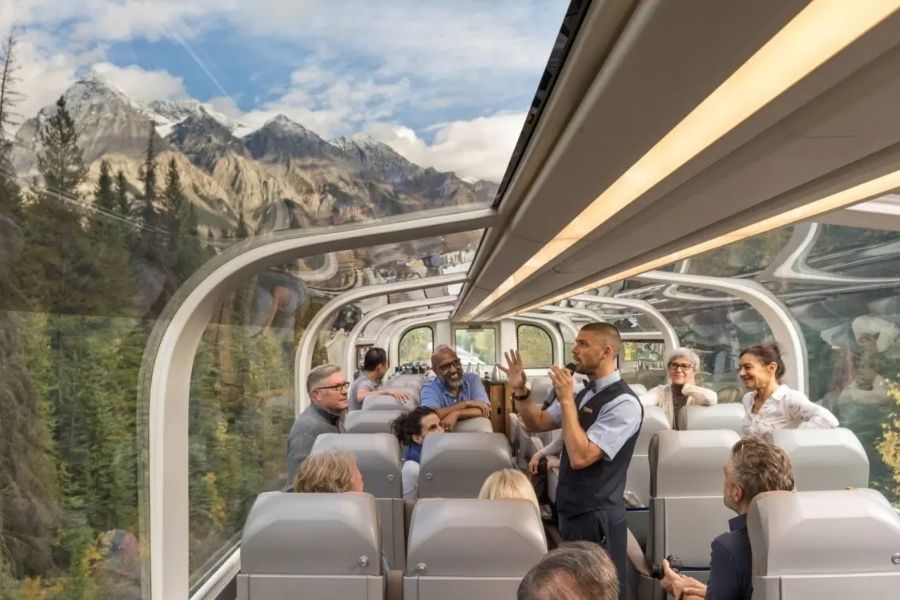
In GoldLeaf, you’ll sit on the upper level of a bi-level coach beneath panoramic glass-dome windows. And downstairs, by the dining room, there’s an outdoor viewing platform where you can step into the fresh air and take in the scenery without any glass between you and the view.

The spacious GoldLeaf seats also rotate 180 degrees, so if you’re travelling with friends or family – or chatting to people along the way – you can turn them to face each other. Canadian Affair says the journey can be surprisingly sociable, and passengers often spend less time sitting still than they might expect.

Between trips to the viewing platform and chatting to fellow travellers, there are plenty of reasons to move around. So, if the view looks better on the other side, don’t worry – chances are, there’ll be another one around the next bend.

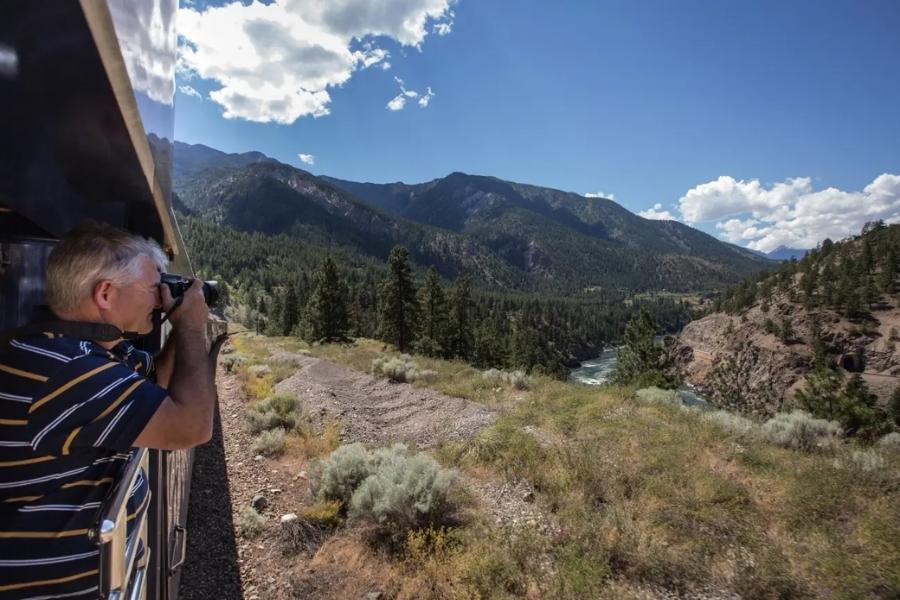
6. Keep your camera close – the hosts will help you spot wildlife

Keep your camera close – the hosts will help you spot wildlife

Spotting wildlife is one of the most exciting parts of travelling through Western Canada, and you never know when something might appear. But on a moving train, you might assume that by the time you’ve spotted a bear or elk beside the tracks, it’ll already be disappearing into the distance. Luckily, the Rocky Mountaineer’s onboard hosts have a clever system to help.

“One of the things people might not know is that the hosts continually communicate with other hosts in the carriages at the front and back,” say experts at Canadian Affair. “So, if anyone spots wildlife, this is communicated, and the carriages at the rear have plenty of time to whip out their cameras.”

The team says the train also slows near significant points of interest where possible, giving you more time to soak in the view. Along the way, the hosts share stories about the landscapes and communities you pass through, from the region’s geography and Indigenous histories to the development of the railway.

You’ll also have a route guide highlighting notable sights, so you can follow your progress – and put a name to that particularly awe-inspiring mountain or river before it disappears from view.

Some of the loveliest moments, though, are the ones you can’t plan for. Even passing through the small communities along the route becomes part of the experience. “Everyone loves welcoming the train as it passes through the small communities of Alberta and British Columbia,” says Canadian Affair. “So be ready to get your wave on!”

7. Arrive hungry – and think twice before booking dinner

Arrive hungry – and think twice before booking dinner

You might book the Rocky Mountaineer for the scenery, but the food is a memorable part of the experience, too. In fact, Canadian Affair has one particularly useful piece of advice: think twice before making dinner reservations for the evening you get off the train.

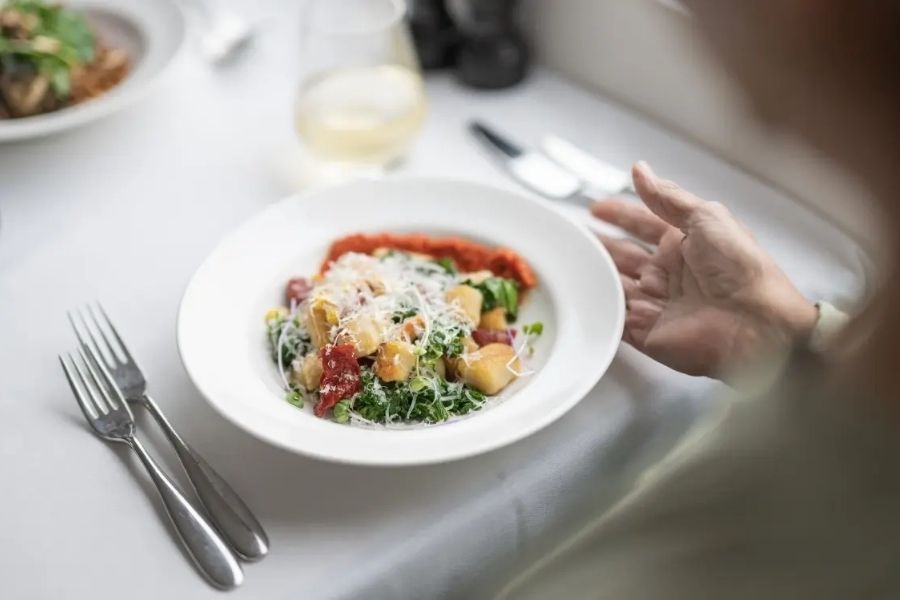
On a typical two-day journey, you’ll be served breakfast and lunch onboard both days, with snacks and drinks available in between. In GoldLeaf, meals are freshly prepared onboard and served in the dining room on the lower level, with a choice of gourmet à la carte dishes. Wine, beer, and spirits are also available, alongside non-alcoholic options.

“It’s very likely you won’t require an evening meal after the train,” says the team. “Food is plentiful onboard, with breakfast and lunch served as well as a snack.”

There’s another Canadian experience worth saving room for, too. Canadian Affair recommends trying a Caesar: a Canadian cocktail traditionally made with vodka, Clamato juice, Worcestershire sauce, and hot sauce. Something of a national institution, it’s worth trying at least once – and sipping one as the Rockies glide past the window isn’t a bad way to do it.”

8. Try not to rush the rest of your holiday

Try not to rush the rest of your holiday

The Rocky Mountaineer might be the reason you book the trip, but one of Canadian Affair’s biggest pieces of advice is to avoid overdoing things. Canada is enormous, and while it can be tempting to squeeze another destination, excursion, or national park into every available day, you may end up needing another holiday after your holiday. Instead, try to give yourself time to properly explore a few places.

Banff is certainly worth lingering in. Surrounded by the soaring peaks of Banff National Park, this lively mountain town is a great base for outdoor adventures, but you don’t need to fill every hour. There’s something lovely about simply wandering around town, stopping for a drink or bite, and taking in the almost surreal sight of mountains rising at the end of the street.

If Jasper is part of your itinerary, try to make time for the Icefields Parkway, too. Connecting the Lake Louise and Jasper areas, the road winds past glaciers, waterfalls, and lakes, including the vast Columbia Icefield.

And try not to rush Vancouver either. A few days here give you time to explore before or after your rail journey, while those with longer to spare could always continue to Alaska by cruise, swapping the Rockies for glaciers, fjords, and the wild landscapes of the Inside Passage.

Giving yourself a little breathing room means you’ll have more time to enjoy the places you’ve travelled so far to see.

Final thoughts...

Part of the magic of the Rocky Mountaineer is having time to simply watch Western Canada unfold around you. Travelling only during daylight hours gives you time to take it all in, whether that’s mountains appearing on the horizon, an unexpected wildlife sighting, or people waving as the train passes through a small Canadian community.

With the practicalities taken care of along the way, there’s little to do but sit back and enjoy the journey.

For first-time visitors, Canadian Affair’s advice is simple: don’t try to cram too much in, keep your camera charged, and, if you can, travel towards the Rockies. That way, stepping off the train doesn’t feel like the end of an adventure; it feels like the beginning.