
Electrolytes are natural substances that our bodies rely on to function properly, including for hydration and muscle function. Though present in our diet, electrolytes in supplement form have recently gained popularity, with both online searches and sales figures showing significant growth.
This trend is linked to a growing awareness of the health benefits of electrolytes, particularly among fitness enthusiasts and those seeking to boost overall wellbeing.
But what exactly are electrolytes, and how do you know if supplements are right for you? We’ll explore all of this and more below.
What are electrolytes and why are they important for health?

Electrolytes are essential minerals that our bodies need to stay healthy and function properly.
They have a natural electrical charge (positive or negative) when dissolved in a fluid, including blood. It’s these electric charges that signal to nerves and muscles to carry out various bodily functions – including energy production, blood sugar regulation, heartbeat regulation, and maintaining water balance in the body.
Electrolytes are also needed to…
- Transport nutrients into cells and remove waste materials
- Stimulate muscle contractions, such as those in the heart
- Transmit messages via nerve signals
- Maintain the pH level at optimum levels in the blood
- Build new tissue
- Help with blood clotting
The human body is around 60% water, which means that nearly every fluid and cell in your body contains electrolytes.

Finding your path to better nutrition
Explore a range of diet and nutrition books on Amazon.
What electrolytes are there, and what are some of the best dietary sources?
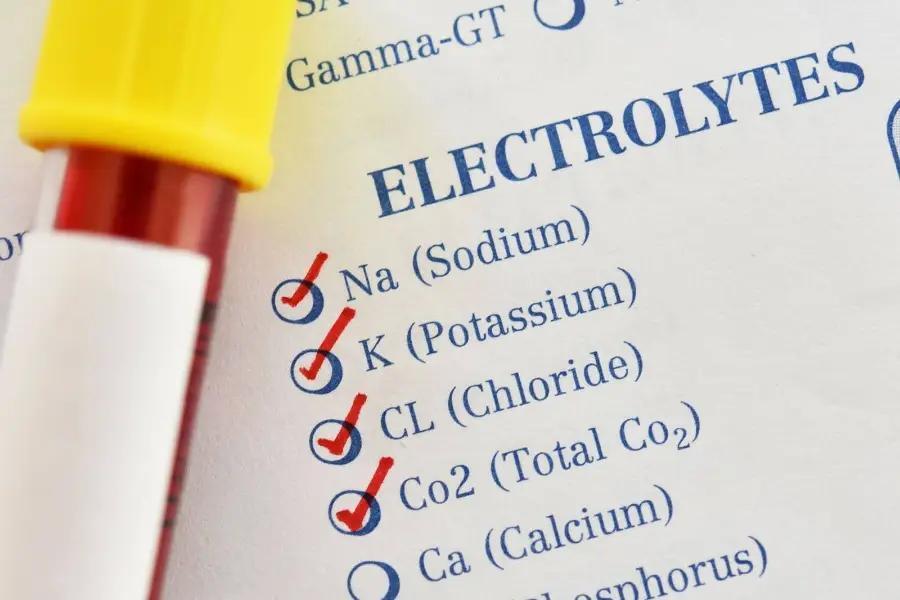
You might think of electrolytes as something that only comes in powder, tablet, or sports drink form, but a healthy, balanced diet will naturally contain electrolytes. Seven key electrolytes are essential for health. These minerals tend to be better known by their everyday names – among them are calcium, magnesium, sodium, and potassium.
According to experts, most people can get all the electrolytes they need by staying hydrated and eating a healthy, varied diet. Alongside regular water, coconut water is recognised as a particularly effective option for hydration and replenishing electrolyte levels.
The exact amount of electrolytes a person needs depends on several factors, including age, activity, and climate. For example, people living in hotter climates will generally need more electrolytes due to sweating more.
We’ll cover the main electrolytes below.
Sodium
Sodium (salt) is an essential mineral in our diets, but it’s also something that many of us eat too much of. Sodium helps restore the body’s fluid balance after water loss, for example, through sweating or illness. Water does this too, but according to experts, without sodium, water tends to be retained less effectively.
Fish, seafood, olives, and eggs are good natural sources of sodium. However, most of the sodium in our diet comes from processed foods, so it’s important to limit your intake of these. Too much sodium over time can increase the risk of health issues like high blood pressure, heart disease, and stroke.
For help with this, you might like to read our article: 9 ways to lower your salt intake. Or, check out this list of 6 higher-sodium foods that are actually good for you from Eating Well for ideas on healthy alternatives.
Potassium
Potassium is needed for the normal functioning of body cells and plays a key role in heartbeat regulation, muscle contractions, and fluid balance.
Most fruits and vegetables contain potassium. Bananas, avocados, leafy greens, nuts, potatoes, dried fruit, like prunes and apricots, are particularly rich sources.
Calcium
Calcium is the most abundant mineral in the body. Among other things, we rely on calcium for healthy bones, blood circulation, muscle contraction, and to maintain effective communication between the brain and other parts of the body, including the heart.
Some of the best calcium sources include sardines, boiled kale, calcium-fortified cereals, and dairy products like cow’s milk, cheese, and yoghurt.
Note: It’s also important to prioritise your vitamin D intake because without it, the body can’t absorb calcium properly.
Magnesium
Magnesium is an essential mineral that helps us regulate blood sugar levels and maintain healthy heart rhythms and muscle and nerve function.
Dietary sources of magnesium include nuts, seeds, wholegrains, dark chocolate, and green leafy vegetables.
Chloride
Table salt is approximately 40% sodium and 60% chloride, so when adding table salt to recipes or using it to season food, you’ll be adding both of these electrolytes. Again, it’s important to regulate your salt intake.
Phosphate
Phosphate is the salt of the mineral phosphorus, which is the second most abundant mineral in the body. Among other things, we rely on phosphorus for bone health, tissue growth, and energy production.
Some of the best sources of phosphorus include chicken, seafood, organ meats, eggs, and wholegrains.
Bicarbonate
Bicarbonate is produced naturally by the body, so you don’t have to worry about getting it through your diet. The kidneys are responsible for regulating bicarbonate levels.
Electrolyte supplements
Alongside dietary sources, electrolytes also come in supplement form – for example, powders, tablets, sports drinks, and oral rehydration solutions. These are products designed to replenish all essential electrolytes in one go, quickly and conveniently.
BBC Good Food has a guide to the best electrolytes 2025 – tried and tested, if you’d like to learn more.
What are the symptoms of an electrolyte imbalance?

Our bodies work hard to keep electrolyte levels in a fine balance. However, electrolyte imbalances can occur if you become dehydrated or have too much water in your body.
Having too many or too few electrolytes can interfere with daily body functions and lead to a range of unpleasant symptoms. If left unchecked, this can increase the risk of serious complications.
That said, the body responds to electrolyte imbalances in various ways, and symptoms can vary depending on things like which electrolytes are imbalanced, how severe the imbalance is, and whether or not you have other health conditions.
According to experts, common symptoms of electrolyte imbalances can include…
- Muscle cramping and weakness
- Confusion
- Headaches
- Nausea
- Dizziness
- Fatigue
- Vomiting
- Diaorrhea
- Irregular heartbeat
More severe symptoms of electrolyte imbalances can include…
- Seizures
- Coma
- Cerebral edema
- Arrhythmia (irregular heartbeat)
When should I take electrolyte supplements?

While most people can get all the electrolytes they need by eating a healthy, varied diet, there are circumstances where taking additional electrolytes can be helpful. We’ll explore some of these below.
Note: If you’re concerned about your electrolyte levels or would like additional advice, it’s important to speak to your GP.
Electrolyte supplements won’t be suitable for everyone (for example, those with kidney disease or pregnant women), and overuse can be dangerous. For example, according to experts, consuming too many electrolyte supplements, such as sports drinks, can lead to heart rhythm issues, nausea, fatigue, and more.
After vomiting and diarrhoea
Prolonged episodes of diarrhoea and/or persistent vomiting can lead to rapid electrolyte loss and increase dehydration risk.
In these cases, oral rehydration solutions can be useful because they contain the right balance of salts, sugar, and other electrolytes. While water alone may replace lost fluids, it won’t restore electrolyte levels. The NHS advises starting with small sips and to gradually increase your intake, depending on your tolerance.
In the meantime, it’s best to avoid sugary drinks, caffeine, and fruit juices, as these can make you even more dehydrated.
After intense exercise
We can lose a lot of fluid during exercise (as much as a litre or two an hour, according to experts!), mainly through sweating. As a result, we need to drink more fluids when we exercise to replace it.
Research on electrolyte supplements is mostly centred on elite athletes, and experts are currently divided over whether or not they’re necessary for everyday exercise. Some sources say that water alone is fine for anyone exercising for less than an hour, and others claim that more activity is needed for electrolyte supplements to be beneficial.
Experts at the American Heart Foundation advise that, as a general rule, if exercise lasts less than 75 minutes and isn’t high intensity, you can rehydrate with plain water without the need for electrolyte supplementation. Though, of course, it’s important to note that there’s a lot of variability in people’s needs. Everything from genetics, heat, and humidity to how much water someone drank before the activity can all play a role in how out of balance your electrolyte levels become.
For further guidance, you might like to read Bupa’s guide to the best way to stay hydrated when exercising.
Certain health conditions and medications
Certain health conditions may increase the risk of electrolyte imbalance.
For example, eating disorders, such as bulimia nervosa and anorexia nervosa, may mean people don’t eat and drink enough and, therefore, don’t get the necessary amount of electrolytes.
Equally, other health conditions, including chronic kidney disease, alcohol abuse, and chronic respiratory conditions like emphysema, can impact electrolyte levels. As can taking certain medications, like diuretics, steroids, and laxatives.
Healthline has more information on health conditions and medications that can increase the risk of electrolyte imbalances. If you have an underlying health condition, your GP will be able to advise you on whether or not electrolyte supplements are suitable for you.
Later in life
There’s evidence that older adults may be more susceptible to dehydration and electrolyte imbalances than younger adults.
Among other things, this may be due to reduced kidney function and taking multiple medications, some of which can have a diuretic effect and impact electrolyte levels.
As a result, experts advise caregivers to look closely for signs of dehydration and ensure that the person they care for is eating and drinking enough. Some of the main signs of dehydration include mouth dryness, sunken eyes, low blood pressure, and disorientation.

Exploring Mediterranean, DASH, and other popular diet approaches
Explore a range of diet and nutrition books on Amazon.
Final thoughts…
Electrolytes are key for overall wellbeing and, if left out of balance, can increase the risk of health complications. Luckily, most people can maintain healthy electrolyte levels by eating a balanced diet and staying well hydrated – and there are a range of supplements available, too.
For further reading, head over to our diet and nutrition section. Here, you’ll find information on everything from healthy diet swaps to essential vitamins and mineral guides.
Do you pay attention to your electrolyte levels? Has anything in our article surprised you? We’d be interested to hear from you in the comments below.