
Are you fulfilled in your current job role? Does it add meaning and purpose to your life? If not, you’re far from alone – new research reveals that one in three working-age adults plans to change jobs this year, with three-quarters seeking a role where they can make a positive impact on others.
Fortunately, there are numerous paths to meaningful work, from supporting animals and protecting the environment to caring for people in need. Plus, in 2026, the government is launching a major recruitment campaign for prison and probation roles – careers that offer the chance to transform lives and strengthen communities.
Extraordinary Jobs reveals what it’s really like to work in these positions, showcasing the teamwork, fresh challenges, and opportunity to make a genuine difference. These roles are central to the Government’s wider pledge to create safer streets through a stronger, more rehabilitative justice system. Prison and probation officers help individuals turn their lives around, reducing reoffending and protecting communities in the process.
For those at a career crossroads, especially later in life, these roles offer an ideal opportunity to put your skills and experience to powerful use. Many people discover they have more transferable skills than they realised, making the transition smoother and more rewarding than expected.
“Every day, prison and probation officers perform some of the most vital – and often most overlooked work in Britain”
Speaking about the Extraordinary Jobs campaign, Deputy Prime Minister David Lammy said, “People across the country are looking for more than just a pay packet – they want purpose. In our prisons and probation service, the purpose is clear: helping people rebuild their lives, reducing reoffending and making our communities safer.
“Every day, prison and probation officers perform some of the most vital – and often most overlooked work in Britain. They give people a second chance and help stop others from becoming victims in the first place.
“So if you’re searching for a new direction this year, I’d urge you to consider one of these extraordinary careers. You’ll be making a real difference where it matters most.”

Image credit: Ministry of Justice
“Every day, prison and probation officers perform some of the most vital – and often most overlooked work in Britain”
It’s easy to talk about the rewarding aspects of prison and probation work, but what does that actually look like in practice?
Simon Knell spent 25 years as a foreign exchange trader in London and New York before deciding he was ready for something more meaningful.
“In my trading days, I was moving billions of dollars a week, working under pressure and making split-second decisions,” Simon said. “But after years in finance, I wanted something with more meaning, something that actually made a difference to people.”
Taking a leap, he joined the prison service and, eight years later, serves as a New Colleague Mentor at HMP Maidstone in Kent, supporting newly recruited prison officers as they begin their careers – guiding them through training and helping them navigate the challenges of the role.
Simon quickly discovered that many of his existing skills could be transferred to his new role: teamwork, composure under pressure, and sharp decision-making.
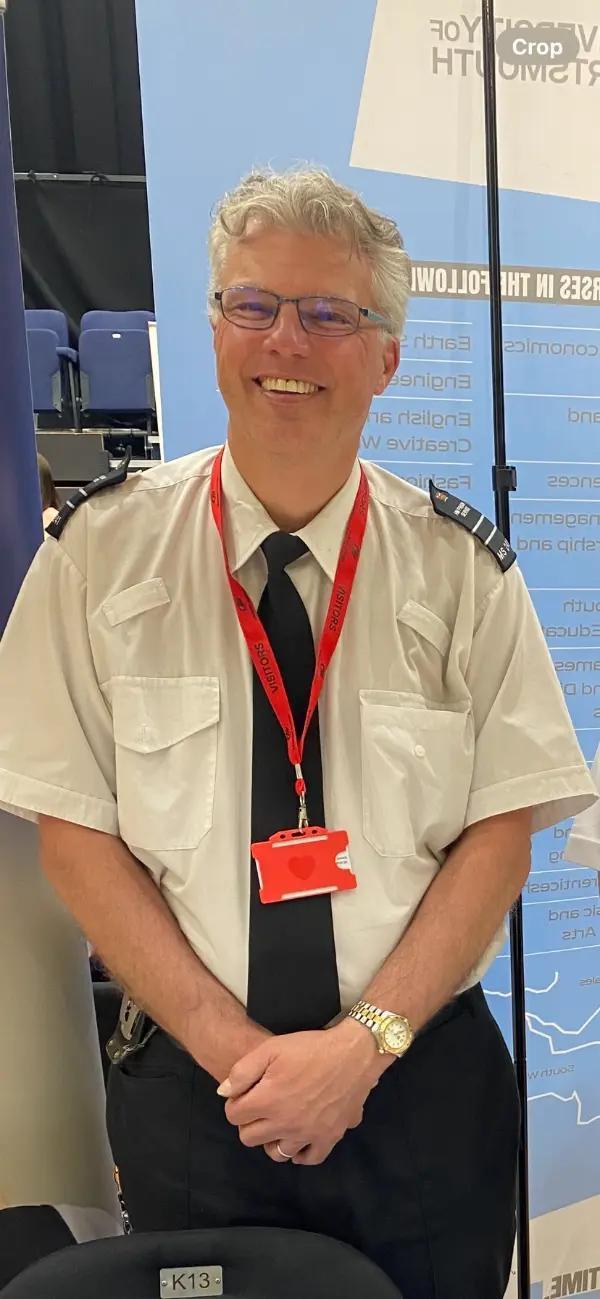
Simon Knell
Image credit: Ministry of Justice
While his family had concerns and the move felt daunting at first, the transition has more than paid off.
He said, “It can be a tough environment, but it’s also incredibly rewarding. As an officer, you might be a teacher, counsellor, or first responder all in one day. And as a mentor, I help new recruits find their confidence and purpose in the job.”
“I’ve worked with some amazing people, both staff and prisoners. No two days are the same. It’s challenging, but it’s also the most rewarding thing I’ve ever done. I’m so glad I took the leap.”
Becoming a prison officer
Prison officers work directly with inmates, fulfilling roles that include peacekeeping, teaching, and counselling.
You don’t need any specific experience to get started as a prison officer, as personal qualities are more important. These include empathy, resilience, strong communication skills, self-confidence, and the ability to think on your feet and work as part of a team.
The government website offers an online tool to help you assess whether the role aligns with your strengths and skills. You can also get a glimpse into a day in the life of a prison officer by watching the video below.
Becoming a probation officer
As a probation officer, you’ll work directly with offenders, both in prisons and the community, to protect the public and reduce reoffending.
To be a probation officer, you’ll need empathy and resilience to help people change. You’ll also need to join the Professional Qualification in Probation (PQiP) programme.
If you’re unsure whether becoming a probation officer is right for you, you can explore your options using the online tool on the government website or watch the video below.
Final thoughts…
Whether you’re seeking greater purpose or ready to leverage your experience in a new way, a career change could be the fresh start you’ve been looking for. The variety of meaningful roles available – from conservation and caregiving to rehabilitation and community safety – means there’s an opportunity to align your work with your values.
And with many of these positions valuing life experience and transferable skills over specific qualifications, taking that leap may be more achievable than you think.
If prison or probation work isn’t for you, why not check out one of these other 14 rewarding jobs where you can really make a difference?
Are you thinking about changing careers? What sort of roles appeal to you? We’d love to hear from you in the comments below.