Achilles tendinopathy is an injury to the Achilles tendon, a fibrous connective tissue that attaches your heel bone to your calf muscle. It’s a common condition – particularly among very active people – and affects around 150,000 people in the UK.
Achilles tendinopathy can be incredibly sore, often causing pain, stiffness, and swelling around your tendon and heel. If left untreated, symptoms can impact mobility and quality of life. But, luckily, there are ways you can reduce your risk of developing the condition and improve symptoms.
Here, we’ll take a closer look at Achilles tendinopathy, including symptoms, causes, and treatment.

Worried about accessing the NHS care you need?
83% of Rest Less members are worried about accessing the healthcare they need on the NHS#, making fast access to treatment more important than ever.
HMCA private medical cover offers affordable, flexible plans, with 90% of members saving money when they switch. Enjoy peace of mind. Join today and get £150 off your subscription.
#Data from over 1,000 Rest Less members surveyed in 2025
^Data from HMCA members who joined between 01/01/25 and 30/06/25
What is Achilles tendinopathy?
Achilles tendinopathy is an injury to the band of connective tissue (tendon) that connects the muscles in your lower leg to your heel bone.
The Achilles tendon allows you to move your foot, including when you walk, run, jump, or climb, making it highly susceptible to wear. As a result, Achilles tendinopathy is a common injury, particularly if you’re very active.
There are two types of Achilles tendinopathy: insertional and noninsertional tendinopathy.
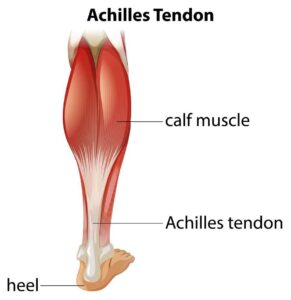
Insertional Achilles tendinopathy – fibres in the lower tendon become damaged, often as the result of intense physical activity over a long period, such as distance running.- Noninsertional Achilles tendinopathy – fibres in the middle tendon become damaged, typically in those who have recently increased the intensity of their workouts by taking up running, for example. Age, diabetes, and high blood pressure are also risk factors.
Achilles tendinopathy is sometimes called Achilles tendonitis. However, most doctors no longer use this term. Tendonitis means your tendon is inflamed, but not all tendon injuries cause inflammation, so this term isn’t strictly accurate.
What are the symptoms of Achilles tendinopathy?
According to Bupa, Achilles tendinopathy can cause various symptoms, including…
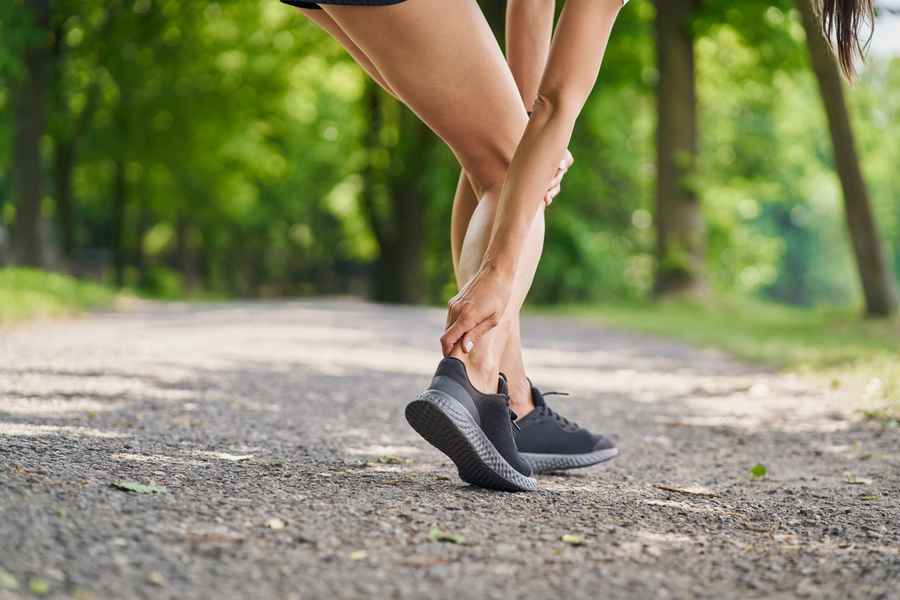
Pain in your heel – this may be a sharp or aching pain, and feels worse after periods of being active or putting pressure on it
- Swelling at the back of your ankle
- Tenderness when you touch the area
- Stiffness in your tendon, which is typically worse first thing in the morning or after resting for a while
- A grating noise or a creaking feeling in your ankle when you move it
Note: If you experience a sharp, sudden pain in your heel or calf, this could signal a torn tendon, known as an Achilles tendon rupture. You may hear a snap and struggle to put any weight on your leg. It’s important to seek urgent medical advice if this happens.

Worried about accessing the NHS care you need?
83% of Rest Less members are worried about accessing the healthcare they need on the NHS#, making fast access to treatment more important than ever.
HMCA private medical cover offers affordable, flexible plans, with 90% of members saving money when they switch. Enjoy peace of mind. Join today and get £150 off your subscription.
#Data from over 1,000 Rest Less members surveyed in 2025
^Data from HMCA members who joined between 01/01/25 and 30/06/25
What can cause Achilles tendinopathy?
Several factors can increase your risk of developing Achilles tendinopathy. Some of these are related to your lifestyle and can be modified, while others, such as age and family history, can’t.
In most cases, Achilles tendinopathy is caused by repeated stress to your Achilles tendon over time, which can change its structure. As a result, any sport or activity that places particular stress on your Achilles tendon can increase your risk. Some of the most common examples include…
- Running sports, including football
- Jumping, as done in netball, tennis, dancing, and gymnastics
- Cycling, if your saddle is too low
- Using poorly designed sports equipment or wearing low-quality activewear, particularly footwear
- Having poor exercise form
- Not training properly for a sporting event, such as distance running
- Suddenly increasing the amount of exercise you’re doing
- Training on hard or sloping surfaces
Other factors that can increase the likelihood of Achilles tendinopathy include…
- Age – the condition is most common in individuals over 40 because the Achilles tendon naturally becomes less flexible and resilient to stress with age
- Having a family history of the condition
- Previous injuries to your tendon or the muscle around it
- Long-term health conditions such as diabetes, rheumatoid arthritis, high cholesterol, or thyroid problems
- Being very overweight or obese, which places greater stress on the Achilles tendon
- Taking certain medicines that belong to the quinolone group, such as statins, antibiotics, or corticosteroids. These may weaken and disrupt the structure of tendons. This study found that patients prescribed corticosteroids and fluoroquinolones (antibiotics used to treat bacterial infections) had a 46% greater risk of Achilles tendon rupture than those taking neither medication.
How is Achilles tendinopathy diagnosed?
If you suspect you may have Achilles tendinopathy, it’s important to speak to your GP.
Your GP will likely ask you about your symptoms and perform a physical examination of your leg, ankle, and heel. They may also squeeze your calf muscle and ask you to do a series of movements or exercises to help assess how well you can move your leg.
In most cases, Achilles tendinopathy can be diagnosed from an assessment of your symptoms, so further tests or scans aren’t usually needed. However, if they suspect a rupture or your symptoms are severe/aren’t responding to treatment, your GP may refer you for an MRI or ultrasound scan for further investigations.
You can read more about how Achilles tendinopathy is diagnosed on the Bupa website.
5 self-help remedies for Achilles tendinopathy
Some people find that self-help remedies and lifestyle changes are enough to improve symptoms of Achilles tendinopathy. We’ll cover some of these below.
1. Try the RICE method
According to experts, the RICE method can be effective at reducing pain, swelling, and inflammation caused by Achilles tendinopathy – particularly in the early stages after injury. RICE stands for rest, ice, compress, and elevate…
Rest – it’s best to avoid putting pressure or weight on your tendon for one to two days until you’re able to walk without pain. The tendon can usually heal faster if no additional strain is placed on it during this time. If you need to move around while resting your tendon, you might wish to talk to your doctor about using crutches.
Ice – the NHS recommends icing your tendon for up to 20 minutes, two to three times a day, to help reduce inflammation and swelling. Try putting ice in a bag and wrapping it in a cloth to avoid ice coming into direct contact with skin, which can cause harm.
- Compression – wrapping a bandage, athletic tape, or piece of clothing around your tendon to compress the injury can help prevent additional swelling. However, it’s important not to tie anything too tightly around your tendon, as this can interrupt blood flow.
- Elevate – elevating your foot above chest level can help reduce swelling by improving blood flow. This is easiest to do by lying down and placing your foot on a pillow or other raised surface.
2. Wear supportive footwear
When it comes to managing and preventing Achilles tendinopathy, footwear is key. Generally, it’s best to avoid overly tight shoes and choose those that offer good arch support and heel cushioning to reduce strain on the tendon.
If you have issues with the shape of your foot or how you walk – for example, if you have flat feet – you may also like to consider buying shoe inserts. Amazon sells a range of Achilles tendinopathy insoles.
For more tips, check out this guide to the best shoes for Achilles tendinopathy from Sole Bliss.
3. Maintain a healthy weight
Being overweight places excess strain on the Achilles tendon, which can exacerbate pain and inflammation. As a result, maintaining a healthy weight is one of the best things you can do to improve Achilles tendinopathy symptoms.
For healthy weight loss support, head over to our diet and nutrition and fitness and exercise sections.
4. Modify your activity levels
According to the NHS, it’s helpful to keep moving and exercising with Achilles tendinopathy if you can.
To help reduce the risk of further strain, choosing lower-impact activities, such as swimming or cycling, can be beneficial. It’s also key to build up new activities gradually and spend time warming up and cooling down before and after exercise (focusing particularly on calf muscles).
For some people, this may only be possible after an initial period of rest.
5. Manage pain with over-the-counter medication
If pain caused by Achilles tendinopathy is impacting your daily life, over-the-counter medication, such as paracetamol and non-steroidal anti-inflammatory drugs (NSAIDs), like ibuprofen, can offer short-term relief.
However, it’s important to speak to your GP about NSAID usage, as these shouldn’t be taken for long.

Worried about accessing the NHS care you need?
83% of Rest Less members are worried about accessing the healthcare they need on the NHS#, making fast access to treatment more important than ever.
HMCA private medical cover offers affordable, flexible plans, with 90% of members saving money when they switch. Enjoy peace of mind. Join today and get £150 off your subscription.
#Data from over 1,000 Rest Less members surveyed in 2025
^Data from HMCA members who joined between 01/01/25 and 30/06/25
How is Achilles tendinopathy treated?
If self-help remedies aren’t improving Achilles tendinopathy symptoms, your GP or physiotherapist may suggest alternative treatments.
Initial treatment for Achilles tendinopathy usually involves a physiotherapy exercise programme. If no improvements are made, other treatments may be considered.
Physiotherapy exercises for Achilles tendinopathy
Physiotherapy is used to help build the strength and function of your Achilles tendon.
The specific exercises you do will depend on your symptoms. However, most involve stretching and lengthening your Achilles tendon and the surrounding muscles.
According to Bupa, most people need to do Achilles tendinopathy exercises two to three times a day for at least three months to experience results.
Alternative treatments for Achilles tendinopathy
If your symptoms don’t improve with home remedies or physiotherapy, other treatment options are available. These include…
- Extracorporeal shockwave therapy – a machine passes shockwaves through your skin to the damaged part of your tendon to help ease pain caused by Achilles tendinopathy.
- Blood or platelet-rich plasma (PRP) injections – involves injecting part of your blood, which is rich in growth factors, into your Achilles tendon to help it heal faster.
- Dry needling – a thin needle is passed into your tendon to help stimulate the healing process and strengthen your tendon.
In some cases, alternative treatments for Achilles tendinopathy may be available through your physiotherapist. However, you may need to be referred to a specialist sports or musculoskeletal doctor.
Surgery for Achilles tendinopathy
According to Bupa, most people with Achilles tendinopathy won’t need surgery. However, if you’ve been trying other treatments for months and your symptoms haven’t improved, surgery may be an option.
To have surgery for Achilles tendinopathy, you’ll need to be referred to a specialist foot or ankle surgeon who’ll be able to assess whether surgery is the right option for you. They may perform scans to see the condition of your tendon.
Surgery for Achilles tendinopathy involves removing damaged areas of your tendon and repairing what’s left of it. To do so, your surgeon may replace damaged tissue with tissue from higher up your Achilles or from a different tendon.
Final thoughts…
Achilles tendinopathy is a common condition that, if left untreated, can cause pain, swelling, and changes to mobility. Luckily, there are several things you can do to reduce your risk and help improve symptoms.
For further reading, head over to our health section. Here, you’ll find information on everything from heart and bone health to important health checks for over 50s.
Do you have any experience with Achilles tendinopathy that you’d like to share? We’d be interested to hear from you in the comments below.