

- Home
- Health
- Healthy Body
- 5 tips to help lower cholesterol
Because it’s associated with medical conditions like heart disease and stroke, the word ‘cholesterol’ might bring up feelings of fear or worry. But not all cholesterol is bad. In fact, we need a certain amount to stay healthy.
In many cases, higher cholesterol levels simply signal that we need to make some healthy lifestyle adjustments. However, some people are naturally more prone to developing high cholesterol due to genetics and may require medication.
Below, we’ll explore what cholesterol is and offer five research-backed tips that can help maintain healthy levels.
What is cholesterol?

Cholesterol is a fatty substance that circulates in our blood. It supports digestion and is responsible for producing certain hormones and vitamin D, so we need it to stay healthy.
But having too much cholesterol can clog arteries and increase the risk of health issues, including heart disease and stroke.
Cholesterol comes from two sources: that which our livers produce naturally and dietary cholesterol that’s found in some foods – for example, in meat and dairy products.
The two main types of cholesterol are high-density lipoprotein (HDL) and low-density lipoprotein (LDL). Lipoproteins are formed from fat and proteins.
- HDL is known as ‘good cholesterol’ because it helps remove excess cholesterol produced by our diet, so less ends up in the arteries.
- LDL is considered ‘bad cholesterol’ because it’s transferred to the arteries. Here, it can begin to build up into a plaque known as atherosclerosis, which increases the risk of heart attack or stroke.
It’s also important to be aware of triglycerides, the most common type of fat in our bodies. A high level of triglycerides paired with low HDL (good cholesterol) and high LDL (bad cholesterol) can lead to further plaque buildup in the arteries, adding to the risk of a heart attack or stroke.
To learn more about LDL (bad cholesterol), HDL (good cholesterol), and triglycerides, check out the video below from the British Heart Foundation.
What are the warning signs of high cholesterol?
Typically, there are no warning signs or symptoms of high cholesterol, which is why it’s important to get checked regularly and take precautions early. For those with a family history of high cholesterol, this is particularly important, as you may have an increased risk of developing it.
In some cases, high cholesterol can lead to heart disease and cause symptoms including chest pain (angina), shortness of breath, feeling faint, and extreme fatigue. While everyone presents symptoms differently, if you’re experiencing any of the above, it’s important to seek medical help straight away.

Worried your premium will rise if you make a claim?
At HMCA, claims don’t impact your premium, so you can claim with confidence. Whether you’re choosing private medical insurance for the first time or switching, their comprehensive plans and personal service give you peace of mind.
Join today and get £150 off your first-year subscription^
^Offer only applies to Medical Plans
How can I get my cholesterol levels checked?

Experts generally recommend that most healthy adults have a cholesterol test every five years, regardless of age or health status.
A cholesterol check involves a simple blood test. Your doctor should also check your triglyceride levels as they affect heart health, too.
The test measures your total cholesterol, HDL (good cholesterol), LDL (bad cholesterol), and triglyceride levels. If your result only shows your total cholesterol levels, you can request a full breakdown.
Other tests can also be performed alongside a cholesterol test to provide a more in-depth picture of your heart health and determine your risk of certain health issues. This includes a blood pressure test and a BMI test. Combined, the results will reveal whether lifestyle changes alone are enough to lower your cholesterol to healthy levels or whether you need treatment.
You can get your cholesterol tested at your local GP clinic or health centre, as well as at some gyms and leisure centres. Cholesterol tests should be offered to everyone aged 40–74 as part of their regular NHS health check every five years (it’s worth speaking to your GP if you think you should have received an invitation but haven’t).
You can also request a test from your local GP surgery at any time, which you can find using this NHS tool. Your pharmacist may also be able to test your cholesterol, so it’s worth popping in or giving them a call.
To learn more about the cholesterol testing process, check out this NHS page.
What is a healthy cholesterol level?
In the UK, cholesterol levels are measured in millimoles per litre (mmol/L). It’s important to ask your doctor or nurse about your healthy range, as it can vary from person to person.
Below is a general guide to healthy cholesterol levels, as advised by Heart UK…
| Result | Healthy level (in mmol/L) |
| Total cholesterol | Below 5 |
| HDL (good cholesterol) | Above 1 for men Above 1.2 for women |
| LDL (bad cholesterol) | Below 3 |
| Non-HDL (bad cholesterol) | Below 4 |
What can factors can affect cholesterol levels?
According to the World Heart Foundation, certain factors can increase cholesterol levels. This includes unhealthy lifestyle habits such as diets high in saturated fat, a lack of physical activity, smoking, stress, and weight gain (especially around your midsection).
However, several factors are uncontrollable. For example, high LDL cholesterol levels can sometimes be inherited. This genetic condition is known as familial hypercholesterolemia (FH), and it affects a person’s ability to reduce LDL cholesterol. For tips and advice on how to manage FH, have a read of this guidance from the British Heart Foundation.
Other factors that may affect cholesterol levels include age, gender, ethnic background, and conditions like kidney or liver disease and an underactive thyroid.
5 tips to help lower cholesterol
1. Maintain a healthy weight

Research shows that being overweight affects heart health by raising cholesterol, as well as blood pressure and blood sugar levels.
According to Heart UK, losing just 10% of your body fat if you’re overweight can help lower cholesterol, triglyceride, and blood pressure levels – as well as the risk of developing diabetes and some forms of cancer. If you’re unsure whether you’re overweight, you can check using this BMI calculator on the NHS website.
If you’d like to lose weight, simple habits like practising portion control, increasing your activity levels, and avoiding sugary and fatty snacks can make a big difference.
It can also be useful to view healthy weight loss as an exciting, transformative stage in your life that will help you become the best version of yourself. Often, the slower and more sustainable this journey is, the more likely you are to maintain the changes you make.
We have lots of information on leading a healthy lifestyle in our health and diet and nutrition sections.
2. Eat a healthy, balanced diet
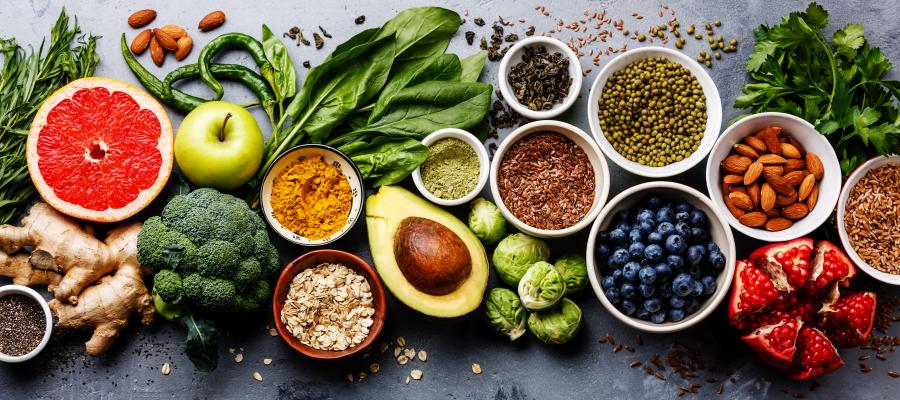
Try to reduce the amount of saturated and trans fat that you’re eating
When it comes to diet and cholesterol, the most beneficial thing you can do is reduce your intake of saturated fat and trans fats and replace them with healthier, unsaturated fats.
Diets high in saturated and trans fats can increase the LDL (bad cholesterol) in your bloodstream and block arteries. Foods high in saturated fat include butter, fatty meat, and full-fat dairy products like cream and cheese. Some animal products like meat and dairy also contain trans fats, but artificial trans fats are most commonly found in processed foods (like packaged cookies, cakes, crisps, crackers, and fried meals).
Unsaturated ‘healthy’ fats, however, are found mainly in foods like vegetable oils, fish, avocados, nuts, and seeds. The omega-3 content of some of these foods (for example, fatty fish like salmon and mackerel, walnuts, flaxseeds, and canola oil) can also help prevent and treat heart disease and stroke. You can read more about cholesterol-busting foods on Heart UK’s website.
To reduce your trans and saturated fat consumption, consider swapping cuts of fatty red meat for leaner alternatives. For example, you could have a skinless chicken breast, cook it with olive oil rather than butter, and snack on nuts (like cashews and almonds) instead of crisps and biscuits.
You can find further guidance on swapping saturated and trans fats for healthier alternatives in our article, How to cook your food for the biggest health benefits, and on the NHS website.
Consider including more plant-based proteins in your diet
Many people believe that to get enough protein, you need to eat a lot of meat. But there’s increasing evidence that replacing animal proteins with plant-based proteins can benefit health.
One study showed that because plant-based proteins are lower in fat and cholesterol than animal proteins, they can help lower LDL (bad cholesterol) and overall cholesterol levels.
Of course, this doesn’t mean cutting out meat entirely, but reducing your intake could make a big difference, and you’ll be helping the environment.
For further information on protein and recipe inspiration, check out our article: 12 high-protein meal ideas.
Make sure you’re getting plenty of fibre
Research shows that fibre can positively impact cholesterol and reduce the risk of atherosclerosis and heart disease. The NHS advises that adults aim for at least 30g of fibre a day.
Foods high in fibre include wholemeal bread and wholegrain cereals, nuts and seeds, fruit and vegetables, oats and barley, and pulses such as beans, peas, and lentils. Check out our article, 10 easy ways to add more fibre to your diet, for more ideas.
Use healthier cooking methods
Generally, fried foods tend to be higher in calories and trans fats because they’re often coated in oil, batter, or flour. Grilling, steaming, boiling, or poaching can be helpful cooking methods to reduce unhealthy fat in your diet.
If you love fried foods, don’t worry – these healthy lifestyle changes don’t have to mean never eating your favourite foods again. It’s all about moderation.
For cooking inspiration, head over to our food and drink or diet and nutrition sections, where you’ll find everything from healthy baking ideas to tips on how to cook for the biggest health benefits.
3. Make exercise part of your routine

Regular exercise is important for maintaining healthy cholesterol levels.
Research has revealed that aerobic exercise can support healthy weight loss and lower LDL cholesterol levels. One study found that when a person lost a kilogram of body weight, their LDL cholesterol also reduced by about 0.8 mg/dL.
Unlike medications used to treat high cholesterol levels, aerobic exercise can be an easier (and more enjoyable) way to control cholesterol – and it doesn’t bring a list of possible side effects.
If you haven’t yet found a form of exercise you enjoy, head over to our fitness and exercise section. Here, you’ll find guides on everything from cycling and walking to dance, Pilates, and Tai Chi.
4. Say no to smoking

Research shows people who smoke tend to have higher triglyceride (TG) levels than non-smokers. According to Heart UK, quitting smoking causes HDL cholesterol levels to increase rapidly and reduces the risk of a heart attack or stroke almost immediately. And, one year after quitting, the chance of having a heart attack is halved.
Quitting smoking also has various other health benefits, including higher energy levels, improved breathing ability and circulation, and a reduced risk of lung cancer.
If you’d like help quitting smoking, you might find it helpful to have a read of our article.
5. Take steps to reduce stress levels

Too much stress can have a huge impact on our bodies, causing headaches, heartburn, insomnia, depression, and high blood pressure. It can also impact heart health and cholesterol levels.
One study found that psychological stress can lead to increased levels of triglycerides and LDL (bad cholesterol) and decreased levels of HDL (good cholesterol). Another study also identified a link between people in high-stress jobs and unhealthy cholesterol levels.
We all experience stress from time to time, but if you often feel stressed, there are things that can help alleviate it.
Some people find simply getting fresh air and spending time in nature makes a huge difference, while others prefer to connect with others or reframe their thoughts using techniques like mindfulness or deep breathing.
You’ll find plenty more ideas in our article: 7 tips for coping with stress and anxiety.
Should I consider taking medication to lower my cholesterol levels?

If lifestyle and diet changes aren’t affecting cholesterol levels as much as you’d like, or if you’re at risk of having a heart attack or a stroke, your doctor may prescribe you medication to lower your cholesterol.
Statins are the most common medication for high cholesterol, but there are also other options you can read more about on the Heart UK website.
Your GP or health practitioner will always be best placed to advise you based on your individual circumstances. They’ll also be able to answer any questions you may have and discuss any concerns with you.
Worried your premium will rise if you make a claim?
At HMCA, claims don’t impact your premium, so you can claim with confidence. Whether you’re choosing private medical insurance for the first time or switching, their comprehensive plans and personal service give you peace of mind.
Join today and get £150 off your first-year subscription^
^Offer only applies to Medical Plans
Final thoughts…
We’re all different, and for some people, it’s more difficult to maintain healthy cholesterol levels.
While it’s important to keep an eye on your cholesterol, remember that high cholesterol doesn’t automatically mean you’ll have a heart attack or stroke. It’s usually just an important indicator that you should be taking steps towards a healthier lifestyle.
If you’re worried about your cholesterol, would like to get a cholesterol test, or are seeking further medical advice, book an appointment with your GP. If you’re just looking to get tested, your pharmacist may also be able to do this for you.
For further health tips, head over to our general health section. Here, you’ll find information on everything from heart and lung health to vision and hearing.
Have you taken steps to lower your cholesterol? What’s made the biggest difference for you? We’d be interested to hear from you in the comments below.
Francesca Williams is a senior lifestyle writer at Rest Less. She joined Rest Less in early 2021 after achieving a first-class degree in History at the University of Sheffield and qualifying as an NCTJ Gold Standard Journalist. Francesca is a qualified Level 3 Personal Trainer and writes across a range of lifestyle topics, specialising in health. In her spare time, Francesca likes to keep herself busy going to the gym, dancing, spending time with friends and family, and getting involved with her local church.
* Links with an * by them are affiliate links which help Rest Less stay free to use as they can result in a payment or benefit to us. You can read more on how we make money here.
Join the discussion
Read our full commenting terms and guidelines