
The Hearing Care Partnership

Sponsored content

According to research, one in three UK adults experience hearing loss or tinnitus, which, if left untreated, can negatively impact health. But luckily, hearing aid technology can make a significant difference to your quality of life. 

In fact, recent research found that 95% of people reported improvements in their confidence, social lives, personal and professional relationships, sense of independence, and ability to communicate since wearing hearing aids. Plus, thanks to technological advancements, modern hearing aids are more discreet, stylish, and comfortable than ever, and can be tailored to your personal needs, preferences, and style.

Yet, despite their benefits, studies show there’s still stigma around wearing hearing aids, mainly due to their associations with ageing and disability. This can lead people to struggle in silence, not getting the help they need due to fears about wearing a notably visible hearing aid and being judged by others.

To dispel some of the key myths around hearing aids, we’ve partnered with The Hearing Care Partnership to explore eight ways modern hearing aids can boost your confidence.

The Hearing Care Partnership aims to help people better understand how hearing loss can be identified, treated, and prevented. Their team of friendly, expert audiologists offer free hearing assessments and tinnitus consultations at over 300 UK locations, plus free hearing care advice and aftercare if you need to invest in a hearing device.

Offering Oticon hearing aids fitted with the latest technological developments, the Hearing Care Partnership is on hand to help you find the best hearing aids tailored to your individual needs, providing personalised care and support at every stage.
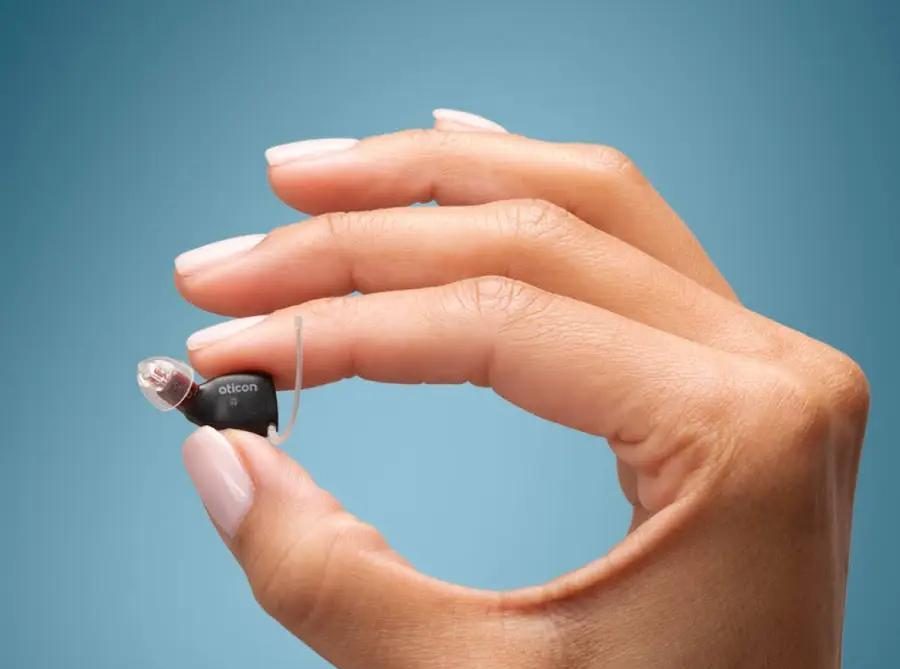

1. They’re subtle and discreet, often going unnoticed

They’re subtle and discreet, often going unnoticed

Hearing aids can bring life-changing benefits for people with hearing loss, but research shows the depth of stigma that still surrounds them.

In this study, nearly half of adults felt hearing aids haven’t been accepted by UK society in the way that glasses have, 19% said they wouldn’t want to wear hearing aids because it might make them look old, and 18% were concerned that people might make fun of them if they wore hearing aids.

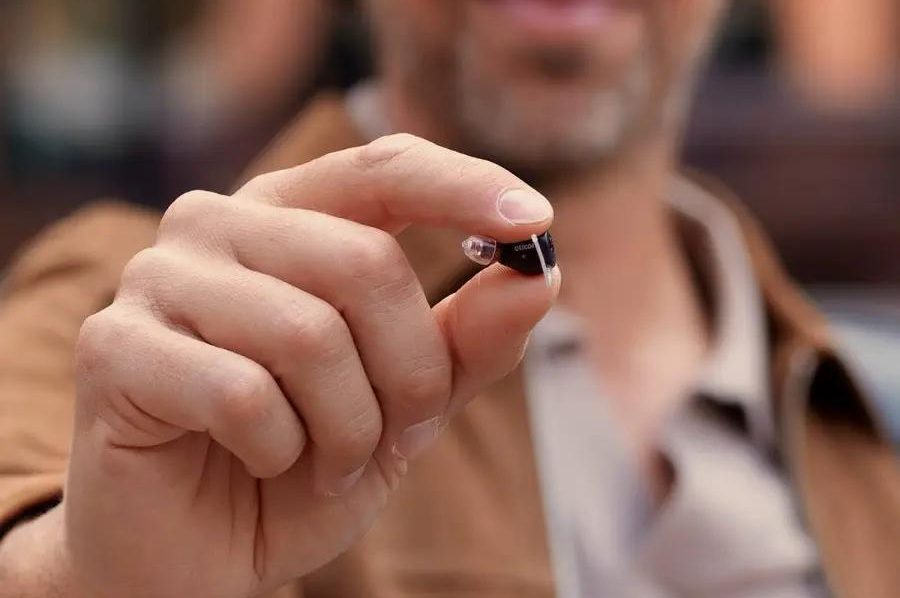
However, hearing health has come a long way and thanks to transformational changes in design, modern hearing aids are smaller, more discreet, and more technologically advanced than ever. Some are virtually invisible, making them a source of confidence, rather than shame or embarrassment, for many people.

Oticon understands the correlation between aesthetics, comfort, and the likelihood of people wearing them and has spent years developing devices that fit neatly inside the ear canal. Oticon Zeal hearing aids are the first virtually invisible hearing aid. Featuring all of Oticon’s state-of-the-art hearing aid tech, discreetly concealed in an in-the-ear solution for the first time, you don’t have to choose between discretion and advanced features.

Oticon hearing aids are also available in five different in-the-ear styles and come in a range of colours to match various skin tones and hair colours – making them a great avenue for self-expression and personal style, too.

2. Improved communication

Struggling to follow conversations in noisy environments is considered the number one challenge for people with hearing loss – and many people find that it affects their confidence.

However, many modern hearing aids are fitted with special technology designed to filter out background noise, so you can decipher which sounds are most important rather than just what’s directly in front of you. Unsurprisingly, six in 10 people report an improved ability to communicate after wearing hearing aids.

For example, Oticon hearing aids are fitted with BrainHearing technology. They use AI to support the brain’s natural processing of sound – improving speech understanding, reducing background noise, and amplifying meaningful sounds in loud environments.

Their sensor-driven Intent hearing aids constantly adapt to noise based on your movements and environment, and surrounding conversations, with this personalised support helping you stay focused on what matters most. In this study, listening effort and speech cues were reduced by 31% and 45% respectively, when wearing Oticon Intent hearing aids.

Hear life in full colour. Book a FREE hearing test!

The Hearing Care Partnership offer FREE full hearing tests to help you stay connected to everyday moments.

With 400+ clinics across the UK, personalised care, discreet hearing aids, support for tinnitus and gentle ear wax removal, book your free test today.
Book now

3. Increased personal safety and independence

If left untreated, hearing loss can impact a person’s safety and independence. For example, struggling to hear alarms, sirens, and other warning signals can make situations like driving, crossing the road, and using public transport unsafe and limit daily life.

But the versatility of modern hearing aids means they can help improve hearing and, therefore, safety and confidence, in a range of settings. For example, Oticon hearing aids are fitted with features like Wind & Handling Stabiliser and MoreSound Optimiser, meaning you can venture outdoors and take part in all kinds of activities without worrying about feedback or disruptive noises, whether you’re walking in a windy park or playing sports.

4. They can be tailored to your personal needs and preferences

They can be tailored to your personal needs and preferences

When it comes to hearing loss and hearing aids, there’s no one-size-fits-all formula. For example, while discretion is the main priority for some, others will be drawn to convenience – for example, hearing aids that are compatible with smartphones, tablets, and other devices.

Oticon’s range of six different hearing aids can be finely tuned to your personal hearing needs and lifestyle preferences, leaving you feeling confident that you’re receiving the best care. For example, designed for individuals with severe to profound hearing loss, Oticon Xceed hearing aids feature powerful sound processing capabilities to provide clear sound quality in various listening environments. Meanwhile, models like Oticon Own and Oticon Zicron cater more to those prioritising discretion and affordability.

When it comes to convenience, Oticon hearing aids feature Bluetooth connectivity and smartphone integration, allowing you to stream music, podcasts, and take calls directly.

If you’re not sure what type of hearing aid is best for you, it’s worth having a hearing assessment. Hearing assessments can be used to determine the suitable frequencies and volume levels for your level of hearing loss, and ear canal impressions can be taken to ensure a secure and comfortable fit.

The Hearing Care Partnership’s team of experienced audiologists will work closely with you to ensure that your Oticon device is perfectly adjusted, providing you with the best possible hearing experience, tailored to your lifestyle. The Hearing Care Partnership offers free hearing assessments in over 300 locations across the UK, including free aftercare if you need to invest in a hearing device.

5. Reduced risk of social isolation

When hearing begins to deteriorate, it’s common for people to slowly become disconnected from the world around them as it becomes more difficult to interact. This can increase the risk of social isolation, which research has linked with low self-confidence.

By helping to improve communication, studies show that hearing aids can help to prevent social isolation and improve people’s confidence and relationships.

Hear life in full colour. Book a FREE hearing test!

The Hearing Care Partnership offer FREE full hearing tests to help you stay connected to everyday moments.

With 400+ clinics across the UK, personalised care, discreet hearing aids, support for tinnitus and gentle ear wax removal, book your free test today.

Book now

6. Boosted work performance

People with hearing loss may struggle to communicate and interact with colleagues and customers, often impacting work performance.

As a result, due to improved communication, focus, and personal confidence, research suggests that treating hearing loss with hearing aids may have positive work outcomes. In this study, for example, over half of hearing aid users reported improvements in their work performance since wearing hearing aids.

We also know from research that better performance at work is known to improve people’s confidence.

7. Improved confidence in long-term hearing abilities

Some people think hearing aids make your ears lazy and prevent them from functioning well without assistance. However, research shows that hearing aids actually support your brain, and the earlier they’re fitted, the more likely your hearing is to be preserved.

Untreated hearing loss means that less sound is sent to the auditory cortex – the area of the brain responsible for processing sound. As the ‘tuning in’ centre of our brain, if the auditory cortex becomes less practised in deciphering sounds and filtering out background noise, your ability to focus on speech gradually reduces. Untreated hearing loss can also lead to conditions like musical hearing loss, where people hear sounds that aren’t there as the brain attempts to ‘fill in the gaps’ caused by hearing loss.

However, because hearing aids provide regular stimulation of the auditory cortex, they can help preserve hearing and improve the brain’s processing ability. There’s also evidence that hearing aids can prevent or reverse auditory deprivation.

This means that beyond offering a solution to current hearing loss, wearing hearing aids can increase confidence in your long-term hearing health, too.

8. Better overall health

Some people think that the only drawback of delaying treatment for hearing loss is struggling to hear properly at that time. However, research shows that hearing is closely linked with overall health.

The link between hearing loss and social isolation is key because research shows that the presence of a strong community is important for longevity. As a result, social isolation has been linked with a greater risk of several health conditions like stroke, anxiety, depression, heart disease, and general cognitive decline. For example, studies suggest that untreated hearing loss can nearly double your risk of developing dementia.

It’s important to note that hearing loss can be subtle and tends to progress gradually. According to research, 30-35% of people over 65% experience gradual, age-related hearing loss (known as presbycusis). This means in many cases that by the time you’ve noticed it, you’ll likely already have benefited from wearing hearing aids.

For this reason, if you suspect you may have hearing loss, no matter how mild, it’s important to seek support as soon as possible, starting with a hearing assessment. The Hearing Care Partnership offers free hearing assessments in over 300 locations across the UK, including free aftercare if you need to invest in a hearing device.

Hear life in full colour. Book a FREE hearing test!

The Hearing Care Partnership offer FREE full hearing tests to help you stay connected to everyday moments.

With 400+ clinics across the UK, personalised care, discreet hearing aids, support for tinnitus and gentle ear wax removal, book your free test today.

Book now

Final thoughts…

From communication to work performance, personal style, and overall health, research shows that modern hearing aids can be a significant source of confidence for those with hearing loss.

If you suspect you have hearing loss, it’s important to have a hearing assessment. Hearing tends to progress gradually, and research shows that the earlier it’s detected, the more likely your hearing is to be preserved.

The Hearing Care Partnership offers free hearing assessments and tinnitus consultations at over 300 locations across the UK, plus free hearing care advice and aftercare if you need to invest in a hearing device.

For further reading, head over to our general health section.