- Home
- Health
- Healthy Body
- 8 ways stress can appear on the body, according to a GP
How does Rest Less make money
We make money through advertising and commission from affiliate links, which enable us to offer Rest Less as a free service to our users. The content on this page may use affiliate links, which track traffic from our website to a third party provider and enable us to receive a commission or payment from any traffic we refer.
* Affiliate links on this page have an * next to them. We place enormous importance on our editorial independence and the integrity of our content which means that we will never change how we write about something as a result of an affiliate link.

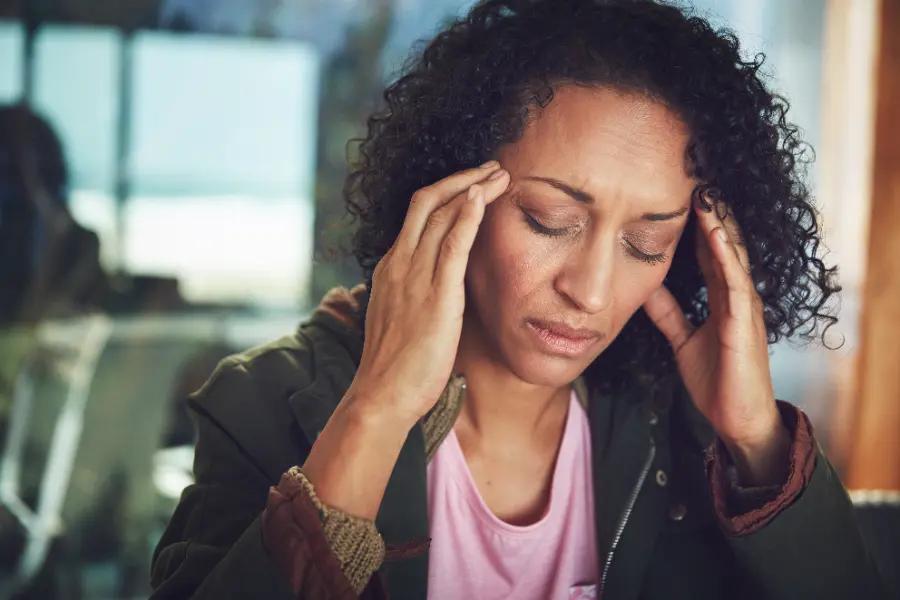
Previously, stress has been thought of as a purely mental or emotional issue. However, research is increasingly showing that it’s a profound physiological response which, if left unchecked, can directly affect physical health.
When we’re stressed, the body’s natural reaction to threat or pressure (our ‘fight or flight’ response) kicks in, and we release hormones, like cortisol and adrenaline. It’s important to remember that stress itself isn’t entirely bad, as it can boost focus, performance, and resilience, but excessive, chronic, or unmanaged stress can negatively impact health – often in ways we might not imagine.
Learning about the warning signs of stress can help us work towards minimising these effects and taking charge of our health.
To help with this, we’ll hear from Dr Donald Grant, GP and Senior Clinical Advisor at The Independent Pharmacy, as he reveals eight ways stress can appear on the body – from skin changes to digestive issues and shifts in hair growth.
Dr Grant says, “Stress doesn’t just affect the mind; it can have a significant and very visible impact on the body too. When we’re under pressure, the body releases hormones like cortisol and adrenaline, which help us cope in the short term. However, when stress becomes chronic, these hormonal changes can begin to disrupt normal bodily functions.”
1. Skin issues
According to experts, skin issues are common signs of stress. Among other things, this is because stress hormones, like cortisol and adrenaline, can increase oil production, drive inflammation, and weaken the skin barrier.
Short-term stress may cause skin irritation and rashes. Meanwhile, ongoing stress has been linked with a higher risk of inflammatory skin conditions such as rosacea, as well as infections and skin diseases like vitiligo (loss of skin colour) and chronic hives due to a weakened immune system.
There’s also evidence that stress may exacerbate symptoms or trigger flare-ups of existing skin issues with other causes. For example, herpes simplex virus, which causes cold sores, lies dormant in the body but can cause symptoms under stress.
Dr Donald Grant says, “High stress levels can have a direct impact on the skin, often triggering acne and breakouts. When we’re stressed, the body releases more cortisol, which increases oil production and inflammation. This makes pores more likely to become clogged, potentially leading to spots and flare-ups.
“Stress can also aggravate existing skin conditions such as eczema, psoriasis, and rosacea. Ongoing stress disrupts the skin barrier and heightens inflammatory responses, which can make these conditions reactive and more difficult to manage.”

Worried about accessing the NHS care you need?
83% of Rest Less members are worried about accessing the healthcare they need on the NHS#, making fast access to treatment more important than ever.
HMCA private medical cover offers affordable, flexible plans, with 90% of members saving money when they switch. Enjoy peace of mind. Join today and get £150 off your subscription.
#Data from over 1,000 Rest Less members surveyed in 2025
^Data from HMCA members who joined between 01/01/25 and 30/06/25
2. Hair loss
According to experts, stress-related hair loss often appears as a gradual thinning of hair over the scalp rather than sudden bald patches. This temporary type of hair loss, known as telogen effluvium, occurs when stress pushes more hairs into the shedding phase of the hair growth cycle.
Dr Donald Grant says, “High cortisol levels can impact hair health and lead to stress-related shedding. Prolonged periods of stress can push hair follicles into a resting phase of the growth cycle, meaning strands are more likely to fall out than grow.
“It’s not uncommon to notice increased hair loss several weeks (or even months) after a particularly stressful period. While it’s usually temporary, persistent or severe shedding should always be assessed by a qualified health professional.”
3. Aches and pains
During the body’s ‘fight or flight’ response, our muscles tense up. So, prolonged stress can keep muscles in a constant state of tension and contraction, leading to pain and tightness – particularly in the back, neck, shoulders, and jaw.
Dr Donald Grant says, “Prolonged stress can manifest physically through increased muscle tension and unexplained aches and pains. When the body remains in a heightened state of alertness, the muscles in the neck, shoulders and back may stay tense for extended periods.
“Over time, this can lead to tension headaches, jaw pain, back discomfort, and generalised muscle soreness. If symptoms persist or worsen, it’s important to seek medical advice to rule out other underlying causes.”
4. Erectile dysfunction
According to research, stress is a leading, reversible cause of erectile dysfunction (ED), creating a physical and mental barrier to sex.
Dr Donald Grant says, “Stress can also play a significant role in increasing the risk of experiencing erectile dysfunction. When the body is in a prolonged state of stress, elevated cortisol and adrenaline levels can interfere with blood flow and reduce sexual arousal, making it more difficult to achieve or maintain an erection.
“Stress can also contribute to performance anxiety, creating a cycle where concerns about sexual performance further worsen the issue. It’s important these signs are never ignored or dismissed.”
If you’ve been struggling recently, you might like to read our article: Erectile dysfunction – 5 tips for regaining confidence in the bedroom.
5. Digestive issues
The gut-brain connection, or gut-brain axis, is a two-way communication system made up of a network of chemicals, nerve cells, and microbes linking the gut and brain. This is why digestive issues, such as bloating and diarrhoea, are often some of the first, and most common, signs of stress.
Dr Donald Grant explains, “Stress can have a significant impact on the digestive system due to the close connection between the brain and the gut. When we’re anxious or under pressure, this communication pathway, often referred to as the gut-brain axis, can become disrupted, leading to symptoms such as bloating, stomach pain, diarrhoea, or constipation.
“Stress can also worsen existing conditions like irritable bowel syndrome (IBS) by increasing gut sensitivity and altering normal digestion. If digestive issues tend to flare up during busy periods, stress could be a driving factor.”
6. Disrupted sleep
Stress is a common barrier to sleep, making it difficult to drift off and increasing the likelihood of frequent wakings. This is because it triggers the body’s ‘fight or flight’ response, causing alertness and muscle tightness.
Dr Donald Grant says, “Disturbed sleep is a common physical sign that the body is under prolonged stress. Elevated cortisol levels can make it difficult to wind down properly, making it harder to fall asleep or stay asleep throughout the night.
“You may find it difficult to switch off, experience frequent wakings, vivid dreams, or wake up feeling unrefreshed. Over time, poor sleep can further heighten stress levels by causing irritability, reducing concentration, and disrupting the body’s natural hormone balance, creating a cycle that can be difficult to break.”
7. A weakened immune system
Chronic stress has been linked with a weakened immune system, which, if left unchecked, can lead to inflammation, reduced white blood cell production, and poor defence against viruses like the common cold.
Dr Donald Grant explains, “Long-term stress can suppress immune responses, making people more susceptible to infections. Persistently high cortisol levels can also impair the body’s ability to fight viruses and bacteria effectively, prolonging illness.
“As a result, some people may notice they’re catching colds more frequently, experiencing recurrent infections, or taking longer to recover from minor illnesses. If this pattern coincides with ongoing stress, it may indicate that the immune system is under strain.”

Worried about accessing the NHS care you need?
83% of Rest Less members are worried about accessing the healthcare they need on the NHS#, making fast access to treatment more important than ever.
HMCA private medical cover offers affordable, flexible plans, with 90% of members saving money when they switch. Enjoy peace of mind. Join today and get £150 off your subscription.
#Data from over 1,000 Rest Less members surveyed in 2025
^Data from HMCA members who joined between 01/01/25 and 30/06/25
8. Irregular periods
Some women experience irregular periods and other changes to their menstrual cycle when they’re stressed. Among other things, research suggests that high cortisol levels can trigger hormonal imbalances that disrupt the usual cycle by delaying or skipping ovulation.
Dr Donald Grant says, “For women, chronic stress can also interfere with the menstrual cycle. When cortisol levels remain elevated for prolonged periods, it can disrupt the balance of reproductive hormones such as oestrogen and progesterone, which play a key role in regulating periods.
“Some women may notice irregular cycles, missed periods, heavier bleeding, or worsening premenstrual symptoms. While occasional changes can happen for many reasons, persistent irregularity during stressful periods may be a sign that the body is under hormonal strain.”
For more information and guidance, you might find our articles, 7 tips for coping with stress and anxiety and Fact vs fiction – the truth about stress, useful. For further reading, head over to our health news section.
Francesca Williams is a senior lifestyle writer at Rest Less. She joined Rest Less in early 2021 after achieving a first-class degree in History at the University of Sheffield and qualifying as an NCTJ Gold Standard Journalist. Francesca is a qualified Level 3 Personal Trainer and writes across a range of lifestyle topics, specialising in health. In her spare time, Francesca likes to keep herself busy going to the gym, dancing, spending time with friends and family, and getting involved with her local church.
* Links with an * by them are affiliate links which help Rest Less stay free to use as they can result in a payment or benefit to us. You can read more on how we make money here.

Free NHS eye tests plus 10% off glasses for over 60s
Booking an appointment online has never been easier, and with a range of offers from 10% off if you’re over 60**, 2nd pairs half price^ & a free NHS eye test if eligible, our expert optometrists are here to help you on your journey to clearer vision.
Join the discussion
Read our full commenting terms and guidelines