
- Home
- Health
- Healthy Body
- What are the best foods for kidney health?
Kidney Care UK estimates that 7.2 million people in the UK have chronic kidney disease (stages 1–5). Because there are no symptoms in the early stages, many people live unknowingly with the disease until they have a blood or urine test for another reason.
While kidney disease can’t be reversed, it can often be prevented or slowed by taking steps to support kidney health – and adjusting your diet is a great place to start.
With that said, here are some foods that, according to science, may be particularly beneficial for the kidneys.
General information on diet and kidney health

The kidneys are two bean-shaped organs that sit below the ribcage, behind your belly. Their main role is to filter blood, removing excess fluid and waste products, which are passed out as urine. Kidneys are also involved in red blood cell production and blood pressure control.
According to the NHS, chronic kidney disease (CKD) is usually caused by other health conditions that strain the kidneys, such as high blood pressure, high cholesterol, diabetes, and kidney infections. In fact, the National Kidney Foundation lists diabetes as the leading cause of kidney failure.
However, a combination of factors is often at play. For example, high blood pressure and sugar levels can damage blood vessels and the filters in the kidneys, causing them to leak and lose function.
For this reason, making healthy diet swaps to help prevent or manage long-term health conditions that could lead to CKD is one of the best things you can do for kidney health.
Generally, experts advise eating a balanced diet containing foods from the five food groups shown in the NHS Eatwell Guide. This includes eating lots of whole, plant-based foods while reducing your salt, saturated fat, and added sugar.
Research has linked high salt and sugar diets with an increased risk of conditions like cardiovascular disease. Reducing your intake of ultra-processed foods is a great place to start, as research suggests they contribute around 75% of the salt in our diets. Meanwhile, studies consistently link healthy, balanced diets that are low in salt and added sugar to a lower risk of disease.
In particular, the National Kidney Foundation recommends the DASH diet (Dietary Approaches to Stop Hypertension) as an effective starting point. The DASH diet is a dietary approach used to treat and prevent high blood pressure and has been shown to reduce the risk of heart and kidney diseases.
Note: If you have CKD, your doctor may advise you to follow a special kidney diet, or renal diet, which is low in sodium, potassium, and phosphorus. However, it’s important to only do so if advised by your doctor or dietitian.
What are the best foods for kidney health?
Considering the above information, we’ve explored some of the foods with the strongest potential benefits for kidney health.
Note: Some foods on this list contain sodium, potassium, and phosphorus. So, if you have CKD, the amount you can eat will vary depending on the stage of the disease and/or the type of dialysis being given. Your doctor will be able to advise you on this.
1. Whole grains

Carbohydrates like bread, rice, potatoes, and pasta are a key part of any healthy diet and are important for providing energy. However, the type of carbs you pick can make a difference. It’s best to choose whole grains over refined grains, as these are connected with improved kidney health.
Several studies have linked eating more whole grains with a lower risk of CKD and kidney failure. More generally, research suggests that whole-grain intake improves kidney function.
Meanwhile, this study found that diets with a higher ratio of refined grains to whole grains were linked to a higher risk of CKD.
In line with these findings, the National Kidney Foundation advises that eating a diet rich in whole grains is one of the most important ways to keep your kidneys healthy.
Examples of whole grains to add to your diet include whole oats, buckwheat, brown rice, wholemeal bread, and quinoa. Why not try some of these whole-grain meals from BBC Food to get started?
2. Plant protein

According to experts, plant proteins are generally better for kidney health than animal proteins. This is because they produce less acid in the body, which can damage the kidneys.
According to research, some top sources of plant-based protein include…
Beans, peas, and lentils
Beans, peas, and lentils, or legumes, are excellent sources of plant-based protein, and research has found that they offer several benefits for kidney health.
In this adult study, eating beans was linked with a lower prevalence of CKD and albuminuria (a sign of kidney disease where you have too much albumin in your urine). When people increased their bean intake by 50g per day, their risk of albuminuria and CKD reduced by 5% and 4%, respectively.
Another 23-year follow-up study found that people who ate more legumes had a lower risk of developing CKD, while this study found that eating legumes as part of a Mediterranean diet helped prevent and control CKD.
Soy-based protein
Soy foods, such as tofu, tempeh, and soy-based milk, may also benefit kidney health.
In this study, soy protein was shown to provide a potential protective impact on the kidneys of CKD patients. Another study concluded that diets containing soy protein were more effective at improving kidney function than diets with no soy protein. As a result, research suggests that soy protein may reduce the risk of kidney disease in people with type 2 diabetes.
Nuts and seeds
Nuts and seeds such as pecans, hazelnuts, and chia seeds are another great source of plant protein, as well as fibre, omega-3, vitamin E, calcium, and selenium – all of which are important for blood pressure control. For example, in this study, omega-3 significantly lowered blood pressure in people on dialysis compared to a placebo.
As a result, research has found that regularly eating nuts and seeds can help reduce the risk of heart disease and diabetes. In line with this, studies have linked eating nuts and seeds one to six times a week with a lower prevalence of CKD.
3. Lean protein

While plant-based protein is more beneficial for kidney health, you don’t necessarily have to eliminate meat. However, experts advise choosing lean animal protein, such as fish or skinless chicken or turkey breasts, over red meat where possible.
Research suggests that eating red meat may increase the risk of developing CKD because it contains toxins that can cause kidney damage over time.
Processed meat sources like ham, bacon, and sausages are considered the most harmful to kidney health as they’re high in sodium. Red meat, such as beef, lamb, and pork, has also been found to have a negative impact.
4. Fruit and vegetables

Fruit and vegetables are a key source of fibre and essential vitamins and minerals, and getting your five-a-day is a key part of any healthy diet.
However, research suggests that some fruits and vegetables may be particularly beneficial for kidney health. We’ll cover some of these below.
Berries
Berries, including blueberries, strawberries, raspberries, and cranberries, are a fantastic source of fibre, vitamin C, and several antioxidants, including polyphenols, which may help protect against disease. In this study, polyphenols were found to help prevent kidney damage by reducing inflammation and oxidative stress (an imbalance of antioxidants and harmful molecules that can damage cells).
Berries may also be particularly beneficial for anyone with kidney concerns as they’re low in sodium, phosphorus, and potassium. For example, this study found that blueberries may improve kidney function and help protect against kidney damage.
Apples
Apples contain a type of fibre called pectin, which studies suggest may help reduce certain risk factors for kidney damage, such as high blood pressure and cholesterol levels. Other sources of pectin include plums, cherries, and citrus fruit peels.
Cruciferous vegetables
Research has also noted that cruciferous vegetables may support kidney health.
For example, broccoli contains a natural compound called sulforaphane, which may protect against kidney fibrosis – a common symptom of CKD. In this study, cauliflower leaf extract was found to improve kidney and liver function in rats. Another study suggested cabbage juice may help protect the liver and kidneys from lead-induced toxicity.
Garlic
Garlic has been used as a natural remedy for various health concerns for centuries. One of the main reasons is that it contains allicin, a plant compound found to help lower blood pressure and protect the body against free radicals (unstable molecules that harm cells and tissues).
Various studies suggest that allicin can be a highly effective way to lower blood pressure. For example, this study found that the benefits of allicin for CKD may be similar to those of losartan, a common medicine for treating high blood pressure. In line with this, research suggests that allicin may effectively improve kidney function.
5. Herbs and spices

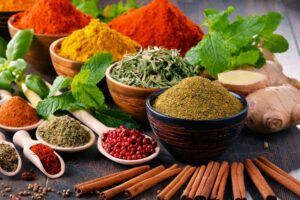
Eating less salt is key to kidney health – but this doesn’t have to mean sacrificing flavour. Cooking with herbs and spices can make a world of difference to the flavour of your meals. Alongside their low sodium content, research shows that many herbs and spices offer powerful benefits.
This study found that coriander leaves help the kidneys flush out excess sodium, water, and toxins – lowering blood pressure and cholesterol in the process. Another study found that parsley may prevent kidney stones by regulating the pH of urine, and other research suggests that cinnamon may protect against inflammation and oxidative stress in the kidneys.
Check out these six ways to add flavour without salt from Kidney Care UK for more inspiration.
Final thoughts…
Diet plays a key role in our kidney health, and research shows that making simple changes, such as eating more whole grains and plant protein, can make a big difference.
For more general kidney health advice, you might like our article: 9 ways to keep your kidneys healthy. Alternatively, head over to our general health section.
Have you made any diet changes for your kidney health? We’d be interested to hear from you in the comments below.
Francesca Williams is a senior lifestyle writer at Rest Less. She joined Rest Less in early 2021 after achieving a first-class degree in History at the University of Sheffield and qualifying as an NCTJ Gold Standard Journalist. Francesca is a qualified Level 3 Personal Trainer and writes across a range of lifestyle topics, specialising in health. In her spare time, Francesca likes to keep herself busy going to the gym, dancing, spending time with friends and family, and getting involved with her local church.
* Links with an * by them are affiliate links which help Rest Less stay free to use as they can result in a payment or benefit to us. You can read more on how we make money here.
Join the discussion
Read our full commenting terms and guidelines