
- Home
- Health
- Healthy Mind
- 7 ways to build self-discipline
How does Rest Less make money
We make money through advertising and commission from affiliate links, which enable us to offer Rest Less as a free service to our users. The content on this page may use affiliate links, which track traffic from our website to a third party provider and enable us to receive a commission or payment from any traffic we refer.
* Affiliate links on this page have an * next to them. We place enormous importance on our editorial independence and the integrity of our content which means that we will never change how we write about something as a result of an affiliate link.
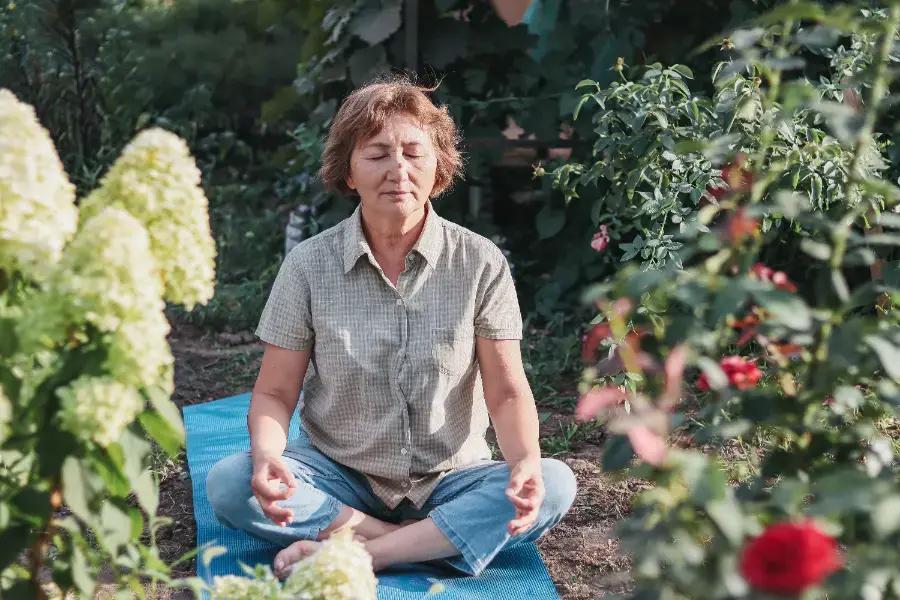
Happiness, fulfilment, and success are all closely linked with characteristics like discipline and self-control. This might be difficult to believe when faced with an all-you-can-eat buffet or when the option of sleeping in feels more tempting than hitting the gym. However, research shows that disciplined people tend to be happier and healthier.
But why is this? Ultimately, the more discipline and self-control we have, the more likely we are to live healthy lives and reach our goals. It’s no secret that some of us find it easier to be disciplined than others, but there’s reason to be encouraged, as research shows there are several ways you can build self-discipline.
With that said, here’s how to get started.
What is self-discipline?
Self-discipline, or self-control, refers to the ability to control behaviours and avoid temptations in order to achieve goals. Instead of acting impulsively, self-disciplined people can regulate their emotions and actions.
According to experts, there are three main types of self-discipline…
- Impulse discipline – the ability to manage urges and impulses. People who struggle with impulse discipline may often act first without considering the consequences of their actions.
- Emotional discipline – the ability to manage emotional responses. People who struggle with emotional discipline may find it difficult to regulate strong emotions. For example, they may overreact, experience lasting low moods, or feel overwhelmed by the intensity of their feelings.
- Movement discipline – the ability to control how and when the body moves. Someone with low movement discipline may experience restlessness and struggle to stay still.
Actions that require self-discipline include saving money, eating healthily, exercising regularly, and giving up bad habits. For example, this might mean not purchasing something you want in order to stick to your budget or managing your emotional response when someone does something to upset you.
Some researchers believe self-control may partly be the result of genetics. However, there’s evidence that it can be developed with practice, too.
What are the benefits of self-discipline?
Research has linked self-discipline with several benefits. We’ll cover some of these below.
Self-discipline may lead to more success
Research has identified a consistent link between self-discipline and success.
In this study, for example, students who exhibited greater self-control had better grades, higher test results, and were more likely to be accepted onto a competitive academic programme. The study also identified self-control as more important than IQ scores when it came to academic success.
In another study, 27% of people identified a lack of willpower as the main reason preventing them from reaching their goals.
The benefits of self-discipline aren’t limited to academic performance, either. This study found that self-discipline predicted better financial status later in life.
Self-discipline may improve health
Self-discipline is key in maintaining habits and routines, like healthy eating, regular exercise, and a consistent sleep schedule, which are essential for health.
As a result, there’s evidence that your level of discipline can significantly impact health outcomes. Take this study, which found that disciplined adults were less likely to have airflow obstruction, high inflammation, metabolic issues, and substance dependence than those who weren’t self-disciplined.
Another study linked self-discipline with better heart, respiratory, and dental health in later life. And other research has linked self-control with a reduced risk of obesity and better aerobic fitness.
Self-discipline may reduce stress and anxiety
Studies show that self-disciplined people tend to be better equipped to manage emotions, resist temptation, and maintain healthy habits – resulting in lower levels of stress and anxiety.
Self-discipline may improve overall happiness
Studies suggest that self-disciplined people tend to be happier and healthier, both in the short and long-term. Among other things, this is likely the result of sticking to habits that draw us closer towards our goals.
7 ways to build self-discipline
While it’s true that self-discipline comes more naturally to some than others, researchers believe it’s also a trait that can be learnt and developed. In this study, for example, 71% of people surveyed believed that self-control is a skill that can be learned and strengthened.
We’ll explore some ways to build self-discipline below.
1. Set clear goals
The first step to building self-discipline is setting clear goals: it’s impossible to be disciplined if you’re unclear about what you’re trying to achieve. For example, your goal might be to exercise regularly or give up smoking.
In most cases, breaking larger goals into smaller, actionable tasks can be helpful for maintaining motivation and eliminating distractions. Many people find it useful to apply goal-setting tools, like SMART goals, too.
To get started, you might find our article on goal-setting tools useful.
2. Identify your triggers
Becoming self-disciplined requires transitioning from reactive behaviours to intentional actions.
We all have weak spots – for example, you might struggle with a desire for junk food or find it difficult to say no and set boundaries – but self-awareness is key for building self-discipline. Specifically, there’s evidence that, in many cases, self-discipline comes down to being able to identify ‘triggers’ that disrupt your focus and take steps to manage them.
According to experts, ‘triggers’ set off a ‘cue-routine-reward’ cycle, where a trigger leads to an impulsive, non-disciplined routine (such as eating junk food or checking social media) to get a quick, often emotional, reward.
Examples of triggers include stress, boredom, tiredness, having your phone within arms’ reach, certain times of day, or being in particular environments. For example, some people feel more tempted to eat junk food when they’re tired or bored.
If you’re struggling to identify your triggers, keeping a journal can be helpful.
3. Take steps to manage triggers
Once you’ve identified the triggers that disrupt your focus (certain people, situations, or emotions, and so on), you can take steps to manage them. This will look different for everyone; however, there are several useful strategies to try.
Some people find it useful to modify their environment, for example, removing junk food from the home and placing their phone in another room. Techniques like mindfulness and meditation can also help to tackle impulsive behaviours by recentering your thoughts.
Other strategies include the ‘10-minute rule’ and ‘if-then’ plans. The 10-minute rule involves forcing yourself to wait 10 minutes when tempted to engage in non-disciplined behaviour. Many people find that the urge passes after this time. Meanwhile, ‘if-then’ plans involve pre-committing to a new behaviour: for example, standing up and walking around for 30 seconds if you feel tempted to check social media while working.
4. Set deadlines
Among other things, setting deadlines has been linked with improved focus, motivation, creativity, confidence, and discipline – helping you better prioritise tasks and achieve goals.
So, learning how to set deadlines effectively can help you stay disciplined. Check out our article, How to set deadlines effectively, to learn more.
5. Take steps to build healthy routines
There’s evidence that self-control can be improved over time with practice, and that fostering simple, everyday habits can make a world of difference.
For example, in this study, people who stuck to a two-month exercise programme showed significantly more self-control behaviours. By exercising regularly (which in itself involved repeated acts of discipline), participants reported improved emotional control, focus, healthy eating, household chores, and attendance to commitments. They also reported feeling less stressed and less tempted by unhealthy habits, such as smoking and caffeine consumption.
6. Practise self-compassion
Building discipline isn’t always a straight path, and it’s natural to fall off track from time to time. While this can be frustrating, when you face a setback, it’s important to be compassionate and remind yourself that this is normal and okay.
Replacing self-criticism with self-compassion has been found to help foster resilience, reduce burnout, and increase motivation after setbacks.
7. Celebrate your successes
Celebrating successes is important for maintaining self-discipline because, among other things, it can help to prevent burnout, maintain motivation, and reinforce positive behaviours.
For example, research shows that celebrating achievements, even the small ones, can motivate you to achieve more. Similarly, there’s evidence that celebrating success triggers a dopamine release – a neurotransmitter that plays a role in pleasure, motivation, and learning.
For further reading, check out our article: Why is it important to celebrate your achievements?
Final thoughts...
Research has linked self-discipline with several benefits, including better health, reduced stress, and improved performance.
While some people find it easier to stay disciplined with habits and routines than others, the good news is that there are several ways to build self-discipline.
For further reading, head over to our personal development section.
Do you have any other tips for building self-discipline that you’d like to share? We’d be interested to hear from you in the comments below.
Leigh Spencer is a freelance lifestyle writer for Rest Less and contributes articles on mental health and relationships. Leigh was in a long-term abusive relationship and is also raising awareness about emotional abuse, financial abuse, and reproductive coercion through her website: theinvisibleabuseproject.co.uk. When she’s not writing, she's supporting her two sons and following her other interests of politics and sport. She has also travelled extensively, visiting New Zealand on an exchange program, working in Canada as a nanny, and spending fourteen years in the USA with her family, including their two cats.
* Links with an * by them are affiliate links which help Rest Less stay free to use as they can result in a payment or benefit to us. You can read more on how we make money here.
Join the discussion
Read our full commenting terms and guidelines