
- Home
- Leisure & Lifestyle
- Food & Drink
- 13 foods that are good for your liver
How does Rest Less make money
We make money through advertising and commission from affiliate links, which enable us to offer Rest Less as a free service to our users. The content on this page may use affiliate links, which track traffic from our website to a third party provider and enable us to receive a commission or payment from any traffic we refer.
* Affiliate links on this page have an * next to them. We place enormous importance on our editorial independence and the integrity of our content which means that we will never change how we write about something as a result of an affiliate link.
The liver is the body’s largest internal organ. Among other things, it produces cholesterol, processes nutrients from food, and removes toxins from the blood.
A healthy diet is important for maintaining a healthy liver. Research has found that certain foods contain compounds that may be particularly effective at improving liver function, protecting against fat build-up, and reducing inflammation.
Below, we’ll take a look at 13 foods that are good for your liver.
Note: It’s important to speak to your doctor before adding any supplements to your diet.
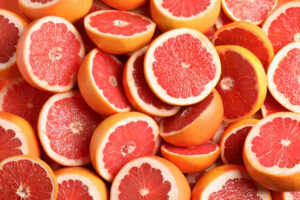
1. Grapefruit

Grapefruits are packed with antioxidants – particularly the flavonoids naringenin and naringin – which can help protect the liver by fighting inflammation and preventing liver cell damage.
The results of this study suggest that naringin may help reduce the risk of fat build-up in the liver (liver steatosis) by lowering oxidative stress (an imbalance of antioxidants and harmful cells in the body).
Other research has found that naringenin and naringin may reduce the risk and slow the development of hepatic fibrosis. This condition leads to a build-up of connective tissue in the liver, typically caused by chronic inflammation.
Note: Grapefruit can interfere with some medications, including statins, so it’s important to check with your doctor before adding grapefruit or grapefruit juice to your diet.
2. Prickly pear

Prickly pears are a type of edible cactus fruit. They’ve been used in traditional medicine for centuries to treat everything from ulcers to liver conditions. And recently, studies have confirmed their ties to liver health.
Prickly pears contain antioxidants that may reduce inflammation and oxidative stress, two known causes of liver damage. In this study of rats, prickly pear extract was found to reduce liver inflammation and lower oxidative stress.
Other research suggests that prickly pears may prevent oxidative stress caused by drinking alcohol and protect the liver from alcohol toxicity by increasing antioxidant activity. In this study, taking prickly pear extract before drinking alcohol was found to lower inflammation and improve hangover symptoms.
You can buy prickly pears at most whole food shops or online stores, such as Fine Food Specialist.
3. Oats

Oats are nutritional powerhouses – packed with essential vitamins, minerals, antioxidants, and fibre.
They’re particularly rich in a type of fibre called beta-glucans. Eating more fibre in general is linked with improved liver health, but there’s evidence that beta-glucans may be particularly beneficial.
In this study of mice, beta-glucans in oats were found to reduce inflammation and liver fat. Another study concluded that diets containing high-fibre foods like oats may reduce fat in the liver and benefit people with NAFLD.
Oats are extremely versatile, so if you’re looking for ways to add them to your diet, check out our article, 8 ways to enjoy oats for breakfast, for inspiration.
4. Turmeric

Turmeric belongs to the ginger family and is the key ingredient used in curry powder. Its main active ingredient, curcumin, has powerful antioxidant and anti-inflammatory effects that can improve liver health.
Research has connected high doses of curcumin with a lower risk of liver damage in people with NAFLD. In this study, turmeric supplements were found to reduce levels of two enzymes – alanine aminotransferase and aspartate aminotransferase – that are closely linked with a higher risk of NAFLD.
To find out more, check out our article: 8 health benefits of turmeric and how to add it to your diet.
5. Olive oil

Diets high in saturated fat are connected with poor liver health and a greater risk of developing NAFLD. But research suggests that unsaturated fats, such as olive oil, may be good for our livers.
In this study, olive oil, a staple of the Mediterranean diet, was found to help lower oxidative stress and improve liver function. Another study of older adults linked Mediterranean diets containing extra virgin olive oil with a reduced risk of NAFLD.
Other research suggests that adding olive oil to your diet may lower fat levels in the liver and increase the production of health-boosting liver enzymes. A build-up of fat in the liver is the first stage of liver disease.
Check out our guide to the Mediterranean diet for more information.
6. Chia and flaxseeds

Chia seeds and flaxseeds are a great source of liver-friendly nutrients like fibre, which research has linked with lower levels of inflammation and liver injury, and protection against NAFLD.
In this study of people with NAFLD, taking 25g of ground chia seeds daily for eight weeks led to a regression of the disease in 52% of participants. Another study found that flaxseed may have protective benefits against liver disease and liver cancer by reducing fat build-up in the liver.
For ideas on adding these seeds to your diet, check out our chia and flaxseed guides.
7. Garlic

Garlic is a fantastic source of several liver-friendly antioxidants and anti-inflammatory compounds, including allicin, allinin, and ajoene.
In this study of people with NAFLD, those who took 1,600mg of garlic powder supplements every day for 12 weeks had lower levels of harmful liver enzymes, as well as significant reductions in liver fat compared to a placebo group.
Other research has linked regularly eating raw garlic with a lower risk of liver conditions, including liver cancer and NAFLD. In this study, those who ate raw garlic two or more times a week had a 23% reduced risk of liver cancer, compared to those who ate raw garlic less than twice a week.
8. Cruciferous vegetables

Fruit and vegetables are another staple of the Mediterranean diet that may help prevent and improve symptoms of NAFLD.
Research has linked higher fruit and vegetable intake with a lower risk of liver cancer. In this study, there was a 4% lower risk of liver cancer for every extra 100g of vegetables eaten.
It’s possible that cruciferous vegetables, such as broccoli, cauliflower, kale, cabbage, and Brussels sprouts, may be particularly beneficial. Research suggests they may help promote liver detoxification and improve the body’s anti-inflammatory response.
In this study, when mice were fed broccoli, they developed fewer tumours and other markers of fatty liver disease than the control group.
9. Coffee

If a morning coffee is the highlight of your day, you’ll be pleased to know that coffee has been linked with good liver health – and may reduce the risk of liver disease.
This study found that drinking coffee lowered the risk of cirrhosis, the most serious stage of NAFLD.
Other studies suggest that coffee may help reduce the risk of liver cancer and lower the risk of death in people with later-stage liver disease. The greatest benefits were in people who drank at least three cups of coffee a day.
One reason for this is that coffee has been found to reduce oxidative stress and increase levels of an antioxidant called glutathione. Other studies show that it can be effective for preventing fat and collagen build-up in the liver, which are two key markers of liver disease.
Note: Drinking too much coffee can disrupt sleep and increase blood pressure. Experts recommend having no more than five cups of brewed coffee a day.
10. Fatty fish

Rich in omega-3, fatty fish like salmon, mackerel, and trout are known for their ability to reduce inflammation and improve health.
Research suggests that omega-3s may boost liver health by preventing fat build-up. With this in mind, studies indicate that eating more fatty fish and taking fish oil supplements may lower the risk of liver cancer and improve symptoms of NAFLD. In this study, the risk of liver cancer was reduced by 35% for every extra 100g of fish eaten.
As well as adding more omega-3 to your diet, it’s worth considering omega-6. Both types of fat are important for health, but research shows that most people consume too many omega-6 fatty acids, which are largely found in foods like butter and plant oils.
However, evidence suggests that getting too much omega-6 and not enough omega-3 can increase inflammation and the risk of developing liver disease.
If you don’t eat fish, foods like nuts, seeds, and soya beans are also great sources of omega-3s. To learn more, check out our articles: How to balance your omega-3 and omega-6 intake, and why it’s important and Omega-3 – what is it and why do we need it?
11. Ginger

Ginger contains several antioxidant and anti-inflammatory compounds, like shogaols and gingerols, which research suggests may benefit the liver.
Evidence suggests that these compounds may reduce inflammation and oxidative stress, therefore preventing the development of liver conditions.
In this study, when people with NAFLD took 1,500mg of ginger powder daily for 12 weeks, they saw significant reductions in markers of inflammation and liver disease, including C-reactive protein (CRP), compared to a placebo.
12. Green tea

Green tea is beneficial for overall health, but research suggests the liver may benefit most.
Like turmeric, studies have linked green tea with lower levels of alanine aminotransferase and aspartate aminotransferase – two enzymes thought to increase the risk of NAFLD.
Other research suggests that people who drink green tea may be less likely to develop liver cancer. It found that people who drank four or more cups of green tea each day had the lowest risk.
Matcha is a popular type of green tea, which you can read more about in our article: 10 health benefits of matcha and how to add it to your diet.
13. Berries

When looking to improve your health, adding more berries to your diet is always a good idea.
Many dark berries, including blueberries, cranberries, blackberries, and raspberries, contain antioxidants like polyphenols and anthocyanins, which research suggests may protect against liver damage.
In this study of rats, polyphenols in blueberries and cranberries were found to reduce liver damage. Other studies linked blueberries with better age-related liver disease management and a lower risk of liver fibrosis. Liver fibrosis is a stage of NAFLD in which persistent inflammation causes scar tissue to develop around the liver and nearby blood vessels.
Another study found that taking cranberry supplements for six months reduced liver fat in people with NAFLD.
Final thoughts…
The liver is the body’s largest internal organ, and what we eat has a big impact on its function. The good news is that making a few simple, healthy additions to your diet could make all the difference to your liver health.
For further reading, head over to our diet and nutrition section. Here, you’ll find tips for everything from metabolism and blood sugar management to heart and bone health.
What do you do to take care of your liver health? Will you be adding any of these foods to your diet? We’d be interested to hear from you in the comments below.
Francesca Williams is a senior lifestyle writer at Rest Less. She joined Rest Less in early 2021 after achieving a first-class degree in History at the University of Sheffield and qualifying as an NCTJ Gold Standard Journalist. Francesca is a qualified Level 3 Personal Trainer and writes across a range of lifestyle topics, specialising in health. In her spare time, Francesca likes to keep herself busy going to the gym, dancing, spending time with friends and family, and getting involved with her local church.
* Links with an * by them are affiliate links which help Rest Less stay free to use as they can result in a payment or benefit to us. You can read more on how we make money here.
Join the discussion
Read our full commenting terms and guidelines