

- Home
- Leisure & Lifestyle
- Food & Drink
- Ultra-processed foods – everything you need to know
How does Rest Less make money
We make money through advertising and commission from affiliate links, which enable us to offer Rest Less as a free service to our users. The content on this page may use affiliate links, which track traffic from our website to a third party provider and enable us to receive a commission or payment from any traffic we refer.
* Affiliate links on this page have an * next to them. We place enormous importance on our editorial independence and the integrity of our content which means that we will never change how we write about something as a result of an affiliate link.
As a society, we’ve never been more focused on health and wellness. The demand for healthier food options is higher than ever, with food trends focusing on functional drinks, mindful eating, and so-called ‘clean’ foods. Yet, in many ways, our diets have never been worse.
Ultra-processed foods (UPFs) have become increasingly prevalent in modern diets. In the UK, a shocking 53% of our calories come from them – and, concerningly, this figure is even higher for children. One of the biggest problems with UPFs is that we don’t know enough about them. Not only is there confusion about how to identify them, but many experts also can’t agree on how they affect us or why.
And, while research does suggest there’s a link between eating UPFs and a greater risk of early death, many nutritionists say the fear of UPFs is overstated. But in order to make informed choices about what we’re putting in our bodies, we need to know the facts.
To gain some clarity, we spoke to Priya Tew, Specialist Dietitian from Dietitian UK and spokesperson for the British Dietetic Association.
Here’s everything you need to know about ultra-processed foods
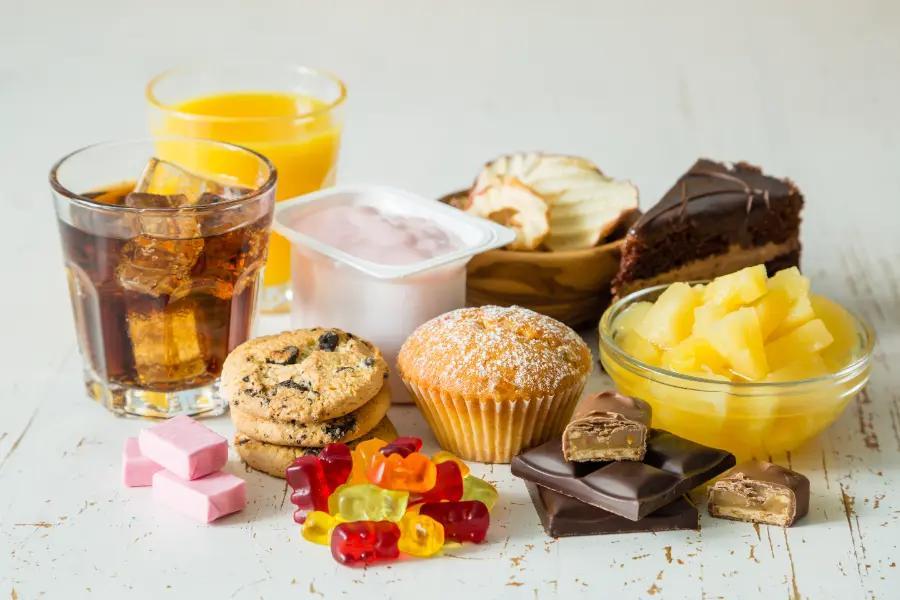
What are ultra-processed foods?
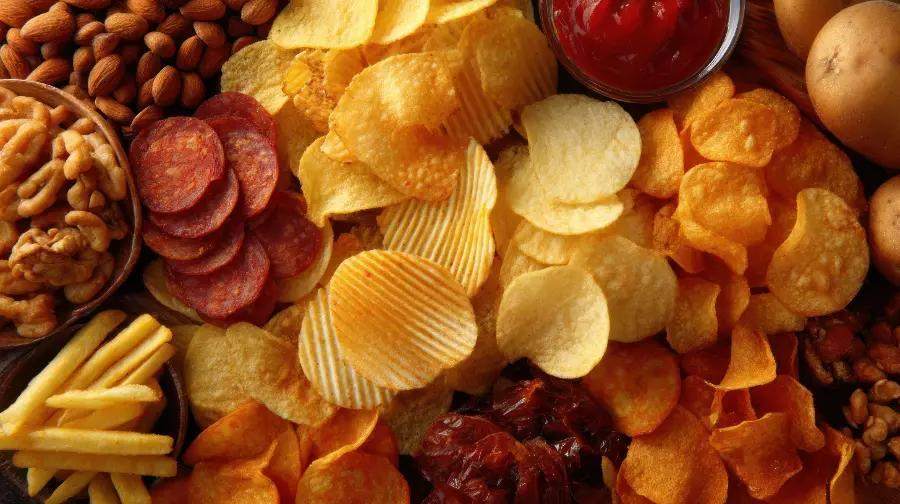
The first problem with UPFs is that there’s no single, or simple, definition. When we think of processed foods, we might think of chicken nuggets, biscuits, sweets, frozen meals, and fizzy drinks – but this is just the tip of the iceberg. And the differences between standard processed foods and ultra-processed foods can be significant.
“It can be helpful to think about them as foods that contain ingredients not used in home cooking, like emulsifiers, colourings, and flavour enhancers,” Priya Tew told Rest Less. “They’re designed to be hyper-palatable and shelf-stable. In contrast, standard processed foods are closer to their natural form and typically include more familiar ingredients like salt, oil, or sugar – to preserve or enhance the food without heavily altering its nutritional value.”
The most widely accepted technical definition of UPFs comes from the NOVA classification system: “UPFs are formulations of ingredients, mostly for industrial use, that result from a series of industrial processes and typically contain little or no whole foods.” If that sounds unsettling to you, you’re not alone. Leading UPF researcher Fernanda Rauber has claimed that most UPFs aren’t even food; rather, “an industrially produced edible substance.”
Although the scientist who coined the term ‘UPFs’ insists they need tobacco-style warnings, there are currently no health warnings on UPFs in the UK. So how do you know if you’re eating them?
Generally, UPFs include more than five ingredients, most of which you wouldn’t find in your kitchen and may not even recognise. Some of the key characteristics of UPFs include…
- Heavily industrially processed (look for terms like ‘extrusion’, ‘moulding’, and ‘hydrogenation’)
- Made from substances derived from foods like oils, fats, sugars, starches, and protein isolates.
- Contain additives to enhance taste, texture, and shelf life, for example, artificial sweeteners, colours, flavours, emulsifiers, preservatives, and other chemicals.
- Designed to be tasty, attractive, and convenient, for example, ready-to-eat or ready-to-heat.
Examples of ultra-processed foods

It’s important to note that, apart from raw fruit and veg, almost all food is processed to a degree – and being processed doesn’t necessarily make a food ‘bad’. Even if you eat healthily and cook from scratch, you’re probably regularly using processed foods: tinned tomatoes, olive oil, and flour, for example, are not in their natural state. But UPFs are different. And, while some UPFs are obvious, others hide under the guise of seemingly ‘natural’ foods – which is part of the problem.
Obvious examples of UPFs include sugary breakfast cereals, fizzy drinks, ham, burgers, and sausages, frozen pizzas, chips, packaged snacks and crisps, instant noodles and soups, cakes and biscuits, ice cream, and mass-produced packaged desserts. Plenty of us would brand these as ‘junk food’, and know we shouldn’t eat too much of them.
Yet many UPFs are marketed as healthy, convenient, or wholesome. Some more surprising examples of UPFs include most bread, most breakfast cereal and cereal bars, fruit juices, baby food, flavoured yoghurts and ‘light’ dairy products, some mueslis, protein bars and meal replacement shakes, and even some supermarket hummus.
It’s estimated that 96% of supermarket bread is made using the industrial Chorleywood method, where specific additives and high-speed mixing reduce the time needed for dough production, fermentation, and baking. So-called ‘healthy’ breads, like multiseed loaves and sourdough, are considered UPFs if they’re mass-produced. Even muesli, which most of us consider a health food, often contains barley malt extract, a flavour enhancer. But why else are UPFs viewed as problematic?
What’s the problem with ultra-processed foods?
Last year, the world’s largest meta-analysis on the topic found UPFs were directly linked to 32 harmful effects on health, including a greater risk of heart disease-related deaths, cancer, type 2 diabetes, obesity, sleep problems, and early deaths from all causes. This far-reaching review, which was based on data from 9.9 million people worldwide, also found that UPFs were linked to anxiety and depression.
While the physical effects of UPFs may not be surprising, the mental health impact may seem more unexpected. According to another meta-analysis, diets high in UPFs were linked to a 44% higher risk of depression and a 48% higher risk of anxiety. Another study found that people who got just 20% of their calories from UPFs saw a 28% faster risk of cognitive decline compared to people who ate more whole foods.
An equally alarming study that followed half a million people in Britain found that the dementia risk went up by 25% for every 10% increase in UPFs. While it’s widely known that eating too much salt, sugar, and/or saturated fat is linked to heart disease, type 2 diabetes, high blood pressure, high blood sugar, and chronic inflammation, it isn’t common knowledge that all these conditions can cause decreased blood flow to the brain (a leading risk for vascular dementia).
Another, perhaps less obvious problem with UPFs? They may be addictive. As a species, we’ve evolved to favour fatty, sweet, high-calorie foods. But in the natural world, foods aren’t high in both sugar and fat – it’s one or the other. Fruit, for example, is high in sugar but not fat; nuts are fatty but low in sugar. UPFs, by contrast, are often high in both – and when you throw salt, artificial flavourings, and bright colours into the mix, our brain can lose its agency, and we become hooked.
UPFs – is it all bad?
That said, it’s important to highlight that, while research strongly links UPFs with serious health problems, there’s currently no concrete evidence that UPFs are the cause. Other factors may also be at play in current studies – for example, there’s the possibility that people who ate fewer UPFs also did more exercise and got better sleep. We also don’t know if UPFs are linked to poor health because of processing, or simply because they contain high amounts of fat, sugar, and salt.
It’s also worth considering that not all UPFs are as ‘bad’ as each other. There’s a big difference between buying a loaf of whole wheat bread and a pack of sugar-laden brownies – although both are technically UPFs. The bread, however, contains fibre and other nutrients, while the sweet treats tend to offer little or no nutritional value and high amounts of sugar, fats, and additives.
This is why some nutritionists are sceptical about the ‘scaremongering’ around UPFs. If the concept is vague, and there’s no reliable evidence that the way food is processed is harmful to health, do all UPFs need to be demonised? Is it helpful to put sweets and chocolates in the same league as seeded bread or meat-replacement foods? After all, while products like Quorn don’t look like their original ingredients (one of the definitions of UPFs), they’re regarded as healthy and nutritious.
“Some concerns around UPFs are valid, but the fear can easily get overblown,” Tew tells us. “Not all UPFs are equal, and lumping them all together misses important differences. UPFs like chocolate and cakes are typically high in added sugar, fat, and refined carbs, and are designed for indulgence and pleasure. In contrast, fortified plant-based products might still be classified as UPFs because of how they’re made, but they can also offer nutritional value, like protein, fibre, and key micronutrients.”
The moralisation around food can also be problematic. Avoiding processed foods can be time-consuming and expensive; a recent report by the Food Foundation found that, per calorie, healthy foods were twice as expensive as less healthy foods, and, to hit the government’s healthy diet targets, the poorest fifth of the population would need to spend half their disposable income on food. Some UPFs also contain fortified nutrients like vitamin E, B12, and calcium, which may otherwise be difficult to find.
Finding the balance
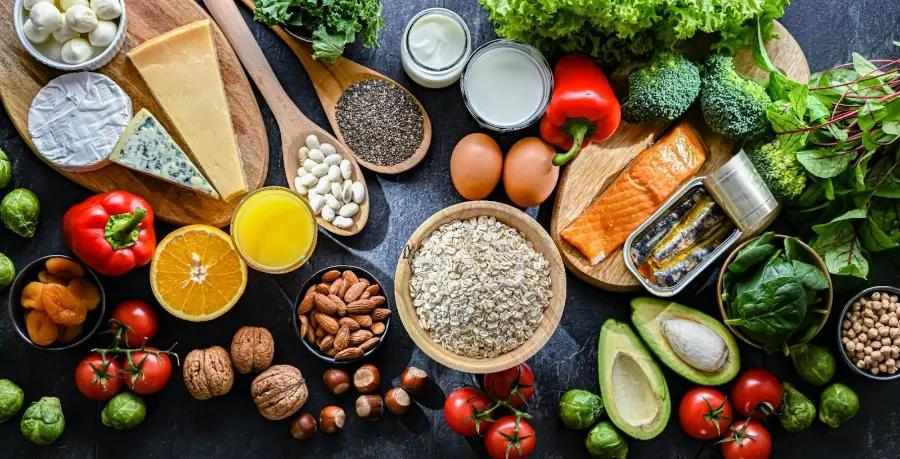
So what’s the solution? As with most health-related things, moderation comes into play, and, rather than agonising over individual items, it’s better to focus on eating a healthy, balanced diet. While diets come in and out of fashion, health professionals and nutritionists can almost always agree on one thing: we should eat more fruits, vegetables, wholegrains, and pulses, and less fat and sugary snacks.
“You do not have to cut all UPFs out of the diet,” Tew advises. “Especially if they bring joy, ease, or meet a practical need. It’s really about making small, doable swaps without going down the path of food fear or restriction. Add in before cutting out.
“Bring in more whole or minimally processed foods like fruit, nuts, eggs, wholegrains, yoghurt. Then start to explore where UPFs show up most in your diet. Plan in some simple and manageable swaps if you feel it’s needed. The goal isn’t to avoid them entirely.”
If you feel uncertain about what constitutes a UPF, a good rule of thumb is, if you think it’s one, it probably is. The traffic light system on food labels (which shows high, medium and low levels of sugar, fat and salt) can help to identify unhealthier foods – although some UPFs still fall into the ‘healthy’ green category. Check labels and try to choose foods with less salt and added sugar – and, if possible, shorter lists of recognisable ingredients.
If you do end up eating more UPFs than intended, it’s important not to be too hard on yourself. Unhealthy food is designed to be tricky to resist and food manufacturers use specific combinations of sugar, salt, and fat – often called the ‘bliss point’ – to trigger the brain’s pleasure responses. Try to eat three proper meals a day to avoid getting overly-hungry, as this is when we’re most vulnerable to cravings, and impulse purchases of cheap food.
If you’d like to cut down on UPFs, but are concerned about food costs, remember that some of the healthiest foods are also some of the cheapest: beans, lentils, oats, wholegrain pasta, rice, and frozen veg, for example, are all affordable. There are also plenty of budget recipe ideas, including on our own website.
Final thoughts…
Whether or not scientists eventually prove that it’s UPFs themselves that cause harmful health problems, most of us already know enough to be able to eat well.
As well as eating more fruits, vegetables, wholegrains, and beans, we should try to eat foods that are as close to their natural state as possible. Long lists of mostly unrecognisable ingredients, and high amounts of salt, sugar, and fat are usually red flags.
If you only make one change, ditching the fizzy drinks is always a good idea – even ‘diet’ drinks. Whether they have sugar in them or not, these drinks usually contain little to no essential nutrients and, due to their acidity, are terrible for teeth.
For more inspiration, you may like to read our articles: 14 clean-eating recipes that actually taste good, and What are the benefits of a whole food, plant-based diet?
Are you concerned about UPFs? Do you find it easy to eat enough healthy whole foods, or do you think you currently eat too much processed food? We’d love to hear from you in the comments below.
Selene Nelson is an author, freelance journalist, and lifestyle writer for Rest Less. After graduating from the University of Sussex with a degree in English Literature, Selene began contributing to many major newspapers and websites, and has written for the BBC, The Sunday Times, The Independent, Town & Country, and HuffPost. Her specialist subjects include food, travel, and health, though she enjoys writing about a wide range of topics (e.g. her two books are about veganism and psychopathy, respectively!). She enjoys cooking (particularly pasta and Asian noodle soups), reading, travelling, hiking, attempting to keep fit, and watching animal videos on YouTube.
* Links with an * by them are affiliate links which help Rest Less stay free to use as they can result in a payment or benefit to us. You can read more on how we make money here.
Join the discussion
Read our full commenting terms and guidelines