- Home
- Travel
- From flaky pastry to slow-cooked stew – 8 dishes that earn Malta a spot on your travel list
Sponsored content

With an abundance of outstanding local produce, centuries-old recipes, and an ocean packed full of delicious seafood, food and drink is at the beating heart of Maltese culture. Yet, tucked away quietly in the central Mediterranean Sea, this beautiful archipelago is sometimes overlooked as a destination for a gastronomic adventure.
But Malta’s cuisine isn’t to be missed. A rustic fusion of Italian, Sicilian, North African, and British flavours, it offers everything from iconic slow-cooked stews to flaky pastries and succulent seafood. Add its vibrant cafe culture, unrivalled hospitality, and wealth of picturesque restaurants (including seven Michelin-starred), and it’s easy to see why Malta is a foodie haven.
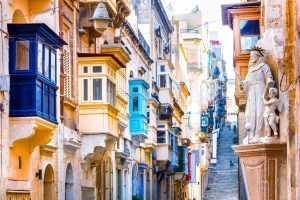
You can dine in centuries-old buildings, eat al fresco beside beautiful Mediterranean vistas, or browse vendors selling delectable street food. Whatever your culinary tastes, Malta has something for you.
To help inspire your next trip, we’ve partnered with VisitMalta, to bring you eight dishes that earn Malta a spot on your travel list. Experts in everything these beautiful islands have to offer, VisitMalta will help you make the most of your holiday, from finding the perfect accommodation and discovering the best places to eat, to exploring historical sites and attractions.
For more authentic food experiences, you might also be interested in Heritage Malta’s new initiative, Taste History, which is designed to recreate historic menus and dining experiences based on archival documents. Expect menus inspired by old recipe books and butcher bills, meals hosted in spectacular museum sites and historic palaces, and immersive storytelling dining experiences.
1. Pastizzi
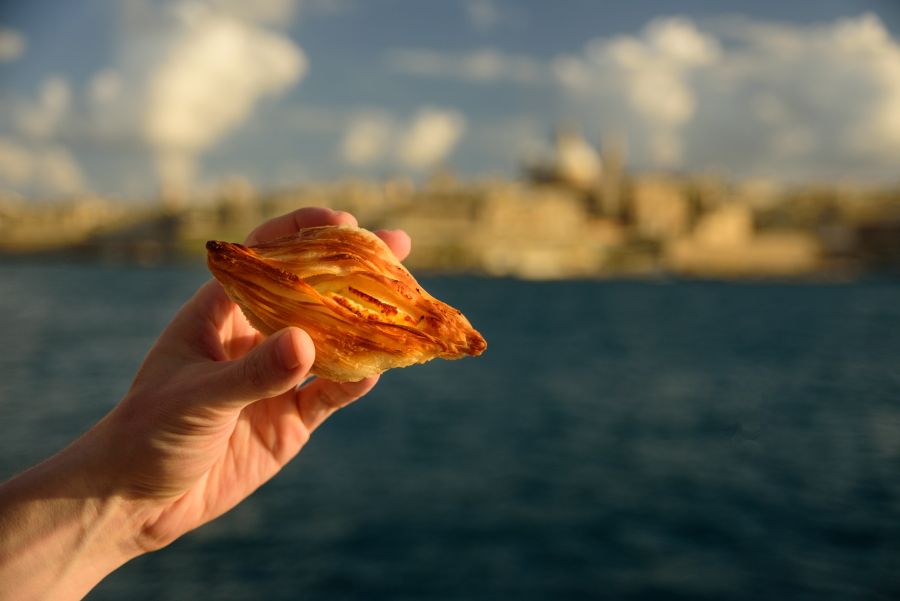
When it comes to Maltese food, you can’t get much more traditional than the savoury diamond pastry, pastizzi.
Pastry is a central ingredient in many Maltese dishes, and pastizzi are famous for their crispy, flaky exterior and soft, flavourful filling, making them the ultimate street food. The two most popular fillings are creamy ricotta cheese (tal-irkotta) and seasoned mushy peas (tal-pizelli), while modern variations and other fillings are also available, depending on the bakery or pastizzeria.
Pastizzi are sold everywhere across the islands, making them the perfect option for a quick energy boost during a day of sightseeing. Many locals agree that the best pastizzi are sold in hole-in-the-wall food shops called pastizzeriji. Gather here to enjoy fresh pastizzi with a warming cup of tea or bitter-orange soda called Kinnie – a local favourite.
Other popular Maltese savoury snacks include qassatat (round pastries filled with ricotta, peas, and spinach) and timpana (warm pastry pies packed with mince, bacon, and hard-boiled eggs baked between layers of pasta). That should keep you going!
2. Stuffat tal-fenek
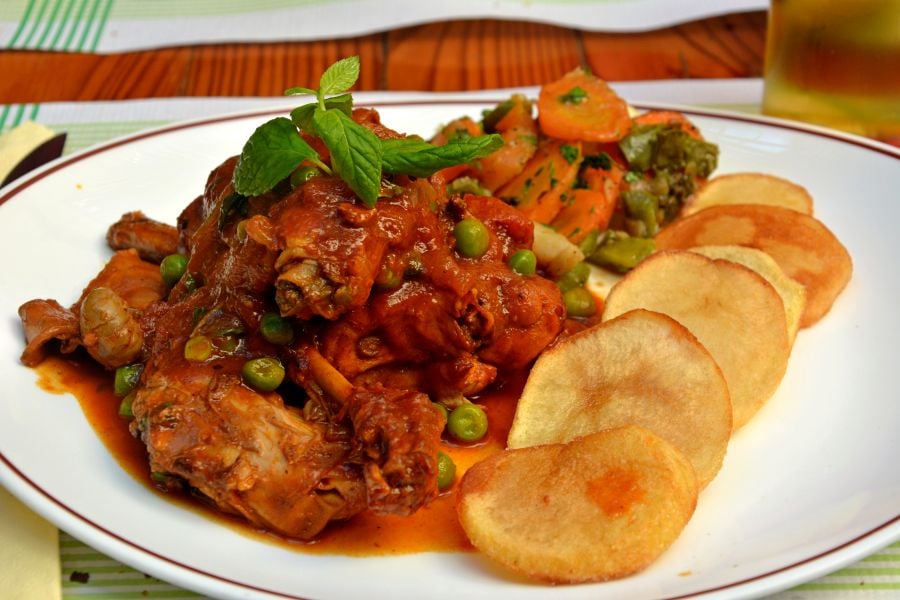
Meat is a huge part of Maltese cuisine, and a slow-cooked rabbit stew, called stuffat tal-fenek, is the national dish.
Braised in red wine, garlic, tomatoes, and bay leaves, the meat is perfectly tender, rich, savoury, and slightly sweet – and usually served with plenty of white crusty Maltese bread to soak up the leftover juices.
Stuffat tal-fenek is traditionally served at large community gatherings called fenkata. Fenkata encapsulates the very essence of what a good meal means: delicious food enjoyed over several hours in even better company. They’re a major social tradition and a must for anyone wanting an authentic Maltese culinary experience. Rural village spots like Mġarr, Baħrija, or Dingli are your best bet for a fenkata, where you can order a traditional two-course rabbit feast in welcoming local taverns.

Why Malta is the perfect escape now
Soak up the sunshine in Malta, a destination rich in heritage, culture, and cuisine. From historic sites to coastal adventures, it offers the perfect blend of relaxation and discovery.
3. Bragioli
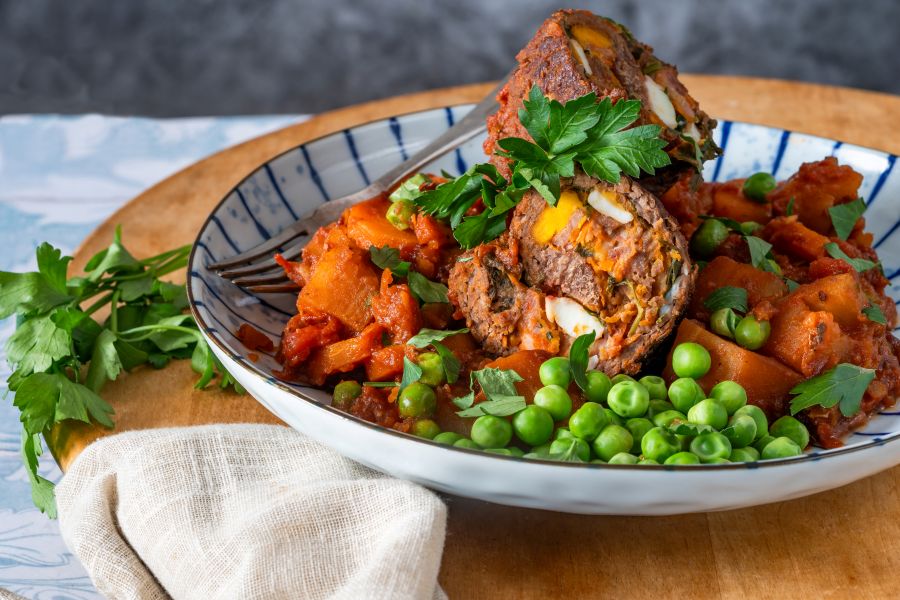
If rabbit isn’t for you, don’t worry – there are plenty of other traditional Maltese meat dishes that’ll satisfy your taste buds. Bragioli, for example, is the ultimate meat feast, featuring thin slices of steak wrapped around a filling of minced beef, bacon, egg, and breadcrumbs slow-cooked in a rich red wine and tomato sauce…you can’t get much meatier than that!
You can get bragioli all over Malta at local butcher shops, traditional grocery stores, and authentic Maltese restaurants, but there are a few places particularly worth a visit. La Maltija Restaurant, in the resort town of St Julian’s, is highly rated by visitors and locals for its homely, grandmother-style beef bragioli; and Nenu the Artisan Baker in Valletta is famous for its authentic oven-baked, stove-cooked comfort food and historic bakery setting.
For more meat-based dishes, Malta’s collection of traditional sausages (zalzett Malti) isn’t to be missed. Flavoured with sea salt, black pepper, crushed coriander seeds, parsley, and garlic, these sausages promise to be unlike anything you’ve ever tasted.
4. Imqaret, qagħaq tal-għasel, and other sweet treats
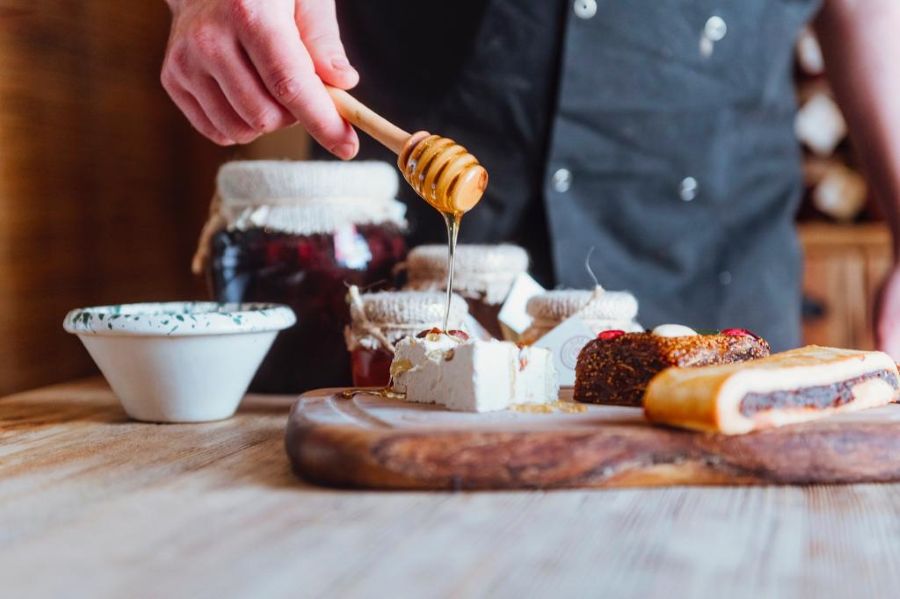
Those with a sweet tooth will be in their element in Malta thanks to its rich baking culture and a deep love for traditional sweet treats. Specialised bakeries, street kiosks, village festa food trucks, and the stalls of historic food markets, like those in Marsaxlokk and Valletta, are ideal for tracking down the best in town. Be sure to look out for imqaret (date paste-filled pastries), qagħaq tal-għasel (‘honey rings’), kannoli (sweet ricotta, chocolate, and pistachio pastries), and helwa tat-tork – the traditional Maltese version of tahini halva.
Or, for something extra special, Caffee Cordina (Valletta) is housed in a stunning, historic palazzo and has grown over the years to include a restaurant, tea-room, patisserie, coffee-bar and ice-cream parlour. It’s famous for its selection of classic sweets, pastries, and desserts. Slightly off-the-beaten-track, the iconic Busy Bee cafe in Msida is also popular for its kannoli; while the ornate Elia Cafe in Ħamrun has been the go-to meeting spot for decades.
There’s also no Maltese summer festa without a good serving of qubbajt (nougat), cut straight from large slabs. Traditionally sold from high wooden street stalls decorated with ornate weighing scales, according to folklore, a village feast isn’t complete without qubbajt.
Other treats are seasonal and follow the religious calendar. Snow-capped mountain cakes made with pine nuts (prinjolata) are synonymous with carnivals, while sugar-coated almonds (perlini) often appear at weddings, and kwarezimal, chewy biscuits made without eggs and fats, are baked throughout Lent.
5. Ftira
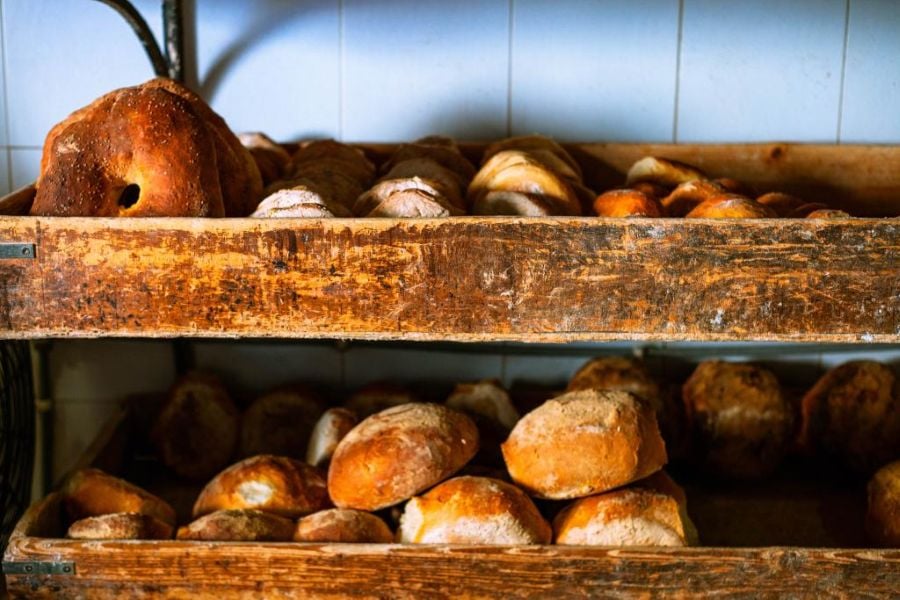
No visit to Malta would be complete without trying its legendary bread: ftira. Popular for its thick, crunchy, chewy crust and light, squidgy, airy inside full of large holes, this ring-shaped bread is worth writing home about. It’s so popular that UNESCO added it to its Intangible Cultural Heritage list in 2020.
Ftira is most famously prepared as a hearty Mediterranean sandwich called ħobż biż-żejt, which combines thick Maltese tomato paste (kunserva) with tuna and a healthy glug of Maltese olive oil. You can get traditional ħobż biż-żejt at local snack bars, traditional bakeries, and kiosks across Malta and Gozo, with top spots including Andrew’s Snack Bar (Birkirkara) and Buchman’s Snack Bar (Gżira). But famous for their classic morning and lunchtime tuna ftiras, you’ll want to arrive early before they sell out!
For a snack or appetiser, many eateries serve plain ftira with Maltese olive oil and bigilla – a traditional Maltese dip made with mashed broad beans, garlic, and olive oil. Bigilla is so authentic and ingrained in the culture that you’ll often hear the shouts of sellers inviting locals to buy the dip from their delivery vans.

Discover Malta’s sun, culture and hidden gems
Explore Malta, where warm weather, rich history, vibrant culture, and flavourful cuisine come together. Enjoy scenic landscapes, cultural events, and diverse activities for a truly memorable Mediterranean escape.
6. Torta tal-Lampuki
For a fish dish unique to the Maltese Islands, one of the best choices is lampuki (mahi-mahi), a white fish caught in Malta’s waters from mid-August through to the end of December, when it migrates past the islands. It’s popular for its light, delicate flavour, which is perfect for serving with a variety of sauces.
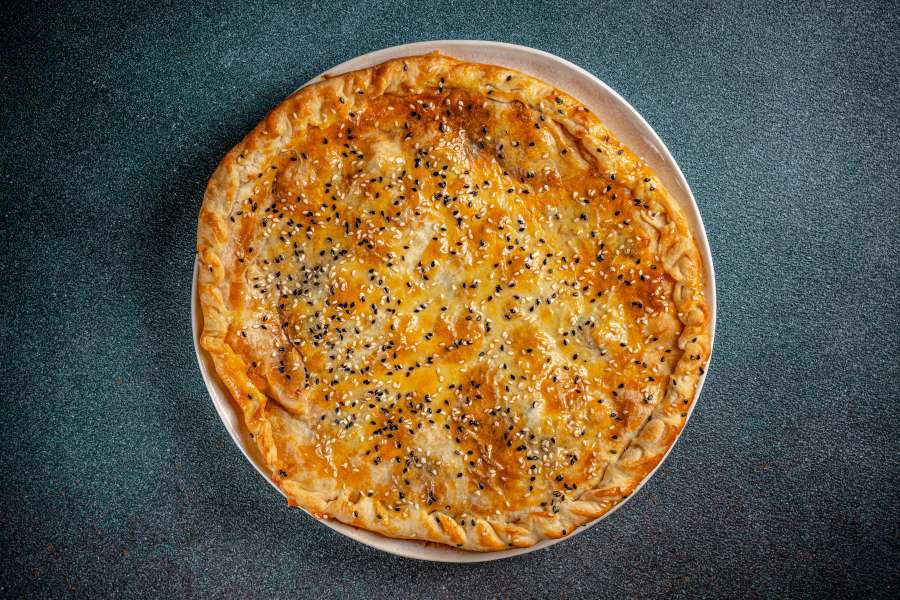
Most famously, it’s served as lampuki pie (torta tal-lampuki). The fish is gently simmered with a medley of vegetables, capers, olives, and fresh herbs like mint and basil, and encased in a golden-brown flaky pastry crust. The balance of the mild, sweet fish combined with the salty tang of capers and olives is incredibly moreish – and sometimes raisins or walnuts are added too for an extra sweet-and-savoury kick.
The main fishing port of Marsaxlokk is known for its delectable seafood. Every Sunday, Marsaxlokk’s open market brims with waterfront stalls packed with fish and shellfish of all sizes and colours. The area is home to several seriously good seafood restaurants, serving fresh catches right next to the harbour where brightly painted luzzu (traditional Maltese fishing boats) bob in the water.
Other villages renowned for their seafood restaurants include Malta’s Wied iż-Żurrieq, Ghar Lapsi, and St Paul’s Bay, and Gozo’s Mġarr, Xlendi, and Marsalforn.
7. Ġbejna
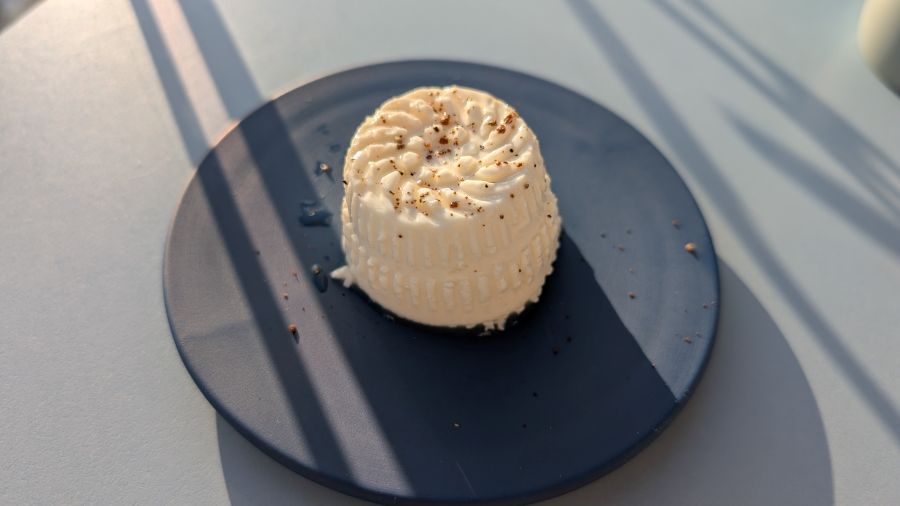
Malta is famous for its traditional palm-sized cheeselets known as ġbejna. Traditionally made from sheep’s or goat’s milk, salt, and rennet, ġbejniet are often served as part of a sharing platter with plenty of crusty ftira and can be fresh (friska), sun-dried (moxxi), or peppered (tal-bżar).
The best part is that local cheesemaking is ever-evolving, so it’s not uncommon to find new ġbejniet varieties containing chives, cumin seeds, and other tasty ingredients popping up all the time.
The island of Gozo is particularly popular for its cheese. You can find fresh, sundried, and peppered ġbejniet in all major Maltese supermarkets, but authentic Gozitan varieties from independent vendors are always better quality. At Ta’ Rikardu restaurant, for example, you can enjoy traditional cheeselets made by well-known farmer, winemaker, and restaurateur Rikardu Zammit.
8. Maltese drinks
Even the very best food isn’t complete without a refreshing drink to wash it down with, and the Maltese locals have crafted a range of delicious beverages to match their iconic food scene.
Maltese wine has really come into its own in recent years, with several varieties holding international awards. Whether you fancy a full-bodied red, a crisp white, or refreshing rosé, the island’s fantastic collection of local wineries and vineyards is the perfect place to tantalise your tastebuds, connect with locals, and soak up the beautiful scenery.
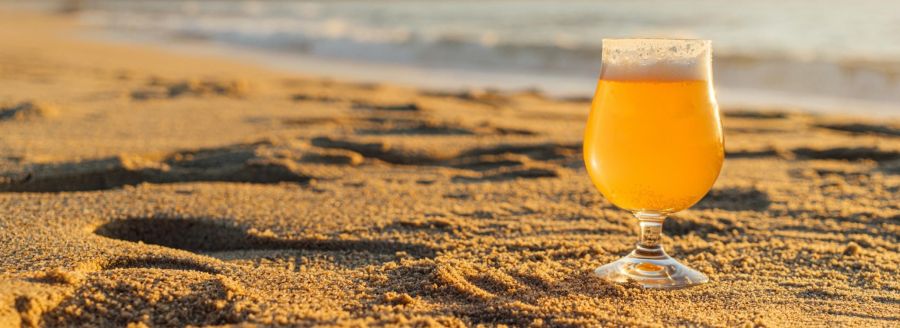
If beer is more your thing, be sure to try Cisk, Malta’s award-winning lager. Brewed from barley malt since 1929, this premium lager is popular for its full-bodied flavour and distinct sweetness. Found in virtually every bar, restaurant, and shop across the islands, no beer-lover can leave Malta without visiting one of the popular craft beer breweries.
Alternatively, if you’d rather bypass alcohol altogether, Malta’s beloved national soft drink, Kinnie, is popular for its distinct flavour blend of bitter oranges and aromatic herbs.

Why Malta is the perfect escape now
Soak up the sunshine in Malta, a destination rich in heritage, culture, and cuisine. From historic sites to coastal adventures, it offers the perfect blend of relaxation and discovery.
Final thoughts…
From flaky pastries to slow-cooked stews and a collection of sweet treats broad enough to keep you going for days, Maltese cuisine is truly something special. Plus, spanning cute cafes to al fresco waterside eateries and seven Michelin-star restaurants, there’s a culinary experience to suit every occasion in Malta.
For more inspiration, check out our article: 10 places to visit and things to do in Malta and Gozo. Or, head over to the VisitMalta website to see what else these beautiful islands have to offer.
Francesca Williams is a senior lifestyle writer at Rest Less. She joined Rest Less in early 2021 after achieving a first-class degree in History at the University of Sheffield and qualifying as an NCTJ Gold Standard Journalist. Francesca is a qualified Level 3 Personal Trainer and writes across a range of lifestyle topics, specialising in health. In her spare time, Francesca likes to keep herself busy going to the gym, dancing, spending time with friends and family, and getting involved with her local church.
* Links with an * by them are affiliate links which help Rest Less stay free to use as they can result in a payment or benefit to us. You can read more on how we make money here.