

- Home
- Health
- Healthy Body
- Constipation – symptoms, causes, and treatment options
How does Rest Less make money
We make money through advertising and commission from affiliate links, which enable us to offer Rest Less as a free service to our users. The content on this page may use affiliate links, which track traffic from our website to a third party provider and enable us to receive a commission or payment from any traffic we refer.
* Affiliate links on this page have an * next to them. We place enormous importance on our editorial independence and the integrity of our content which means that we will never change how we write about something as a result of an affiliate link.
According to statistics, around one in seven UK adults struggles with constipation. Beyond causing discomfort, constipation can be painful and, if left untreated, can significantly affect quality of life.
Luckily, there are various treatments available, including home remedies.
Here, we’ll take a closer look at symptoms, causes, and treatment options for constipation.
What is constipation?
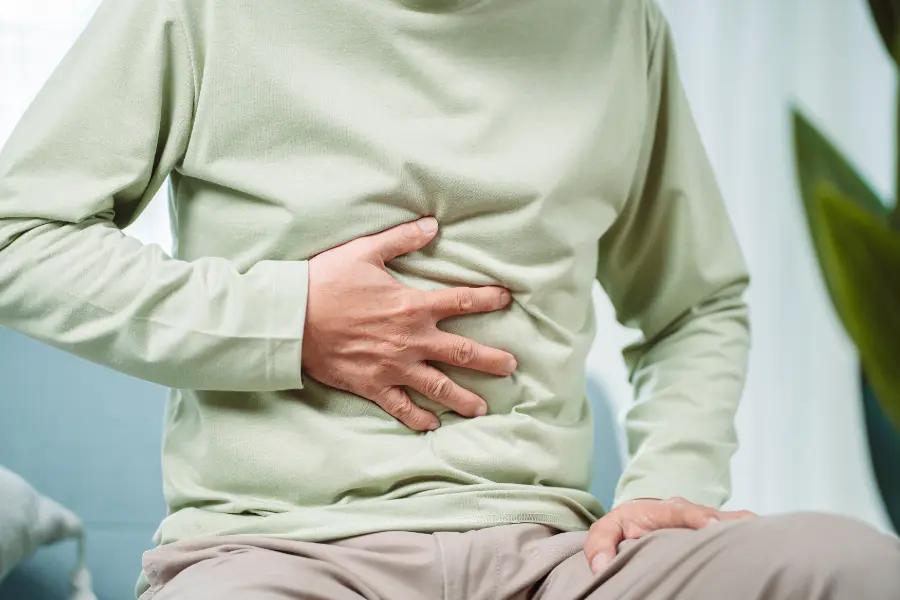
Constipation is a common condition that makes it difficult to pass stools regularly or completely empty your bowels.
It can affect people of all ages, with varying severity. For some, constipation only lasts a short time (acute constipation), while for others it can be long-term (chronic), causing significant pain, discomfort, and impacting daily life.
How do I know if I have constipation?
What constitutes ‘normal’ bowel habits can vary from person to person: some adults go to the toilet more than once a day, while others may only go every three or four days.
Therefore, the main way to know if you’re constipated is if you’re experiencing changes to your usual bowel habits, such as struggling to go to the toilet or passing stool less frequently than usual.
According to Guts UK, constipation doesn’t have one single symptom but typically refers to a collection of symptoms, which we’ll cover below.
- Going to the toilet less than three times a week
- Needing to strain to open your bowels on more than a quarter of occasions
- Loss of appetite
- Feeling sick
- Bloating
- Passing hard or pellet-like stool on more than a quarter of occasions
- Feeling like you haven’t completely emptied your bowels after going to the toilet
- Needing to use manual manoeuvres to stimulate bowel movement – for example, pressing on the pelvic floor
- Abdominal pain or discomfort
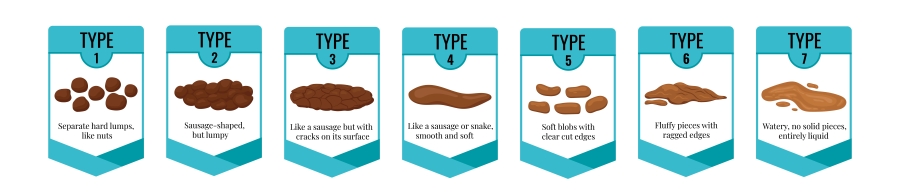
The Bristol Stool Chart below is a helpful way of identifying constipation. According to experts, constipation generally refers to poo that is type 1 or type 2 on the chart. It’s typically hard and difficult to pass.
Can constipation lead to complications?
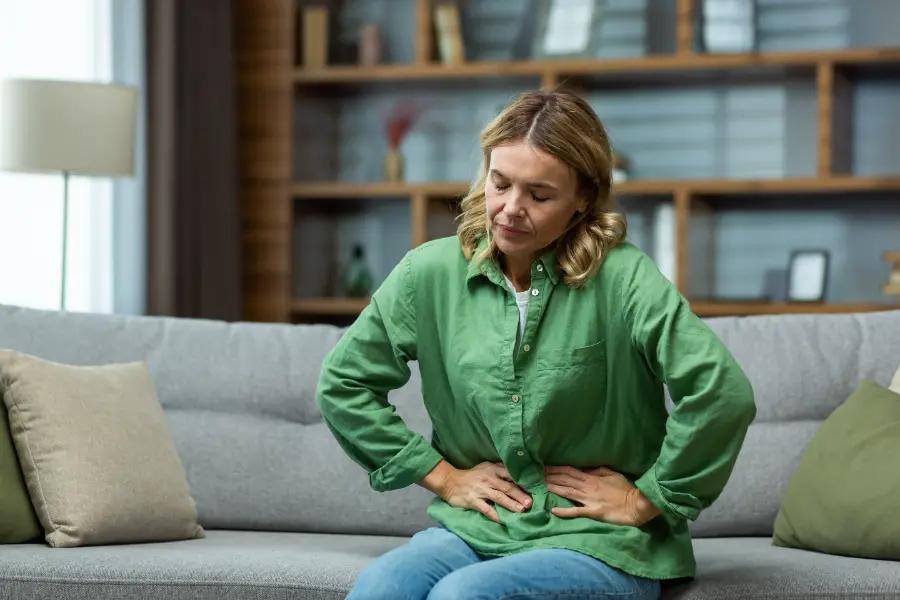
According to the NHS, it’s rare for constipation to cause complications or long-term health issues because treatment is usually effective – particularly if started quickly.
However, if constipation is severe and/or left untreated, it can lead to complications. We’ll cover these below.
Constipation and physical health
Severe or untreated constipation can increase the risk of physical issues such as rectal bleeding and faecal impaction (when hard, dry stools build up in the rectum), for example, due to things like excessive straining.
Constipation and mental health
Constipation and mental health might seem unrelated. However, if you’ve ever struggled with constipation, you’ll know that digestive issues can significantly affect how we feel – and there are a few reasons why.
The gut and brain are closely connected via the gut-brain axis, which is a two-way communication system made up of a network of chemicals, nerve cells, and microbes. This means the gut and brain are in constant communication and heavily influence one another.
As a result, studies suggest the gut microbiome can influence brain signals and activate areas of the brain responsible for regulating emotions. Similarly, everyday emotions like nervousness and short-term stress can affect bowel patterns. According to experts, during moments of acute stress, for example, the body’s fight-or-flight mode kicks in, diverting resources away from non-essential functions like digestion.
There’s also evidence that mental health issues can exacerbate digestive issues, like constipation, furthering the cycle. Depression has been found to slow down the digestive system, and this study showed that constipation was more common in people who had anxiety or depression (22%), compared to those without mental health issues (10%).
Lastly, bloating, abdominal pain, and a persistent feeling of incomplete evacuation can impact self-esteem. In this study of adult women, constipation was closely linked to poor body image. Nearly 80% of participants said constipation interfered with their daily life, and around 70% said it impacted their body image.
What causes constipation?
Constipation usually occurs when stools remain in the colon (large intestine) for too long. This causes the colon to absorb too much water from stool, causing it to become hard, dry, and difficult to pass.
According to Guts UK, the causes of constipation can be split into three main categories…
- Slow transit constipation – occurs when muscles lining the gut wall don’t function properly. This can manifest in sluggish movement of contents through the gut, which leads to hard poo and a reduced urge to empty your bowels.
- Normal transit constipation – the most common type of constipation, this is when the muscles lining the gut wall do work, but constipation symptoms still occur. Normal transit constipation is closely linked with irritable bowel syndrome.
- Defecatory disorder – when a person has difficulty passing stool despite excessive straining. It’s linked to a problem with muscles that line the pelvic floor and can cause both normal transit and slow transit constipation.
The exact reason why these issues occur isn’t always clear, and, according to the NHS, most cases of constipation are the result of several factors rather than a specific condition. We’ll cover some of these below.
Poor diet
Diet choices play a key role in the development of constipation. Among other things, a lack of nutrients like fibre can lead to constipation, as can high intake of ultra-processed foods and not drinking enough water.
For example, fibre supports healthy digestion by adding bulk to stool, making it easier to pass. Similarly, research has linked high intake of ultra-processed foods with an increased risk of constipation – largely because they tend to be low in fibre and fluid, and contain additives that can disrupt the gut microbiome.
Changes to routine
Changes to your usual routine can cause problems for your gut by disrupting the body’s internal clock.
Equally, engaging in sporadic, disordered eating habits, such as irregular meal times, can confuse your gut and increase the risk of constipation. This is why constipation is a common symptom of eating disorders like bulimia and anorexia nervosa.
Ignoring the urge to use the toilet
According to experts, ignoring urges to go to the toilet, for example, due to lack of time, privacy, or aversion to public toilets, can affect how bowel muscles work.
Lack of physical activity
Research has linked sedentary lifestyles with a higher risk of constipation due to slowed gut motility and disruption of nervous system signals needed for bowel function.
Medication
According to the NHS, constipation can sometimes be a side effect of medication. Common types of medication that may cause constipation include diuretics and antidepressants.
Underlying health conditions
In some cases, constipation may be a sign of an underlying condition, such as dilated bowel, pelvic floor weakness, depression, irritable bowel syndrome (IBS), diabetes, hypothyroidism, or ulcerative colitis. However, according to experts, this is rare.
Can constipation be treated, and when should I see my GP?
If you’ve been struggling with constipation, it’s important to speak to your GP. Constipation is common, so diagnoses can usually be made based on symptoms and medical history, without the need for tests or procedures. However, if symptoms are severe, your GP may recommend further investigations, such as blood or thyroid tests, to diagnose or rule out other conditions.
Treatment for constipation depends on the cause, how long you’ve had it, and the severity of symptoms. According to the NHS, most people are able to find relief through diet and lifestyle changes (which we’ll cover below).
However, if you’re still struggling, your doctor may prescribe laxatives. There are various types of laxatives and each affects your digestive system differently. Laxatives can be dangerous for health if used incorrectly, so it’s important to speak to your GP before taking them.
Head over to the NHS website for more information on constipation treatments.
9 home remedies for constipation
Constipation can be uncomfortable and frustrating to deal with. However, the good news is that many people find home remedies can be effective for managing symptoms. We’ll cover some of these below.
1. Prioritise fibre
Fibre is essential for healthy digestion, yet research shows that over 90% of UK adults don’t eat enough, with most of us getting just 60% of the recommended 30g daily intake. So, upping fibre intake should be a priority for all of us – particularly when it comes to treating constipation.
In this study, 77% of people with chronic constipation found their symptoms improved after eating more fibre.
High fibre foods include fruit, vegetables, whole grains, beans, and lentils. Check out our article, 10 easy ways to add more fibre to your diet, to learn more.
2. Make sure you’re drinking enough water
Staying hydrated helps to keep things moving through the digestive tract. Check out our article, 10 tips for staying hydrated and why it’s important, for more information. Or, if you struggle to meet your fluid intake, check out our article, 9 healthy and hydrating alternatives to water, for inspiration.
If you’re already constipated, there’s evidence that sparkling water may be more effective at relieving constipation in some cases. That said, it’s best to avoid other carbonated beverages, such as fizzy drinks, as these may make constipation worse.
3. Eat more probiotic foods
Probiotics are live, beneficial bacteria that naturally occur in the gut. We know from research that probiotics are essential for maintaining a healthy gut microbiome and reducing the risk of digestive issues like constipation.
In this study, when people with constipation took probiotics for two weeks, their stool frequency and consistency improved.
Fermented foods like kimchi, tempeh, and sauerkraut are fantastic sources of probiotics.
4. Reduce your intake of ultra-processed foods
Limiting your intake of ultra-processed foods and replacing them with whole foods may help to ease constipation.
For example, this study found that replacing just 10% of ultra-processed foods with unprocessed or minimally processed foods reduced constipation risk by 10%.
5. Dose up on nature’s laxatives
6. Enjoy a hot beverage
Some people find that hot drinks like tea and coffee help them go to the toilet.
In this study, for example, caffeinated coffee was 60% more effective at stimulating the gut than drinking water.
Note: While hot beverages can be a helpful short-term solution for constipation, it’s important not to rely on caffeine to be able to go to the toilet. It’s also worth noting that the bowel-stimulating qualities of caffeine may be stronger in people with IBS.
7. Check your toilet position
According to the NHS, sitting on the toilet correctly makes it much easier to pass stool because it allows the pelvic floor muscles to relax and the rectum to open properly.
Among other things, correct toilet positioning includes using a footstool under your feet and avoiding ‘hovering’. Check out the NHS’ guide to toilet positioning to learn more.
8. Add more movement to your day
Several studies have linked being more physically active with improvements in constipation.
This study found that moderate forms of exercise, such as brisk walking, improved digestive issues more than high-impact exercises, like jogging. For this reason, setting simple goals like increasing your daily step count or trying low-impact exercise can make all the difference.
Final thoughts…
Constipation can be uncomfortable and frustrating to deal with. However, the good news is that most people are able to find relief through a combination of diet and lifestyle changes – and treatment is available if you need more support.
For further reading, head over to our gut health section.
Do you have any further tips for coping with constipation that you’d like to share? We’d be interested to hear from you in the comments below.
Francesca Williams is a senior lifestyle writer at Rest Less. She joined Rest Less in early 2021 after achieving a first-class degree in History at the University of Sheffield and qualifying as an NCTJ Gold Standard Journalist. Francesca is a qualified Level 3 Personal Trainer and writes across a range of lifestyle topics, specialising in health. In her spare time, Francesca likes to keep herself busy going to the gym, dancing, spending time with friends and family, and getting involved with her local church.
* Links with an * by them are affiliate links which help Rest Less stay free to use as they can result in a payment or benefit to us. You can read more on how we make money here.
Join the discussion
Read our full commenting terms and guidelines