
Hearing Care Logo

Sponsored content

Hearing loss affects over half of people over 50, making it the third most common health condition in the UK. It can significantly affect quality of life, often causing communication difficulties and emotional distress – and, if left untreated, research shows it can also increase dementia risk.

Yet, many people struggle to accept hearing loss or seek help due to stigma, which is why external support from loved ones can be so important.

With this in mind, we’ve partnered with The Hearing Care Partnership to explore six ways to support a loved one with hearing loss. Offering personalised, expert hearing services designed to help you live life to the full, The Hearing Care Partnership understands the importance of hearing health.

Their team of professional audiologists offers free hearing assessments and tinnitus support in over 300 locations across the UK, including free aftercare if you need to invest in a hearing device.

1. Take time to understand the emotional impact of hearing loss

The first, most important step towards supporting a loved one with hearing loss is to invest time in understanding how it impacts their life. After all, it’s difficult to show empathy, compassion, and support towards situations that we don’t understand or feel little connection to.

Hearing loss, no matter how minimal, is often about much more than just missing a few words or having to ask people to repeat themselves. The emotional impact can be huge. For example, research has linked hearing loss with a higher risk of depression and loneliness, put down to people feeling as though they can’t socialise or fit in.

On top of this, we know that the prevalence of harmful stigmas surrounding hearing loss and hearing aids, including age-related stereotypes, can further amplify negative feelings. In this study, for example, nearly half of adults felt that hearing aids haven’t been accepted by UK society in the same way as glasses, 19% said they wouldn’t wear them due to fear of appearing old, and 18% were concerned about being made fun of.

As a result, it’s common for people to struggle to accept their hearing loss, often attempting to mask symptoms and even experiencing feelings of grief over feeling ‘old’. Understanding your loved one’s perspective and feelings about their condition can better equip you to offer support.

For further reading, check out The Hearing Care Partnership’s guide on how hearing loss can affect everyday life.

Hear life in full colour. Book a FREE hearing test!

The Hearing Care Partnership offer FREE full hearing tests to help you stay connected to everyday moments.

With 400+ clinics across the UK, personalised care, discreet hearing aids, support for tinnitus and gentle ear wax removal, book your free test today.

Book now

2. Normalise having open conversations about hearing loss

Due to stigmas and, very often, the emotional weight attached to hearing loss, it can be a sensitive topic to talk about – even with those closest to you. In many cases, people with hearing loss may avoid addressing it at all. Others may not even realise they have hearing loss.

As a result, it’s not uncommon for close friends or family members to need to lead the way by encouraging open conversations around hearing loss. While this can feel difficult, creating a space where your loved one feels able to share their struggles can be a powerful way to offer support, potentially leaving them feeling less isolated and more open to seeking treatment.

Oftentimes, starting the conversation can be the most challenging part. It might feel uncomfortable and awkward, particularly if your family isn’t used to communicating openly and honestly, or if your loved one hasn’t acknowledged the issue themselves. However, several things can help conversations run more smoothly.

Firstly, being intentionally sensitive, patient, and cooperative, while considering their perspective, can help your loved one feel seen and heard. It can also help to stay positive, avoid using accusatory language, and speak in an environment where you both feel at ease. Head over to The Hearing Care Partnership’s website for more tips on starting conversations about hearing loss.

Normalise having open conversations about hearing loss

3. Encourage them to seek help

We know from research that early treatment of hearing loss is key. Among other things, untreated hearing loss is linked with increased dementia risk. And factors like loneliness and social isolation, common byproducts of hearing loss, are associated with a higher risk of conditions like stroke and heart disease.

However, despite its importance, statistics show that many people delay seeking help for hearing loss, waiting an average of seven to 10 years after first noticing issues, and many people who could benefit from hearing aids don’t have them.

Among other things, this is due to myths surrounding hearing loss, including the idea that only severe hearing loss requires treatment and that hearing aids make your ears lazy. However, research shows hearing aids actually support your brain, and the earlier they’re fitted, the more likely hearing is to be preserved. And experts say it’s important to treat hearing loss, regardless of the severity.

For this reason, beyond helping your loved one to thrive more in everyday life, encouraging them to seek treatment as early as possible is important for protecting their long-term physical health.

The Hearing Care Partnership offers free hearing assessments and tinnitus support in over 300 UK locations, including free aftercare if you need to invest in a hearing device.

4. Support them at appointments

According to research, over a quarter of people with hearing loss leave their appointment feeling unclear about their diagnosis, while nearly a fifth are unsure about the required treatment. As a result, another powerful way to support loved ones with hearing loss is to attend their audiology appointments with them.

Firstly, it can help prevent misunderstandings, making sure your loved one leaves feeling clearer about their diagnosis, treatment options, and next steps. For example, you could take notes, ask questions that might be forgotten, and continue the conversation after appointments, helping to process information.

Similarly, it’s not uncommon for people with hearing loss to downplay their symptoms, meaning you could provide valuable insights and reminders into how hearing loss might be affecting their daily life and safety. Many people also find medical appointments stressful and anxiety-inducing, so having a familiar person present can offer comfort and make the experience less intimidating.

Lastly, if your loved one is recommended hearing aids, with so many options available, it might be overwhelming for them to figure out what type best suits their needs. So, having another person there who understands the ins and outs of their daily life, and can help decide what style, features, and accessories will work best for them, can be invaluable.

Support them at appointments

5. Reinforce the positives of wearing hearing aids

While hearing loss is one of the most common health conditions, the good news is that it’s also one of the most treatable. According to recent research, 95% of people found that wearing hearing aids improved their confidence, social lives, personal and professional relationships, sense of independence, and ability to communicate.

Yet, despite their benefits, reports show that hearing aid stigma remains, with many people still associating them with old age and disability. Beyond putting off seeking help in the first place, these misconceptions can lead people to avoid wearing hearing aids, even when they’ve been prescribed.

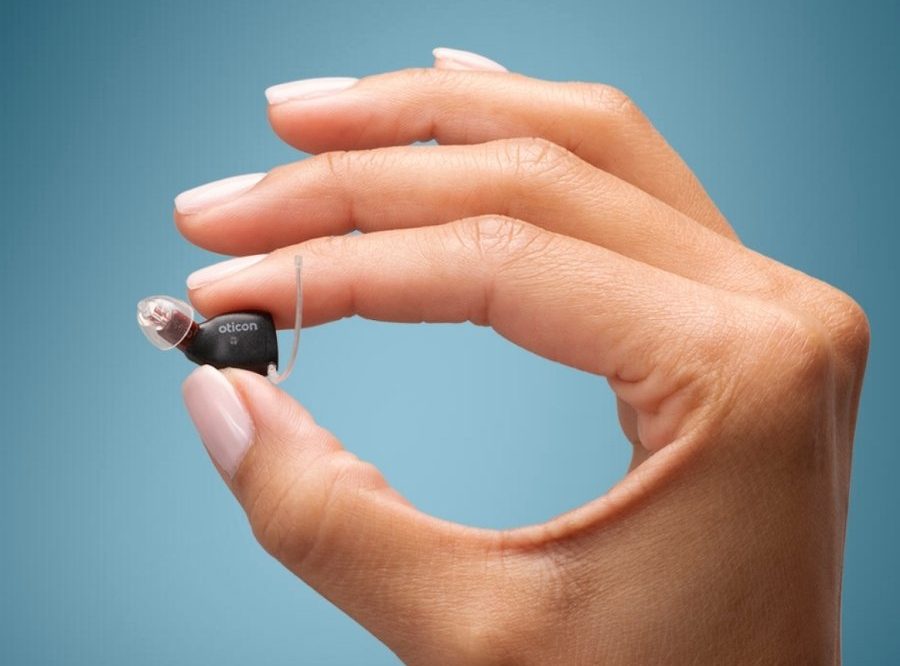
However, hearing solutions have come a long way, and thanks to transformational design changes, bulky, awkward hearing aids are a thing of the past. Modern hearing aids are smaller, more discreet, stylish, and comfortable, and can be tailored to personal needs and preferences. Some hearing aids, such as Oticon Zeal, are virtually invisible. And others, like Starkey hearing aids, are fitted with AI technology that can detect falls and message emergency contacts automatically.

The Hearing Care Partnership offers Oticon hearing aids fitted with the latest technological developments that can be finely tuned to your personal needs and lifestyle preferences. Their team is on hand to help you find the best solution for your individual needs.

Check out our article, 8 ways modern hearing aids can boost confidence, to learn more.

Hear life in full colour. Book a FREE hearing test!

The Hearing Care Partnership offer FREE full hearing tests to help you stay connected to everyday moments.

With 400+ clinics across the UK, personalised care, discreet hearing aids, support for tinnitus and gentle ear wax removal, book your free test today.

Book now

6. Practise using clear communication

One of the main reasons hearing loss is linked with loneliness and social isolation is that it can make communication difficult. Struggling to follow speech, particularly in noisy environments, can cause people to feel excluded, anxious, and misunderstood, and encourage them to avoid social situations.

For this reason, how you communicate with someone with hearing loss can play a powerful role in making sure they feel heard, seen, and included. Simple techniques, like saying the person’s name before you start speaking, pronouncing words slowly and clearly rather than raising your voice, and facing the person when you’re talking so they can pick up on mouth movements and gestures – and the sound carries more clearly in their direction – can make all the difference.

Group conversations can be particularly challenging for people with hearing loss, so where possible, try to have one person speak at a time. Other factors, like location, lighting, and background noise, can play a role, too.

It’s also worth keeping in mind that even those with hearing aids may struggle at times. While hearing aids are powerful amplifiers, helping make sounds louder and clearer, they can’t fully restore hearing. Many people also find that it takes time to get used to sounds when they first start wearing hearing aids. For example, it’s common for things to sound louder than expected, and for your own voice to sound different from usual.

For more tips, you might like to read The Hearing Care Partnership’s guide to keeping those with hearing loss engaged at the dinner table.

Practise using clear communication

Final thoughts…

Early treatment of hearing loss is key for preserving quality of life and long-term health. And, thanks to advancements in hearing aid technology, these days there are so many discreet, comfortable, and stylish treatment options.

However, due to stigmas and common misconceptions surrounding hearing loss, many people find it difficult to accept their condition and seek help. For this reason, loved ones can play a key role in helping people feel seen, heard, and able to reach out for help.

The Hearing Care Partnership’s team of professional audiologists offers free hearing assessments and tinnitus support in over 300 locations across the UK, including free aftercare if you need to invest in a hearing device.