

- Home
- Career Advice
- Job Ideas
- 18 social jobs working with people
Few jobs don’t involve some kind of interaction with people. But, in some roles, having strong social skills can give you a significant advantage.
The way we interact with others and manage social situations is the product of our unique personalities and life experiences, meaning people skills aren’t something that can be learnt overnight.
There’s no single kind of ‘people person’, and it isn’t just about being confident and outgoing. It can also be about being empathetic, persuasive, comforting, likeable…or any number of other traits that can help a person connect with others.
A people person might be loud, charismatic, and the life and soul of the party. But, equally, they might be calm, approachable, and trustworthy.
So, if you’re able to build relationships and deal with people effortlessly, here are 18 roles that could make the most of your social skills…
1. Receptionist

Receptionists require exceptional people skills, acting as the first point of contact for visitors in places like hotels, hospitals, gyms, and office buildings.
They’ll typically be responsible for greeting customers and clients face-to-face, providing directions, and responding to telephone and email enquiries.
A good receptionist will encourage customer loyalty by making them feel welcome and at home. They’ll also help to form a large part of a client’s or customer’s initial impression of an organisation.
There are qualifications you can acquire to increase your employability as a receptionist (you’ll find some examples on our website). However, plenty of employers will take on candidates with little or no experience and train them on the job.
Apply now
2. Hospitality

Hospitality is all about entertaining and receiving guests and making them feel as welcome and comfortable as possible. This is a key role in the service industry. You’re essentially the public face of the business, so it’s important to make sure customers are happy so they come back in the future.
Businesses like restaurants, hotels, and bars rely on staff to make every visitor’s experience as pleasant as possible by being receptive to their needs. This is where people skills can offer a real advantage. The ability to sense the needs of guests before they’ve asked for anything is a real gift.
If you consider yourself a people person, there’s a range of options in the hospitality industry that might be of interest, from bartending and waitressing to working front-of-house at a hotel.
Most roles don’t need any formal qualifications to get started, as employers are often happy to train people on the job. Often, they’re more concerned with how you deal with people.
SSP currently has a wide range of hospitality jobs countrywide. There are many perks to working for SSP, including up to 50% discount at their various franchises, flexible scheduling, and development programs.
Find out more and apply
Explore other hospitality roles
3. Customer service

It’s very likely that, at some point in your life, you’ve felt frustrated by poor customer service and considered how you’d do things differently. And, if you’re in the market for a new job, the good news is that now you can.
While they vary considerably by industry, customer service roles have a shared goal: to make sure customers leave satisfied and happy, so they’re more likely to return.
Customer service is present all around us. For example, in shops, or at your local cinema, garage, or post office. And when the quality of the service is good, it can affect how we perceive a company.
If you’re someone who enjoys interacting with people, you might be an ideal candidate for a customer service role. People can tell when the person serving them is genuine and really wants to help, which can make a real difference to the quality of their experience.
Any customer service experience you have might give you an advantage – but many employers will train people on the job, so long as they have strong people skills and the right attitude.
Ready to apply?
4. Youth worker

As a youth worker, you could support, motivate, and encourage young people aged 11-25 years old who are going through difficult situations such as bullying, discrimination, involvement in crime, and/or family issues. Your overall aim would be to help them make positive life choices and find their place in society.
The most direct route to becoming a youth worker (if you don’t have any previous skills or experience) is to complete a youth work degree recognised by the National Youth Agency (NYA).
Alternatively, you could start as an apprentice or a volunteer at a youth club, community centre, or religious centre whilst working towards a Level 3 Certificate in Youth Work Practice.
Once you’ve completed the course, you’ll be able to apply for a job as a youth support worker and continue learning on the job to reach professional youth worker status, for example, by completing a part-time youth work degree.
Find out more about becoming a youth worker...
5. Holiday representative

Are you always planning your next adventure? Do you get bored staying in one place for too long? Then why not consider becoming a holiday representative? Holiday reps work with members of the public in some of the world’s most beautiful holiday destinations, helping them get the most out of their trip.
A travel company will place you in a location abroad for several months at a time, and you’ll become a knowledge base for the area, acting as a guide for tourists travelling with your tour operator. It’s the perfect opportunity to explore new places, meet people from all corners of the world, and earn a living at the same time.
There are no formal entry requirements needed to secure your first role. If you feel happy and confident diving in straight away and applying for a position, then go for it – there are plenty of travel companies who’ll train you on the job.
Or, if you’d prefer to build your confidence and increase your chances of getting hired by gaining a qualification online, a Holiday Rep Diploma will equip you with the basic skills and knowledge needed.
Keen to discover more?
Find jobs near you
6. Sales

As the saying goes, “people buy from people”. If you’re the kind of person who’s confident, likeable, a great communicator, and good at building relationships, you could have some of the key foundations to build a sales career.
Think of the best and worst salespeople you’ve encountered. We’ve all been in sales situations where it’s felt awkward, forced, overbearing, and perhaps like we’re being sold things we don’t want.
On the other hand, really effective salespeople can engage with customers on a personal level, lowering their guard and earning trust, so that they’re open to discussion and willing to be persuaded.
There’s a great deal of psychology in sales. The best salespeople tend to be empathetic, inquisitive, and typically listen more than they talk. They’re able to put themselves in the shoes of the person they’re talking to, ask questions to understand what they need, but also read the more subtle signs in body language and tone of voice. These ‘soft skills’ are often difficult to train, so having them naturally can be a significant advantage.
Of course, sales roles can be challenging. It’s important to be resilient to setbacks, able to deal with rejections, and determined to hit targets. However, those challenges are often part of the thrill and contribute to the high when you do land a sale.
Apply now...
7. Retail

Working in retail can be a great opportunity to build strong connections with people in your community. A local, customer-facing role can introduce you to a range of people and help you find satisfaction in providing an excellent service.
Perks often include staff discounts, getting first dibs on popular items that sell out quickly, and being the first to know when an item is about to hit the sale rail.
There’s also a wide range of roles and retailers to choose from – from clothing and food to technology and homeware.
If you need some inspiration, consider applying for a role at Southern Co-op. They have over 200 convenience stores across the South of England, and are always looking for enthusiastic people to join their team.
Interested in applying for a role at Southern Co-op?
Want to search all retail roles?
8. Phlebotomist

For those who enjoy meeting new people and don’t mind the sight of blood, phlebotomy can be a good option.
Phlebotomists take blood samples from patients to be sent to the laboratory for diagnostic testing. They work with members of the public of all different ages and backgrounds and are generally based in hospitals or private laboratories. And while no one particularly likes having blood taken, it can be made much easier if the phlebotomist can help you relax.
Therefore, to excel, you’ll need to be a great communicator who can connect well with strangers. You may have to take blood from children or people with severe needle phobias. These kinds of people may be hesitant about the process and need a bit of help to feel comfortable.
If you’d like to get started, it’s worth contacting your local hospital directly to find out whether there are any paid apprenticeship or trainee opportunities available.
Alternatively, you could see whether you can volunteer at your local hospital so as to network, build new skills, and decide if phlebotomy is right for you. Then, if any trainee positions appear, you’ll be one of the first to know.
Get started
9. Counsellor

Counsellors are usually empathetic, trustworthy, and able to listen to others talk for long periods of time. They offer people a safe and non-judgmental space to express how they’re feeling and work towards resolving any issues they might have.
As a counsellor, your role wouldn’t be to offer advice but to pay attention, offer empathy, and ask questions to help clients explore different emotions.
There are no set standards for training to become a counsellor; however, the British Association for Counselling and Psychotherapy (BACP) recommend completing a three-stage diploma course (lasting three years), which will provide plenty of opportunities to practise your counselling skills in real-life situations and get feedback from supervisors and tutors.
However, if you’re not fully sure that counselling is for you and you don’t want to commit to the full diploma, you could try a distance-learning course instead. This will teach you some of the basics needed to become a counsellor and help you decide whether it’s for you.
Want to find out more?
10. Driving instructor

If you’re calm and confident behind the wheel, and you love the idea of giving the gift of driving to others, it’s worth thinking about becoming a driving instructor.
Most people who become driving instructors have been driving for several years and have developed enough experience that they feel comfortable sitting in the passenger seat next to a beginner. They’ll also be good at identifying potential hazards, so they can intervene when necessary.
Learner drivers are often nervous and unconfident to start with, so it’s important that you can be encouraging and exercise patience. A good driving instructor is able to communicate clearly and effectively – both to make sure that students understand instructions, and to encourage them and improve their confidence.
As a driving instructor, you could earn anywhere between £20 and £30 per hour, depending on what area you teach in and whether you work for yourself or a driving school.
Some people prefer to work for a driving school or agency first while they build confidence in their teaching ability. Others may choose to be self-employed and create their own schedule.
Find out more
11. Doula

If you’re a compassionate and empathetic person who enjoys supporting others, then a career as a doula could be ideal.
Doulas tend to work at one of two ends of the spectrum of life – with people who are pregnant, labouring, with a new baby, or reaching the end of their life. All of these stages are emotional and daunting, so having someone there to offer practical assistance can make a huge difference.
As a doula, your job would essentially be to make someone feel safe and supported, which could mean holding a labouring woman’s hand, helping around the house with the cooking and cleaning, offering supportive words, or engaging in someone’s favourite hobby with them as they make the most of their last few months.
Doulas tend to work on a self-employed basis, offering services to local communities and charging by the hour. Many of the things you need to know about supporting people during such sensitive and critical times can be learned by taking the courses below…
Would you like to offer support during pregnancy, birth, or soon after?
Or are you more interested in becoming an end-of-life doula?
Find jobs near you
12. Hairdresser

If you enjoy making other people look and feel fantastic, and you’re keen to learn some new skills, then a career as a hairdresser could be a good match.
Clients generally trust hairdressers to be honest and use their knowledge, skills, and experience to deliver the hair makeover they’ve been dreaming of. They’ll also be responsible for making sure clients are comfortable and happy throughout the hairstyling process.
Often, clients will happily chat with hairdressers about different aspects of their lives, and it’s not uncommon for clients to become more like friends than customers.
In Britain, hairdressing isn’t a regulated profession, so you don’t need any qualifications to start your career. Many salons are willing to train people on the job while they complete a hairdressing qualification, so there’s nothing to stop you from applying for trainee roles near you.
Or, if you’ve got the time and can afford to pay for training, you may wish to increase your chances of getting hired by acquiring a few skills before you start applying for jobs.
Find out more
13. Victim care officer
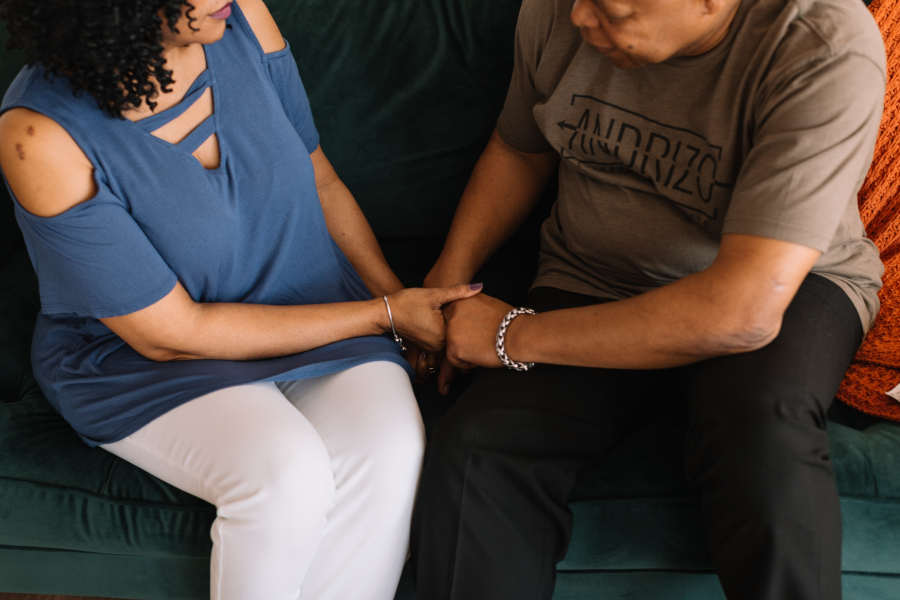
Victim care officers help people who’ve been affected by serious crimes, like sexual assault or domestic abuse, come to terms with what’s happened to them.
This rewarding but naturally challenging role can make an incredible difference to the lives of people who have been through trauma. You’ll need to tailor your support to each victim’s needs, according to their vulnerabilities and differences.
It may be possible that you’ll be the first person a victim has opened up to about their experience, so you must be prepared for any emotions (for example, anger, fear, and guilt) that rise to the surface as they begin to deal with the events that have taken place.
The best way to get started as a victim care officer is by gaining experience. If you’ve worked in counselling or with vulnerable people, you might be able to apply directly.
If you haven’t had that experience, it’s worth getting your foot on the ladder by doing some volunteer work with a victim or witness care organisation first, such as Victim Support, to help you develop the skills needed to support victims.
Ready to get started?
14. Funeral director

Trying to plan a funeral for a friend or family member can be incredibly overwhelming, which is where a funeral director steps in.
An individual or a family will usually express their wishes about the funeral to the director, who will arrange the details of the event from start to finish. While dealing with death is never pleasant, there’s much satisfaction to be gained from helping people celebrate the life of a loved one and making their grief that little bit more bearable.
To be a good funeral director, you’ll need to be sensitive, tactful, and comfortable talking about death. You’ll be dealing directly with grieving families and friends, so it’s important you can communicate in the right way.
If you have little or no experience, the fastest route to a career as a funeral director is to get a job as a funeral arranger first. But if you have sufficient experience in the funeral care industry, or extensive experience in customer service, you might be able to apply for a job as a funeral director straight away.
Keen to learn more?
Or apply for a funeral-related job today
Find jobs near you
Find jobs near you
15. Teacher

A good teacher will do more than simply teach; they’ll also encourage students to make positive choices in their lives and inspire them to be their best selves.
Many people never forget the teachers who have had a positive influence on their lives and will often hold onto life lessons learned from them long after they leave the classroom.
There are several routes you can take to gain Qualified Teacher Status (QTS), depending on what skills, qualifications, and experience you already have.
This can range from completing an undergraduate degree to taking on a specialised training programme that’s geared towards people who are retraining later in life.
Ready to learn more?
16. Personal trainer

If you’re passionate about health and fitness, chances are you’ll understand the value that exercise can add to your life.
Personal trainers spend their time motivating others to reach their fitness goals. The role comes with a great deal of reward because you’re essentially helping people improve their lives. However, it can also prove challenging – especially if a client struggles to believe in themselves.
This is where effective communication is particularly important. Part of a personal trainer’s job is to help clients feel good about what they’re doing, even when things get tough, and they feel like giving up.
To get started as a personal trainer, you don’t need any formal academic qualifications, but you should have a recognised qualification for safety and credibility. The Level 2 and 3 Fitness Instructor and Personal Trainer Combined Course is accredited by the YMCAfit (the UK’s leading provider of fitness education), and successful completion will allow you to join the Register of Exercise Professionals.
Once qualified, you can either work as a personal trainer at a gym or fitness centre, or you might decide to take the leap and work on a self-employed basis, advertising your services locally.
Find out more
17. Veterinary nurse

Veterinary nurses help to care for and rehabilitate sick or injured animals. They typically work in veterinary surgeries or practices, but they can also work for animal charities or zoos, sometimes providing emergency or specialised care.
Whilst veterinary nurses spend a lot of time with animals, those animals are (more often than not) attached to worried humans who need regular updates and reassurance about their pet’s condition. So, for this reason, it helps if a veterinary nurse has good social skills and can put animal owners at ease.
One of the best ways to get started is to enrol on a Level 3 Diploma in Veterinary Nursing at your local college, adult education centre, or veterinary school. This vocational course will allow you to put your theoretical knowledge into practice and get hands-on experience.
You can either take the course full-time or part-time on an apprenticeship-style basis alongside a part-time job as an assistant in a veterinary practice.
Upon successful completion of the course, you’ll be able to apply for professional registration as a Registered Veterinary Nurse (RVN) with the Royal College of Veterinary Surgeons (RCVS), which means you can start applying for professional roles.
Ready to get started?
Find jobs near you
18. Nurse or midwife

Nurses work with patients who are injured or unwell, helping them recover or, at the very least, feel more comfortable. Meanwhile, midwives work with women who are pregnant, labouring, or have recently given birth to a new baby to make sure that both mum and baby are happy and healthy.
Whilst each job has quite different responsibilities regarding the care they provide, the skills and qualities needed to do both these roles are quite similar. They both aim to gain the trust of their patient whilst making them feel as relaxed and reassured as possible.
Gaining that trust enables nurses and midwives to do a better job, as patients are more likely to offer up information about any health concerns they may have. This allows them to get the proper care and treatment that they need.
The routes to becoming a fully-qualified nurse or midwife are similar, with a degree being the most common option.
Find out more
Final thoughts...
From helping learners pass their driving tests to organising funerals, we hope that this list of social jobs has given you some inspiration if you’re looking for a role that connects you with others.
For more job ideas, head on over to our career advice section. Here, you can find articles like 14 rewarding jobs where you can really make a difference and Roles that will take you around the world.
Do you work in a social job? If so, what is it? We’d love to hear from you in the comments below.
Elise Christian is Lifestyle Editor at Rest Less. She joined Rest Less in 2018 after achieving a first class Master’s Degree in Journalism from the University of Kent, and writes across a range of lifestyle topics such as mental health, home and garden, and fashion and beauty. Prior to this, she worked as a freelance writer for small businesses and also spent a year training to be a midwife. Elise spends her spare time going to the gym, reading trashy romance novels, and hanging out with loved ones. She also loves animals, and has a fascination with sharks and tornadoes.
* Links with an * by them are affiliate links which help Rest Less stay free to use as they can result in a payment or benefit to us. You can read more on how we make money here.
Get your free no-obligation pension consultation
If you’re considering getting professional financial advice, Fidelius is offering Rest Less members a free pension consultation. It’s a chance to have a Chartered independent financial adviser give an unbiased assessment of your retirement savings. Fidelius is rated 4.7/5 from over 2,600 reviews on VouchedFor.
Your pension review is free and with no obligation, but if your adviser feels you’d benefit from paid financial advice, they’ll explain how that works and the charges involved. Capital at risk.
Join the discussion
Read our full commenting terms and guidelines