
- Home
- Health
- Healthy Body
- 10 of the best foods for constipation
How does Rest Less make money
We make money through advertising and commission from affiliate links, which enable us to offer Rest Less as a free service to our users. The content on this page may use affiliate links, which track traffic from our website to a third party provider and enable us to receive a commission or payment from any traffic we refer.
* Affiliate links on this page have an * next to them. We place enormous importance on our editorial independence and the integrity of our content which means that we will never change how we write about something as a result of an affiliate link.
Research estimates that around one in seven adults struggles with constipation. Beyond being inconvenient, constipation can be incredibly uncomfortable – even painful – and, if left untreated, can impact physical and mental wellbeing.
While factors such as a lack of exercise, ignoring the urge to use the toilet, and certain medications can all contribute to constipation, diet is paramount for a healthy digestive system – with the biggest cause of constipation being a lack of fibre and water.
Statistics show that over 90% of UK adults don’t eat enough fibre, and two-thirds aren’t drinking enough water.
So, if you’ve been struggling with constipation, the good news is that simple diet tweaks could make all the difference. Plus, beyond taking steps to increase your overall fibre and fluid intake, evidence suggests that some foods may be particularly beneficial for treating and preventing constipation.
With that said, here are 10 of the best foods for constipation, according to research.
Note: There are many high-fibre foods; this list is not exhaustive. If you’d like more general tips on increasing your fibre and fluid intake, check out our articles: 10 easy ways to add more fibre to your diet and 10 tips for staying hydrated.
1. Rye bread
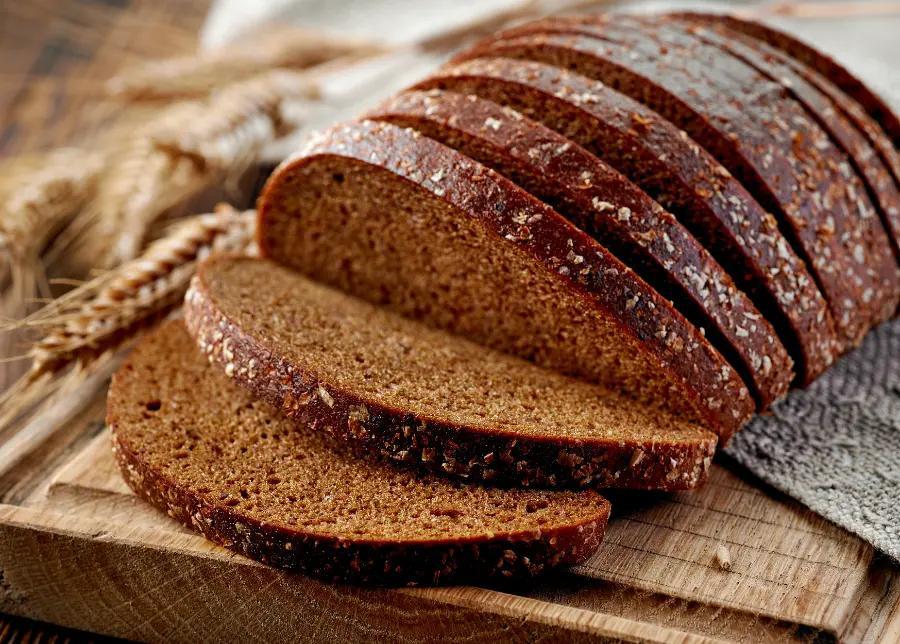
Rye bread is made from a combination of rye flour and rye grains. It has an impressive nutritional profile and is particularly high in fibre.
In one study that compared rye bread with white bread, only rye bread was found to help constipation.
Other studies suggest that rye bread fibre can increase levels of short-chain fatty acids, like butyrate, in your bloodstream. Butyrate is linked with various health benefits, including lower blood sugar levels and a reduced risk of colon cancer.
The more rye flour used, the higher the fibre content. As a result, darker rye bread offers the greatest health benefits.
2. Kiwi
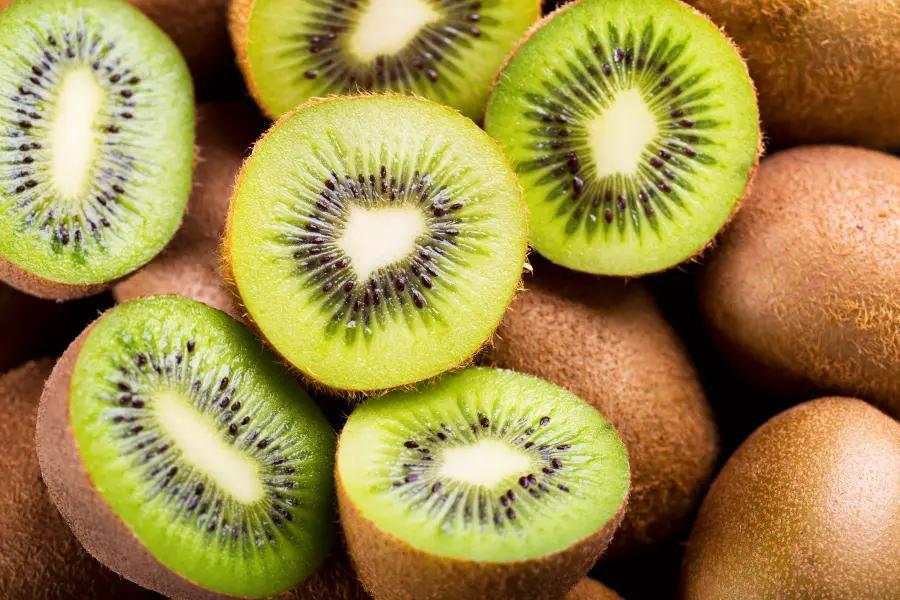
Kiwis are colourful, refreshing, and packed with health-boosting nutrients like fibre, potassium, and vitamin C.
They contain both soluble and insoluble fibre, which support healthy gut bacteria and promote regular bowel movements. According to experts, kiwis may be particularly beneficial for constipation as there’s evidence that their fibre content may help retain water in the digestive tract and swell more than other types of fibre, improving stool consistency and transit time.
For example, this study of people with chronic constipation found that eating two kiwis daily improved stool consistency and frequency, and reduced the need to strain during bowel movements. Another study linked kiwi consumption with better stool consistency and reduced tummy pain, strain, and overall discomfort. And 45% of participants in this study reported less constipation after eating two kiwis per day.
These effects may also be related to the presence of a probiotic digestive enzyme, actinidin, which research shows helps break down protein and supports gut movement by stimulating receptors in the colon.
Kiwis are a great snack on their own and make a great addition to smoothies, yoghurts, and salads. Check out these kiwi recipes from Yummy Addiction for some ideas.
3. Mineral water

Staying hydrated is essential for a healthy digestive system. Water helps to keep things moving through the digestive tract, so even if you’re eating all the right food, a lack of fluid can slow things down.
For added benefits, you might like to drink mineral water, which is packed with essential minerals like calcium, sodium, and magnesium – many of which have been linked with benefits for gut health, including constipation.
Studies suggest that magnesium-rich mineral water may be particularly beneficial. This is because magnesium draws water into the intestines, helping muscles relax and making stools softer and easier to pass.
In this six-week study, when people with functional constipation drank 500ml of mineral water rich in magnesium and sulfate a day, their stool frequency and consistency improved.
4. Flaxseed
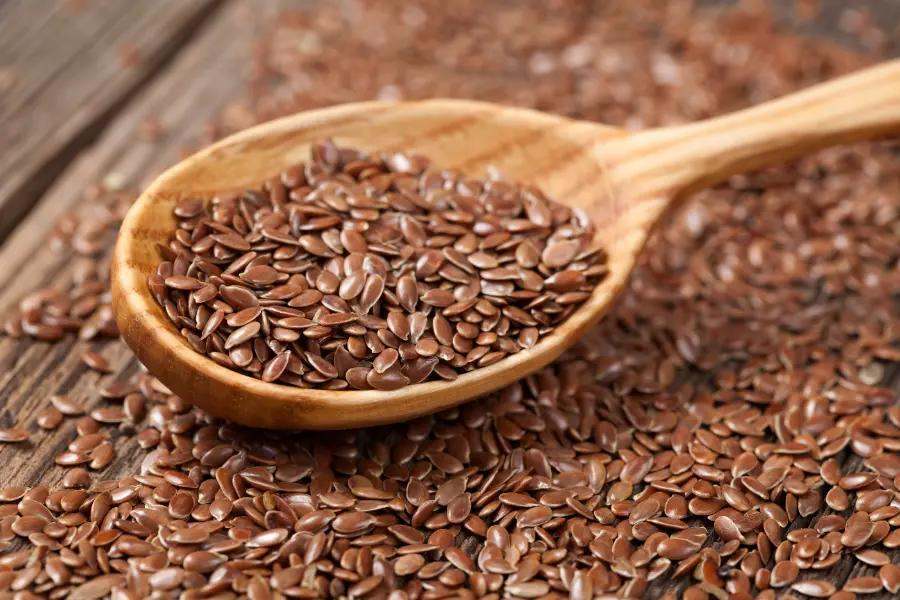
Flaxseed is one of the oldest crops in the world. It’s an excellent source of fibre, protein, and omega-3s and has been found to promote healthy digestion.
In this 12-week study, when people with type 2 diabetes added flaxseed to their diet, they reported fewer symptoms of constipation.
Flaxseed is available in three main forms: whole, milled (ground), or as an oil. Milled flaxseed may offer the greatest health benefits, mainly because it’s easier to digest than whole seeds and because flaxseed oil contains less fibre.
With its crunchy texture and nutty, yet mild flavour, flaxseed makes a delicious and easy addition to a range of recipes. To learn more, check out our article: 8 health benefits of flaxseed and how to add it to your diet.
5. Prunes
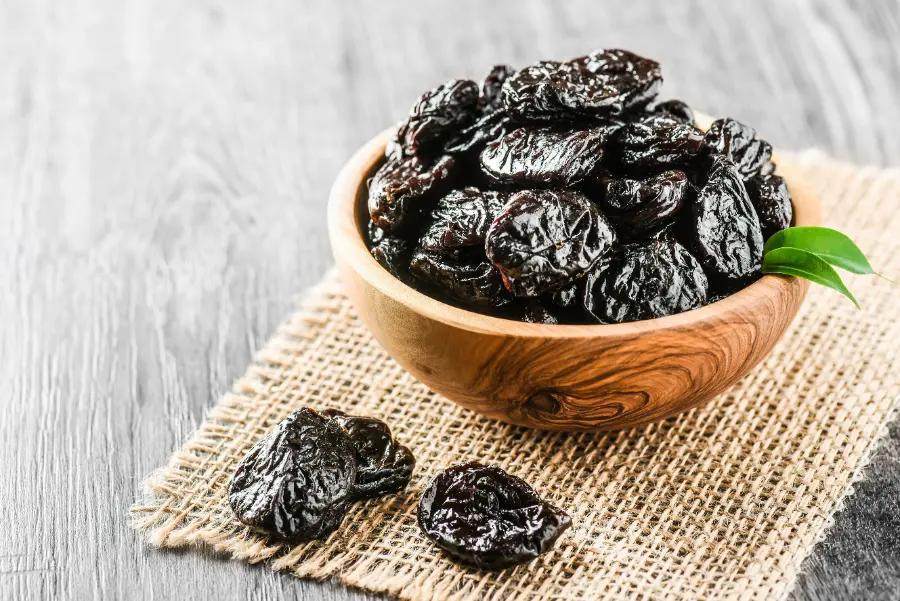
Prunes are one of the best-known foods for relieving constipation thanks to their high fibre and sorbitol content. Sorbitol is a type of carbohydrate found naturally in some fruit, known for its laxative effects. It’s a hyperosmotic, which means it draws water into the colon from surrounding tissues to promote bowel movements.
Half a cup of prunes contains around 6g of fibre, which is over 20% of the daily recommended intake. In line with this, Dr Eirini Dimidi, lead study author and reader in nutritional sciences at King’s College London, says that eating eight to 10 prunes a day should help to improve symptoms of constipation.
Prunes are delicious, versatile, and can enhance both sweet and savoury dishes. They can also be enjoyed with nut butter as a simple but satisfying snack, offering a healthy dose of fibre, protein, and healthy fats. Check out these healthy prune recipes from Healthy Food for more ideas.
Note: As well as occurring naturally, sorbitol is also commercially manufactured from corn syrup and added to processed products like ice cream, chewing gum, and diet fizzy drinks for sweetness, texture, and to preserve moisture. High intake of ultra-processed foods is linked with negative health outcomes, so it’s important not to look to these products as a way of easing constipation.
6. Pears
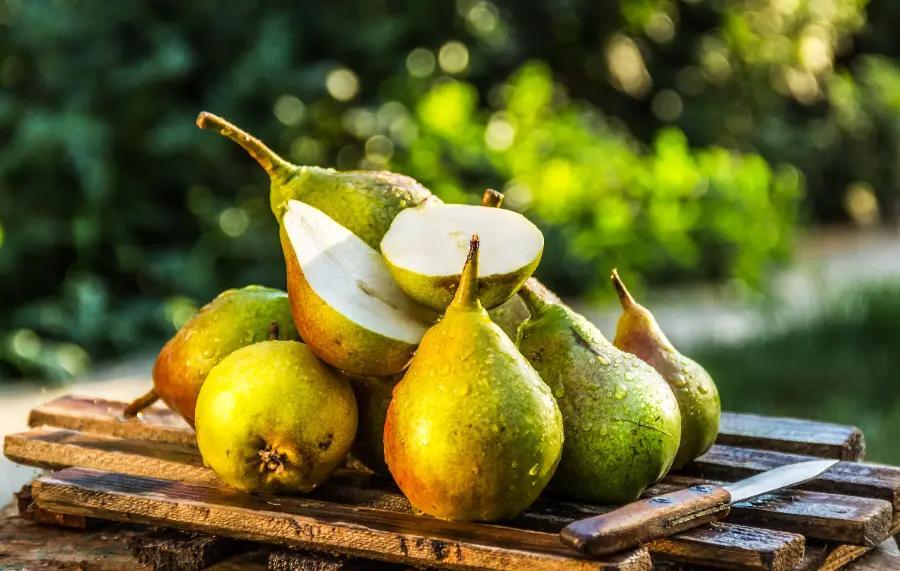
Pears are sweet, juicy, and packed with gut-boosting nutrients. They’re an excellent source of soluble and insoluble fibre, with one medium-sized pear containing 5.5g of fibre, which is relatively high compared to other fruits.
Pears are also particularly rich in pectin, a type of soluble fibre that has been shown to feed good gut bacteria and promote healthy digestive patterns. Plus, they contain sorbitol, which may help increase stool frequency and prevent constipation. If you don’t like prunes or pears, other sorbitol-containing fruits include apples, apricots, dates, peaches, and figs.
As well as eating the whole fruit by itself, pears can be enjoyed in various other ways. Check out these 35 pear recipes from Olive Magazine for inspiration. For maximum benefits, experts recommend eating the skin too, which is where much of the fibre is found.
7. Chia seeds
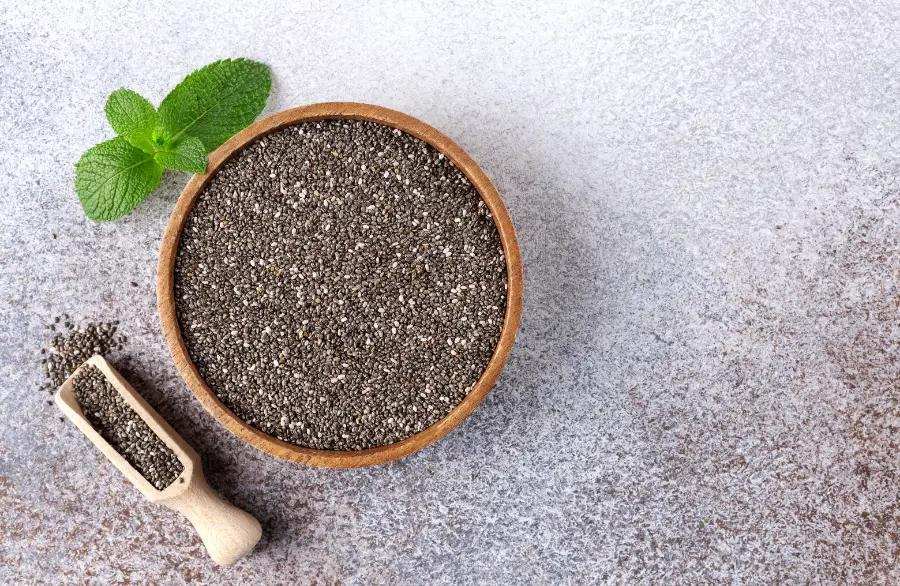
Chia seeds are nutritional powerhouses, packed with antioxidants, minerals, and healthy fats. They’re also the most fibre-dense food around, and one of the easiest ways to up your fibre intake and treat constipation naturally.
Just a simple 25g serving of chia seeds added to your morning oats or yoghurt provides around 9g of fibre, which is almost a third of the 30g daily recommended intake.
We also know from research that chia seeds absorb up to 12 times their weight in water. When consumed, they form a gel-like substance in the gut, which helps prevent constipation by softening and adding bulk to stools, making them easier to pass.
For ideas of how to add chia seeds to your diet, check out our article: 7 health benefits of chia seeds and different ways to use them.
8. Figs
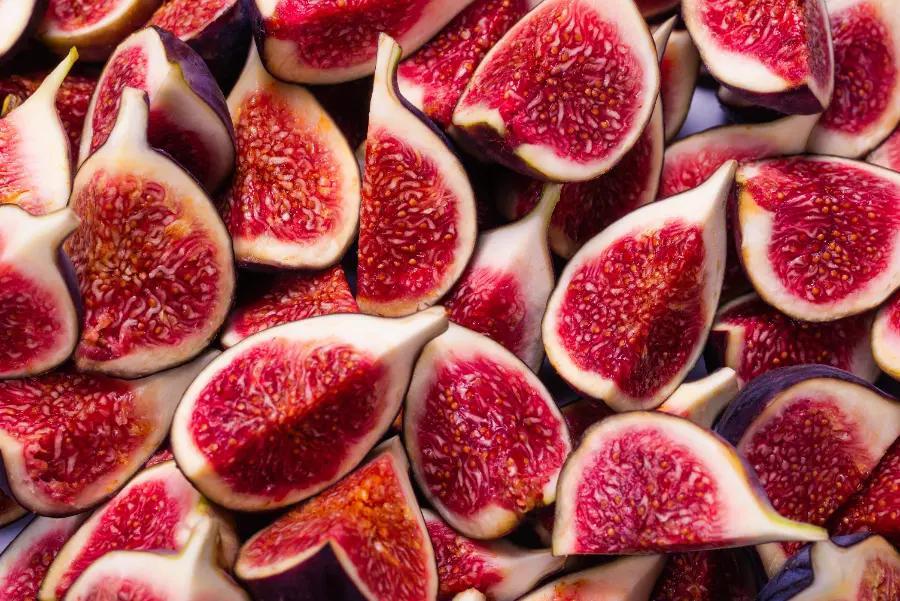
Figs are a fantastic source of several health-boosting nutrients like fibre, potassium, and vitamin K, which make them a great natural remedy for promoting bowel regularity.
In this study, for example, when people with irritable bowel syndrome with constipation (IBS-C) ate 45g of dried figs twice a day, they experienced less bloating, bowel pain, and straining during bowel movements compared to a control group.
Figs are also rich in prebiotics, which feed good gut bacteria and are linked with a healthier gut microbiome.
Aside from being a snack on their own, figs are great in salads, on toast, and in traybakes – and many people enjoy eating them with cheese, too. Check out these 9 healthy fig recipes from Eating Well for ideas on how to add more figs to your diet.
9. Jerusalem artichokes
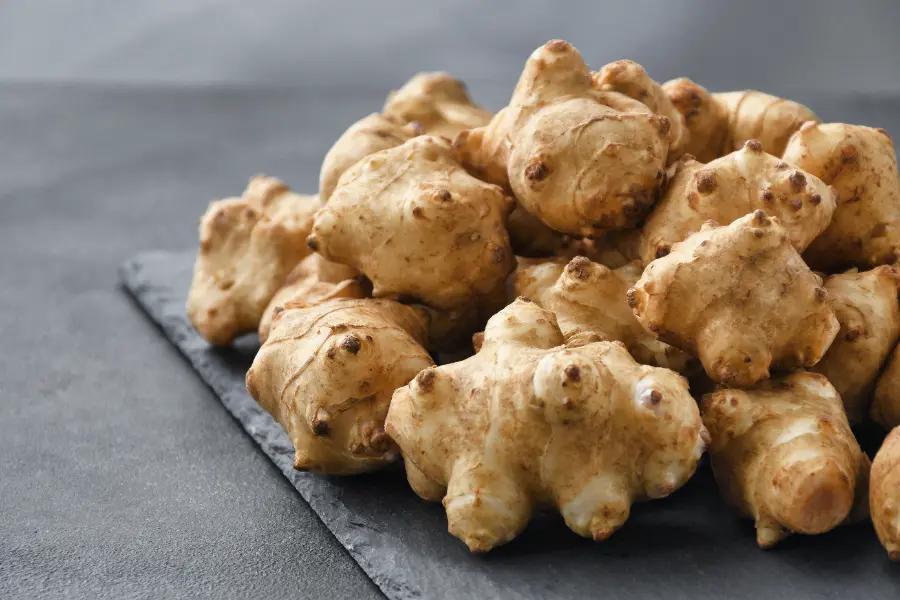
Jerusalem artichokes are rich in fibre, prebiotics, and essential minerals and have been linked with several gut health benefits. Also known as sunchoke or sunroot, they’re a member of the sunflower family and aren’t related to artichokes.
Aside from offering a boost in iron, copper, magnesium, and potassium, Jerusalem artichokes are especially high in inulin, a type of soluble fibre that has been shown to stimulate the growth of good gut bacteria and support healthy digestion.
In this study, Jerusalem artichokes were linked with better bowel motility and reduced constipation. Another study linked consuming inulin from sources like Jerusalem artichoke with small improvements in stool frequency and consistency.
If you’d like to introduce Jerusalem artichokes to your diet, why not try one of these recipes from BBC Good Food?
10. Apples
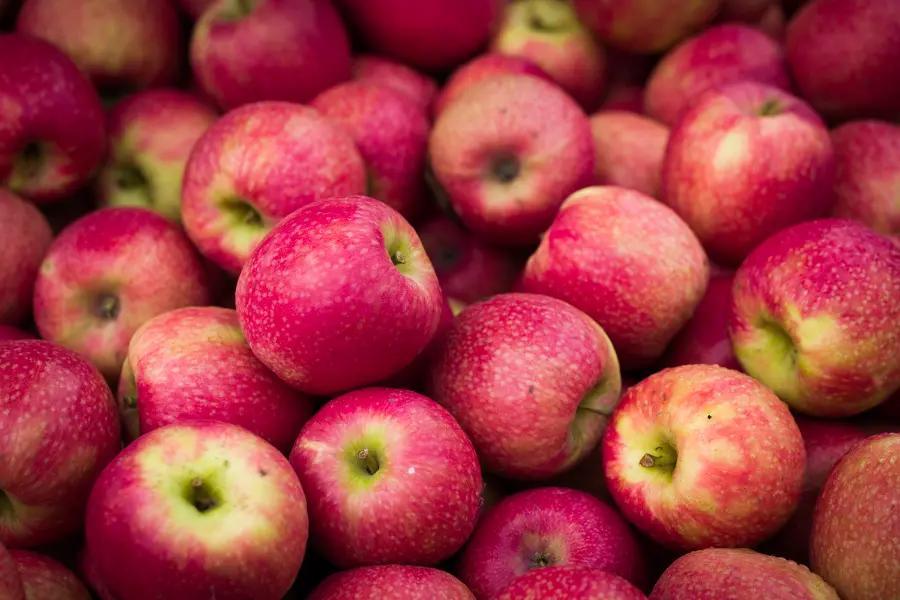
From sweet red apples like Gala and Pink Lady to tangy green ones like Granny Smith, apples are a staple fruit in many people’s diet. They’re rich in fibre, vitamin B, C, and E, and polyphenols (an important group of antioxidants).
Studies suggest that eating apples may improve digestion and reduce constipation risk.
Apples contain pectin, a type of fibre linked with a healthier gut microbiome. And in this study, higher pectin consumption was linked with improved stool frequency and reduced hardness, and less need for laxatives.
Check out these healthy apple recipes from BBC Good Food for ideas on how to up your intake. Like pears, it’s best to leave the skin on for maximum benefits. Apple skin contains half of the fruit’s fibre content and most of its polyphenols.
Final thoughts…
Constipation can be uncomfortable and distressing to live with, particularly if you’ve been struggling to find a solution.
Luckily, we know from research that simple diet tweaks, such as upping fibre and fluid intake, can make a world of difference. And even better is that several foods can help make reaching your fibre and fluid goals much easier.
If you’re still struggling, you can find further guidance and support in our article: Constipation – symptoms, causes, and treatment options.
Do you have any other tips for improving constipation that you’d like to share? We’d be interested to hear from you in the comments below.
Francesca Williams is a senior lifestyle writer at Rest Less. She joined Rest Less in early 2021 after achieving a first-class degree in History at the University of Sheffield and qualifying as an NCTJ Gold Standard Journalist. Francesca is a qualified Level 3 Personal Trainer and writes across a range of lifestyle topics, specialising in health. In her spare time, Francesca likes to keep herself busy going to the gym, dancing, spending time with friends and family, and getting involved with her local church.
* Links with an * by them are affiliate links which help Rest Less stay free to use as they can result in a payment or benefit to us. You can read more on how we make money here.
Join the discussion
Read our full commenting terms and guidelines