We’ve all been there. It’s late in the evening, dinner’s over, and we should be winding down for bed – but we start feeling peckish. Should we head to the kitchen and grab something to eat, or tough it out until morning?

Most of us have heard that you shouldn’t eat too close to bedtime, and research suggests that regularly doing so could have adverse effects onweight and sleep.

But the occasional healthy evening (or even midnight) snack is unlikely to significantly impact health. Plus, if you’re hungry before bed, your body might be hinting that you haven’t eaten enough throughout the day, so there’s no need to suffer until breakfast.

With this in mind, we’ve pulled together a list of eight healthy foods that’ll hopefully keep you satisfied until morning, and may even help you sleep better.

The science behind snacking in the evening

The science behind snacking in the evening

Late-night snacking has long been scrutinised, but why is that?

Some studies suggest that eating within an eight to 12-hour window during the day can be beneficial for preventing conditions like heart disease and type 2 diabetes by helping to regulate our body clock.

There are also discussions about how eating late in the evening can impact sleep and weight.

The impact of late-night snacking on weight

There’s mounting evidence to suggest that regularly eating late in the evening or at night can lead to weight gain.

For example, this study looked into the effects of two different meal patterns. The first pattern involved eating meals earlier in the day, with the last meal eaten approximately six and a half hours before bed. In the second, participants ate their meals later, having dinner approximately two and a half hours before bed.

The results found that the second pattern led to increased feelings of hunger the following day, and a reduction in the number of calories burned. This study found similar results.

The reason for this isn’t entirely clear, though some experts claim it’s linked with how our circadian rhythm affects metabolism, nutrient absorption, and insulin sensitivity.

The impact of late-night snacking on sleep

Eating late at night has also been linked to disrupted sleep.

This study found that the more people ate in the evening – especially foods high in fat – the worse their sleep was. Specifically, it revealed that the later the meals, the more difficulty they had falling and/or staying asleep.

Plus, if you’re prone to experiencing acid reflux, the combination of eating before bed and lying down can trigger heartburn, which can disrupt sleep.

The verdict – is late-night snacking bad for us?

Before we move on to ideas for healthy evening snacks, it’s worth noting that the occasional late-night snack is unlikely to have major health consequences. So, while being conscious of these findings can be useful, you don’t necessarily need to change your eating habits significantly.

Some health experts suggest that eating certain foods before bed is perfectly healthy and can actually improve sleep and support weight loss.

That said, it’s generally agreed that certain foods are best avoided before bed. This includes spicy foods, caffeine, sugary foods, and processed carbs, as these may keep you awake and have little nutritional value.

Instead, it’s best to reach for something nutrient-dense, low in calories, high in protein and/or fibre, and minimally processed (ideally a whole food), like the suggestions below.

8 healthy and filling evening snacks

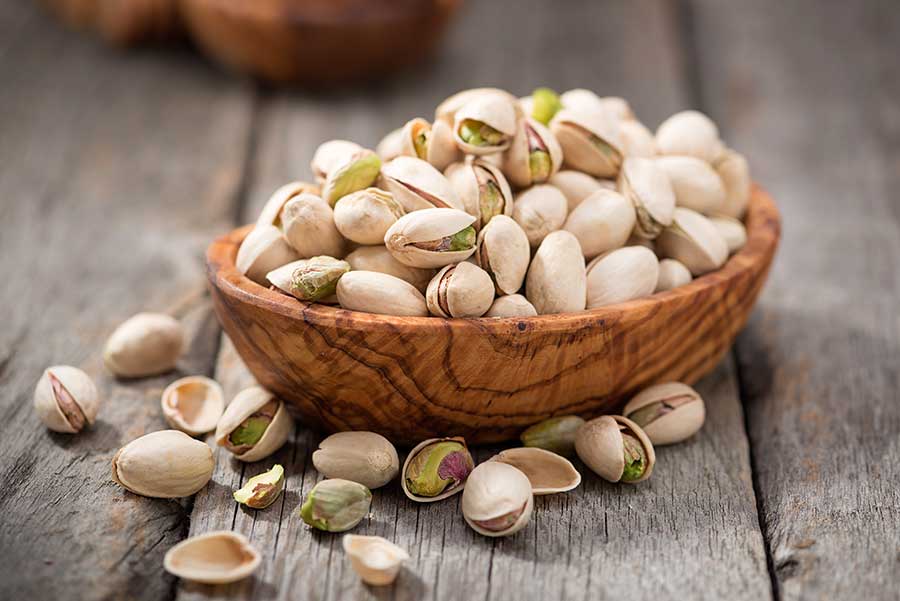
1. Pistachios

Pistachios

Pistachios have a high fibre and protein content, which means they can keep you full for longer.

Pistachios are a particularly good choice for late-night snacking because of their melatonin content. This hormone helps control and regulate sleep patterns, and eating it before bed can help us fall asleep faster and stay asleep for longer.

Nuts in general are known for their high melatonin levels, and pistachios contain the most. Plus, prising the shells open before bed can be tiring in itself!

2. Cottage cheese

Cottage cheese

Whole foods that are high in protein and low in carbohydrates make excellent evening snacks. This is because protein takes longer to digest than carbohydrates, meaning it can keep you feeling satisfied until breakfast.

This makes cottage cheese a great before-bed snack. Low-fat varieties made from 1% milk can pack a whopping 14g of protein.

Research also suggests that eating 30g of protein half an hour before bed could boost muscle growth and metabolic rate throughout the night – meaning that it may even contribute to how efficiently you burn calories while at rest.

Cottage cheese can be a little plain on its own, so why not combine it with a sprinkling of berries, a sliced banana, and/or a helping of nuts? This article from Simple Nourished Living has more suggestions on creative ways to eat it.

3. Kiwis

Kiwis

Another low-calorie food that may help us sleep better is kiwi. This 2011 study found that people who ate kiwi one hour before bed for a month experienced a 35% reduction in the time it took for them to fall asleep.

They also reported better sleep quality. The reason for this is unclear, but it may be linked to the high serotonin levels in kiwis. Serotonin is a neurotransmitter that’s essential for regulating sleep.

An average-sized kiwi delivers 15% of our daily intake of fibre and twice as much vitamin C as an orange.

4. Porridge

Porridge

Porridge is a tried-and-tested breakfast choice – but did you know it makes a delicious evening snack, too?

Packed full of fibre, oats will hopefully keep you full until morning and, like nuts, they’re a good source of melatonin. But this isn’t their only sleep-promoting ingredient. Oats also contain the amino acid tryptophan, which is converted to serotonin when it reaches the brain.

If plain porridge sounds a bit boring, try stirring some cinnamon in for a comforting pre-bed snack, or a dash of raw honey, which is thought to have sleep-promoting properties of its own.

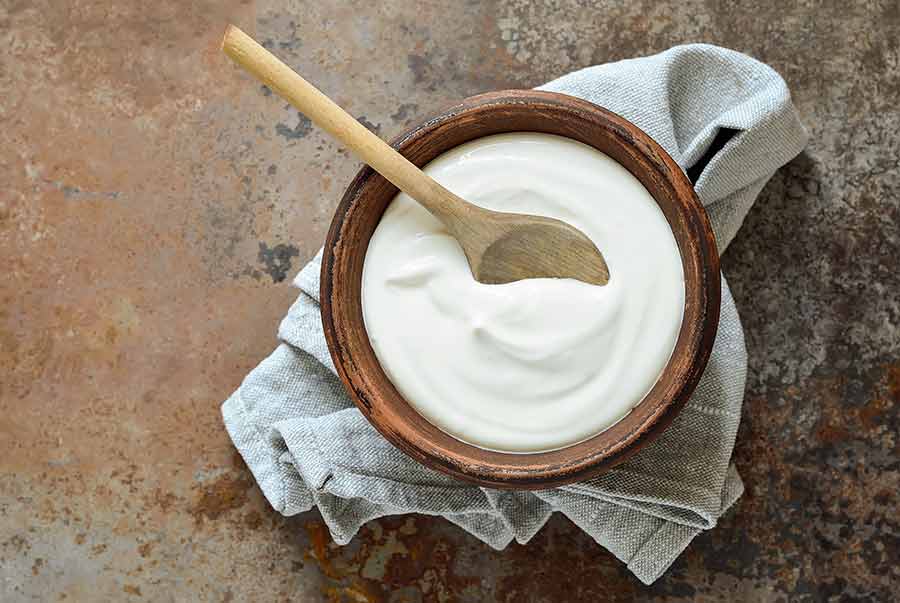
5. Greek yoghurt

Greek yoghurt

In the evenings, many of us turn to sweet things like desserts or biscuits. However, high-sugar foods are some of the worst things we can eat before bed – not only because they’re high in calories and won’t keep us full for long, but because sugar may disturb sleep.

For something that feels like a treat, yet is low in calories and full of nutrients, why not have some Greek yoghurt? It’s high in protein and calcium, which helps the brain produce melatonin.

If simple Greek yoghurt seems uninspiring, why not add a few chopped nuts or seeds?

6. Eggs

Eggs

This eggcellent option may be a breakfast favourite, but it also makes for a quick, easy, and nutritious evening snack.

Two average-sized eggs contain approximately 12g of protein and a range of sleep-inducing ingredients – such as tryptophan, melatonin, and vitamin D.

You can enjoy your evening eggs poached, fried, or however you like. However, keeping a few hard-boiled ones in the fridge is a handy, fuss-free way to satisfy hunger pangs as soon as they arrive. Or, why not give one of our quick and easy egg recipes a try?

7. Bananas

Bananas

There’s a reason why bananas are a go-to healthy snack for many. They’re low in calories and great for keeping hunger at bay. This has a lot to do with their high pectin content. Pectin is a soluble fibre found in fruits and vegetables that increases feelings of fullness.

Plus, bananas are relatively high in tryptophan and magnesium, which help promote sleep by increasing melatonin production. Magnesium also decreases cortisol levels. This is known as ‘the stress hormone’ and can keep us awake.

Unlike sugary, fast-digesting carbohydrates in snacks like cakes and biscuits, higher-fibre carb options like bananas are slower to digest. They also won’t cause sharp spikes in your blood sugar levels – something that can make it trickier to fall asleep.

If you’re in the mood for something a little more interesting, some people enjoy pairing a banana with almond butter. This isn’t only tasty, but it’ll give you an extra helping of magnesium and melatonin.

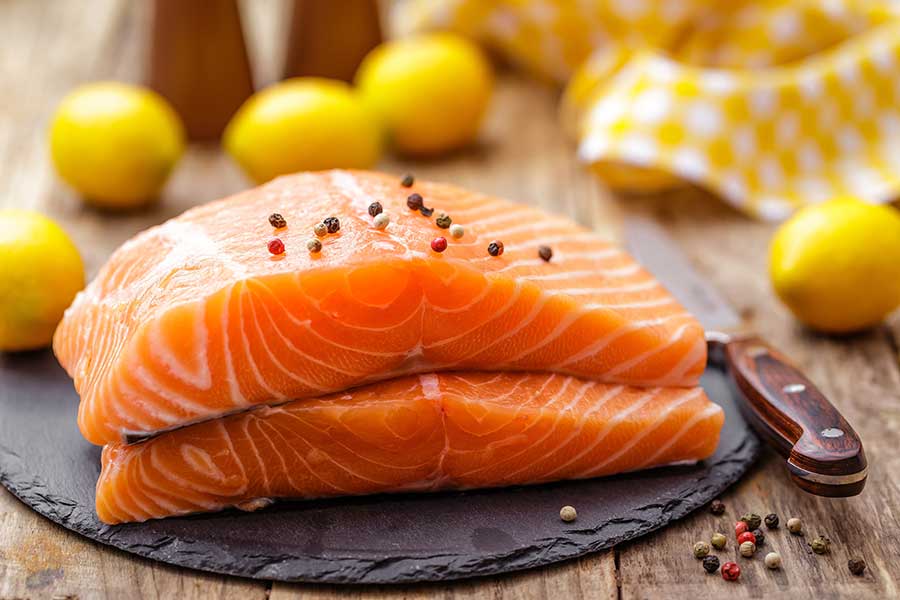
8. Oily fish

Oily fish

Oily fish – like mackerel, tuna, salmon, and sardines – are superfoods and will serve you well when feeling hungry just before bed. They’re high in protein and rich in key nutrients, particularly vitamin D and omega-3 fatty acids, which are understood to help with sleep.

These tuna salad cucumber cups are a tasty way to enjoy fatty fish late at night, without worrying about eating a load of carbs. Mackerel on whole wheat toast is another popular option.

Final thoughts…

Next time you find yourself fighting cravings late at night, why not reach for one of the eight foods listed here? They’re healthy, will hopefully keep you full until the morning, and might even help you drift off.

For more information, head over to our diet and nutrition section. Or, for recipe inspiration, you’ll find plenty in our food and drink section.

Do you consistently find yourself hungry before bed? If so, what’s your favourite go-to snack? We’d love to hear from you in the comments below.