

- Home
- Leisure & Lifestyle
- Learning
- 9 creative skills that you can learn from home
How does Rest Less make money
We make money through advertising and commission from affiliate links, which enable us to offer Rest Less as a free service to our users. The content on this page may use affiliate links, which track traffic from our website to a third party provider and enable us to receive a commission or payment from any traffic we refer.
* Affiliate links on this page have an * next to them. We place enormous importance on our editorial independence and the integrity of our content which means that we will never change how we write about something as a result of an affiliate link.
Whether it’s singing or sewing, learning a new creative skill is fun, rewarding, and can help boost your mood and wellbeing. Plus, the number of e-learning resources out there may have you spoiled for choice.
To get you inspired, we’ve pulled together a list of nine creative skills you can learn from home – from drawing and baking to creative writing and photography. Whether you’re serious about learning or are just on the lookout for something fun to do in your spare time, here are some practical suggestions for how to get started.
1. Creative writing

Writing a book is a dream for many, but getting started is often the trickiest part. Luckily, there are all kinds of online writing courses to help you brush up on your skills – why not kick off with a fun creative writing exercise from The Write Practice? Writing exercises may seem silly as you’re doing them, but you’ll be left with a new perspective on the art of writing and often a fresh dose of inspiration.
Reedsy Learning also offers a selection of free online writing courses you can do from the comfort of your home. Taught by experienced authors, these courses are a fun and lightweight way to learn. Each morning, you’ll get a five-minute lesson delivered to your inbox on a subject of your choosing. With a broad catalogue of writing topics – including the mechanics of writing dialogue, how to write an irresistible romance, and how to edit your story – the trickiest part will be choosing which course to do first.
The Open University’s free online creative writing courses are also popular options for beginners. For example, the Start Writing Fiction course covers characters, settings, and genre – and is helpful for those who’ve always wanted to write.
You might also like to check out Margaret Atwood’s Masterclass if you’re a fan of this esteemed author. It’s not the cheapest course around, but it’s incredibly thorough and offers 23 video lessons taught by Atwood herself. Covering key components of creative writing like story and plot, structuring your novel, and creating compelling characters – this class from the author of The Handmaid’s Tale is a chance to learn from someone at the top of the field.
And finally, if you’re ready to start writing, you could read our guide on how to publish a book, which draws from my own experience of getting published.
2. Painting

Whether you’ve always had a flair for the arts or haven’t picked up a brush since school, improving your artistic skills is as rewarding as it is relaxing. It can also help to sharpen fine motor skills, build problem-solving skills, improve memory and concentration, and nurture emotional growth.
If you’re unsure where to start, why not visit Wow Art’s YouTube channel and try their daily challenges? You can make toothbrush, aluminium foil, or cotton swab paintings. No special tools or skills are required, but you’ll need acrylic paint for many of the challenges. These can be purchased online, along with oil paints, watercolours, brushes, and any other equipment you need to develop your skills.
YouTube also has plenty of other free videos that’ll help you master other painting techniques. For example, you can learn the basics of oil painting with artist Lena Danya, be shown how to mix acrylic paints with the Will Kemp Art School channel, and brush up on your watercolour techniques with Mr Otter Art Studio.
Our article, Learn to paint, also offers an overview of how to get started.
3. Needlework
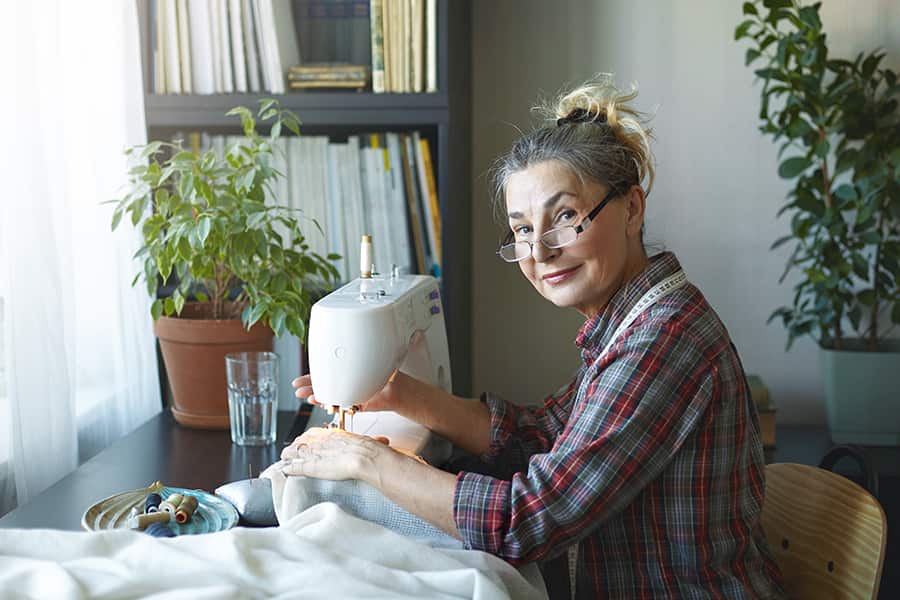
Aside from being able to make cosy hats, scarves, and jumpers for loved ones (and yourself), needlework has several other powerful benefits. It’s been proven to reduce stress, help with addiction, and potentially prevent memory loss. Anyone can learn to sew or knit; it doesn’t require any special skills or dexterity – just patience and a willingness to learn.
If you’re a beginner, All Free Knitting is a good place to start. You can download the beginner’s knitting booklet and familiarise yourself with the resources, knitting vocabulary, and techniques needed to kick things off before moving through the rest of the tutorials at your own pace. All free, these cover casting on, the knit stitch, binding off, the purl stitch, fixing mistakes, and your first knitting pattern.
Or, for a small fee, Skillshare’s knitting tutorials cover how to make specific items, such as a clutch bag or a slouchy hat. You can even learn to hand-crochet a blanket.
For even more information on how to get started on your knitting journey, you might like to read our article: Learn how to knit.
4. Baking

Few things can comfort us like the smell of freshly baked bread – and being able to bake your own is a great way to save money, learn some new skills, and have fun. Plus, if you have a sweet tooth, being able to knock up cakes, muffins, brownies, and macaroons whenever you like will be a lifelong investment.
If you’re mostly interested in baking cakes and sweet treats, top cooking website Bon Appétit has a great cake-baking YouTube series. In this five-part video series, pastry chef Claire Saffitz shows you the basics of the baking process, explains the art of cake filling and frosting, demonstrates how you assemble cakes, and explains everything you need to know about cake decoration.
YouTube also has lots of free bread-making tutorials. Depending on what type of bread you fancy making, check out some of the following…
- Baking with Paul Hollywood, where The Great British Bake Off judge shows you how to make a white bloomer.
- An easy guide to making simple whole wheat bread from Jenny Can Cook.
- How to make French bread with Mary’s Test Kitchen.
- A quick and general bread-making overview from Jamie Oliver.
If you’re serious about developing your bread-making skills and want to bake more complex loaves like sourdough, there is also a good selection of artisan bread-making courses from Udemy. These in-depth courses will teach you all about fermentation, hydration, and autolysis (technical terms every baker worth their salt – or yeast? – should know), as well as how to make crusty and delicious sourdough loaves that’ll go down a treat.
If your mouth isn’t watering yet, check out these 10 nostalgic baking recipes, which you can whip up in your kitchen. Or try making one of these 10 best bread recipes.
5. Drawing

To improve your drawing and sketching skills, why not check out Drawspace courses, which offer lessons for beginner, intermediate, and advanced levels?
Free guided drawing courses include Getting Started with Drawing, Traditional Drawing (a five-week course), and Drawing People (a three-week course). Drawspace also has 500+ self-directed drawing lessons, ideal for people who prefer to take their own route and set their own goals.
For something different – or to add something unique to your CV – you might like to have a look at the free Skillshare Visual Thinking course, which is all about drawing data to communicate ideas. It’s ideal for anyone looking to share stories visually, communicate and collaborate faster, and add an extra something to a pitch.
If you’re willing to pay to advance your skills, the Ultimate Drawing Course from Udemy promises to take you from beginner to advanced. You’ll learn to draw perspective, realistic light and shadow, and the human face and figure. By the end, you’ll understand the fundamentals of the art of drawing. All you need is paper, a pencil, an eraser, a ruler…and, of course, a good amount of motivation.
Alternatively, for a general overview, have a read of our article: Learn how to draw.
6. Photography
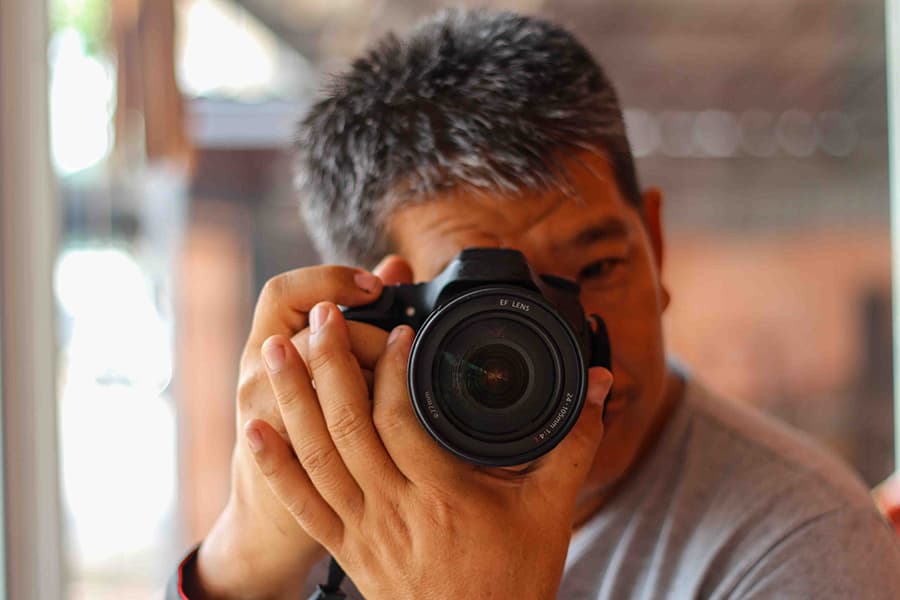
Whether you’re a photography rookie or consider yourself a bit of a natural, there’s never been a better time to dust off that old camera and get snapping.
A decent free online learning resource is this course from Stanford University professor Marc Levoy. It’s aimed at complete beginners and covers information on lenses and optics, light and sensors, image processing and editing, and much more. This course is available via a YouTube playlist and was taught to actual Stanford students, so you know it’s high quality!
World-renowned Annie Leibovitz’s photography masterclass is also available for £5 a month. Over the course of 15 video lessons, you can study topics including portrait photography, working with light, studio vs location, and the technical side of photography. If you’ve ever wanted to take professional-looking portraits of your friends and family, this might be the course for you.
Even if you only use your phone to take photos, that doesn’t mean you can’t work on developing your photography skills. Udemy’s iPhone Photography course will show you how to replicate professional digital photography on your phone – including how to utilise shot composition, how to optimise iPhone settings to take the best pictures, and how to edit your final product.
And to learn more about photography, why not read our articles: 8 fun photography projects that you can start today, How to take better photos with your phone, and A beginner’s guide to photography?
7. Cooking

It’s never too late to hone your cooking skills. Whether you’re already a dab hand in the kitchen or you struggle to boil an egg, cooking is one of those skills that needs very little investment. Whatever your taste preferences, budget, or diet, there are dozens of ways you can improve your cooking skills at home.
The simplest method is, of course, to learn from a cookbook – just as we’ve done for hundreds of years. However, for a bit more practical advice, you’ll be spoilt for choice with the number of free videos at your disposal.
Skillshare has some great ones. Brush up on your chopping skills with their knife skills video tutorial, learn to make perfect thin-crust pizza, or take your time and learn the secrets of slow cooking.
If you want to learn from the pros and are happy to pay, Gordon Ramsay’s Cooking Masterclass will show you how to cook 13 restaurant-inspired dishes. Over 15 different videos, you’ll learn how to make several delectable appetisers, mains, and desserts.
Meanwhile, fans of pasta should head over to Nonna Live to take part in virtual cooking classes with Nonna Nerina, an Italian Grandmother and her family. During these live two-hour cooking classes, you’ll learn to make classic Italian dishes like lasagne, ravioli, cannelloni, and fettuccine, as well as which wines to pair with each dish.
For those of you looking for some new recipes to try out, you can visit our food and drink section. And if you’re on the lookout for more culinary learning opportunities, you might be interested in our article: 9 of the UK’s best cooking classes.
8. Music

Just like art, research has shown that music can take your mind off your troubles and help lift your mood. It’s never too late to learn a musical instrument or improve your singing voice.
There are thousands of musical tutorials on YouTube. From the drums to the cello and violin, there are too many free online tutorials to list, but you can find an extensive list of music courses on Alison. Another option is Yousician, which combines teaching with award-winning technology to give you instant feedback while you learn to sing or play the guitar, bass, ukulele, or piano. Signing up gives you access to more than 2,000 popular songs, lessons, and exercises across multiple music genres, and the huge video library covers all abilities – from total beginner to advanced. You can try it for free for seven days to see if it’s for you.
Over on imusic-school, you can also learn to play instruments including the harmonica, flute, drums, and clarinet – and courses are curated by expert teachers. Again, signing up isn’t free, but it gives you unlimited access to all lessons and instruments, wherever and whenever you like. You can learn at your own pace, and with expert teachers at your service, you know you’re in good hands.
For more opportunities, check out our music section.
9. Learn a language

Learning a language has many benefits. Discovering new cultures and sharing stories with people in other countries are just a few of the obvious ones. It also helps develop cognitive skills like mental flexibility, multitasking, listening, and problem-solving – and can significantly improve your job prospects, too. But without going to a class, how can you pick up an entirely new language?
If you have a smartphone, you could try downloading the free language app, Duolingo, where you can learn more than 40 languages – including Latin, for the history buffs among us. You can spend as little as 10 minutes a day practising your speaking, listening, reading, and writing skills. Lessons are personalised and fun – you can race against the clock and earn points for each correct answer. You might even find yourself becoming somewhat addicted.
For something more in-depth, why not consider signing up for Rosetta Stone? With their interactive program, you can access online lessons, audio stories, and a phrasebook – either on your desktop or on their award-winning app. You can choose whether you’d like to commit to a paid subscription for three months, 12 months, or a permanent one-time payment
If you’d like more suggestions on how to get started on your language learning journey, it’s worth checking out our article on the benefits of learning a new language.
Or, if you’re not sure what language to start learning, why not check out our articles: 9 most spoken languages that are useful to learn and 6 languages that are easier for English speakers to learn, for some ideas?
Final thoughts...
It’s true that developing skills takes effort, patience, and motivation. But you’ll be able to enjoy the rewards and results long after. Plus, impressing friends, family, and colleagues with your new skills is another perk to look forward to.
If you’re keen to learn but haven’t found something you like above, you could try heading over to our learning and art and culture sections.
Have you taken up a new hobby recently, or have you made anything creative? We’d love to hear about what you’ve been up to in the comments below.
Selene Nelson is an author, freelance journalist, and lifestyle writer for Rest Less. After graduating from the University of Sussex with a degree in English Literature, Selene began contributing to many major newspapers and websites, and has written for the BBC, The Sunday Times, The Independent, Town & Country, and HuffPost. Her specialist subjects include food, travel, and health, though she enjoys writing about a wide range of topics (e.g. her two books are about veganism and psychopathy, respectively!). She enjoys cooking (particularly pasta and Asian noodle soups), reading, travelling, hiking, attempting to keep fit, and watching animal videos on YouTube.
* Links with an * by them are affiliate links which help Rest Less stay free to use as they can result in a payment or benefit to us. You can read more on how we make money here.
Join the discussion
Read our full commenting terms and guidelines