- Home
- Leisure & Lifestyle
- Home & Garden
- 4 tips for a stress-free house move
How does Rest Less make money
We make money through advertising and commission from affiliate links, which enable us to offer Rest Less as a free service to our users. The content on this page may use affiliate links, which track traffic from our website to a third party provider and enable us to receive a commission or payment from any traffic we refer.
* Affiliate links on this page have an * next to them. We place enormous importance on our editorial independence and the integrity of our content which means that we will never change how we write about something as a result of an affiliate link.
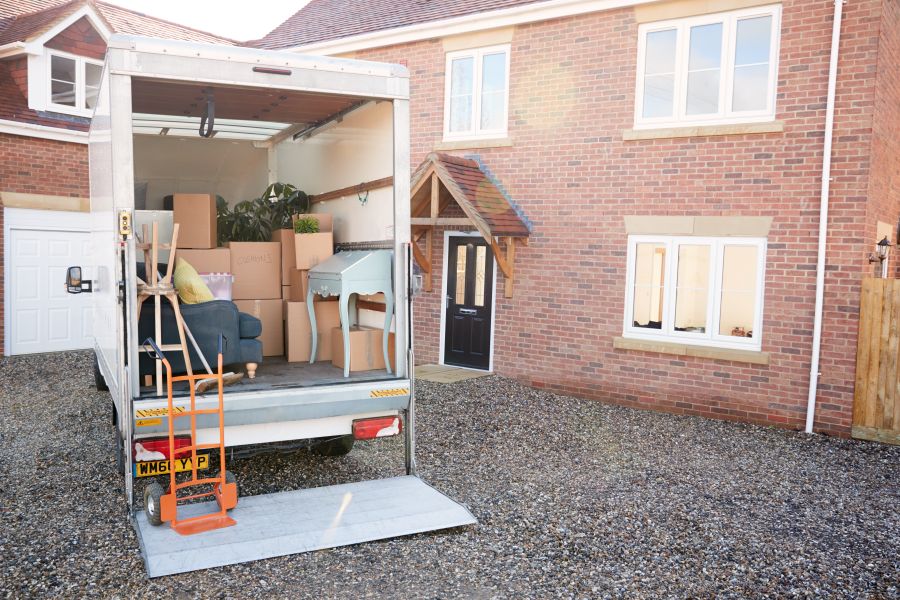
The process of moving to a new home can be one of the most exciting yet stressful experiences in a person’s life. While many people relish the chance to start a new chapter, packing up our belongings can often be more challenging than we may anticipate.
But moving home doesn’t have to be a nightmare. While, naturally, there’ll be lots to sort out, there are several things you can do to make the process smoother.
With this in mind, here are our four tips for a stress-free house move.
Advertisement
Whether you’re looking to clear some space, make a bit of extra money, or simply let go of things you no longer need, Vintage Cash Cow makes sure your belongings find a new home and nothing goes to waste or landfill.
They accept a wide range of items including jewellery, watches, cameras, coins, medals, and more – with no cost or obligation to you.
1. Consider hiring a moving company
While you can move your belongings yourself with the help of friends or family, it can be quicker and more efficient to hire a moving company. Many people find that having external help relieves a lot of stress, as there’s comfort in knowing that their furniture and possessions will arrive smoothly and safely where they need to be.
A professional removal team can help you dismantle and pack all of your furniture, appliances, and other property to save space and reduce the likelihood of damage during transit. Some people also choose to pay for insurance to give them extra guarantees on expensive items, like grand pianos.
Additionally, in the unexpected event that you can’t access your new property, several moving companies offer a safe and secure space to store your packages. Temporary storage options range from a few days to a few months, depending on how long they’re needed.
2. Pack strategically
Whether you hire a moving company or not, many of us will still pack our own belongings when moving home.
So, hopefully, these tips will help make the packaging process as easy as possible.
Declutter your belongings
Moving home is the ideal time to declutter. Since you’ll be comprehensively managing every item in your home anyway, it’s best to get rid of anything you no longer need before beginning packing, rather than bringing it all with you only to throw it all out once you arrive.
Our article, How to declutter and organise your home, has plenty of tips to help you get started.
Create an inventory
It’s a good idea to make an inventory of everything you pack, so you can easily check whether you’ve forgotten anything.
Even if you’re unlikely to actually leave anything behind, being able to check against your list makes it much easier to relax and trust that everything is accounted for.
Start by packing up the least-used rooms
When you begin packing, starting with the rooms you use least frequently is the best way to ensure the process disrupts your day-to-day life as little as possible in the lead up to your moving day.
While you might be able to put up with a messy or empty lounge for a few weeks, most people probably wouldn’t fancy being without their kitchen for the same amount of time.
Label packing boxes
It might sound like just another thing to add to your plate when you’re already surrounded by cardboard, but properly labelling your boxes can save you many headaches.
It’s especially worth clearly labelling not only the contents of each box, but also the room you want them left in, as this will save time for both you and any members of your moving team.
Photograph complex electronic setups
If you have any electronic appliances with complex wiring setups that might be difficult to reconstruct once you’ve moved in, it can be a good idea to take pictures of how the wires are configured. This will make things much easier later on when you’re setting everything back up.
Take care with mirrors
When packing mirrors and glass frames, it can help to make an ‘X’ between the corners of the surface with masking tape. This might sound like an old wives’ tale, but the tape will actually absorb some of the shock if the mirror is bumped or jostled, which means it’ll be less likely to break.
Additionally, if it does break, the tape will keep some of the shattered pieces together, saving you some time and reducing risk when cleaning up.
Back up documents
When moving computers or devices, it’s worth backing up any important documents. This way, if something goes wrong – for example, a device gets broken, or there are issues setting it up in your new home – then you won’t need to panic.
Get creative when packing jewellery
If you don’t have a dedicated jewellery box, egg cartons can make great temporary packaging that will keep your valuables separate.
Additionally, if you’re worried about necklace chains tangling, a cheap and easy way to avoid this is to thread each necklace through a straw. This way, you can keep all your necklaces in the same box and avoid having to collect them all together when you unpack. You also won’t have to worry about the annoying task of untangling links.
Pack clothes in suitcases or wardrobe boxes
Clothes can take up a significant proportion of your packing and are often annoying to move. The easiest way to pack clothes is in a suitcase, especially those you want to have available when you arrive at your new home.
Another clever option is to use a wardrobe box, which is a tall cardboard box with a wardrobe rail running through the top. These boxes allow you to simply move the contents of your wardrobe all at once on their hangers, saving you time both packing and unpacking.
Either way, it’s best to pack specialised and out-of-season clothes first, so you’re not eating into your regular wardrobe with your packing weeks before the move.
Don’t forget the kettle!
This last tip might be the most important of all: make sure you pack your kettle, mugs, tea/coffee, etc, last – and that they’re the first things you unpack once you arrive. That way, you and your removal team will be able to keep up your energy (and likely mood) and take regular breaks throughout the process.

Give unwanteds a better next chapter
Your once-loved items are just waiting to be useful again. Pop them in a box, send them to Vintage Cash Cow for free, and they’ll make you an offer to rehome them all.
3. Update your address before the move-in date
As well as sorting and packing, there are a few other things that you’ll want to get sorted before your move.
For a start, relocating to a new address means that you’ll have to notify several people and organisations who have your current address.
Some of the most important include…
- Your local councils (for council tax, and to re-register to vote)
- HM Revenue and Customs
- Your employer
- Your GP and dentist
- Your bank
- The DVLA (if you drive)
- Your insurance providers
You’ll also need to sort out various utilities, including your water and electricity, landline and broadband services, and your TV licence.
It’s best to get ahead of all this, so you don’t forget anything. Making a checklist sometime before your move can be helpful, as can informing everyone on your address-change list a short time before you start living at the property. This way, you’re less likely to miss any mail and will hopefully have all your utilities up and running as early as possible.
Plus, it might sound obvious, but remember to let your friends and family know your new address, too. With lots to do, it can be easy to forget.
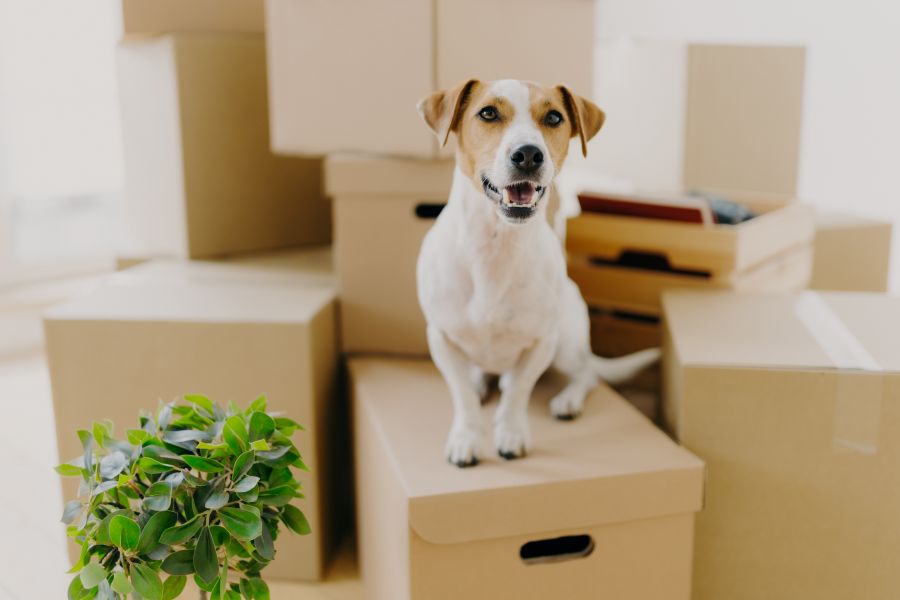
4. Remember, pets might need extra love and support during a move
If you have a pet, try to remember that they can be sensitive to the moving process, too.
On top of making sure your pet’s vaccinations are up to date and updating their identity chip details once you’ve settled in, it’s important to consider whether your pet will be accompanying you on moving day. While there’s nothing wrong with bringing them with you, leaving them at a kennel, a cattery, or with a friend for the day might avoid stress for you both.
Once your pet is introduced to your new home, it’s important to give them a lot of time and attention, because the sudden change of environment will be a difficult adjustment for almost any animal.
Try to make sure that your pet settles into the outdoor environment, too. If you have a dog, it helps to supervise them in the garden for a while so you can spot any holes in fences or other potential hazards before they become a problem.
If you have a cat, it’s important that they learn that your new home is also their new home. You might want to keep them indoors for a couple of weeks, and once you do let them out, perhaps help them explore the local area by using a cat lead for a while until they acclimatise.
Final thoughts…
Moving home, whether from a large detached house or a small apartment, can be an exhilarating yet tiring process. And while the result is worth the trouble, it helps to consider what can be done to make things easier along the way.
We hope that our tips will be helpful with your next move, or that they might even stick with you the next time you’re helping a friend or family member’s move.
For more help and inspiration, check out our moving home section. This includes everything from inspiration on where to live to tracing the history of your house.
Are you planning a move, or do you have any handy tips from your past experiences? We’d love to hear from you in the comments below.
* Links with an * by them are affiliate links which help Rest Less stay free to use as they can result in a payment or benefit to us. You can read more on how we make money here.

Start your new chapter abroad with this free retirement guide
With Your Overseas Home, you will receive honest guidance, expert advice and a helping hand every step of the way.
Download the free guide to find out how to cut everyday living costs, get tax, pension and visa checklists, and discover top tips from the expat community.
Join the discussion
Read our full commenting terms and guidelines