

- Home
- Leisure & Lifestyle
- Food & Drink
- 11 nutrient-dense foods that cost £1 or less
Healthy food can be expensive, which can be frustrating when you’re trying to eat well and make positive lifestyle choices. That said, there are still plenty of highly nutritious, versatile foods you can add to your diet without breaking the bank.
Here, we’ve pulled together a list of 11 nutrient-dense foods that cost £1 or less.
1. Canned chickpeas

Chickpeas in water (400g), Tesco, £0.49
Chickpeas may be small, but they’re certainly mighty! Thought to originate in Asia and the Mediterranean, chickpeas’ rich fibre and protein content slows digestion and keeps you fuller for longer. This can help to stabilise blood sugar levels and contribute to weight loss and maintenance.
Plus, studies show that the soluble fibre in chickpeas can reduce LDL (bad) cholesterol and triglycerides, thereby decreasing the risk of heart disease.
These nutty-tasting legumes are also an excellent source of manganese: a trace mineral needed for the brain, nervous system, and many of the body’s enzyme systems to function normally. They’re also high in vitamin B9 (folate), which is important for new cell development, including red blood cells.
In addition, chickpeas contain good amounts of iron, copper, zinc, phosphorus, magnesium, vitamins B1 and B6, selenium, and potassium.
Studies have also linked chickpeas with reduced cancer risk. This is because, when eating them, our bodies create butyrate (a short-chain fatty acid), which has been found to kill sick and dying cells and lower the risk of colorectal cancer.
Lycopene and saponin compounds are found in chickpeas, too, and scientists believe they may also have cancer-fighting properties.
When buying canned chickpeas in water, it’s best to choose the lowest-sodium option and rinse the chickpeas before adding them to your meals. For recipe ideas, why not check out this list from Bon Appétit?
2. Butternut squash

Butternut Squash, Lidl, £1
Butternut squash is one of the most popular and versatile winter squashes, not to mention one of the brightest.
A cup of cubed butternut squash contains a healthy dose of filling fibre (6.6g). It’s also a helpful energy source because it’s high in carbohydrates but has a low glycemic index (GI), meaning it breaks down slowly during digestion and doesn’t cause blood sugar levels to spike.
One serving of this cheerful vegetable also provides our entire recommended daily intake of vitamin A, which is important for healthy vision and proper organ function.
Plus, it’s a brilliant source of powerful antioxidants such as vitamins C and E, and beta-carotene (which the body converts into vitamin A). Studies suggest that these antioxidants could help protect against heart disease, cancer, and mental decline.
Butternut squash is often a leading ingredient in soups, salads, and curries. Over on BBC Good Food, you’ll find everything from roasted squash with crushed pistachios to squash and hummus salad recipes.
3. Eggs

Medium free-range mixed-size eggs (x6), ASDA, £1.80 (around £0.30 per egg)
The humble egg is one of the most nutrient-dense foods on the planet, with most of the good stuff concentrated in the yolk. One egg contains small amounts of almost every nutrient that the human body needs – particularly B-vitamins, selenium, vitamin A, and vitamin D.
These nutrients play several important roles, including supporting brain health, vision, and immunity, and breaking down and transporting nutrients. B vitamins are also thought to reduce stress and lower the risk of developing certain cancers.
If that wasn’t enough, eggs are also low in fat, high in protein, and incredibly versatile – they can be eaten in many ways. To get inspired, you might like to check out our article: 10 quick and easy egg recipes.
You may also be interested in this information from Push Doctor (NHS) about eggs and cholesterol. Research shows that eggs can raise HDL (good) cholesterol levels and reduce the effects of LDL (bad) cholesterol on our bodies, contrary to the popular opinion that eggs increase bad cholesterol levels.
4. Greek yoghurt

Brooklea Greek Style Natural Yoghurt (1kg), Aldi, £1.65
If you eat dairy, Greek yoghurt is a handy food to keep in your fridge. It can be used to make sauces and dips, add moisture to baked goods, or enjoy as a tasty, filling dessert with fresh fruit and a dollop of honey.
As well as being high in protein, Greek yoghurt contains many nutrients involved in bone health, including calcium, magnesium, and phosphorus. As a result, research has linked yoghurt to increased bone mineral density and a reduced risk of osteoporosis and osteopenia in older adults.
Greek yoghurt also contains probiotics (good bacteria) – which can support a healthy gut if consumed regularly – and is a useful source of iodine. Iodine is needed for thyroid, brain, and nervous system function, as well as a healthy metabolism and immunity.
To get the maximum nutritional benefits from Greek yoghurt, it’s best to buy unsweetened, full-fat varieties. Experts argue that eating moderate amounts of full-fat yoghurt is healthier than low-fat products because they often contain less sugar and leave you feeling fuller for longer.
Why not take a look at these 29 genius ways to eat Greek yoghurt from Tasty for inspiration?
5. Kale

Curly kale (180g), Tesco, £0.80
This leafy green vegetable boasts some powerful health benefits. It comes in several varieties (some with purple leaves) and can be eaten raw or lightly cooked.
Some of the top perks include being rich in selenium, plus vitamins C and E, which support a healthy immune system. What’s more, kale’s vitamin K and calcium content are important for maintaining bone health.
Thanks to two phytonutrients, lutein and zeaxanthin, kale is great for our eye health, too. These substances can reduce the risk of cataracts and age-related macular degeneration (AMD). Zeaxanthin is also thought to lower cholesterol in older adults, reducing the risk of heart disease and stroke.
In addition, research suggests that kale may protect against certain cancers (including lung, breast, and colon), due to the presence of substances such as indole-3-carbinol (I3C) and sulforaphane.
If you’d like to add more kale to your diet, check out these kale recipes from Olive.
6. Beef liver
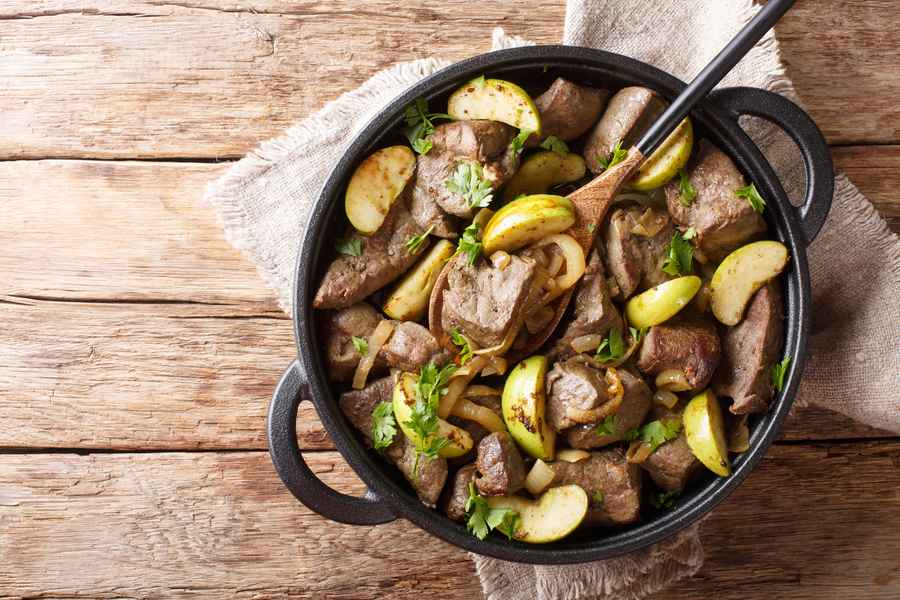
Ox liver (0.49kg), Morrisons, £1.72 (£0.35 per 100g portion)
Beef liver is often described as ‘nature’s most nutrient-dense superfood’, and its benefits are well-documented. A 100g portion of beef liver provides a whopping 24.8g of protein and is rich in vitamins A, B12, and D, as well as copper and iron.
We need iron to make haemoglobin – the protein in red blood cells responsible for transporting oxygen around the body – yet iron deficiency is one of the world’s most common nutrient deficiencies. Oxygen gives us energy, so without enough cells to drive it around the body, fatigue and eventually anaemia can follow.
Liver also contains nutrients in forms that are easily absorbed and used by the body, without being converted first. For example, liver contains retinol, the ‘active’ form of vitamin A, and vitamin D3, the ‘active’ form of vitamin D.
Liver can be eaten with vegetables, on toast, or in a salad – for more ideas, check out these liver recipes from BBC Good Food.
Note: Because liver contains large amounts of nutrients like iron and vitamin A, eating too much can cause these nutrients to build up to unhealthy levels in the body. Therefore, the NHS recommends eating it only occasionally.
7. Potatoes

British baking potatoes (x4), Sainsbury’s, £0.79
Potatoes have long been a popular staple in our diets, and for good reason. Not only are they easy to grow, but they’re high in fibre (especially pectin), keeping you fuller for longer.
Plus, they contain resistant starch, which is thought to be particularly beneficial for blood sugar control and gut health. One way to increase resistant starch in potatoes is boiling them, letting them cool, and storing them in the fridge before eating.
Potatoes are also low in fat and rich in antioxidants like vitamin C – which helps to protect the body from harmful molecules – as well as vitamin B6, potassium, and choline. Vitamin B6 plays an important role in nerve function; potassium is a key player in regulating heart rhythm; and choline is a small compound involved in brain function, muscle contraction, and pain responses.
More good news is that potatoes are naturally gluten-free, so they’re a great choice for people who need to avoid gluten.
If you’re looking for new and interesting ways to jazz up your potatoes, take a look at these potato recipes from Delicious.
8. Blueberries

Everyday Essentials Wonky Blueberries (125g), Aldi, £1.09
Blueberries are one of the original ‘superfoods’ and are well-known for their nutritional value. They’re low in calories and fat, and exceptionally high in antioxidants (scoring high in ORAC, an antioxidant analysis).
Therefore, blueberries can help the body fight off many diseases and may help prevent cataracts and macular degeneration. Two key antioxidants are ellagic acid and anthocyanidins, responsible for the berries’ blue-purple colour.
Studies have shown that anthocyanins may also reduce arterial stiffness (which is associated with ageing) and support blood vessel health. And, because of their low glycemic index (GI), blueberries may help improve insulin sensitivity and manage blood sugar levels.
You can eat blueberries as a snack; sprinkle them on porridge, cereal, or yoghurt; or add them to baking recipes. For more ways to enjoy blueberries, why not check out these recipes from Tesco?
9. Oats

JUST ESSENTIALS by Asda porridge oats (1kg), Asda, £0.85
There’s plenty to love about the unassuming oat! It’s versatile, filling, and incredibly nutritious. Research has revealed that people who eat oats and other whole-grain foods may live longer and have a reduced risk of heart disease.
Just half a cup of oats provides 64% of the recommended daily intake of manganese, which, as we’ve mentioned, is needed for the normal functioning of the brain, nervous system, and many of the body’s enzyme systems.
Other nutrients boasted by oats include phosphorus, magnesium, copper, iron, zinc, and B vitamins (particularly B1). They’re also high in a group of antioxidants called avenanthramides, which, according to research, may help to lower blood pressure and help with cardiovascular protection. Avenanthramides are present almost exclusively in oats.
Another powerful benefit of oats is that they contain a soluble fibre called beta-glucan, which is known to reduce total cholesterol levels, increase feelings of fullness, stabilise blood sugar levels, and boost the growth of good bacteria in the gut.
Many people are put off eating oats because they see them as dull and uninspiring, but there are plenty of ways to make them more exciting. You could make pancakes or soak them overnight in milk, for example. You can check out our article, 8 ways to enjoy oats for breakfast, for more ideas.
10. Garlic

Nature’s Pick garlic 4 pack, Aldi, £0.87
As well as making food taste amazing, garlic is a top contender in the world of superfoods. Related to the onion, garlic has been used for medicinal purposes for centuries due to its antibiotic, antifungal, and antiviral properties. These properties can be attributed to allicin – a sulfur-containing compound that gives garlic its strong smell and flavour.
Garlic is thought to act as an anticoagulant by making the cells involved in blood clotting (platelets) less likely to stick together and build up on artery walls. This can result in a reduced risk of heart attacks. Though research remains limited, scientists also believe that garlic’s sulphurous compounds may be able to block tumours and inhibit cancerous cells.
Additional studies suggest that garlic may increase estrogen levels and minimise bone loss. Other research suggests that garlic may offer some relief from osteoarthritis symptoms.
Garlic can be added to lots of recipes to enhance flavour. But, if you’re interested in recipes where it takes more of a leading role, you might enjoy this list of delicious dishes from Olive.
11. Bananas

Bananas, Tesco, £0.16 each
Bananas are tasty, filling, and a great energy-boosting snack.
While they’re a good source of natural sugar, bananas’ high fibre content slows down the digestion of that sugar for a slow, steady energy release. And, because they’re high in simple carbs and low in fat, for most people, ripe bananas are easy to digest.
Like potatoes, bananas also contain resistant starch and pectin – types of dietary fibre that support the growth of healthy gut bacteria.
Bananas are rich in many vitamins and minerals, but some of the most notable include vitamin B6, vitamin C, and potassium. A medium-sized banana contains roughly 0.42g of potassium, and research suggests that consuming 1.3-1.4g of potassium each day can lower the risk of heart disease by 26%.
If you fancy getting creative with bananas, check out these healthy recipes from Tesco. If you have overripe bananas that need using up, it’s also worth looking at these recipe ideas from Ambitious Kitchen.
Final thoughts…
Though healthy ingredients can be expensive, there are still plenty you can buy to get more nutrition for your money – from the humble egg to the unassuming oat.
For more ways to eat well and save money, why not read our articles: 10 money-saving recipes made from leftover foods and 10 meals you can cook for under £3?
Are any of these foods staples in your diet? Do you have any ideas for other nutrient-dense foods that cost £1 or less? We’d love to hear from you in the comments below.
Elise Christian is Lifestyle Editor at Rest Less. She joined Rest Less in 2018 after achieving a first class Master’s Degree in Journalism from the University of Kent, and writes across a range of lifestyle topics such as mental health, home and garden, and fashion and beauty. Prior to this, she worked as a freelance writer for small businesses and also spent a year training to be a midwife. Elise spends her spare time going to the gym, reading trashy romance novels, and hanging out with loved ones. She also loves animals, and has a fascination with sharks and tornadoes.
* Links with an * by them are affiliate links which help Rest Less stay free to use as they can result in a payment or benefit to us. You can read more on how we make money here.
Join the discussion
Read our full commenting terms and guidelines